 국립중앙도서관 "우편 복사 서비스"로 연결 됩니다.


The spread of Buddhism to Korea had a huge influence on cultural formation, and among them, Buddhist art played a leading role in shaping the foundation of Korean art. Among these Buddhist styles of paintings, Dancheong style is responsible for the so...
다국어 입력
あ
ぁ
か
が
さ
ざ
た
だ
な
は
ば
ぱ
ま
や
ゃ
ら
わ
ゎ
ん
い
ぃ
き
ぎ
し
じ
ち
ぢ
に
ひ
び
ぴ
み
り
う
ぅ
く
ぐ
す
ず
つ
づ
っ
ぬ
ふ
ぶ
ぷ
む
ゆ
ゅ
る
え
ぇ
け
げ
せ
ぜ
て
で
ね
へ
べ
ぺ
め
れ
お
ぉ
こ
ご
そ
ぞ
と
ど
の
ほ
ぼ
ぽ
も
よ
ょ
ろ
を
ア
ァ
カ
サ
ザ
タ
ダ
ナ
ハ
バ
パ
マ
ヤ
ャ
ラ
ワ
ヮ
ン
イ
ィ
キ
ギ
シ
ジ
チ
ヂ
ニ
ヒ
ビ
ピ
ミ
リ
ウ
ゥ
ク
グ
ス
ズ
ツ
ヅ
ッ
ヌ
フ
ブ
プ
ム
ユ
ュ
ル
エ
ェ
ケ
ゲ
セ
ゼ
テ
デ
ヘ
ベ
ペ
メ
レ
オ
ォ
コ
ゴ
ソ
ゾ
ト
ド
ノ
ホ
ボ
ポ
モ
ヨ
ョ
ロ
ヲ
―
http://chineseinput.net/에서 pinyin(병음)방식으로 중국어를 변환할 수 있습니다.
변환된 중국어를 복사하여 사용하시면 됩니다.
예시)
- 中文 을 입력하시려면 zhongwen을 입력하시고 space를누르시면됩니다.
- 北京 을 입력하시려면 beijing을 입력하시고 space를 누르시면 됩니다.
А
Б
В
Г
Д
Е
Ё
Ж
З
И
Й
К
Л
М
Н
О
П
Р
С
Т
У
Ф
Х
Ц
Ч
Ш
Щ
Ъ
Ы
Ь
Э
Ю
Я
а
б
в
г
д
е
ё
ж
з
и
й
к
л
м
н
о
п
р
с
т
у
ф
х
ц
ч
ш
щ
ъ
ы
ь
э
ю
я
′
″
℃
Å
¢
£
¥
¤
℉
‰
$
%
F
₩
㎕
㎖
㎗
ℓ
㎘
㏄
㎣
㎤
㎥
㎦
㎙
㎚
㎛
㎜
㎝
㎞
㎟
㎠
㎡
㎢
㏊
㎍
㎎
㎏
㏏
㎈
㎉
㏈
㎧
㎨
㎰
㎱
㎲
㎳
㎴
㎵
㎶
㎷
㎸
㎹
㎀
㎁
㎂
㎃
㎄
㎺
㎻
㎽
㎾
㎿
㎐
㎑
㎒
㎓
㎔
Ω
㏀
㏁
㎊
㎋
㎌
㏖
㏅
㎭
㎮
㎯
㏛
㎩
㎪
㎫
㎬
㏝
㏐
㏓
㏃
㏉
㏜
㏆
https://www.riss.kr/link?id=T15053630
- 저자
-
발행사항
서울: 동국대학교, 2019
- 학위논문사항
-
발행연도
2019
-
작성언어
한국어
- 주제어
-
발행국(도시)
서울
-
형태사항
147 p.: 채색삽도; 26 cm.
-
일반주기명
동국대학교 논문은 저작권에 의해 보호받습니다.
지도교수: 김창균
서지적 각주와 참고문헌(p. 135-138) 수록 -
UCI식별코드
I804:11020-000000079045
- DOI식별코드
-
소장기관
- 동국대학교 중앙도서관

- 동국대학교 중앙도서관
-
0
상세조회 -
0
다운로드
인용문이 복사되었습니다.
부가정보
다국어 초록 (Multilingual Abstract)

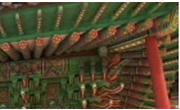
The spread of Buddhism to Korea had a huge influence on cultural formation, and among them, Buddhist art played a leading role in shaping the foundation of Korean art. Among these Buddhist styles of paintings, Dancheong style is responsible for the solemn functions of revealing the characteristics of Buddhism. Dancheong can be found in the remains of Dancheong from ancient times such as mural paintings of Goguryeo tombs, the buildings discovered during the excavation in Anapji, Shilla, and other ancient buildings of the Goryeo Dynasty such as Daewungjeon Hall, Bongjeongsa Temple, and the palace of Muyusa.
In particular, from the late 17th century, Joseon was actively engaged in restoration of palaces, government offices, and temples that were destroyed by the war. During the process of restoration, Dancheong style has been actively employed and, unlike the early Joseon Dynasty, which mainly used simple designs and cyan sequence colors, Dancheong started to combine various patterns and colors.
As a result of those transformations a unique style called the 'Tigori-pattern' was developed, focusing on the temples of Gyeongsang-do, and a world of colorful Buddhist art as a variety of different interpretations of Dacheong styles as well. From the 18th century the 'Tigori-pattern' could be observed throughout the Korean peninsula, including Jeolla-do, Chungcheong-do, and North Korea. These were characterized by the type and design of the 'Tigori-pattern' in each period and region. In the late part of the 19th century, the pattern gradually disappeared as it was subject to serious changes.
It is anticipated that data for the further research could be obtained from the temple complex in North Korea, which would intensify the consideration of the 'Tigori-pattern' of the temple complex in the late Joseon Dynasty.
국문 초록 (Abstract)
우리나라에 불교가 전래되면서 문화 형성에 미친 영향은 매우 크며 그 중에서 불교미술은 한국미술의 근간을 형성하는데 있어 주도적인 역할을 했다고 볼 수 있다. 이러한 불교미술 가운데 불교의 성격을 드러내기 위한 장엄기능을 담당하는 분야인 단청은 고구려 고분 벽화, 신라 안압지에서 출토된 건물 부재 등 고대시대부터 고려시대 건물인 수덕사 대웅전, 봉정사 극락전과 조선 전기 건물인 봉정사 대웅전, 무위사 극락전 등에서 당시의 단청이 남아있음을 살펴볼 수 있다.
특히, 조선 후기인 17세기부터 조선은 전란으로 소실된 궁궐 및 관아, 사찰의 복구와 중창을 활발하게 진행하게 된다. 그런 과정 안에서 단청 또한 활발하게 진행되었고 간결한 문양과 청록계열의 색채를 주로 사용했던 조선 전기와는 달리 다양한 문양과 색채를 적극적으로 적용하기 시작한다.
이러한 변화 곳에서 경상도 지역의 사찰을 중심으로 중심전각에 ‘띠고리문양’이라고 하는 독특한 문양이 등장하면서 단청의 다양함은 물론 화려한 불교미술의 세계를 펼치게 된다. 이후 18세기부터 전라도, 충청도, 북한 지역에 이르기까지 한반도 전역에 띠고리문양이 시문되었고, 각 시기와 지역마다 ‘띠고리문양’의 유형과 도안 형태에서 특징을 보이기도 하였다. 그리고 19세기 후반에 점차 문양이 도식화되고 변화하면서 사라지는 변천 과정을 거치게 된다.
앞으로 북한 지역의 사찰단청에 대한 자료가 더욱 확보되어 조선 후기 사찰단청의 ‘띠고리문양’에 대한 고찰이 심화되길 기대해본다.
우리나라에 불교가 전래되면서 문화 형성에 미친 영향은 매우 크며 그 중에서 불교미술은 한국미술의 근간을 형성하는데 있어 주도적인 역할을 했다고 볼 수 있다. 이러한 불교미술 가운데 ...
우리나라에 불교가 전래되면서 문화 형성에 미친 영향은 매우 크며 그 중에서 불교미술은 한국미술의 근간을 형성하는데 있어 주도적인 역할을 했다고 볼 수 있다. 이러한 불교미술 가운데 불교의 성격을 드러내기 위한 장엄기능을 담당하는 분야인 단청은 고구려 고분 벽화, 신라 안압지에서 출토된 건물 부재 등 고대시대부터 고려시대 건물인 수덕사 대웅전, 봉정사 극락전과 조선 전기 건물인 봉정사 대웅전, 무위사 극락전 등에서 당시의 단청이 남아있음을 살펴볼 수 있다.
특히, 조선 후기인 17세기부터 조선은 전란으로 소실된 궁궐 및 관아, 사찰의 복구와 중창을 활발하게 진행하게 된다. 그런 과정 안에서 단청 또한 활발하게 진행되었고 간결한 문양과 청록계열의 색채를 주로 사용했던 조선 전기와는 달리 다양한 문양과 색채를 적극적으로 적용하기 시작한다.
이러한 변화 곳에서 경상도 지역의 사찰을 중심으로 중심전각에 ‘띠고리문양’이라고 하는 독특한 문양이 등장하면서 단청의 다양함은 물론 화려한 불교미술의 세계를 펼치게 된다. 이후 18세기부터 전라도, 충청도, 북한 지역에 이르기까지 한반도 전역에 띠고리문양이 시문되었고, 각 시기와 지역마다 ‘띠고리문양’의 유형과 도안 형태에서 특징을 보이기도 하였다. 그리고 19세기 후반에 점차 문양이 도식화되고 변화하면서 사라지는 변천 과정을 거치게 된다.
앞으로 북한 지역의 사찰단청에 대한 자료가 더욱 확보되어 조선 후기 사찰단청의 ‘띠고리문양’에 대한 고찰이 심화되길 기대해본다.
목차 (Table of Contents)
- I. 머리말 1
- II. 조선 후기 사찰단청의 시문현황과 특징 6
- 1. 조선 후기 사찰단청의 시문현황 6
- 2. 조선 후기 사찰단청의 특징 13
- III. 조선 후기 남․북한 사찰단청의 띠고리문양 35
- I. 머리말 1
- II. 조선 후기 사찰단청의 시문현황과 특징 6
- 1. 조선 후기 사찰단청의 시문현황 6
- 2. 조선 후기 사찰단청의 특징 13
- III. 조선 후기 남․북한 사찰단청의 띠고리문양 35
- 1. 남한지역 사찰단청의 띠고리문양 38
- 2. 북한지역 사찰단청의 띠고리문양 84
- IV. 조선 후기 남․북한 사찰단청의 변천 110
- 1. 남한 사찰단청 띠고리문양의 변천 110
- 2. 북한 사찰단청 띠고리문양의 변천 122
- V. 조선 후기 남․북한 사찰단청 띠고리문양 연구의 의의 127
- VI. 맺음말 131
- 〔참고문헌〕 135
- 〔도판목록〕 139
- 〔표 목 록〕 145
- 〔ABSTRACT〕 146
분석정보




이 자료와 함께 이용한 RISS 자료
나만을 위한 추천자료
로그인하고 관련된 다양한 학술자료를 확인해 보세요.
로그인

