 국립중앙도서관 "우편 복사 서비스"로 연결 됩니다.



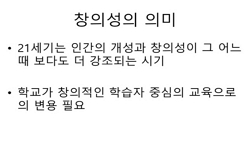
21세기는 창의성과 다양성을 요구하는 지식 기반 사회로서 급속한 변화와 발전 때문에 단지 단편적인 지식만으로는 적응할 수 없으며 미래의 사회에 능동적으로 사고하고 대응할 수 있는 창...
다국어 입력
あ
ぁ
か
が
さ
ざ
た
だ
な
は
ば
ぱ
ま
や
ゃ
ら
わ
ゎ
ん
い
ぃ
き
ぎ
し
じ
ち
ぢ
に
ひ
び
ぴ
み
り
う
ぅ
く
ぐ
す
ず
つ
づ
っ
ぬ
ふ
ぶ
ぷ
む
ゆ
ゅ
る
え
ぇ
け
げ
せ
ぜ
て
で
ね
へ
べ
ぺ
め
れ
お
ぉ
こ
ご
そ
ぞ
と
ど
の
ほ
ぼ
ぽ
も
よ
ょ
ろ
を
ア
ァ
カ
サ
ザ
タ
ダ
ナ
ハ
バ
パ
マ
ヤ
ャ
ラ
ワ
ヮ
ン
イ
ィ
キ
ギ
シ
ジ
チ
ヂ
ニ
ヒ
ビ
ピ
ミ
リ
ウ
ゥ
ク
グ
ス
ズ
ツ
ヅ
ッ
ヌ
フ
ブ
プ
ム
ユ
ュ
ル
エ
ェ
ケ
ゲ
セ
ゼ
テ
デ
ヘ
ベ
ペ
メ
レ
オ
ォ
コ
ゴ
ソ
ゾ
ト
ド
ノ
ホ
ボ
ポ
モ
ヨ
ョ
ロ
ヲ
―
http://chineseinput.net/에서 pinyin(병음)방식으로 중국어를 변환할 수 있습니다.
변환된 중국어를 복사하여 사용하시면 됩니다.
예시)
- 中文 을 입력하시려면 zhongwen을 입력하시고 space를누르시면됩니다.
- 北京 을 입력하시려면 beijing을 입력하시고 space를 누르시면 됩니다.
А
Б
В
Г
Д
Е
Ё
Ж
З
И
Й
К
Л
М
Н
О
П
Р
С
Т
У
Ф
Х
Ц
Ч
Ш
Щ
Ъ
Ы
Ь
Э
Ю
Я
а
б
в
г
д
е
ё
ж
з
и
й
к
л
м
н
о
п
р
с
т
у
ф
х
ц
ч
ш
щ
ъ
ы
ь
э
ю
я
′
″
℃
Å
¢
£
¥
¤
℉
‰
$
%
F
₩
㎕
㎖
㎗
ℓ
㎘
㏄
㎣
㎤
㎥
㎦
㎙
㎚
㎛
㎜
㎝
㎞
㎟
㎠
㎡
㎢
㏊
㎍
㎎
㎏
㏏
㎈
㎉
㏈
㎧
㎨
㎰
㎱
㎲
㎳
㎴
㎵
㎶
㎷
㎸
㎹
㎀
㎁
㎂
㎃
㎄
㎺
㎻
㎽
㎾
㎿
㎐
㎑
㎒
㎓
㎔
Ω
㏀
㏁
㎊
㎋
㎌
㏖
㏅
㎭
㎮
㎯
㏛
㎩
㎪
㎫
㎬
㏝
㏐
㏓
㏃
㏉
㏜
㏆
다매체를 활용한 체험적 창작무용이 아동의 창의성 발달에 미치는 영향 = (A) influence of experimental creative dance through various instructional media on children's creativity of development
한글로보기https://www.riss.kr/link?id=T8288764
- 저자
-
발행사항
서울 : 서울敎育大學校 敎育大學院, 2002
-
학위논문사항
학위논문(석사) -- 서울교육대학교 교육대학원 , 초등교육학과 초등체육교육전공 , 2002
-
발행연도
2002
-
작성언어
한국어
- 주제어
-
KDC
375.4692 판사항(4)
-
DDC
372.86 판사항(20)
-
발행국(도시)
서울
-
형태사항
vii, 102 p. : 삽도 ; 26cm.
-
일반주기명
참고문헌: p. 64-68
-
소장기관
- 국립순천대학교 도서관

- 국립창원대학교 도서관 (창원캠퍼스)
- 대구교육대학교 도서관
- 부산교육대학교 도서관
- 서울과학기술대학교 도서관
- 서울교육대학교 도서관
- 전주교육대학교 도서관
- 한국교육개발원
- 국립순천대학교 도서관
-
0
상세조회 -
0
다운로드
인용문이 복사되었습니다.
부가정보
국문 초록 (Abstract)

21세기는 창의성과 다양성을 요구하는 지식 기반 사회로서 급속한 변화와 발전 때문에 단지 단편적인 지식만으로는 적응할 수 없으며 미래의 사회에 능동적으로 사고하고 대응할 수 있는 창의성을 가진 사람이 절실히 요구되는 사회로 전환되고 있다.
본 연구에서는 창작무용 지도에서 다양한 교수매체와 계획된 체험학습을 활용하여 학습한 집단과 교수매체와 체험학습을 활용하지 않고 언어적 정보만으로 학습한 집단의 창의성을 비교·분석함으로써 다양한 매체 활용과 체험학습이 아동의 창의성 요인인 독창성, 유창성, 융통성, 정교성과 창의성의 표현영역인 언어 창의성, 도형 창의성, 창의성 지수 등을 향상시킬 수 있다는 점을 검증하는데 그 목적이 있다.
창의성 향상 정도를 측정하기 위한 도구로는 현대 창의성 연구소에서 개발한 초등학교 1학년부터 3학년까지를 대상으로 하는 초등학교 저학년용 아동창의성 검사지를 사용하였다.
본 연구는 초등학교 1학년 70명을 대상으로 실험집단과 비교집단으로 나누어 연구자가 재구성한 창작무용을 진행하였다. 18차시로 구성된 창작무용 지도에서 실험집단은 수업목표를 달성하고 창의력을 향상시키는데 도움을 주기위해 여러 가지 교수 매체와 체험학습을 활용하였으며 비교집단은 교사의 언어적 설명만으로 학습하였다.
연구자의 다매체를 활용한 활동 계획안은 신뢰도와 타당도를 검사 받기 위해 무용전문가 3명과 초등교사 20명에게 자문을 구해 2회의 수정 검토를 받았다.
본 연구에서 얻은 자료는 SPSS를 이용하여 전산 처리하였으며, 집단간 평균 차이에 대한 검증을 위해서 유의 수준 .05에서 t검증을 실시하였다.
이상과 같은 연구 목적과 방법에 의해 수집된 자료를 분석하여 얻어진 결과는 다음과 같다.
첫째, 다매체를 활용한 체험적 창작무용 학습을 적용한 실험 집단이 비교집단보다 창의성의 하위요인이 유의하게 높았다.
창의성의 요인인 유창성 (P<.05), 융통성 (P<.001), 독창성 (P<.01), 정교성 (P<.01)은 .05에서 통계적으로 유의한 차이가 있는 것으로 나타났다. 즉 실험집단이 비교집단에 비해 창의성 요인이 크게 향상되었음을 알 수 있다.
둘째, 다매체를 활용한 체험적 창작무용 학습을 적용한 실험 집단이 비교 집단보다 창의성의 표현 영역이 유의하게 높았다.
창의성의 표현영역인 언어 창의성(P<.05), 도형 창의성(P<.01), 창의성 지수(P<.01)도 .05에서 통계적으로 유의한 차이가 있는 것으로 나타났다. 즉 실험집단이 비교집단에 비해 창의성 표현 영역이 크게 향상되었음을 알 수 있다.
이상의 연구 결과에 의하면 본 연구에서 사용한 다매체를 활용한 체험적 창작무용 학습은 초등학교 아동의 창의적인 사고력을 증진시키는 데 효과가 있다고 결론 지을 수 있다.
21세기는 창의성과 다양성을 요구하는 지식 기반 사회로서 급속한 변화와 발전 때문에 단지 단편적인 지식만으로는 적응할 수 없으며 미래의 사회에 능동적으로 사고하고 대응할 수 있는 창의성을 가진 사람이 절실히 요구되는 사회로 전환되고 있다.
본 연구에서는 창작무용 지도에서 다양한 교수매체와 계획된 체험학습을 활용하여 학습한 집단과 교수매체와 체험학습을 활용하지 않고 언어적 정보만으로 학습한 집단의 창의성을 비교·분석함으로써 다양한 매체 활용과 체험학습이 아동의 창의성 요인인 독창성, 유창성, 융통성, 정교성과 창의성의 표현영역인 언어 창의성, 도형 창의성, 창의성 지수 등을 향상시킬 수 있다는 점을 검증하는데 그 목적이 있다.
창의성 향상 정도를 측정하기 위한 도구로는 현대 창의성 연구소에서 개발한 초등학교 1학년부터 3학년까지를 대상으로 하는 초등학교 저학년용 아동창의성 검사지를 사용하였다.
본 연구는 초등학교 1학년 70명을 대상으로 실험집단과 비교집단으로 나누어 연구자가 재구성한 창작무용을 진행하였다. 18차시로 구성된 창작무용 지도에서 실험집단은 수업목표를 달성하고 창의력을 향상시키는데 도움을 주기위해 여러 가지 교수 매체와 체험학습을 활용하였으며 비교집단은 교사의 언어적 설명만으로 학습하였다.
연구자의 다매체를 활용한 활동 계획안은 신뢰도와 타당도를 검사 받기 위해 무용전문가 3명과 초등교사 20명에게 자문을 구해 2회의 수정 검토를 받았다.
본 연구에서 얻은 자료는 SPSS를 이용하여 전산 처리하였으며, 집단간 평균 차이에 대한 검증을 위해서 유의 수준 .05에서 t검증을 실시하였다.
이상과 같은 연구 목적과 방법에 의해 수집된 자료를 분석하여 얻어진 결과는 다음과 같다.
첫째, 다매체를 활용한 체험적 창작무용 학습을 적용한 실험 집단이 비교집단보다 창의성의 하위요인이 유의하게 높았다.
창의성의 요인인 유창성 (P<.05), 융통성 (P<.001), 독창성 (P<.01), 정교성 (P<.01)은 .05에서 통계적으로 유의한 차이가 있는 것으로 나타났다. 즉 실험집단이 비교집단에 비해 창의성 요인이 크게 향상되었음을 알 수 있다.
둘째, 다매체를 활용한 체험적 창작무용 학습을 적용한 실험 집단이 비교 집단보다 창의성의 표현 영역이 유의하게 높았다.
창의성의 표현영역인 언어 창의성(P<.05), 도형 창의성(P<.01), 창의성 지수(P<.01)도 .05에서 통계적으로 유의한 차이가 있는 것으로 나타났다. 즉 실험집단이 비교집단에 비해 창의성 표현 영역이 크게 향상되었음을 알 수 있다.
이상의 연구 결과에 의하면 본 연구에서 사용한 다매체를 활용한 체험적 창작무용 학습은 초등학교 아동의 창의적인 사고력을 증진시키는 데 효과가 있다고 결론 지을 수 있다.
다국어 초록 (Multilingual Abstract)
The 21st century is the period that needs creative people who actively t hink and react the future society based on knowledge for creativity and di versity due to rapid change and development.
The purpose of this thesis is to prove that the experimental learning an d the use of various instructional media can improve such factors of child ren's creativity as Originality, Fluency, Flexibility, Delicacy and such boun daries of children's creativity as Linguistic Creativity, Figural Creativity, Creativity Index, and etc, by analysing and comparing with creativity of one group that learns' through various teaching media and planned experi mental learning in creative dance, and the other group that learns through linguistic information by not using teaching media and experimental learning.
The instrument to measure the improvement of creativity is a test paper for children's creativity developed by the Hyundai Institute for Creativity Educution (Modern Creativity Institute). The subjects of the test are child ren in the 1st to 3d grade of elementary schools.
The subjects of this research are 70 children in an elementary school. A researcher divided into two groups of the children, one of which is an exp erimental group and the other of which a comparative group. The resear cher has taught two groups of children the creative dance reconstructed by the researcher.
During the 18 times teaching of the creative dance, for the experimental group the researcher used various teaching instructional media and experi mental learning to improve creativity and achieve the purpose of learning, while for the comparative group the researcher used teachers' linguistic de scription.
This research computerized all data acquired by using SPSS and t-test was taken at the .05 level of significance to prove the average difference between two groups.
The results of analysing all data collected by the purpose and method of this research are the followings
First, the experimental group, which used experimental creative dance through various instructional media, is superior to the comparative group in aspect of sub-factors of creativity.
Such factors of creativity as Fluency (P<.05), Flexibility (P<.00l), Origi nality (P<.0l), and Delicacy (P<.0l) are statistically different each other within the level of 0.05.
Thus, compared with the comparative group, the experimental group has shown much more developed factors of creativity.
Second, the experimental group has showed significantly higher creativit y scores than the comparative group.
Such fields of creativity as Linguistic Creativity (P<.05), Figural Creativ ity (P<.0l), and Creativity Index (P<.0l) are statistically significant, differ ent within the level of 0.05 .
Thus, compared with the comparative group, the experimental group has shown higher scores of creativity.
As seen in the above research, experimental creative dance through vari ous instructional media has proved to improve creative thinking for childre n in the elementary schools.
To improve children's creativity, it is important for them to intentionally experience and train under circumstance related to creative thinking.
In addition, for children to be interested in such schemed circumstance, more objective and various teaching instructional media should be develop ed and applied.
As shown in this thesis, creative dance simultaneously develops intellect ual, emotional , and movable fields which'are essential in the education for the whole man.
Therefore, when teachers show creative dance at the schools, it is desired that many re searchers should Continuously investigate and prove various instructional media and experimental activities to improve creativity and ability of children's creative ability in dance.
The 21st century is the period that needs creative people who actively t hink and react the future society based on knowledge for creativity and di versity due to rapid change and development. The purpose of this thesis is to prove that the experimen...
The 21st century is the period that needs creative people who actively t hink and react the future society based on knowledge for creativity and di versity due to rapid change and development.
The purpose of this thesis is to prove that the experimental learning an d the use of various instructional media can improve such factors of child ren's creativity as Originality, Fluency, Flexibility, Delicacy and such boun daries of children's creativity as Linguistic Creativity, Figural Creativity, Creativity Index, and etc, by analysing and comparing with creativity of one group that learns' through various teaching media and planned experi mental learning in creative dance, and the other group that learns through linguistic information by not using teaching media and experimental learning.
The instrument to measure the improvement of creativity is a test paper for children's creativity developed by the Hyundai Institute for Creativity Educution (Modern Creativity Institute). The subjects of the test are child ren in the 1st to 3d grade of elementary schools.
The subjects of this research are 70 children in an elementary school. A researcher divided into two groups of the children, one of which is an exp erimental group and the other of which a comparative group. The resear cher has taught two groups of children the creative dance reconstructed by the researcher.
During the 18 times teaching of the creative dance, for the experimental group the researcher used various teaching instructional media and experi mental learning to improve creativity and achieve the purpose of learning, while for the comparative group the researcher used teachers' linguistic de scription.
This research computerized all data acquired by using SPSS and t-test was taken at the .05 level of significance to prove the average difference between two groups.
The results of analysing all data collected by the purpose and method of this research are the followings
First, the experimental group, which used experimental creative dance through various instructional media, is superior to the comparative group in aspect of sub-factors of creativity.
Such factors of creativity as Fluency (P<.05), Flexibility (P<.00l), Origi nality (P<.0l), and Delicacy (P<.0l) are statistically different each other within the level of 0.05.
Thus, compared with the comparative group, the experimental group has shown much more developed factors of creativity.
Second, the experimental group has showed significantly higher creativit y scores than the comparative group.
Such fields of creativity as Linguistic Creativity (P<.05), Figural Creativ ity (P<.0l), and Creativity Index (P<.0l) are statistically significant, differ ent within the level of 0.05 .
Thus, compared with the comparative group, the experimental group has shown higher scores of creativity.
As seen in the above research, experimental creative dance through vari ous instructional media has proved to improve creative thinking for childre n in the elementary schools.
To improve children's creativity, it is important for them to intentionally experience and train under circumstance related to creative thinking.
In addition, for children to be interested in such schemed circumstance, more objective and various teaching instructional media should be develop ed and applied.
As shown in this thesis, creative dance simultaneously develops intellect ual, emotional , and movable fields which'are essential in the education for the whole man.
Therefore, when teachers show creative dance at the schools, it is desired that many re searchers should Continuously investigate and prove various instructional media and experimental activities to improve creativity and ability of children's creative ability in dance.
목차 (Table of Contents)
- 목차
- 論文要約 = v
- I. 서 론 = 1
- 1. 연구의 필요성 = 1
- 2. 연구의 목적 = 3
- 목차
- 論文要約 = v
- I. 서 론 = 1
- 1. 연구의 필요성 = 1
- 2. 연구의 목적 = 3
- 3. 연구의 가설 = 4
- 4. 연구의 제한점 = 5
- 5. 용어의 정의 = 6
- II. 이론적 배경 = 8
- 1. 초등학교 무용교육과 창의성 = 8
- 2. 창작무용 학습 = 13
- 3. 창작무용에서 다양한 교수매체(educationalmedia)의 활용 = 22
- 4. 창작무용 학습에서 체험학습의 효과 = 28
- 5. 선행 연구 = 30
- III. 연구 방법 = 33
- 1. 연구 대상 = 33
- 2. 연구 과정 및 기간 = 33
- 3. 연구 절차 = 34
- 4. 검사 도구 및 방법 = 45
- 5. 자료 처리 방법 = 46
- IV. 결과 및 논의 = 47
- 1. 실험 집단·비교 집단간의 창의성 검증(전후 비교) = 47
- 2. 실험 집단·비교 집단간의 창의성의 하위 영역 검증 = 49
- 3. 실험 집단·비교 집단간의 창의성의 표현 영역 검증 = 54
- V. 결론 및 제언 = 61
- 1. 결 론 = 61
- 2. 제 언 = 62
- 【 참 고 문 헌 】 = 64
- ABSTRACT = 69
- 부 록 = 72
분석정보


이 자료와 함께 이용한 RISS 자료
나만을 위한 추천자료
로그인하고 관련된 다양한 학술자료를 확인해 보세요.
로그인

