 국립중앙도서관 "우편 복사 서비스"로 연결 됩니다.



The purpose of this study was to analyze the learning behaviors of students who took e-learning courses for college students on duty of military service through a learning analytics approach, and to investigate the perceptions of students who took e-l...
다국어 입력
あ
ぁ
か
が
さ
ざ
た
だ
な
は
ば
ぱ
ま
や
ゃ
ら
わ
ゎ
ん
い
ぃ
き
ぎ
し
じ
ち
ぢ
に
ひ
び
ぴ
み
り
う
ぅ
く
ぐ
す
ず
つ
づ
っ
ぬ
ふ
ぶ
ぷ
む
ゆ
ゅ
る
え
ぇ
け
げ
せ
ぜ
て
で
ね
へ
べ
ぺ
め
れ
お
ぉ
こ
ご
そ
ぞ
と
ど
の
ほ
ぼ
ぽ
も
よ
ょ
ろ
を
ア
ァ
カ
サ
ザ
タ
ダ
ナ
ハ
バ
パ
マ
ヤ
ャ
ラ
ワ
ヮ
ン
イ
ィ
キ
ギ
シ
ジ
チ
ヂ
ニ
ヒ
ビ
ピ
ミ
リ
ウ
ゥ
ク
グ
ス
ズ
ツ
ヅ
ッ
ヌ
フ
ブ
プ
ム
ユ
ュ
ル
エ
ェ
ケ
ゲ
セ
ゼ
テ
デ
ヘ
ベ
ペ
メ
レ
オ
ォ
コ
ゴ
ソ
ゾ
ト
ド
ノ
ホ
ボ
ポ
モ
ヨ
ョ
ロ
ヲ
―
http://chineseinput.net/에서 pinyin(병음)방식으로 중국어를 변환할 수 있습니다.
변환된 중국어를 복사하여 사용하시면 됩니다.
예시)
- 中文 을 입력하시려면 zhongwen을 입력하시고 space를누르시면됩니다.
- 北京 을 입력하시려면 beijing을 입력하시고 space를 누르시면 됩니다.
А
Б
В
Г
Д
Е
Ё
Ж
З
И
Й
К
Л
М
Н
О
П
Р
С
Т
У
Ф
Х
Ц
Ч
Ш
Щ
Ъ
Ы
Ь
Э
Ю
Я
а
б
в
г
д
е
ё
ж
з
и
й
к
л
м
н
о
п
р
с
т
у
ф
х
ц
ч
ш
щ
ъ
ы
ь
э
ю
я
′
″
℃
Å
¢
£
¥
¤
℉
‰
$
%
F
₩
㎕
㎖
㎗
ℓ
㎘
㏄
㎣
㎤
㎥
㎦
㎙
㎚
㎛
㎜
㎝
㎞
㎟
㎠
㎡
㎢
㏊
㎍
㎎
㎏
㏏
㎈
㎉
㏈
㎧
㎨
㎰
㎱
㎲
㎳
㎴
㎵
㎶
㎷
㎸
㎹
㎀
㎁
㎂
㎃
㎄
㎺
㎻
㎽
㎾
㎿
㎐
㎑
㎒
㎓
㎔
Ω
㏀
㏁
㎊
㎋
㎌
㏖
㏅
㎭
㎮
㎯
㏛
㎩
㎪
㎫
㎬
㏝
㏐
㏓
㏃
㏉
㏜
㏆

RISS 인기검색어
부가정보
다국어 초록 (Multilingual Abstract)

The purpose of this study was to analyze the learning behaviors of students who took e-learning courses for college students on duty of military service through a learning analytics approach, and to investigate the perceptions of students who took e-learning courses for college students on duty of military service. To achieve the purpose, following research questions were established. First, what are students' learning behaviors of e-learning depending on each factor? Second, what are the learning behavioral differences of e-learning depending on students' academic achievement? Third, what are the students’ perceptions on the e-learning courses for college students on duty of military service?
The learning log data of 304 K university students for the last two years (2015∼2016) was analyzed, and the perception survey was conducted for students enrolled in the e-learning courses in spring semester of 2017. The data of learning logs and survey results were extracted as a MS-Excel format, those are classified and analyzed by the variables.
The results of this study are as follows: First, students are consistent with taking e-learning courses intensively on Saturdays and Sundays and between 22:00 and 23:00. The average attendance ratio by week and the average frequency of content access by week are the highest in the first quarter(1st to 4th week). Also, the students whose military service period is from 11 months to 17 months show the highest on the frequency of content access and the learning time. However, students whose military service period is over 18 months show the least amount of learning. Second, according to the level of academic achievement, a high-achiever group studies regularly and invests more time on studying than a low-achiever group. Third, most of the students obtain information on e-learning courses for college students on duty of military service through the official documents and recommendations by senior soldiers or military mates. In addition, students usually take courses to acquire the credits of liberal arts. A lot of students usually take e-learning courses after 22:00, which is offered by the military for their study. Most of the students are satisfied with the e-learning courses. However, a lot of students dissatisfy on the tuition fees, and they have difficulties in report submission and taking exam due to the PC security and network problems.
The learning log data of 304 K university students for the last two years (2015∼2016) was analyzed, and the perception survey was conducted for students enrolled in the e-learning courses in spring semester of 2017. The data of learning logs and survey results were extracted as a MS-Excel format, those are classified and analyzed by the variables.
The results of this study are as follows: First, students are consistent with taking e-learning courses intensively on Saturdays and Sundays and between 22:00 and 23:00. The average attendance ratio by week and the average frequency of content access by week are the highest in the first quarter(1st to 4th week). Also, the students whose military service period is from 11 months to 17 months show the highest on the frequency of content access and the learning time. However, students whose military service period is over 18 months show the least amount of learning. Second, according to the level of academic achievement, a high-achiever group studies regularly and invests more time on studying than a low-achiever group. Third, most of the students obtain information on e-learning courses for college students on duty of military service through the official documents and recommendations by senior soldiers or military mates. In addition, students usually take courses to acquire the credits of liberal arts. A lot of students usually take e-learning courses after 22:00, which is offered by the military for their study. Most of the students are satisfied with the e-learning courses. However, a lot of students dissatisfy on the tuition fees, and they have difficulties in report submission and taking exam due to the PC security and network problems.
The purpose of this study was to analyze the learning behaviors of students who took e-learning courses for college students on duty of military service through a learning analytics approach, and to investigate the perceptions of students who took e-learning courses for college students on duty of military service. To achieve the purpose, following research questions were established. First, what are students' learning behaviors of e-learning depending on each factor? Second, what are the learning behavioral differences of e-learning depending on students' academic achievement? Third, what are the students’ perceptions on the e-learning courses for college students on duty of military service?
The learning log data of 304 K university students for the last two years (2015∼2016) was analyzed, and the perception survey was conducted for students enrolled in the e-learning courses in spring semester of 2017. The data of learning logs and survey results were extracted as a MS-Excel format, those are classified and analyzed by the variables.
The results of this study are as follows: First, students are consistent with taking e-learning courses intensively on Saturdays and Sundays and between 22:00 and 23:00. The average attendance ratio by week and the average frequency of content access by week are the highest in the first quarter(1st to 4th week). Also, the students whose military service period is from 11 months to 17 months show the highest on the frequency of content access and the learning time. However, students whose military service period is over 18 months show the least amount of learning. Second, according to the level of academic achievement, a high-achiever group studies regularly and invests more time on studying than a low-achiever group. Third, most of the students obtain information on e-learning courses for college students on duty of military service through the official documents and recommendations by senior soldiers or military mates. In addition, students usually take courses to acquire the credits of liberal arts. A lot of students usually take e-learning courses after 22:00, which is offered by the military for their study. Most of the students are satisfied with the e-learning courses. However, a lot of students dissatisfy on the tuition fees, and they have difficulties in report submission and taking exam due to the PC security and network problems.
국문 초록 (Abstract)
본 연구에서는 일반대학에서 운영하고 있는 군 이러닝 강좌 수강생의 학습로그 데이터를 학습분석학적 관점에서 분석하여 이러닝 학습행태를 분석하고 이러닝 강좌 운영에 대한 수강생의 인식을 조사하고자 하였다. 연구 목적에 따른 구체적인 연구 문제는 다음과 같다. 첫째, 군 이러닝 강좌 수강생의 요인별 학습행태는 어떠한가? 둘째, 군 이러닝 강좌 수강생의 학업성취도 수준에 따라 학습행태에는 어떠한 차이가 있는가? 셋째, 군 이러닝 강좌 운영에 대한 수강생의 인식은 어떠한가?
본 연구를 위하여 D광역시 K대학교에서 최근 2년간(2015년∼2016년) 운영한 군 이러닝 강좌의 수강생 304명의 학습로그 데이터를 수집 및 분석하였고, 2017학년도 1학기에 운영된 군 이러닝 강좌 수강생을 대상으로 강좌에 대한 인식 설문조사를 실시하였다. 학습로그 데이터와 설문조사 결과는 MS-Excel 형식으로 추출하였고 연구 변인별로 분류하여 학습행태를 분석하였다.
본 연구의 결과는 다음과 같다. 첫째, 군 이러닝 강좌 수강생은 토요일과 일요일에, 22시∼23시 시간대에 집중적으로 강의를 수강하며 주차별 평균 수강지속비율과 주차별 평균 강의수강 빈도는 1분기(1주차∼4주차)에서 가장 높게 나타났다. 또한, 복무기간이 11개월∼17개월(상병)인 수강생의 1인당 강의수강 빈도와 1인당 강의수강시간이 가장 높게 나타났으며 18개월 이상(병장 이상)인 수강생이 가장 저조한 학습량을 보였다. 둘째, 학업성취도 수준에 따라 고성취 그룹이 저성취 그룹에 비해 학습량이 많으며 규칙적으로 강의를 수강하는 것으로 나타났다. 셋째, 대부분의 수강생이 공문과 입대 후 선임 및 동기의 추천을 통해 군 이러닝 강좌에 대한 정보를 습득하며, 주로 부족한 교양학점을 취득하기 위해 강좌를 수강한다. 강좌 수강은 주로 야간 학습연등시간(22시 이후)을 활용하는 것으로 나타났다. 대부분의 수강생이 강좌 운영에 대해 높은 만족도를 보였으나, 수강료에 대해서는 적절하지 않은 수준이라고 응답한 비율이 높았으며 군부대 내의 보안문제와 네트워크 문제로 인해 과제 제출과 시험 응시에 어려움을 겪은 수강생이 많은 것으로 나타났다.
본 연구를 위하여 D광역시 K대학교에서 최근 2년간(2015년∼2016년) 운영한 군 이러닝 강좌의 수강생 304명의 학습로그 데이터를 수집 및 분석하였고, 2017학년도 1학기에 운영된 군 이러닝 강좌 수강생을 대상으로 강좌에 대한 인식 설문조사를 실시하였다. 학습로그 데이터와 설문조사 결과는 MS-Excel 형식으로 추출하였고 연구 변인별로 분류하여 학습행태를 분석하였다.
본 연구의 결과는 다음과 같다. 첫째, 군 이러닝 강좌 수강생은 토요일과 일요일에, 22시∼23시 시간대에 집중적으로 강의를 수강하며 주차별 평균 수강지속비율과 주차별 평균 강의수강 빈도는 1분기(1주차∼4주차)에서 가장 높게 나타났다. 또한, 복무기간이 11개월∼17개월(상병)인 수강생의 1인당 강의수강 빈도와 1인당 강의수강시간이 가장 높게 나타났으며 18개월 이상(병장 이상)인 수강생이 가장 저조한 학습량을 보였다. 둘째, 학업성취도 수준에 따라 고성취 그룹이 저성취 그룹에 비해 학습량이 많으며 규칙적으로 강의를 수강하는 것으로 나타났다. 셋째, 대부분의 수강생이 공문과 입대 후 선임 및 동기의 추천을 통해 군 이러닝 강좌에 대한 정보를 습득하며, 주로 부족한 교양학점을 취득하기 위해 강좌를 수강한다. 강좌 수강은 주로 야간 학습연등시간(22시 이후)을 활용하는 것으로 나타났다. 대부분의 수강생이 강좌 운영에 대해 높은 만족도를 보였으나, 수강료에 대해서는 적절하지 않은 수준이라고 응답한 비율이 높았으며 군부대 내의 보안문제와 네트워크 문제로 인해 과제 제출과 시험 응시에 어려움을 겪은 수강생이 많은 것으로 나타났다.
본 연구에서는 일반대학에서 운영하고 있는 군 이러닝 강좌 수강생의 학습로그 데이터를 학습분석학적 관점에서 분석하여 이러닝 학습행태를 분석하고 이러닝 강좌 운영에 대한 수강생의 ...
본 연구에서는 일반대학에서 운영하고 있는 군 이러닝 강좌 수강생의 학습로그 데이터를 학습분석학적 관점에서 분석하여 이러닝 학습행태를 분석하고 이러닝 강좌 운영에 대한 수강생의 인식을 조사하고자 하였다. 연구 목적에 따른 구체적인 연구 문제는 다음과 같다. 첫째, 군 이러닝 강좌 수강생의 요인별 학습행태는 어떠한가? 둘째, 군 이러닝 강좌 수강생의 학업성취도 수준에 따라 학습행태에는 어떠한 차이가 있는가? 셋째, 군 이러닝 강좌 운영에 대한 수강생의 인식은 어떠한가?
본 연구를 위하여 D광역시 K대학교에서 최근 2년간(2015년∼2016년) 운영한 군 이러닝 강좌의 수강생 304명의 학습로그 데이터를 수집 및 분석하였고, 2017학년도 1학기에 운영된 군 이러닝 강좌 수강생을 대상으로 강좌에 대한 인식 설문조사를 실시하였다. 학습로그 데이터와 설문조사 결과는 MS-Excel 형식으로 추출하였고 연구 변인별로 분류하여 학습행태를 분석하였다.
본 연구의 결과는 다음과 같다. 첫째, 군 이러닝 강좌 수강생은 토요일과 일요일에, 22시∼23시 시간대에 집중적으로 강의를 수강하며 주차별 평균 수강지속비율과 주차별 평균 강의수강 빈도는 1분기(1주차∼4주차)에서 가장 높게 나타났다. 또한, 복무기간이 11개월∼17개월(상병)인 수강생의 1인당 강의수강 빈도와 1인당 강의수강시간이 가장 높게 나타났으며 18개월 이상(병장 이상)인 수강생이 가장 저조한 학습량을 보였다. 둘째, 학업성취도 수준에 따라 고성취 그룹이 저성취 그룹에 비해 학습량이 많으며 규칙적으로 강의를 수강하는 것으로 나타났다. 셋째, 대부분의 수강생이 공문과 입대 후 선임 및 동기의 추천을 통해 군 이러닝 강좌에 대한 정보를 습득하며, 주로 부족한 교양학점을 취득하기 위해 강좌를 수강한다. 강좌 수강은 주로 야간 학습연등시간(22시 이후)을 활용하는 것으로 나타났다. 대부분의 수강생이 강좌 운영에 대해 높은 만족도를 보였으나, 수강료에 대해서는 적절하지 않은 수준이라고 응답한 비율이 높았으며 군부대 내의 보안문제와 네트워크 문제로 인해 과제 제출과 시험 응시에 어려움을 겪은 수강생이 많은 것으로 나타났다.
목차 (Table of Contents)
- I. 서론 1
- 1. 연구의 필요성 및 목적 1
- 2. 연구문제 4
- II. 이론적 배경 6
- 1. 군 복무 중 학점취득 제도 6
- I. 서론 1
- 1. 연구의 필요성 및 목적 1
- 2. 연구문제 4
- II. 이론적 배경 6
- 1. 군 복무 중 학점취득 제도 6
- 2. 대학 이러닝과 학습분석학 16
- 3. 학습분석학 선행연구 19
- III. 연구방법 24
- 1. 연구대상 24
- 2. 연구대상 강좌 25
- 3. 연구절차 29
- 4. 자료분석 30
- IV. 연구결과 33
- 1. 요인별 이러닝 학습행태 33
- 2. 학업성취도별 이러닝 학습행태 44
- 3. 군 이러닝 강좌 운영에 대한 수강생의 인식 50
- Ⅴ. 논의 57
- 1. 요인별 이러닝 학습행태에 대한 논의 57
- 2. 학업성취도별 이러닝 학습행태에 대한 논의 60
- 3. 군 이러닝 강좌 운영에 대한 수강생의 인식분석 결과 논의 62
- Ⅵ. 결론 및 제언 65
- 참고문헌 68
- 부 록 73
- 영문초록 78
- 국문초록 81
분석정보
연관 공개강의(KOCW)
-

2014 이러닝 국제 콘퍼런스 : Utilizing Education System through Open Source: Using Columbia Case
한국교육학술정보원 In-Sik, Yoo -

2014 이러닝 국제 콘퍼런스: Analysis of e-Learning Program Management for Adults in Korea
한국교육정보진흥협회 Don-Min, Choi -

2014 이러닝 국제 콘퍼런스 : Whats Wrong with e-books and How to Fix It
한국교육학술정보원 Joseph Noble -
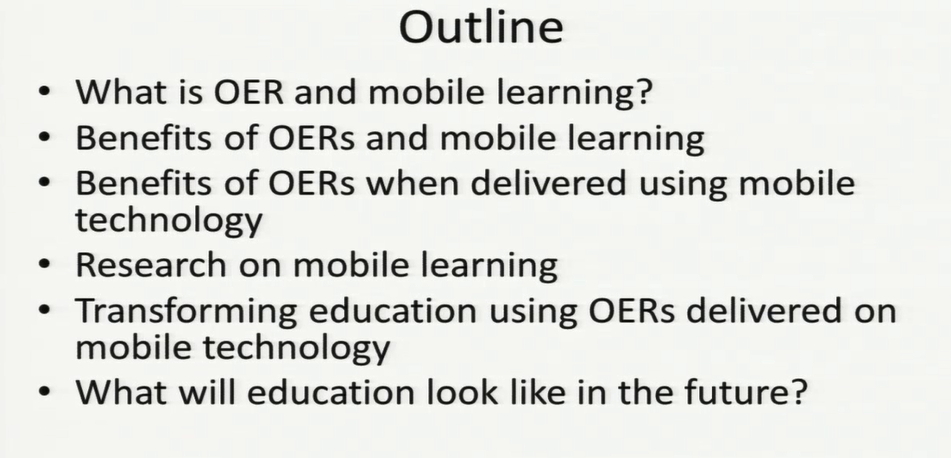
2014 이러닝 국제 콘퍼런스 : Open Education Resources with Mobile Learning to Transform Education
한국교육학술정보원 Mohamed Ally -
2014 이러닝 국제 콘퍼런스 : Education Technology with Moonshot Thinking
한국교육학술정보원 Suan Yeo
이 자료와 함께 이용한 RISS 자료
나만을 위한 추천자료


