 국립중앙도서관 "우편 복사 서비스"로 연결 됩니다.


본 논문에서는 특허 청구 범위 해석에 있어서 균등론의 적용에 관해 연구하였다. 일반적인 특허청구범위의 해석, 균등론의 성립 요건 및 균등론을 적용을 제한하는 요건에 대해 미국의 판례...
다국어 입력
あ
ぁ
か
が
さ
ざ
た
だ
な
は
ば
ぱ
ま
や
ゃ
ら
わ
ゎ
ん
い
ぃ
き
ぎ
し
じ
ち
ぢ
に
ひ
び
ぴ
み
り
う
ぅ
く
ぐ
す
ず
つ
づ
っ
ぬ
ふ
ぶ
ぷ
む
ゆ
ゅ
る
え
ぇ
け
げ
せ
ぜ
て
で
ね
へ
べ
ぺ
め
れ
お
ぉ
こ
ご
そ
ぞ
と
ど
の
ほ
ぼ
ぽ
も
よ
ょ
ろ
を
ア
ァ
カ
サ
ザ
タ
ダ
ナ
ハ
バ
パ
マ
ヤ
ャ
ラ
ワ
ヮ
ン
イ
ィ
キ
ギ
シ
ジ
チ
ヂ
ニ
ヒ
ビ
ピ
ミ
リ
ウ
ゥ
ク
グ
ス
ズ
ツ
ヅ
ッ
ヌ
フ
ブ
プ
ム
ユ
ュ
ル
エ
ェ
ケ
ゲ
セ
ゼ
テ
デ
ヘ
ベ
ペ
メ
レ
オ
ォ
コ
ゴ
ソ
ゾ
ト
ド
ノ
ホ
ボ
ポ
モ
ヨ
ョ
ロ
ヲ
―
http://chineseinput.net/에서 pinyin(병음)방식으로 중국어를 변환할 수 있습니다.
변환된 중국어를 복사하여 사용하시면 됩니다.
예시)
- 中文 을 입력하시려면 zhongwen을 입력하시고 space를누르시면됩니다.
- 北京 을 입력하시려면 beijing을 입력하시고 space를 누르시면 됩니다.
А
Б
В
Г
Д
Е
Ё
Ж
З
И
Й
К
Л
М
Н
О
П
Р
С
Т
У
Ф
Х
Ц
Ч
Ш
Щ
Ъ
Ы
Ь
Э
Ю
Я
а
б
в
г
д
е
ё
ж
з
и
й
к
л
м
н
о
п
р
с
т
у
ф
х
ц
ч
ш
щ
ъ
ы
ь
э
ю
я
′
″
℃
Å
¢
£
¥
¤
℉
‰
$
%
F
₩
㎕
㎖
㎗
ℓ
㎘
㏄
㎣
㎤
㎥
㎦
㎙
㎚
㎛
㎜
㎝
㎞
㎟
㎠
㎡
㎢
㏊
㎍
㎎
㎏
㏏
㎈
㎉
㏈
㎧
㎨
㎰
㎱
㎲
㎳
㎴
㎵
㎶
㎷
㎸
㎹
㎀
㎁
㎂
㎃
㎄
㎺
㎻
㎽
㎾
㎿
㎐
㎑
㎒
㎓
㎔
Ω
㏀
㏁
㎊
㎋
㎌
㏖
㏅
㎭
㎮
㎯
㏛
㎩
㎪
㎫
㎬
㏝
㏐
㏓
㏃
㏉
㏜
㏆

RISS 인기검색어
특허청구범위의 해석에 있어서 균등론의 적용에 관한 연구 = (A) study on the application of the doctrine of equivalent in interpreting claims
한글로보기https://www.riss.kr/link?id=T8022723
- 저자
-
발행사항
서울 : 연세대학교 법무대학원, 2001
-
학위논문사항
학위논문(석사) -- 연세대학교 법무대학원 , 산업재산권법전공 , 2001. 8
-
발행연도
2001
-
작성언어
한국어
- 주제어
-
KDC
365.23 판사항(4)
-
발행국(도시)
서울
-
형태사항
vi, 120p. : 삽도 ; 26 cm .
-
소장기관
- 연세대학교 미래학술정보원

- 연세대학교 학술문화처 도서관
- 연세대학교 미래학술정보원
-
0
상세조회 -
0
다운로드
부가정보
국문 초록 (Abstract)

본 논문에서는 특허 청구 범위 해석에 있어서 균등론의 적용에 관해 연구하였다. 일반적인 특허청구범위의 해석, 균등론의 성립 요건 및 균등론을 적용을 제한하는 요건에 대해 미국의 판례를 중심으로 발전해온 이론과, 미국, 일본, 유럽에서 균등론을 적용한 판례와 균등론에 관한 우리나라의 최근 판례를 살펴보았다.
특허 발명의 보호범위를 확정하는 일은 특허청구범위를 해석하는 것에서 시작하며, 균등론은 이러한 특허청구범위의 해석과 관련하여 특허청구범위의 문리 해석을 넘어, 문언과 균등인 발명도 기술적 범위 내에 속한다고 보는 이론이다.
균등론을 적용함에 있어서는 특허권자의 보호와 제3자의 법적 안정의 조화를 도모하여야 하며, 균등론은 형식적인 차이에도 불구하고 실질적인 균가성을 인정하기 위한 이론이므로, 구체적인 사안에 따라 공평 타당한 결론을 도출하고자 해야 한다.
균등론의 성립 요건으로는 치환가능성과 치환자명성을 드는데, 치환가능성은 발명의 기능, 방법, 효과가 동일한 지 여부로 판단하며, 치환자명성은 발명의 구성요소의 일부를 치환하는 것이 당업자라면 용이하게 추고가능한 지를 판단하는 것으로, 발명의 성립 요건 중 자명성와 관련하여 논해진다. 미국에서는 균등론을 제한하기 위해서는 출원 경과 금반언의 원칙이 주로 적용된다.
출원 경과 금반언의 원칙이 적용되는 범위에 대해서는 최근 대법원의 Festo 사건에서는 특허성과 관련되며 청구범위를 축소한 보정을 하면 출원 경과 금반언의 원칙이 적용된다는 접근 방식을 취하여 균등론의 적용을 제한하고 있다. 균등론의 판단 방법에 대해서는 요소대비방식과 전체대비방식이 있는데 미국에서는 요소대비방식의 원칙으로 정리된 것으로 보인다.
우리나라에서 균등론을 적용한 판례는 권리범위확인심판의 상고심 판결이 대부분이며, 균등론을 직접적으로 적용한 판례는 보이지 않았으나, 최근 대법원에서 기술적 사상 내지 과제의 해결원리가 공통하거나 동일하고, 작용효과가 동일하고, 치환자명성이 있으며, (가)호 발명이 공지 기술이 아니고, (가)호 발명의 치환된 구성요소가 특허발명에서 의식적으로 제외되는 등 특단의 사정이 없으면 특허발명와 (가)호 발명은 균등하다고 판시하여 균등론의 성립요건에 대해 판시하고 있다. 그러나 치환자명성의 적용시점 등 각 요건에 대한 좀 더 구체적인 논의가 필요하며, 이와 같이 판시한 법적 토대를 마련하는 것이 필요하다고 생각된다.
특허 발명의 보호범위를 확정하는 일은 특허청구범위를 해석하는 것에서 시작하며, 균등론은 이러한 특허청구범위의 해석과 관련하여 특허청구범위의 문리 해석을 넘어, 문언과 균등인 발명도 기술적 범위 내에 속한다고 보는 이론이다.
균등론을 적용함에 있어서는 특허권자의 보호와 제3자의 법적 안정의 조화를 도모하여야 하며, 균등론은 형식적인 차이에도 불구하고 실질적인 균가성을 인정하기 위한 이론이므로, 구체적인 사안에 따라 공평 타당한 결론을 도출하고자 해야 한다.
균등론의 성립 요건으로는 치환가능성과 치환자명성을 드는데, 치환가능성은 발명의 기능, 방법, 효과가 동일한 지 여부로 판단하며, 치환자명성은 발명의 구성요소의 일부를 치환하는 것이 당업자라면 용이하게 추고가능한 지를 판단하는 것으로, 발명의 성립 요건 중 자명성와 관련하여 논해진다. 미국에서는 균등론을 제한하기 위해서는 출원 경과 금반언의 원칙이 주로 적용된다.
출원 경과 금반언의 원칙이 적용되는 범위에 대해서는 최근 대법원의 Festo 사건에서는 특허성과 관련되며 청구범위를 축소한 보정을 하면 출원 경과 금반언의 원칙이 적용된다는 접근 방식을 취하여 균등론의 적용을 제한하고 있다. 균등론의 판단 방법에 대해서는 요소대비방식과 전체대비방식이 있는데 미국에서는 요소대비방식의 원칙으로 정리된 것으로 보인다.
우리나라에서 균등론을 적용한 판례는 권리범위확인심판의 상고심 판결이 대부분이며, 균등론을 직접적으로 적용한 판례는 보이지 않았으나, 최근 대법원에서 기술적 사상 내지 과제의 해결원리가 공통하거나 동일하고, 작용효과가 동일하고, 치환자명성이 있으며, (가)호 발명이 공지 기술이 아니고, (가)호 발명의 치환된 구성요소가 특허발명에서 의식적으로 제외되는 등 특단의 사정이 없으면 특허발명와 (가)호 발명은 균등하다고 판시하여 균등론의 성립요건에 대해 판시하고 있다. 그러나 치환자명성의 적용시점 등 각 요건에 대한 좀 더 구체적인 논의가 필요하며, 이와 같이 판시한 법적 토대를 마련하는 것이 필요하다고 생각된다.
본 논문에서는 특허 청구 범위 해석에 있어서 균등론의 적용에 관해 연구하였다. 일반적인 특허청구범위의 해석, 균등론의 성립 요건 및 균등론을 적용을 제한하는 요건에 대해 미국의 판례를 중심으로 발전해온 이론과, 미국, 일본, 유럽에서 균등론을 적용한 판례와 균등론에 관한 우리나라의 최근 판례를 살펴보았다.
특허 발명의 보호범위를 확정하는 일은 특허청구범위를 해석하는 것에서 시작하며, 균등론은 이러한 특허청구범위의 해석과 관련하여 특허청구범위의 문리 해석을 넘어, 문언과 균등인 발명도 기술적 범위 내에 속한다고 보는 이론이다.
균등론을 적용함에 있어서는 특허권자의 보호와 제3자의 법적 안정의 조화를 도모하여야 하며, 균등론은 형식적인 차이에도 불구하고 실질적인 균가성을 인정하기 위한 이론이므로, 구체적인 사안에 따라 공평 타당한 결론을 도출하고자 해야 한다.
균등론의 성립 요건으로는 치환가능성과 치환자명성을 드는데, 치환가능성은 발명의 기능, 방법, 효과가 동일한 지 여부로 판단하며, 치환자명성은 발명의 구성요소의 일부를 치환하는 것이 당업자라면 용이하게 추고가능한 지를 판단하는 것으로, 발명의 성립 요건 중 자명성와 관련하여 논해진다. 미국에서는 균등론을 제한하기 위해서는 출원 경과 금반언의 원칙이 주로 적용된다.
출원 경과 금반언의 원칙이 적용되는 범위에 대해서는 최근 대법원의 Festo 사건에서는 특허성과 관련되며 청구범위를 축소한 보정을 하면 출원 경과 금반언의 원칙이 적용된다는 접근 방식을 취하여 균등론의 적용을 제한하고 있다. 균등론의 판단 방법에 대해서는 요소대비방식과 전체대비방식이 있는데 미국에서는 요소대비방식의 원칙으로 정리된 것으로 보인다.
우리나라에서 균등론을 적용한 판례는 권리범위확인심판의 상고심 판결이 대부분이며, 균등론을 직접적으로 적용한 판례는 보이지 않았으나, 최근 대법원에서 기술적 사상 내지 과제의 해결원리가 공통하거나 동일하고, 작용효과가 동일하고, 치환자명성이 있으며, (가)호 발명이 공지 기술이 아니고, (가)호 발명의 치환된 구성요소가 특허발명에서 의식적으로 제외되는 등 특단의 사정이 없으면 특허발명와 (가)호 발명은 균등하다고 판시하여 균등론의 성립요건에 대해 판시하고 있다. 그러나 치환자명성의 적용시점 등 각 요건에 대한 좀 더 구체적인 논의가 필요하며, 이와 같이 판시한 법적 토대를 마련하는 것이 필요하다고 생각된다.
다국어 초록 (Multilingual Abstract)
The purpose of this study is to investigate how to apply the Doctrine of Equivalent s in int erpreting claims of patented inventions alleged to have been infringed. Specifically, the study discusses a general method of interpreting claims of a patent , requirements for applying the Doctrine of Equivalents, and several legal theories used to restrict the doctrine while citing judicial precedents of foreign countries including the United States, Japan, and Europe; as well as doctrines recently established in Korea.
Determining and confirming a claimed scope for protection depends on int erpretation of the claims of a patent. Infringement is allowed even if the accused product or process does not fall within the literal scope of the patent claim. Therefore, the Doctrine of Equivalents attempts to balance two policy concerns : protecting patentees' exclusive rights to inventions against others that make insignificant changes to the patented inventions, and providing the public with notice about the limits of the patent monopoly.
The requirements for applying the Doctrine of Equivalents includes "interchangeability" and "known interchangeability." "Interchangeability" discusses whether or not an accused product or process performs substantially the same function in subst antially the same way to obtain subst antially the same result as the pat ented claim. "Known Interchangeability" discusses whether or not a person skilled in the relevant technical area would have known of the interchangeability between elements in the accused and patented products.
To bar application of the Doctrine of Equivalents, the "Prosecution History of Estoppel" is generally cited in United States. In the "Festo" case recently tried in the Supreme Court, the discussion focused on "patentability" of the original claim. That is, if a case claim is narrowed to obtain a patent because the original claim is rejected due to a lack of patent ability, the Doctrine of Equivalents does not apply by citing the "Prosecution History of Estoppel."
Although no precedence has directly cited the Doctrine of Equivalents in Korea, Supreme Court trial decisions recently presented the requirements for the application of the Doctrine of Equivalents by stating that, "the accused product or process and the patented invention employ the same or similar technical ideas and principles in solving problems, the accused product or process actually constitutes the requirement of known interchangeability, interchangeability is clearly derived, the accused product or process is not easily derived or it is already introduced before the application of the concerned patent, and the elements of int erchangeability shall be construed to be the same as the item patented, unless the elements of interchangeability of the accused product or process is excluded intentionally in the patented product and/or invention."
In this regard, judicial base needs to be established for applying of the Doctrine of Equivalents in Korean Patent Law. Furthermore, the scope for application of the Doctrine of Equivalents should be tangibly discussed to suit Korean Patent Law and the Korean technological environment.
Determining and confirming a claimed scope for protection depends on int erpretation of the claims of a patent. Infringement is allowed even if the accused product or process does not fall within the literal scope of the patent claim. Therefore, the Doctrine of Equivalents attempts to balance two policy concerns : protecting patentees' exclusive rights to inventions against others that make insignificant changes to the patented inventions, and providing the public with notice about the limits of the patent monopoly.
The requirements for applying the Doctrine of Equivalents includes "interchangeability" and "known interchangeability." "Interchangeability" discusses whether or not an accused product or process performs substantially the same function in subst antially the same way to obtain subst antially the same result as the pat ented claim. "Known Interchangeability" discusses whether or not a person skilled in the relevant technical area would have known of the interchangeability between elements in the accused and patented products.
To bar application of the Doctrine of Equivalents, the "Prosecution History of Estoppel" is generally cited in United States. In the "Festo" case recently tried in the Supreme Court, the discussion focused on "patentability" of the original claim. That is, if a case claim is narrowed to obtain a patent because the original claim is rejected due to a lack of patent ability, the Doctrine of Equivalents does not apply by citing the "Prosecution History of Estoppel."
Although no precedence has directly cited the Doctrine of Equivalents in Korea, Supreme Court trial decisions recently presented the requirements for the application of the Doctrine of Equivalents by stating that, "the accused product or process and the patented invention employ the same or similar technical ideas and principles in solving problems, the accused product or process actually constitutes the requirement of known interchangeability, interchangeability is clearly derived, the accused product or process is not easily derived or it is already introduced before the application of the concerned patent, and the elements of int erchangeability shall be construed to be the same as the item patented, unless the elements of interchangeability of the accused product or process is excluded intentionally in the patented product and/or invention."
In this regard, judicial base needs to be established for applying of the Doctrine of Equivalents in Korean Patent Law. Furthermore, the scope for application of the Doctrine of Equivalents should be tangibly discussed to suit Korean Patent Law and the Korean technological environment.
The purpose of this study is to investigate how to apply the Doctrine of Equivalent s in int erpreting claims of patented inventions alleged to have been infringed. Specifically, the study discusses a general method of interpreting claims of a patent ...
The purpose of this study is to investigate how to apply the Doctrine of Equivalent s in int erpreting claims of patented inventions alleged to have been infringed. Specifically, the study discusses a general method of interpreting claims of a patent , requirements for applying the Doctrine of Equivalents, and several legal theories used to restrict the doctrine while citing judicial precedents of foreign countries including the United States, Japan, and Europe; as well as doctrines recently established in Korea.
Determining and confirming a claimed scope for protection depends on int erpretation of the claims of a patent. Infringement is allowed even if the accused product or process does not fall within the literal scope of the patent claim. Therefore, the Doctrine of Equivalents attempts to balance two policy concerns : protecting patentees' exclusive rights to inventions against others that make insignificant changes to the patented inventions, and providing the public with notice about the limits of the patent monopoly.
The requirements for applying the Doctrine of Equivalents includes "interchangeability" and "known interchangeability." "Interchangeability" discusses whether or not an accused product or process performs substantially the same function in subst antially the same way to obtain subst antially the same result as the pat ented claim. "Known Interchangeability" discusses whether or not a person skilled in the relevant technical area would have known of the interchangeability between elements in the accused and patented products.
To bar application of the Doctrine of Equivalents, the "Prosecution History of Estoppel" is generally cited in United States. In the "Festo" case recently tried in the Supreme Court, the discussion focused on "patentability" of the original claim. That is, if a case claim is narrowed to obtain a patent because the original claim is rejected due to a lack of patent ability, the Doctrine of Equivalents does not apply by citing the "Prosecution History of Estoppel."
Although no precedence has directly cited the Doctrine of Equivalents in Korea, Supreme Court trial decisions recently presented the requirements for the application of the Doctrine of Equivalents by stating that, "the accused product or process and the patented invention employ the same or similar technical ideas and principles in solving problems, the accused product or process actually constitutes the requirement of known interchangeability, interchangeability is clearly derived, the accused product or process is not easily derived or it is already introduced before the application of the concerned patent, and the elements of int erchangeability shall be construed to be the same as the item patented, unless the elements of interchangeability of the accused product or process is excluded intentionally in the patented product and/or invention."
In this regard, judicial base needs to be established for applying of the Doctrine of Equivalents in Korean Patent Law. Furthermore, the scope for application of the Doctrine of Equivalents should be tangibly discussed to suit Korean Patent Law and the Korean technological environment.
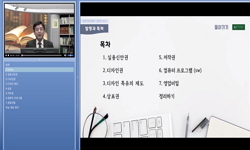
목차 (Table of Contents)
- 목차
- 제1장 서론 = 1
- 제1절 연구의 목적 = 1
- 제2절 연구의 범위 = 2
- 제2장 특허 청구 범위의 해석 = 4
- 목차
- 제1장 서론 = 1
- 제1절 연구의 목적 = 1
- 제2절 연구의 범위 = 2
- 제2장 특허 청구 범위의 해석 = 4
- 제1절 특허 청구범위의 해석 방법 = 4
- 1. 주변 한정 주의 = 4
- 2. 중심 한정 주의 = 5
- 3. 우리나라 특허청 실무 및 대법원 판결 동향 = 7
- 제2절 특허 청구 범위 해석의 일반 원칙 = 8
- 1. 발명의 상세한 설명 참작의 원칙 = 8
- 2. 출원 경과 참작의 원칙 = 9
- 3. 출원시의 기술 수준 참작의 원칙 = 10
- 4. 의식적 제외설 = 12
- 제3장 균등론 = 13
- 제1절 서론 = 13
- 제2절 균등 침해의 성립 요건 = 15
- 1. 치환가능성 = 15
- 2. 치환용이성 = 16
- 3. 요건 적용에 대한 유의점 = 21
- 제3절 균등론 적용의 한계 = 23
- 1. 대상 제품이 공지기술과 동일하다든지 공지기술로부터 용이하게 추고 되는 것이 아닐 것 = 24
- 2. 의식적 제외, 출원 경과 금반언 등의 특단의 사정이 존재하지 않을 것 = 26
- 제4절 금반언의 원칙 = 27
- 1. 균등론과의 관계 = 28
- 2. 이론적 근거 = 29
- 제5절 균등론 원칙 적용의 판단 기준 = 31
- 1. 구성요소 완비의 원칙 = 31
- 2. 요소 대비 방식과 전체 대비 방식 = 32
- 3. 소결 = 34
- 제6절 제한적 균등론 = 34
- 1. 소극적 균등론 = 34
- 2. 기능식 청구항에서의 균등론 = 36
- 제7절 광의의 균등 = 39
- 1. 우회 발명 = 39
- 2. 불완전 이용론 = 41
- 3. 이용발명 = 44
- 제8절 균등론 테스트의 재검토 논의- 바이오테크놀러지 분야 = 46
- 1. 현재 균등론 테스트의 문제점 = 46
- 2. 대안적 규칙 = 50
- 3. 소결 = 52
- 제4장 균등론에 관한 국제적 판례 동향 = 54
- 제1절 미국에서의 균등론 = 54
- 1. 균등론의 성립 요건에 대한 판례 = 55
- 2. 금반언의 원칙에 대한 판례 = 61
- 3. 기능식 청구항과의 관계에 대한 판례 = 75
- 4. 균등론 판단 기준에 대한 판례 = 79
- 제2절 일본에서의 균등론 = 84
- 1. 일본의 균등론 접근 방식 = 84
- 2. 볼 스프라인 사건 = 85
- 제3절 유럽에서의 균등론 = 91
- 1. 조약 제69조와 균등론 = 91
- 2. 영국의 균등론 접근 방식 = 93
- 3. 독일의 균등론 접근 방식 = 95
- 4. EPILADY 사건- 영국과 독일 = 97
- 5. 소결 = 99
- 제5장 우리나라에서의 균등론 = 101
- 제1절 법적 근거 = 101
- 제2절 판례 동향 = 101
- 제3절 균등론의 적용 기준에 대한 판례 = 104
- 1. 특허법원 1998. 9. 17. 선고 98허2160 = 104
- 2. 대법원 2000.7.28.97후2000 권리범위확인(특) = 105
- 3. 특허법원 2000.9.7. 선고 99허9755 = 106
- 4. 소결 = 109
- 제6장 결론 = 111
- 참고문헌 = 114
- ABSTRACT = 118
분석정보



이 자료와 함께 이용한 RISS 자료
나만을 위한 추천자료


