 국립중앙도서관 "우편 복사 서비스"로 연결 됩니다.



 KCI
KCIPurpose The current study provides national cancer statistics and their secular trends in Korea, including incidence, mortality, survival, and prevalence in 2020. Materials and Methods Incidence, survival, and prevalence rates of cancer were calculate...
다국어 입력
あ
ぁ
か
が
さ
ざ
た
だ
な
は
ば
ぱ
ま
や
ゃ
ら
わ
ゎ
ん
い
ぃ
き
ぎ
し
じ
ち
ぢ
に
ひ
び
ぴ
み
り
う
ぅ
く
ぐ
す
ず
つ
づ
っ
ぬ
ふ
ぶ
ぷ
む
ゆ
ゅ
る
え
ぇ
け
げ
せ
ぜ
て
で
ね
へ
べ
ぺ
め
れ
お
ぉ
こ
ご
そ
ぞ
と
ど
の
ほ
ぼ
ぽ
も
よ
ょ
ろ
を
ア
ァ
カ
サ
ザ
タ
ダ
ナ
ハ
バ
パ
マ
ヤ
ャ
ラ
ワ
ヮ
ン
イ
ィ
キ
ギ
シ
ジ
チ
ヂ
ニ
ヒ
ビ
ピ
ミ
リ
ウ
ゥ
ク
グ
ス
ズ
ツ
ヅ
ッ
ヌ
フ
ブ
プ
ム
ユ
ュ
ル
エ
ェ
ケ
ゲ
セ
ゼ
テ
デ
ヘ
ベ
ペ
メ
レ
オ
ォ
コ
ゴ
ソ
ゾ
ト
ド
ノ
ホ
ボ
ポ
モ
ヨ
ョ
ロ
ヲ
―
http://chineseinput.net/에서 pinyin(병음)방식으로 중국어를 변환할 수 있습니다.
변환된 중국어를 복사하여 사용하시면 됩니다.
예시)
- 中文 을 입력하시려면 zhongwen을 입력하시고 space를누르시면됩니다.
- 北京 을 입력하시려면 beijing을 입력하시고 space를 누르시면 됩니다.
А
Б
В
Г
Д
Е
Ё
Ж
З
И
Й
К
Л
М
Н
О
П
Р
С
Т
У
Ф
Х
Ц
Ч
Ш
Щ
Ъ
Ы
Ь
Э
Ю
Я
а
б
в
г
д
е
ё
ж
з
и
й
к
л
м
н
о
п
р
с
т
у
ф
х
ц
ч
ш
щ
ъ
ы
ь
э
ю
я
′
″
℃
Å
¢
£
¥
¤
℉
‰
$
%
F
₩
㎕
㎖
㎗
ℓ
㎘
㏄
㎣
㎤
㎥
㎦
㎙
㎚
㎛
㎜
㎝
㎞
㎟
㎠
㎡
㎢
㏊
㎍
㎎
㎏
㏏
㎈
㎉
㏈
㎧
㎨
㎰
㎱
㎲
㎳
㎴
㎵
㎶
㎷
㎸
㎹
㎀
㎁
㎂
㎃
㎄
㎺
㎻
㎽
㎾
㎿
㎐
㎑
㎒
㎓
㎔
Ω
㏀
㏁
㎊
㎋
㎌
㏖
㏅
㎭
㎮
㎯
㏛
㎩
㎪
㎫
㎬
㏝
㏐
㏓
㏃
㏉
㏜
㏆
https://www.riss.kr/link?id=A108552500
- 저자
- 발행기관
- 학술지명
- 권호사항
-
발행연도
2023
-
작성언어
English
- 주제어
-
등재정보
KCI등재,SCIE,SCOPUS
-
자료형태
학술저널
- 발행기관 URL
-
수록면
385-399(15쪽)
- DOI식별코드
- 제공처
-
0
상세조회 -
0
다운로드
부가정보
다국어 초록 (Multilingual Abstract)

Purpose The current study provides national cancer statistics and their secular trends in Korea, including incidence, mortality, survival, and prevalence in 2020.
Materials and Methods Incidence, survival, and prevalence rates of cancer were calculated using the Korea National Cancer Incidence Database, from 1999 to 2020, with survival follow-up until December 31, 2021. Deaths from cancer were assessed using causes-of-death data obtained from Statistics Korea.
Results The number of new cancer diagnoses in 2020 decreased by 9,218 cases (3.6%) compared to 2019. In 2020, newly diagnosed cancer cases and deaths from cancer were reported as 247,952 (age-standardized rate [ASR], 262.2 per 100,000) and 82,204 (ASR, 69.9 per 100,000), respectively. The overall cancer incidence rates increased by 3.3% annually from 1999 to 2012, and decreased by 5.0% annually from 2012 to 2015, thereafter, followed by nonsignificant changes. Cancer mortality rates have been decreasing since 2002, with more rapid decline in recent years. The 5-year relative survival between 2016 and 2020 was 71.5%, which contributed to prevalent cases reaching over 2.2 million in 2020.
Conclusion In 2020, the number of newly diagnosed cancer patients decreased due to the coronavirus disease 2019 pandemic, but the overall trend is on the rise. Cancer survival rates have improved over the past decades. As the number of cancer survivors increases, a comprehensive cancer control strategy should be implemented in line with the changing aspects of cancer statistics. The long-term impact of the coronavirus disease 2019 pandemic on cancer statistics needs to be investigated in the future.
Materials and Methods Incidence, survival, and prevalence rates of cancer were calculated using the Korea National Cancer Incidence Database, from 1999 to 2020, with survival follow-up until December 31, 2021. Deaths from cancer were assessed using causes-of-death data obtained from Statistics Korea.
Results The number of new cancer diagnoses in 2020 decreased by 9,218 cases (3.6%) compared to 2019. In 2020, newly diagnosed cancer cases and deaths from cancer were reported as 247,952 (age-standardized rate [ASR], 262.2 per 100,000) and 82,204 (ASR, 69.9 per 100,000), respectively. The overall cancer incidence rates increased by 3.3% annually from 1999 to 2012, and decreased by 5.0% annually from 2012 to 2015, thereafter, followed by nonsignificant changes. Cancer mortality rates have been decreasing since 2002, with more rapid decline in recent years. The 5-year relative survival between 2016 and 2020 was 71.5%, which contributed to prevalent cases reaching over 2.2 million in 2020.
Conclusion In 2020, the number of newly diagnosed cancer patients decreased due to the coronavirus disease 2019 pandemic, but the overall trend is on the rise. Cancer survival rates have improved over the past decades. As the number of cancer survivors increases, a comprehensive cancer control strategy should be implemented in line with the changing aspects of cancer statistics. The long-term impact of the coronavirus disease 2019 pandemic on cancer statistics needs to be investigated in the future.
Purpose The current study provides national cancer statistics and their secular trends in Korea, including incidence, mortality, survival, and prevalence in 2020.
Materials and Methods Incidence, survival, and prevalence rates of cancer were calculated using the Korea National Cancer Incidence Database, from 1999 to 2020, with survival follow-up until December 31, 2021. Deaths from cancer were assessed using causes-of-death data obtained from Statistics Korea.
Results The number of new cancer diagnoses in 2020 decreased by 9,218 cases (3.6%) compared to 2019. In 2020, newly diagnosed cancer cases and deaths from cancer were reported as 247,952 (age-standardized rate [ASR], 262.2 per 100,000) and 82,204 (ASR, 69.9 per 100,000), respectively. The overall cancer incidence rates increased by 3.3% annually from 1999 to 2012, and decreased by 5.0% annually from 2012 to 2015, thereafter, followed by nonsignificant changes. Cancer mortality rates have been decreasing since 2002, with more rapid decline in recent years. The 5-year relative survival between 2016 and 2020 was 71.5%, which contributed to prevalent cases reaching over 2.2 million in 2020.
Conclusion In 2020, the number of newly diagnosed cancer patients decreased due to the coronavirus disease 2019 pandemic, but the overall trend is on the rise. Cancer survival rates have improved over the past decades. As the number of cancer survivors increases, a comprehensive cancer control strategy should be implemented in line with the changing aspects of cancer statistics. The long-term impact of the coronavirus disease 2019 pandemic on cancer statistics needs to be investigated in the future.
참고문헌 (Reference)
1 "Statistics Korea" Statistics Korea
2 Young JL Jr, "SEER summary staging manual 2000: codes and coding instructions" National Cancer Institute 2000
3 "Paul Dickman"
4 Hai-Rim Shin ; Young-Joo Won ; Kyu-Won Jung ; Hyun-Joo Kong ; Seon-Hee Yim ; Jung-Kyu Lee ; Hong-In Noh ; Jong-Koo Lee ; Paola Pisani ; Jae-Gahb Park ; Yoon-Ok Ahn ; Soon Yong Lee ; Choong Won Lee ; Ze-Hong Woo ; Tae-Yong Lee ; 최진수 ; Cheol-In Yoo ; Jong-Myon Bae, "Nationwide Cancer Incidence in Korea, 1999~2001; First Result Using the National Cancer Incidence Database" 대한암학회 37 (37): 325-331, 2005
5 World Health Organization, "International statistical classification of diseases and related health problems"
6 Fritz A, "International classification of diseases for oncology" World Health Organization 2013
7 Ederer F, "Instructions to IBM 650 programmers in processing survival computations. Methodological note, No. 10"
8 Ajiki W, "Index for evaluating completeness of registration in population-based cancer registries and estimation of registration rate at the Osaka Cancer Registry between 1966 and 1992 using this index" 45 : 1011-1017, 1998
9 Lee K, "Impact of COVID-19 on cancer screening in South Korea" 12 : 11380-, 2022
10 Ferlay J, "Global cancer observatory: cancer today – data and methods" International Agency for Research on Cancer
1 "Statistics Korea" Statistics Korea
2 Young JL Jr, "SEER summary staging manual 2000: codes and coding instructions" National Cancer Institute 2000
3 "Paul Dickman"
4 Hai-Rim Shin ; Young-Joo Won ; Kyu-Won Jung ; Hyun-Joo Kong ; Seon-Hee Yim ; Jung-Kyu Lee ; Hong-In Noh ; Jong-Koo Lee ; Paola Pisani ; Jae-Gahb Park ; Yoon-Ok Ahn ; Soon Yong Lee ; Choong Won Lee ; Ze-Hong Woo ; Tae-Yong Lee ; 최진수 ; Cheol-In Yoo ; Jong-Myon Bae, "Nationwide Cancer Incidence in Korea, 1999~2001; First Result Using the National Cancer Incidence Database" 대한암학회 37 (37): 325-331, 2005
5 World Health Organization, "International statistical classification of diseases and related health problems"
6 Fritz A, "International classification of diseases for oncology" World Health Organization 2013
7 Ederer F, "Instructions to IBM 650 programmers in processing survival computations. Methodological note, No. 10"
8 Ajiki W, "Index for evaluating completeness of registration in population-based cancer registries and estimation of registration rate at the Osaka Cancer Registry between 1966 and 1992 using this index" 45 : 1011-1017, 1998
9 Lee K, "Impact of COVID-19 on cancer screening in South Korea" 12 : 11380-, 2022
10 Ferlay J, "Global cancer observatory: cancer today – data and methods" International Agency for Research on Cancer
11 Ferlay J, "Global cancer observatory: cancer today" International Agency for Research on Cancer
12 Teglia F, "Global association of COVID-19 pandemic measures with cancer screening : a systematic review and meta-analysis" 8 : 1287-1293, 2022
13 Siegel RL, "Cancer statistics, 2022" 72 : 7-33, 2022
14 Segi M, "Cancer mortality for selected sites in 24 countries(1950-1957)"
15 "Cancer incidence in five continents, Vol. XI. Chapter 7. Age standardization" International Agency for Research on Cancer
16 "Cancer incidence in five continents, Vol. XI. Chapter 3. Classification and coding" International Agency for Research on Cancer
동일학술지(권/호) 다른 논문
-
Clinical Circulating Tumor DNA Testing for Precision Oncology
- 대한암학회
- 김현지
- 2023
- KCI등재,SCIE,SCOPUS
-
- 대한암학회
- 차용준
- 2023
- KCI등재,SCIE,SCOPUS
-
Prediction of Cancer Incidence and Mortality in Korea, 2023
- 대한암학회
- 정규원
- 2023
- KCI등재,SCIE,SCOPUS
-
- 대한암학회
- 정윤선
- 2023
- KCI등재,SCIE,SCOPUS
분석정보
연관 공개강의(KOCW)
-
2014 이러닝 국제 콘퍼런스: Analysis of e-Learning Program Management for Adults in Korea
한국교육정보진흥협회 Don-Min, Choi -
Culture and Environment of Korea : A geography
이화여자대학교 성효현, -
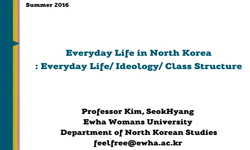
Everyday Life in North Korea
이화여자대학교 김석향 -

The Making of International Law in Korea
K-MOOC 인하대학교 K학술확산연구소 이석우 -

The Making of International Law in Korea
K-MOOC 인하대학교 K학술확산연구소 이석우
이 자료와 함께 이용한 RISS 자료
나만을 위한 추천자료


