 국립중앙도서관 "우편 복사 서비스"로 연결 됩니다.



 스콜라
스콜라After the 1997 foreign exchange crisis, foreigners gained 87 billion dollars and 235 billion dollars from direct investment and stock investment in Korea respectively, while Korea gained 14.5 billion dollars and lost 5.2 billion dollars from direct in...
다국어 입력
あ
ぁ
か
が
さ
ざ
た
だ
な
は
ば
ぱ
ま
や
ゃ
ら
わ
ゎ
ん
い
ぃ
き
ぎ
し
じ
ち
ぢ
に
ひ
び
ぴ
み
り
う
ぅ
く
ぐ
す
ず
つ
づ
っ
ぬ
ふ
ぶ
ぷ
む
ゆ
ゅ
る
え
ぇ
け
げ
せ
ぜ
て
で
ね
へ
べ
ぺ
め
れ
お
ぉ
こ
ご
そ
ぞ
と
ど
の
ほ
ぼ
ぽ
も
よ
ょ
ろ
を
ア
ァ
カ
サ
ザ
タ
ダ
ナ
ハ
バ
パ
マ
ヤ
ャ
ラ
ワ
ヮ
ン
イ
ィ
キ
ギ
シ
ジ
チ
ヂ
ニ
ヒ
ビ
ピ
ミ
リ
ウ
ゥ
ク
グ
ス
ズ
ツ
ヅ
ッ
ヌ
フ
ブ
プ
ム
ユ
ュ
ル
エ
ェ
ケ
ゲ
セ
ゼ
テ
デ
ヘ
ベ
ペ
メ
レ
オ
ォ
コ
ゴ
ソ
ゾ
ト
ド
ノ
ホ
ボ
ポ
モ
ヨ
ョ
ロ
ヲ
―
http://chineseinput.net/에서 pinyin(병음)방식으로 중국어를 변환할 수 있습니다.
변환된 중국어를 복사하여 사용하시면 됩니다.
예시)
- 中文 을 입력하시려면 zhongwen을 입력하시고 space를누르시면됩니다.
- 北京 을 입력하시려면 beijing을 입력하시고 space를 누르시면 됩니다.
А
Б
В
Г
Д
Е
Ё
Ж
З
И
Й
К
Л
М
Н
О
П
Р
С
Т
У
Ф
Х
Ц
Ч
Ш
Щ
Ъ
Ы
Ь
Э
Ю
Я
а
б
в
г
д
е
ё
ж
з
и
й
к
л
м
н
о
п
р
с
т
у
ф
х
ц
ч
ш
щ
ъ
ы
ь
э
ю
я
′
″
℃
Å
¢
£
¥
¤
℉
‰
$
%
F
₩
㎕
㎖
㎗
ℓ
㎘
㏄
㎣
㎤
㎥
㎦
㎙
㎚
㎛
㎜
㎝
㎞
㎟
㎠
㎡
㎢
㏊
㎍
㎎
㎏
㏏
㎈
㎉
㏈
㎧
㎨
㎰
㎱
㎲
㎳
㎴
㎵
㎶
㎷
㎸
㎹
㎀
㎁
㎂
㎃
㎄
㎺
㎻
㎽
㎾
㎿
㎐
㎑
㎒
㎓
㎔
Ω
㏀
㏁
㎊
㎋
㎌
㏖
㏅
㎭
㎮
㎯
㏛
㎩
㎪
㎫
㎬
㏝
㏐
㏓
㏃
㏉
㏜
㏆
https://www.riss.kr/link?id=A82756660
- 저자
- 발행기관
- 학술지명
- 권호사항
-
발행연도
2011
-
작성언어
-
- 주제어
-
KDC
321
-
등재정보
KCI등재
-
자료형태
학술저널
- 발행기관 URL
-
수록면
121-147(27쪽)
- 제공처
-
0
상세조회 -
0
다운로드
인용문이 복사되었습니다.
부가정보
다국어 초록 (Multilingual Abstract)

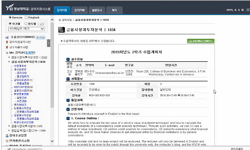
After the 1997 foreign exchange crisis, foreigners gained 87 billion dollars and 235 billion dollars from direct investment and stock investment in Korea respectively, while Korea gained 14.5 billion dollars and lost 5.2 billion dollars from direct investment and stock investment abroad respectively. The difference between the foreigners’ gains in Korea and Koreans’ gains abroad will drive a wedge between Korean GDP and GNI sooner or later. The difference in gains comes from the fact that, for a few years after the crisis, the difference in the rate of return between foreign investment in Korea and Korean investment abroad was very large. The gap is narrowing afterwards, but has not disappeared yet.
After the 1997 foreign exchange crisis, foreigners gained 87 billion dollars and 235 billion dollars from direct investment and stock investment in Korea respectively, while Korea gained 14.5 billion dollars and lost 5.2 billion dollars from direct investment and stock investment abroad respectively. The difference between the foreigners’ gains in Korea and Koreans’ gains abroad will drive a wedge between Korean GDP and GNI sooner or later. The difference in gains comes from the fact that, for a few years after the crisis, the difference in the rate of return between foreign investment in Korea and Korean investment abroad was very large. The gap is narrowing afterwards, but has not disappeared yet.
동일학술지(권/호) 다른 논문
-
- 한국경제발전학회
- 박복영(Park Bokyeong)
- 2011
- KCI등재
-
- 한국경제발전학회
- 김준(Joon Kim)
- 2011
- KCI등재
-
- 韓國經濟發展學會
- 이시균(Si-Kyoon Lee)
- 2011
- KCI등재
-
- 한국경제발전학회
- 권선희(Sun-Hee Kwon)
- 2011
- KCI등재
분석정보




이 자료와 함께 이용한 RISS 자료
나만을 위한 추천자료


