 국립중앙도서관 "우편 복사 서비스"로 연결 됩니다.


 DBpia
DBpia학습은 교육심리학의 주요한 연구주제이자 현장교사들이 가장 관심을 갖는 실천문제 중의 하나이다. 그러나 이제까지 학습은 학습자 당사자 보다는 주로 다른 집단(심리학자, 철학자, 교사 ...
다국어 입력
あ
ぁ
か
が
さ
ざ
た
だ
な
は
ば
ぱ
ま
や
ゃ
ら
わ
ゎ
ん
い
ぃ
き
ぎ
し
じ
ち
ぢ
に
ひ
び
ぴ
み
り
う
ぅ
く
ぐ
す
ず
つ
づ
っ
ぬ
ふ
ぶ
ぷ
む
ゆ
ゅ
る
え
ぇ
け
げ
せ
ぜ
て
で
ね
へ
べ
ぺ
め
れ
お
ぉ
こ
ご
そ
ぞ
と
ど
の
ほ
ぼ
ぽ
も
よ
ょ
ろ
を
ア
ァ
カ
サ
ザ
タ
ダ
ナ
ハ
バ
パ
マ
ヤ
ャ
ラ
ワ
ヮ
ン
イ
ィ
キ
ギ
シ
ジ
チ
ヂ
ニ
ヒ
ビ
ピ
ミ
リ
ウ
ゥ
ク
グ
ス
ズ
ツ
ヅ
ッ
ヌ
フ
ブ
プ
ム
ユ
ュ
ル
エ
ェ
ケ
ゲ
セ
ゼ
テ
デ
ヘ
ベ
ペ
メ
レ
オ
ォ
コ
ゴ
ソ
ゾ
ト
ド
ノ
ホ
ボ
ポ
モ
ヨ
ョ
ロ
ヲ
―
http://chineseinput.net/에서 pinyin(병음)방식으로 중국어를 변환할 수 있습니다.
변환된 중국어를 복사하여 사용하시면 됩니다.
예시)
- 中文 을 입력하시려면 zhongwen을 입력하시고 space를누르시면됩니다.
- 北京 을 입력하시려면 beijing을 입력하시고 space를 누르시면 됩니다.
А
Б
В
Г
Д
Е
Ё
Ж
З
И
Й
К
Л
М
Н
О
П
Р
С
Т
У
Ф
Х
Ц
Ч
Ш
Щ
Ъ
Ы
Ь
Э
Ю
Я
а
б
в
г
д
е
ё
ж
з
и
й
к
л
м
н
о
п
р
с
т
у
ф
х
ц
ч
ш
щ
ъ
ы
ь
э
ю
я
′
″
℃
Å
¢
£
¥
¤
℉
‰
$
%
F
₩
㎕
㎖
㎗
ℓ
㎘
㏄
㎣
㎤
㎥
㎦
㎙
㎚
㎛
㎜
㎝
㎞
㎟
㎠
㎡
㎢
㏊
㎍
㎎
㎏
㏏
㎈
㎉
㏈
㎧
㎨
㎰
㎱
㎲
㎳
㎴
㎵
㎶
㎷
㎸
㎹
㎀
㎁
㎂
㎃
㎄
㎺
㎻
㎽
㎾
㎿
㎐
㎑
㎒
㎓
㎔
Ω
㏀
㏁
㎊
㎋
㎌
㏖
㏅
㎭
㎮
㎯
㏛
㎩
㎪
㎫
㎬
㏝
㏐
㏓
㏃
㏉
㏜
㏆
https://www.riss.kr/link?id=A102749397
- 저자
- 발행기관
- 학술지명
- 권호사항
-
발행연도
2015
-
작성언어
Korean
- 주제어
-
등재정보
KCI등재
-
자료형태
학술저널
- 발행기관 URL
-
수록면
427-458(32쪽)
-
KCI 피인용횟수
3
- DOI식별코드
- 제공처
-
0
상세조회 -
0
다운로드
부가정보
국문 초록 (Abstract)

학습은 교육심리학의 주요한 연구주제이자 현장교사들이 가장 관심을 갖는 실천문제 중의 하나이다. 그러나 이제까지 학습은 학습자 당사자 보다는 주로 다른 집단(심리학자, 철학자, 교사 등)에 의해 개념화되고 연구되어 온 반면, 정작 학습자의 관점에서 학습을 개념화하고 분석한 연구는 매우 드물다. 학습현상의 본질을 파악하기 위해서는 심리학자들의 선-개념을 배제하고, 철저히 학습자의 관점(제2관점)에서 학습을 이해하고 분석하는 것이 필요하다. 이에 이 연구는 학생들이 경험하는 학습의 본질을 탐구하고자하며, 이러한 경험의 구조가 전공영역에 따라 어떻게 달라지는지를 탐색하고자 하였다. 연구는 반구조화된 면담과 기술범주 분석을 이용하는 현상기술학(phenomenography)을 적용하여 진행되었으며, 서울에 소재한 종합사립대학교의 1학년 학생 19명이 연구에 참여하였다. 연구결과, 총 9개의 기술범주(기계적 암기, 의미의 파지, 지식의 증가, 지식의 적용/활용, 미래 삶을 위한 준비, 경험과 활동, 자기 구성적 텍스트 이해, 현상의 이해, 개인의 성장/발전)가 도출되었으며, 이들 학습개념은 학습자가 학습과정에서 무엇에 초점을 두는가에 따라 다시 정보중심, 적용중심, 활동중심, 이해중심, 인간중심으로 재분류되었다. 연구 참여자들은 하나의 학습개념만 보유하고 있는 경우도 드물게 있었지만, 대부분 2개 이상의 학습개념을 복합적으로 가지고 있었다. 이는 학습맥락에 따라 학습경험의 본질이 달라짐을 시사한다. 학습개념에 대한 빈도분석에서 정보중심, 적용중심 학습개념에서는 인문사회와 이공계열 간에 두드러진 차이가 나타나지 않았지만, 이해중심, 인간중심 학습개념은 주로 사범계 학생들에게서 나타나 교육과정과 교육활동의 영향을 암시적으로 보여주고 있다. 연구결과에 기초하여, 대학생의 학습개념에 대한 이해의 중요성과 교육실천을 위한 시사점이 제시되었다.
학습은 교육심리학의 주요한 연구주제이자 현장교사들이 가장 관심을 갖는 실천문제 중의 하나이다. 그러나 이제까지 학습은 학습자 당사자 보다는 주로 다른 집단(심리학자, 철학자, 교사 등)에 의해 개념화되고 연구되어 온 반면, 정작 학습자의 관점에서 학습을 개념화하고 분석한 연구는 매우 드물다. 학습현상의 본질을 파악하기 위해서는 심리학자들의 선-개념을 배제하고, 철저히 학습자의 관점(제2관점)에서 학습을 이해하고 분석하는 것이 필요하다. 이에 이 연구는 학생들이 경험하는 학습의 본질을 탐구하고자하며, 이러한 경험의 구조가 전공영역에 따라 어떻게 달라지는지를 탐색하고자 하였다. 연구는 반구조화된 면담과 기술범주 분석을 이용하는 현상기술학(phenomenography)을 적용하여 진행되었으며, 서울에 소재한 종합사립대학교의 1학년 학생 19명이 연구에 참여하였다. 연구결과, 총 9개의 기술범주(기계적 암기, 의미의 파지, 지식의 증가, 지식의 적용/활용, 미래 삶을 위한 준비, 경험과 활동, 자기 구성적 텍스트 이해, 현상의 이해, 개인의 성장/발전)가 도출되었으며, 이들 학습개념은 학습자가 학습과정에서 무엇에 초점을 두는가에 따라 다시 정보중심, 적용중심, 활동중심, 이해중심, 인간중심으로 재분류되었다. 연구 참여자들은 하나의 학습개념만 보유하고 있는 경우도 드물게 있었지만, 대부분 2개 이상의 학습개념을 복합적으로 가지고 있었다. 이는 학습맥락에 따라 학습경험의 본질이 달라짐을 시사한다. 학습개념에 대한 빈도분석에서 정보중심, 적용중심 학습개념에서는 인문사회와 이공계열 간에 두드러진 차이가 나타나지 않았지만, 이해중심, 인간중심 학습개념은 주로 사범계 학생들에게서 나타나 교육과정과 교육활동의 영향을 암시적으로 보여주고 있다. 연구결과에 기초하여, 대학생의 학습개념에 대한 이해의 중요성과 교육실천을 위한 시사점이 제시되었다.
다국어 초록 (Multilingual Abstract)
Learning is a major research topic in educational psychology and one of the most frequently tackled questions among teachers in the educational setting. While learning has been conceptualized and studied from the perspectives of psychologists, philosophers, teachers, etc., a few research investigated learning from the student``s perspective. To inquire the nature of the phenomenon of learning, it is necessary to understand and analyze learning from the learner``s point of view (the second-order perspective). This study aims at exploring the structure of the student``s experiences of learning in the higher educational setting and examining how it differs as to the student``s field of study. Nineteen freshmen from a private university located in Seoul participated in the study, and a phenomenography as a research method was employed. As a result of data analyses, a total of 9 categories of description were extracted: mechanical memorization, retention of meaning, accumulation of knowledge, application of knowledge, preparation for a future life, experience and activity, self-constructive understanding of the text, understanding of phenomena, and personal growth. These categories were restructured into five clusters of conceptions, based on the hierarchical relation of the categories of description, each focusing on information, application of knowledge, learning as an activity, understanding, and person, respectively. The frequency analysis revealed that the participants had multiple conceptions of learning rather than maintaining a single conception across contexts, suggesting that the nature of experiences of learning differs as to the context of learning. No prominent differences were found between the fields of study in the information- and application-centered conceptions of learning while understanding- and person-centered conceptions of learning were pronounced among pre-service teachers, implying the influences of the curriculum and educational practices. Based on the findings, the importance to understand college students`` conceptions of learning and implications for educational practice were discussed.
Learning is a major research topic in educational psychology and one of the most frequently tackled questions among teachers in the educational setting. While learning has been conceptualized and studied from the perspectives of psychologists, philoso...
Learning is a major research topic in educational psychology and one of the most frequently tackled questions among teachers in the educational setting. While learning has been conceptualized and studied from the perspectives of psychologists, philosophers, teachers, etc., a few research investigated learning from the student``s perspective. To inquire the nature of the phenomenon of learning, it is necessary to understand and analyze learning from the learner``s point of view (the second-order perspective). This study aims at exploring the structure of the student``s experiences of learning in the higher educational setting and examining how it differs as to the student``s field of study. Nineteen freshmen from a private university located in Seoul participated in the study, and a phenomenography as a research method was employed. As a result of data analyses, a total of 9 categories of description were extracted: mechanical memorization, retention of meaning, accumulation of knowledge, application of knowledge, preparation for a future life, experience and activity, self-constructive understanding of the text, understanding of phenomena, and personal growth. These categories were restructured into five clusters of conceptions, based on the hierarchical relation of the categories of description, each focusing on information, application of knowledge, learning as an activity, understanding, and person, respectively. The frequency analysis revealed that the participants had multiple conceptions of learning rather than maintaining a single conception across contexts, suggesting that the nature of experiences of learning differs as to the context of learning. No prominent differences were found between the fields of study in the information- and application-centered conceptions of learning while understanding- and person-centered conceptions of learning were pronounced among pre-service teachers, implying the influences of the curriculum and educational practices. Based on the findings, the importance to understand college students`` conceptions of learning and implications for educational practice were discussed.
참고문헌 (Reference)
1 Marton, F., "‘Read a hundred times and the meaning will appear. . . ’ Changes in Chinese university students’ views of the temporal structure of learning" 49 : 291-318, 2005
2 Wertsch, J. V., "Vygotsky and the social formation of mind" Harvard University Press 1985
3 Åkerlind, G. S., "Variation and commonality in phenomenographic research methods" 31 (31): 115-127, 2012
4 Donald, J. G., "University professors' views of knowledge and validation processes" 82 (82): 242-249, 1990
5 Entwistle, A., "Understanding student learning" Croom Helm 1983
6 Watkins, D., "The-Asian-learner-as-a-rote-learner stereotype: Myth or reality?" 11 : 21-34, 1991
7 Biggs, J. B., "The learning process questionnaire (LPQ): Manual" Australian Council for Educational Research 1987
8 Kember, D., "The intention to both memorize and understand: Another approach to learning?" 31 : 341-351, 1996
9 Case, R., "The handbook of education and human development: New models of learning, teaching and schooling" Basil Blackwell 75-99, 1996
10 Bereiter, C., "The handbook of education and human development: New models of learning, teaching and schooling" Basil Blackwell 485-513, 1996
1 Marton, F., "‘Read a hundred times and the meaning will appear. . . ’ Changes in Chinese university students’ views of the temporal structure of learning" 49 : 291-318, 2005
2 Wertsch, J. V., "Vygotsky and the social formation of mind" Harvard University Press 1985
3 Åkerlind, G. S., "Variation and commonality in phenomenographic research methods" 31 (31): 115-127, 2012
4 Donald, J. G., "University professors' views of knowledge and validation processes" 82 (82): 242-249, 1990
5 Entwistle, A., "Understanding student learning" Croom Helm 1983
6 Watkins, D., "The-Asian-learner-as-a-rote-learner stereotype: Myth or reality?" 11 : 21-34, 1991
7 Biggs, J. B., "The learning process questionnaire (LPQ): Manual" Australian Council for Educational Research 1987
8 Kember, D., "The intention to both memorize and understand: Another approach to learning?" 31 : 341-351, 1996
9 Case, R., "The handbook of education and human development: New models of learning, teaching and schooling" Basil Blackwell 75-99, 1996
10 Bereiter, C., "The handbook of education and human development: New models of learning, teaching and schooling" Basil Blackwell 485-513, 1996
11 Marton, F., "The handbook of education and human development: New models of learning, teaching and schooling" 534-564, 1996
12 Entwistle, N., "The experiences of learning" Scottish Academic Press 1997
13 Morgan, A., "The experiences of learning" Scottish Academic Press 217-237, 1997
14 Tirri, K., "The epistemological stance between the knower and the known" 15 : 911-922, 1999
15 Waterhouse, F., "Students’ experiences of understanding university physics" 2000
16 Perkins, M., "Student teachers’ perceptions of reading and the teaching of reading : The implication for teacher education" 36 (36): 293-306, 2013
17 Fyrenius, A., "Student approaches to achieving understanding-approaches to learning revisited" 32 (32): 149-165, 2007
18 Lave, J., "Situated learning: Legitimate peripheral participation" Cambridge University Press 1988
19 Marton, F., "Qualitative differences in learning : Outcome and process" 46 : 115-127, 1976
20 Entwistle, A., "Preparing for examinations : The interplay of memorizing and understanding, and the development of knowledge objects" 22 (22): 19-41, 2003
21 Trigwell, K., "Phenomenography: Variation and discernment in improving student learning" 75-85, 2000
22 Marton, F., "Phenomenography : Describing conceptions of the world around us" 10 : 177-200, 1981
23 Marton, F., "Phenomenography : A research approach to investigating different understandings of reality" 21 (21): 28-49, 1986
24 Walsh, E., "Phenomenographic research: Variations in method" EQARD 17-30, 1994
25 Bowden, J. A., "Phenomenographic research: Variations in method" EQARD 44-55, 1994
26 Hammer, D., "Personal epistemology: The psychology of beliefs about knowledge and knowing" Lawrence Erlbaum Association 169-190, 2002
27 Zhao, X., "Overseas postgraduates’ experiences of learning: A phenomenographic study" 2 (2): 82-95, 2015
28 Marton, P., "On the unit of description in phenomenography" 24 : 335-348, 2005
29 Pang, M., "Learning theory as teaching resource : Enhancing students' understanding of economic concepts" 33 : 159-191, 2005
30 Marton, F., "Learning strategies and learning styles" Plenum Press 53-82, 1988
31 Säljö, R., "Learning in the learner's perspective. I. Some common-sense conceptions" Department of Education, University of Göteborg 1979
32 Marton, F., "Learning and awareness" Lawrence Erlbaum 1997
33 Säljö, R., "Learning about learning" 8 : 443-451, 1979
34 Säljö, R., "Improving learning: New perspectives" Kogan Page 32-48, 1988
35 Sormunen, K., "From epistemological constraints towards epistemological resources in the science classroom" 4 (4): 23-34, 2008
36 Entwistle, A., "Experiences of understanding in revising for degree examination" 2 (2): 1-22, 1992
37 Cope, C., "Ensuring validity and reliability in phenomenographic research using the analytical framework of a structure of awareness" 4 (4): 5-18, 2004
38 Bowden, J. A., "Doing developmental phenomenography" RMIT University Press 11-31, 2005
39 Marton, F., "Discontinuities and continuities in the experience of learning : An interview study of high-school students in Honk Kong" 7 : 21-48, 1997
40 Hofer, B. K., "Dimensionality and disciplinary differences in personal epistemology" 25 : 378-405, 2000
41 Guba, E., "Criteria for assessing the trustworthiness of naturalistic inquiries" 29 : 75-91, 1981
42 Engeström, Y., "Contemporary theories of learning: Learning theorists... in their own words" Taylor and Francis Group 53-73, 2009
43 Marton, F., "Conceptions of learning" 19 : 277-300, 1993
44 McLean, M., "Can we relate conceptions of learning to student academic achievement?" 6 (6): 399-413, 2001
45 Sandberg, J., "Are phenomenographic results reliable?" 16 (16): 203-212, 1997
46 Watkins, D., "Approaches to learning of Nigerian secondary school children: Emic and etic perspectives" 29 : 165-182, 1994
47 Entwistle, N., "Approaches to learning and perceptions of the learning environment : Introduction to special issue" 22 : 201-204, 1991
48 Rogoff, B., "Apprenticeship in thinking: Cognitive development in social contexts" Oxford University Press 1990
49 Watkins, D., "An investigation of the approach to learning of Nepalese tertiary students" 20 : 459-469, 1990
동일학술지(권/호) 다른 논문
-
- 한국교육심리학회
- 박병기(Byunggee Bak)
- 2015
- KCI등재
-
놀이기반 학습전략프로그램이 저소득가정 초등학생의 학습습관과 학업적 자기효능감에 미치는 효과
- 한국교육심리학회
- 심효진(Hyojin Shim)
- 2015
- KCI등재
-
멀티미디어 상황에서 애니메이션이 지식착각과 수행에 미치는 효과
- 한국교육심리학회
- 김정아(Jeongah Kim)
- 2015
- KCI등재
-
반사회-친사회적 딜레마 갈등 상황에서 청소년의 행동선택과 정당화 방식 대응분석 연구
- 한국교육심리학회
- 장희선(Heesun Chang)
- 2015
- KCI등재
분석정보
인용정보 인용지수 설명보기
학술지 이력
| 연월일 | 이력구분 | 이력상세 | 등재구분 |
|---|---|---|---|
| 2026 | 평가 | 재인증평가 신청대상 (재인증) | |
| 2020-01-01 | 등재 | 등재학술지 유지 (재인증) |  |
| 2017-01-01 | 등재 | 등재학술지 유지 (계속평가) | |
| 2013-01-01 | 등재 | 등재학술지 유지 (등재유지) | |
| 2010-01-01 | 등재 | 등재학술지 유지 (등재유지) | |
| 2008-01-01 | 등재 | 등재학술지 유지 (등재유지) | |
| 2005-06-16 | 학술지등록 | 한글명 : 교육심리연구외국어명 : Korean Journal of Educational Psychology | |
| 2005-01-01 | 등재 | 등재학술지 선정 (등재후보2차) | |
| 2004-01-01 | 등재 | 등재후보 1차 PASS (등재후보1차) |  |
| 2003-01-01 | 등재 | 등재후보학술지 유지 (등재후보1차) | |
| 2002-01-01 | 등재 | 등재후보학술지 유지 (등재후보1차) | |
| 1999-01-01 | 등재 | 등재후보학술지 선정 (신규평가) | |
학술지 인용정보
| 기준연도 | WOS-KCI 통합IF(2년) | KCIF(2년) | KCIF(3년) |
|---|---|---|---|
| 2016 | 2.39 | 2.39 | 2.59 |
| KCIF(4년) | KCIF(5년) | 중심성지수(3년) | 즉시성지수 |
| 2.75 | 3.18 | 3.128 | 0.42 |
연관 공개강의(KOCW)
-

AI시대의 고등교육, 어떻게 해야 할까
신한대학교 신종우 -

종합토론 : 고등교육 혁신지원을 위한 대학원격교육지원센터(UDEC) 발전 방안
한국교육학술정보원 이태억, 김정숙, 김현철, 박주병, 서순식, 장상현 -
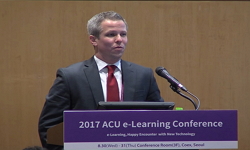
2017 ACU 이러닝 국제 콘퍼런스
한국교육학술정보원 션 코너(Sean Connor), 아베리노 메지아(Avelino A. Mejia Jr.), 멜린다 델라페나 반달라리아(Melinda dela Pena Bandalaria), 가또 하리 쁘리오잔또 -

글로벌 인재포럼 2007: 고등교육의 질 관리
글로벌 인재포럼 Barbara Ischinger,, Peck Cho, Director, Roger Benjamin -

2011 Asian and Africa Womens conference
숙명여자대학교 한영실
이 자료와 함께 이용한 RISS 자료
나만을 위한 추천자료


