 국립중앙도서관 "우편 복사 서비스"로 연결 됩니다.


 KISS
KISSThe purpose of this study was to analyze elementary students` satisfaction and problem awareness on CBT. Elementary students from fourth through sixth grade students participated in this study, all quantitative data were collected through a questionna...
다국어 입력
あ
ぁ
か
が
さ
ざ
た
だ
な
は
ば
ぱ
ま
や
ゃ
ら
わ
ゎ
ん
い
ぃ
き
ぎ
し
じ
ち
ぢ
に
ひ
び
ぴ
み
り
う
ぅ
く
ぐ
す
ず
つ
づ
っ
ぬ
ふ
ぶ
ぷ
む
ゆ
ゅ
る
え
ぇ
け
げ
せ
ぜ
て
で
ね
へ
べ
ぺ
め
れ
お
ぉ
こ
ご
そ
ぞ
と
ど
の
ほ
ぼ
ぽ
も
よ
ょ
ろ
を
ア
ァ
カ
サ
ザ
タ
ダ
ナ
ハ
バ
パ
マ
ヤ
ャ
ラ
ワ
ヮ
ン
イ
ィ
キ
ギ
シ
ジ
チ
ヂ
ニ
ヒ
ビ
ピ
ミ
リ
ウ
ゥ
ク
グ
ス
ズ
ツ
ヅ
ッ
ヌ
フ
ブ
プ
ム
ユ
ュ
ル
エ
ェ
ケ
ゲ
セ
ゼ
テ
デ
ヘ
ベ
ペ
メ
レ
オ
ォ
コ
ゴ
ソ
ゾ
ト
ド
ノ
ホ
ボ
ポ
モ
ヨ
ョ
ロ
ヲ
―
http://chineseinput.net/에서 pinyin(병음)방식으로 중국어를 변환할 수 있습니다.
변환된 중국어를 복사하여 사용하시면 됩니다.
예시)
- 中文 을 입력하시려면 zhongwen을 입력하시고 space를누르시면됩니다.
- 北京 을 입력하시려면 beijing을 입력하시고 space를 누르시면 됩니다.
А
Б
В
Г
Д
Е
Ё
Ж
З
И
Й
К
Л
М
Н
О
П
Р
С
Т
У
Ф
Х
Ц
Ч
Ш
Щ
Ъ
Ы
Ь
Э
Ю
Я
а
б
в
г
д
е
ё
ж
з
и
й
к
л
м
н
о
п
р
с
т
у
ф
х
ц
ч
ш
щ
ъ
ы
ь
э
ю
я
′
″
℃
Å
¢
£
¥
¤
℉
‰
$
%
F
₩
㎕
㎖
㎗
ℓ
㎘
㏄
㎣
㎤
㎥
㎦
㎙
㎚
㎛
㎜
㎝
㎞
㎟
㎠
㎡
㎢
㏊
㎍
㎎
㎏
㏏
㎈
㎉
㏈
㎧
㎨
㎰
㎱
㎲
㎳
㎴
㎵
㎶
㎷
㎸
㎹
㎀
㎁
㎂
㎃
㎄
㎺
㎻
㎽
㎾
㎿
㎐
㎑
㎒
㎓
㎔
Ω
㏀
㏁
㎊
㎋
㎌
㏖
㏅
㎭
㎮
㎯
㏛
㎩
㎪
㎫
㎬
㏝
㏐
㏓
㏃
㏉
㏜
㏆

RISS 인기검색어

CBT(Computer Based Test)에 대한 초등학생들의 만족도 및 문제점 인식 분석 = An Analysis of Elementary Students` Satisfaction and Problem Awareness on Computer Based Test
한글로보기https://www.riss.kr/link?id=A76547548
- 저자
- 발행기관
- 학술지명
- 권호사항
-
발행연도
2009
-
작성언어
-
- 주제어
-
KDC
300
-
등재정보
KCI등재
-
자료형태
학술저널
-
수록면
185-215(31쪽)
-
KCI 피인용횟수
5
- 제공처
-
0
상세조회 -
0
다운로드
부가정보
다국어 초록 (Multilingual Abstract)

The purpose of this study was to analyze elementary students` satisfaction and problem awareness on CBT. Elementary students from fourth through sixth grade students participated in this study, all quantitative data were collected through a questionnaire survey. Furthermore, the present study explores the students` satisfaction and problem awareness on CBT-learning effectiveness, evaluation system, evaluation atmosphere, and solving the questions. Finding indicated that elementary students were contented with the CBT use, but they also recognized the CBT problems. According to the result, students expressed a positive awareness to the questions of CBT satisfaction. The satisfaction rate was high in evaluation atmosphere and learning effectiveness, evaluation system and solving the questions were slightly above the mediocrity. However, the satisfaction rate was relatively low and problem rate high at the evaluation system and solving the questions. There were the highs and lows in the satisfaction rate with evaluation system on the grade and the distinction of sex. The results of this study will help to develop CBT in elementary school, and furnish useful information to the CBT interested.
The purpose of this study was to analyze elementary students` satisfaction and problem awareness on CBT. Elementary students from fourth through sixth grade students participated in this study, all quantitative data were collected through a questionnaire survey. Furthermore, the present study explores the students` satisfaction and problem awareness on CBT-learning effectiveness, evaluation system, evaluation atmosphere, and solving the questions. Finding indicated that elementary students were contented with the CBT use, but they also recognized the CBT problems. According to the result, students expressed a positive awareness to the questions of CBT satisfaction. The satisfaction rate was high in evaluation atmosphere and learning effectiveness, evaluation system and solving the questions were slightly above the mediocrity. However, the satisfaction rate was relatively low and problem rate high at the evaluation system and solving the questions. There were the highs and lows in the satisfaction rate with evaluation system on the grade and the distinction of sex. The results of this study will help to develop CBT in elementary school, and furnish useful information to the CBT interested.
참고문헌 (Reference)
1 김희배, "학교현장에서의 e-러닝에 대한 수요자 요구 분석-교사와 학생의 인식 및 태도를 중심으로-" 한국교육정보미디어학회 11 (11): 221-249, 2005
2 류지헌, "태블릿 PC 기반의 디지털교과서 수업에 대한교실생태학적 분석" 한국교육공학회 24 (24): 271-297, 2008
3 조성호, "컴퓨터 적응형 알고리즘을 이용한 웹기반 시험 시스템 설계 및 구축" 한국컴퓨터교육학회 7 (7): 69-76, 2004
4 김인석, "컴퓨터 기저 영어 테스트의 국내․외 연구 동향과 수행형 초등영어 CALT 듣기 평가도구 개발 방향의 제시" 9 : 55-87, 2003
5 권성호, "초등학교 사이버가정학습의 만족도와 효과성 분석- 학생, 교사, 학부모를 중심으로 -" 한국교육정보미디어학회 12 (12): 105-130, 2006
6 이원규, "정보교육론" 홍릉과학출판사 2007
7 염용철, "정보 교육에서의 사용성(Usability) 향상을 위한 웹기반 평가시스템 PAS의 설계 및 구현" 한국컴퓨터교육학회 11 (11): 1-10, 2008
8 김은정, "웹기반 학습 시스템의 평가 문제에 대한 출제 방법 및 난이도 재조정에 대한 연구" 한국정보처리학회 12 (12): 471-480, 2005
9 이명희, "웹기반 일본어 청해력 향상을 위한 자율학습 평가시스템" 한국일본어문학회 (20) : 87-110, 2004
10 김남희, "웹 기반 학습 및 평가시스템 구현" 3 (3): 31-35, 2005
1 김희배, "학교현장에서의 e-러닝에 대한 수요자 요구 분석-교사와 학생의 인식 및 태도를 중심으로-" 한국교육정보미디어학회 11 (11): 221-249, 2005
2 류지헌, "태블릿 PC 기반의 디지털교과서 수업에 대한교실생태학적 분석" 한국교육공학회 24 (24): 271-297, 2008
3 조성호, "컴퓨터 적응형 알고리즘을 이용한 웹기반 시험 시스템 설계 및 구축" 한국컴퓨터교육학회 7 (7): 69-76, 2004
4 김인석, "컴퓨터 기저 영어 테스트의 국내․외 연구 동향과 수행형 초등영어 CALT 듣기 평가도구 개발 방향의 제시" 9 : 55-87, 2003
5 권성호, "초등학교 사이버가정학습의 만족도와 효과성 분석- 학생, 교사, 학부모를 중심으로 -" 한국교육정보미디어학회 12 (12): 105-130, 2006
6 이원규, "정보교육론" 홍릉과학출판사 2007
7 염용철, "정보 교육에서의 사용성(Usability) 향상을 위한 웹기반 평가시스템 PAS의 설계 및 구현" 한국컴퓨터교육학회 11 (11): 1-10, 2008
8 김은정, "웹기반 학습 시스템의 평가 문제에 대한 출제 방법 및 난이도 재조정에 대한 연구" 한국정보처리학회 12 (12): 471-480, 2005
9 이명희, "웹기반 일본어 청해력 향상을 위한 자율학습 평가시스템" 한국일본어문학회 (20) : 87-110, 2004
10 김남희, "웹 기반 학습 및 평가시스템 구현" 3 (3): 31-35, 2005
11 서울시교육연구정보원, "사이버자율평가 안내 자료"
12 박성희, "사이버가정학습의 효과성 인식과 만족도 연구" 한국교육공학회 23 (23): 59-87, 2007
13 조규락, "사이버가정학습에 대한 학생들의 만족도 및 효과성 인식 분석: 경상북도 사이버가정학습을 중심으로" 한국교육정보미디어학회 13 (13): 159-188, 2007
14 김용, "사이버가정학습 효과성 증진을 위한 학습자 만족도 평가 준거 개발" 한국컴퓨터교육학회 10 (10): 61-68, 2007
15 유선경, "교수방법 효율화를 위한 웹 기반 진단평가 시스템 설계 및 구현" 한국컴퓨터교육학회 6 (6): 197-205, 2003
16 한순미, "개별화 교수-학습에서의 평가 방안 : 역동적 평가를 중심으로" 한국교육방법학회 20 (20): 49-73, 2008
17 "http://escholarship.bc.edu/cgi/viewcontent.cgi?article=1090&context= jtla"
18 "http://escholarship.bc.edu/cgi/"
19 "http://epaa.asu.edu/epaa/v7n20"
20 Daiute,C, "Writing and computers.Reading" Addison-Wesley Publishing Co 1985
21 Morocco, C. C, "Word processors and the acquisition of writing strategies" 19 (19): 243-248, 1986
22 Wang,T.H, "What strategies are effective for formative assessment in an e-learning environment?" 23 (23): 171-186, 2007
23 장승주, "VoiceXML 기반 영어 교육 평가 시스템 설계 및 구현" 한국컴퓨터교육학회 8 (8): 75-83, 2005
24 Huff, K. L., "Validity issues in computer-based testing" 20 (20): 16-25, 2001
25 ones, V., "Ubiquitous learning environment: an adaptive teaching system using ubiquitous technology" 2004
26 Pomplun, M., "The score comparability of computerized and paper-and-pencil formats for K-3 reading tests" 32 (32): 153-166, 2005
27 Bunderson, C. V., "The four generations of computerized educational measurement.In Educational measurement (3rd ed.)" American Council on Education – Macmillan 1989
28 Mazzeo, J., "The equivalence of scores from automated and conventional educational and psychological tests" College Entrance Examination Board 1988
29 Bugbee,A.C, "The equivalence of paper-and-pencil and computer-based testing" 28 (28): 282-299, 1996
30 Lee, J., "The effects of past computer experience on computerized aptitude test performance" 46 : 727-733, 1986
31 Mahar, D., "The effects of computer anxiety, and computer experience on users’ performance of computer based tasks" 22 (22): 683-692, 1997
32 Smith, B., "The development of the attitude towards computerized assessment scale" 31 (31): 407-422, 2004
33 Lilley, M., "The development and evaluation of a computer-adaptive testing application for English language" 2002
34 Triantafillou, E., "The design and evaluation of a computerized adaptive test on mobile devices" 50 (50): 1319-1330, 2008
35 Russell, M., "Testing writing on computers: An experiment comparing student performance on tests conducted via computer and via paper-and-pencil"
36 Russell,M, "Testing writing on computers: A follow-up study comparing performance on computer and on paper" 7 (7): 1999
37 Trotter,A, "Testing firms see future market in online assessement"
38 Krantz,J.H, "Tell me, what did you see the stimulus on computers. Behavior Research Methods" 32 (32): 221-229, 2000
39 Smoline,D.V, "Some problems of computer-aided testing and ‘interview-like tests’" 51 (51): 745-756, 2008
40 Paek,P, "Recent trends in comparability studies: Pearson educational measurement"
41 Anastasi, A., "Psychological testing.Upper Saddle River" Prentice-Hall 1997
42 lariana, R., "Paper-based versus computer-based assessment: Key factors associated with the test mode effect" 33 (33): 593-602, 2002
43 Johnson, M., "On-line mathematics assessment: The impact of mode on performance and question answering strategies" Available from: 4 (4): 2006
44 Luvai,F.M, "Mobile learning: A framework and evaluation" 49 (49): 581-596, 2007
45 Russo,A, "Mixing technology and testing" 59 (59): 6-12, 2002
46 Threlfall, J., "Implicit aspects of paper and pencil mathematics assessment that come to light through the use of the computer" 66 (66): 335-348, 2007
47 Lockyer, L., "ICT in higher education: Evaluating outcomes for health education" 17 : 275-283, 2001
48 Meng, A., "Genetic algorithm based multi-agent system applied to test generation" 49 (49): 1205-1223, 2007
49 Choi, S. W., "Evaluating comparability of paper-and-pencil and computer-based assessment in a K-12 setting"
50 Macedo-Rouet, M., "Effects of online reading on popular science comprehension" 25 (25): 99-128, 2003
51 Gu, L., "Differential item functioning of GRE mathematics items across computerized and paper-and-pencil testing media" Available from: 5 (5): 2006
52 Kveton, P., "Computer-based tests: The impact of test design and problem of equivalency" 23 (23): 32-51, 2004
53 Mills,C.N, "Computer-based testing: Building the foundation for future assessment" Lawrence Erlbaum 2002
54 Akdemir, O., "Computer-based testing: An alternative for the assessment of Turkish undergraduate students" 51 (51): 1198-1204, 2008
55 Thelwall, M, "Computer-based assessment: a versatile educational tool" 34 (34): 37-49, 0000
56 Chua, S. L., "Computer anxiety and its correlates: A meta-analysis" 15 : 609-623, 1999
57 Nakazawa, S., "Association between duration of daily VDT use and subjective symptoms" 10 (10): 421-426, 2002
58 Eid,G.K, "An investigation into the effects and factors influencing computer-based online math problem-solving in primary schools" 33 (33): 223-240, 2004
59 Lilley, M., "An evaluation of a computer adaptive test in a UKuniversity context" 2003
60 Huang, Y. M., "An adaptive testing system for supporting versatile educational assessment" 52 (52): 53-67, 2009
61 Segall, N., "A usability comparison of PDA-based quizzes and paper-and-pencil quizzes" 45 (45): 417-432, 2005
62 Hwang, G. J., "A tabu search approach to generating test sheets for multiple assessment criteria" 49 (49): 88-97, 2006
동일학술지(권/호) 다른 논문
-
부설초등학교 교사들이 지각하는 전문성의 성격과 발달 -부산교육대학교 부설초등학교를 중심으로-
- 한국초등교육학회
- 박채형 ( Sang Wan Park )
- 2009
- KCI등재
-
- 한국초등교육학회
- 신문승 ( Moon Seung Shin )
- 2009
- KCI등재
-
- 한국초등교육학회
- 진동섭 ( Dong Seop Jin )
- 2009
- KCI등재
-
- 한국초등교육학회
- 박길자 ( Gil Ja Park )
- 2009
- KCI등재
분석정보
인용정보 인용지수 설명보기
학술지 이력
| 연월일 | 이력구분 | 이력상세 | 등재구분 |
|---|---|---|---|
| 2027 | 평가 | 재인증평가 신청대상 (재인증) | |
| 2021-01-01 | 등재 | 등재학술지 유지 (재인증) | |
| 2018-01-01 | 등재 | 등재학술지 유지 (등재유지) | |
| 2015-01-01 | 등재 | 등재학술지 유지 (등재유지) | |
| 2011-01-01 | 등재 | 등재학술지 유지 (등재유지) | |
| 2009-01-01 | 등재 | 등재학술지 유지 (등재유지) | |
| 2007-01-01 | 등재 | 등재학술지 유지 (등재유지) | |
| 2004-01-01 | 등재 | 등재학술지 선정 (등재후보2차) | |
| 2003-01-01 | 등재 | 등재후보 1차 PASS (등재후보1차) |  |
| 2001-07-01 | 등재 | 등재후보학술지 선정 (신규평가) | |
학술지 인용정보
| 기준연도 | WOS-KCI 통합IF(2년) | KCIF(2년) | KCIF(3년) |
|---|---|---|---|
| 2016 | 1.84 | 1.84 | 1.82 |
| KCIF(4년) | KCIF(5년) | 중심성지수(3년) | 즉시성지수 |
| 1.82 | 1.8 | 2.264 | 0.23 |
연관 공개강의(KOCW)
-
2014 이러닝 국제 콘퍼런스: Analysis of e-Learning Program Management for Adults in Korea
한국교육정보진흥협회 Don-Min, Choi -
2014 이러닝 국제 콘퍼런스 : Understand Seniors’ Motivation in e-Learning through
한국교육정보진흥협회 Thomas Kuan -
2014 이러닝 국제 콘퍼런스 : Developing the PETAL e-Learning Platform~
한국교육정보진흥협회 Vincent Tam -
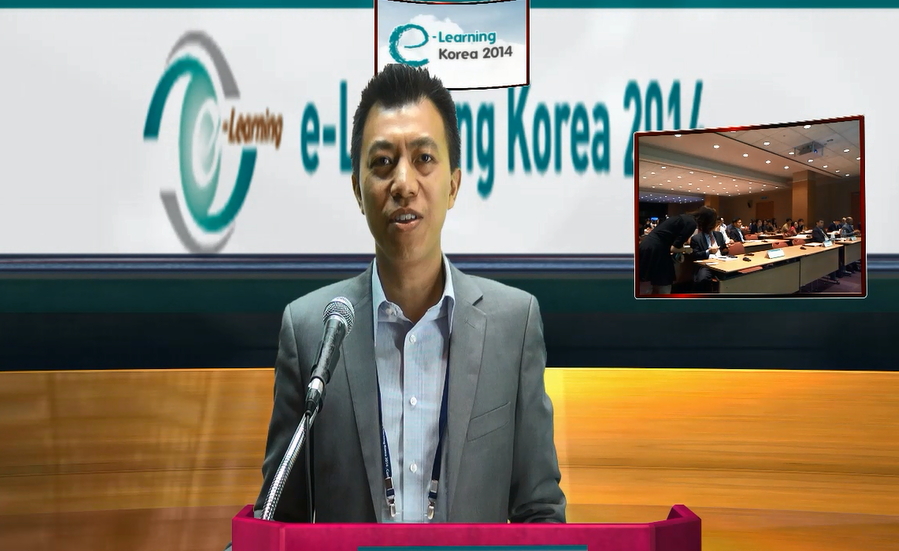
2014 이러닝 국제 콘퍼런스 : Education Technology with Moonshot Thinking
한국교육학술정보원 Suan Yeo -

2014 이러닝 국제 콘퍼런스 : Utilizing Education System through Open Source: Using Columbia Case
한국교육학술정보원 In-Sik, Yoo
이 자료와 함께 이용한 RISS 자료
나만을 위한 추천자료


