 국립중앙도서관 "우편 복사 서비스"로 연결 됩니다.



This dissertation contains three essays relating to learning in the workplace. In the first essay, I develop a framework to distinguish empirically between two learning processes that take place in the workplace: learning-by-doing and learning about ...
다국어 입력
あ
ぁ
か
が
さ
ざ
た
だ
な
は
ば
ぱ
ま
や
ゃ
ら
わ
ゎ
ん
い
ぃ
き
ぎ
し
じ
ち
ぢ
に
ひ
び
ぴ
み
り
う
ぅ
く
ぐ
す
ず
つ
づ
っ
ぬ
ふ
ぶ
ぷ
む
ゆ
ゅ
る
え
ぇ
け
げ
せ
ぜ
て
で
ね
へ
べ
ぺ
め
れ
お
ぉ
こ
ご
そ
ぞ
と
ど
の
ほ
ぼ
ぽ
も
よ
ょ
ろ
を
ア
ァ
カ
サ
ザ
タ
ダ
ナ
ハ
バ
パ
マ
ヤ
ャ
ラ
ワ
ヮ
ン
イ
ィ
キ
ギ
シ
ジ
チ
ヂ
ニ
ヒ
ビ
ピ
ミ
リ
ウ
ゥ
ク
グ
ス
ズ
ツ
ヅ
ッ
ヌ
フ
ブ
プ
ム
ユ
ュ
ル
エ
ェ
ケ
ゲ
セ
ゼ
テ
デ
ヘ
ベ
ペ
メ
レ
オ
ォ
コ
ゴ
ソ
ゾ
ト
ド
ノ
ホ
ボ
ポ
モ
ヨ
ョ
ロ
ヲ
―
http://chineseinput.net/에서 pinyin(병음)방식으로 중국어를 변환할 수 있습니다.
변환된 중국어를 복사하여 사용하시면 됩니다.
예시)
- 中文 을 입력하시려면 zhongwen을 입력하시고 space를누르시면됩니다.
- 北京 을 입력하시려면 beijing을 입력하시고 space를 누르시면 됩니다.
А
Б
В
Г
Д
Е
Ё
Ж
З
И
Й
К
Л
М
Н
О
П
Р
С
Т
У
Ф
Х
Ц
Ч
Ш
Щ
Ъ
Ы
Ь
Э
Ю
Я
а
б
в
г
д
е
ё
ж
з
и
й
к
л
м
н
о
п
р
с
т
у
ф
х
ц
ч
ш
щ
ъ
ы
ь
э
ю
я
′
″
℃
Å
¢
£
¥
¤
℉
‰
$
%
F
₩
㎕
㎖
㎗
ℓ
㎘
㏄
㎣
㎤
㎥
㎦
㎙
㎚
㎛
㎜
㎝
㎞
㎟
㎠
㎡
㎢
㏊
㎍
㎎
㎏
㏏
㎈
㎉
㏈
㎧
㎨
㎰
㎱
㎲
㎳
㎴
㎵
㎶
㎷
㎸
㎹
㎀
㎁
㎂
㎃
㎄
㎺
㎻
㎽
㎾
㎿
㎐
㎑
㎒
㎓
㎔
Ω
㏀
㏁
㎊
㎋
㎌
㏖
㏅
㎭
㎮
㎯
㏛
㎩
㎪
㎫
㎬
㏝
㏐
㏓
㏃
㏉
㏜
㏆
https://www.riss.kr/link?id=T10558243
- 저자
-
발행사항
[S.l.]: Stanford University 2001
-
학위수여대학
Stanford University
-
수여연도
2001
-
작성언어
영어
- 주제어
-
학위
Ph.D.
-
페이지수
141 p.
-
지도교수/심사위원
Adviser: Robert E. Hall.
-
0
상세조회 -
0
다운로드
인용문이 복사되었습니다.
소속기관이 구독 중이 아닌 경우 오후 4시부터 익일 오전 9시까지 원문보기가 가능합니다.
부가정보
다국어 초록 (Multilingual Abstract)

This dissertation contains three essays relating to learning in the workplace. In the first essay, I develop a framework to distinguish empirically between two learning processes that take place in the workplace: learning-by-doing and learning about match quality. Learning-by-doing is the process of a worker learning how to do a particular job, while learning about match quality is the process of finding out whether the worker is well suited for the particular job. I estimate the model using a worker-firm matched data-set from France. I find that learning about match quality is the more important process, as it takes a longer time and leads to the accumulation of more match-specific capital.
The second essay explores one policy implication of this finding. It looks at the policy of removing separation costs for low-tenure workers in an environment where there are large separation costs, possibly through the use of fixed-term contracts. I show that, when learning-by-doing is dominant in an employment relationship, this policy reduces average worker productivity, since it encourages the employment of low-tenure workers who are less productive. When learning about match quality is more important, however, this policy allows for more experimentation, leading to better-quality matches, hence increasing average worker productivity. Using the estimates from the first essay, I quantify this productivity effect and show that the positive effect of learning about match quality dominates.
The third essay shows that differences in the amount of learning about match quality can be an important source of unemployment rate differences across groups. Groups that have more heterogeneity in match quality and hence undertake more learning about this quality accumulate more match-specific information. This shields them from the adverse effects of negative shocks, thus leading to a lower unemployment rate. The essay develops a model that describes this effect and shows that for reasonable parameter values the effect can be quantitatively significant. I propose this as one possible explanation for the unemployment rate differences observed across skill groups.
This dissertation contains three essays relating to learning in the workplace. In the first essay, I develop a framework to distinguish empirically between two learning processes that take place in the workplace: learning-by-doing and learning about match quality. Learning-by-doing is the process of a worker learning how to do a particular job, while learning about match quality is the process of finding out whether the worker is well suited for the particular job. I estimate the model using a worker-firm matched data-set from France. I find that learning about match quality is the more important process, as it takes a longer time and leads to the accumulation of more match-specific capital.
The second essay explores one policy implication of this finding. It looks at the policy of removing separation costs for low-tenure workers in an environment where there are large separation costs, possibly through the use of fixed-term contracts. I show that, when learning-by-doing is dominant in an employment relationship, this policy reduces average worker productivity, since it encourages the employment of low-tenure workers who are less productive. When learning about match quality is more important, however, this policy allows for more experimentation, leading to better-quality matches, hence increasing average worker productivity. Using the estimates from the first essay, I quantify this productivity effect and show that the positive effect of learning about match quality dominates.
The third essay shows that differences in the amount of learning about match quality can be an important source of unemployment rate differences across groups. Groups that have more heterogeneity in match quality and hence undertake more learning about this quality accumulate more match-specific information. This shields them from the adverse effects of negative shocks, thus leading to a lower unemployment rate. The essay develops a model that describes this effect and shows that for reasonable parameter values the effect can be quantitatively significant. I propose this as one possible explanation for the unemployment rate differences observed across skill groups.
분석정보
연관 공개강의(KOCW)
-

Economics of Education
Teachers TV Teachers TV -
Education Policy at the Party Conferences
Teachers TV Teachers TV -
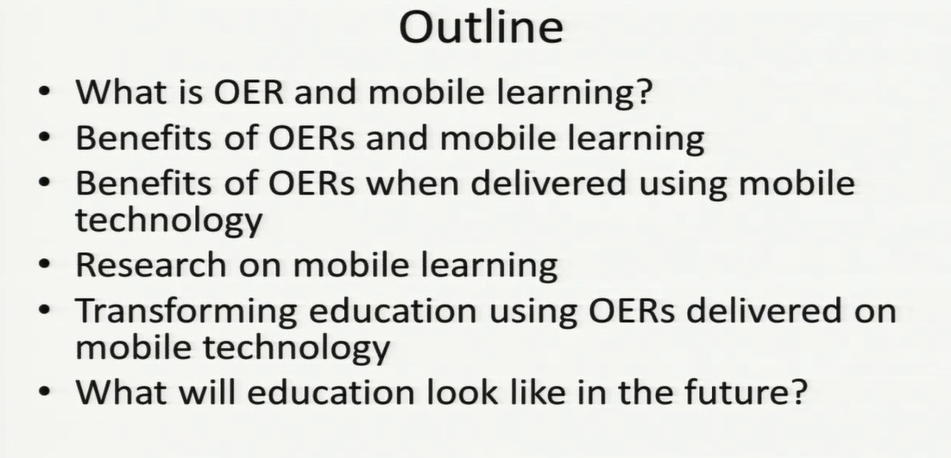
2014 이러닝 국제 콘퍼런스 : Open Education Resources with Mobile Learning to Transform Education
한국교육학술정보원 Mohamed Ally -
Alcohol Education: Here's What We Want
Teachers TV Teachers TV -
Personal Finance Education: The Money Quiz
Teachers TV Teachers TV
이 자료와 함께 이용한 RISS 자료
나만을 위한 추천자료
로그인하고 관련된 다양한 학술자료를 확인해 보세요.
로그인

