 국립중앙도서관 "우편 복사 서비스"로 연결 됩니다.


The influx of students from diverse cultural backgrounds and the appearance of music from many different cultural traditions in the United States have raised a quandary among music educators over what music should be included in the music education c...
다국어 입력
あ
ぁ
か
が
さ
ざ
た
だ
な
は
ば
ぱ
ま
や
ゃ
ら
わ
ゎ
ん
い
ぃ
き
ぎ
し
じ
ち
ぢ
に
ひ
び
ぴ
み
り
う
ぅ
く
ぐ
す
ず
つ
づ
っ
ぬ
ふ
ぶ
ぷ
む
ゆ
ゅ
る
え
ぇ
け
げ
せ
ぜ
て
で
ね
へ
べ
ぺ
め
れ
お
ぉ
こ
ご
そ
ぞ
と
ど
の
ほ
ぼ
ぽ
も
よ
ょ
ろ
を
ア
ァ
カ
サ
ザ
タ
ダ
ナ
ハ
バ
パ
マ
ヤ
ャ
ラ
ワ
ヮ
ン
イ
ィ
キ
ギ
シ
ジ
チ
ヂ
ニ
ヒ
ビ
ピ
ミ
リ
ウ
ゥ
ク
グ
ス
ズ
ツ
ヅ
ッ
ヌ
フ
ブ
プ
ム
ユ
ュ
ル
エ
ェ
ケ
ゲ
セ
ゼ
テ
デ
ヘ
ベ
ペ
メ
レ
オ
ォ
コ
ゴ
ソ
ゾ
ト
ド
ノ
ホ
ボ
ポ
モ
ヨ
ョ
ロ
ヲ
―
http://chineseinput.net/에서 pinyin(병음)방식으로 중국어를 변환할 수 있습니다.
변환된 중국어를 복사하여 사용하시면 됩니다.
예시)
- 中文 을 입력하시려면 zhongwen을 입력하시고 space를누르시면됩니다.
- 北京 을 입력하시려면 beijing을 입력하시고 space를 누르시면 됩니다.
А
Б
В
Г
Д
Е
Ё
Ж
З
И
Й
К
Л
М
Н
О
П
Р
С
Т
У
Ф
Х
Ц
Ч
Ш
Щ
Ъ
Ы
Ь
Э
Ю
Я
а
б
в
г
д
е
ё
ж
з
и
й
к
л
м
н
о
п
р
с
т
у
ф
х
ц
ч
ш
щ
ъ
ы
ь
э
ю
я
′
″
℃
Å
¢
£
¥
¤
℉
‰
$
%
F
₩
㎕
㎖
㎗
ℓ
㎘
㏄
㎣
㎤
㎥
㎦
㎙
㎚
㎛
㎜
㎝
㎞
㎟
㎠
㎡
㎢
㏊
㎍
㎎
㎏
㏏
㎈
㎉
㏈
㎧
㎨
㎰
㎱
㎲
㎳
㎴
㎵
㎶
㎷
㎸
㎹
㎀
㎁
㎂
㎃
㎄
㎺
㎻
㎽
㎾
㎿
㎐
㎑
㎒
㎓
㎔
Ω
㏀
㏁
㎊
㎋
㎌
㏖
㏅
㎭
㎮
㎯
㏛
㎩
㎪
㎫
㎬
㏝
㏐
㏓
㏃
㏉
㏜
㏆
IDEOLOGIES OF MUSIC EDUCATION: A PRAGMATIC, HISTORICAL ANALYSIS OF THE CONCEPT "MUSIC" IN MUSIC EDUCATION IN THE UNITED STATES (CHARLES SANDERS PEIRCE).
한글로보기https://www.riss.kr/link?id=T10541213
- 저자
-
발행사항
[S.l.]: THE UNIVERSITY OF MICHIGAN 1999
-
학위수여대학
THE UNIVERSITY OF MICHIGAN
-
수여연도
1999
-
작성언어
-
- 주제어
-
학위
PH.D.
-
페이지수
497 p.
-
지도교수/심사위원
Chair: JAMES A. STANDIFER.
-
0
상세조회 -
0
다운로드
부가정보
다국어 초록 (Multilingual Abstract)

The influx of students from diverse cultural backgrounds and the appearance of music from many different cultural traditions in the United States have raised a quandary among music educators over what music should be included in the music education curriculum of the nation's public schools. Also, support for public school music classes has been inconsistent throughout the history of the nation, since the varied and changing views held by the nation's citizens concerning the personal and societal importance of music have often made its inclusion in the curriculum difficult to justify. These two problems give rise to the question: What is the societal purpose of public school music education in the United States as an emerging post-modern society?.
Applying the pragmatic philosophy of Charles Sanders Peirce to the forms of “musical activity” manifested in different world societies reveals these forms as a diverse cluster of community-specific behaviors or practices involving sound, each of which serves those who meaningfully participate in it as a vital means of psychosocial equilibration relative to the ideology—or ordered conception of Reality—they tacitly embody. It also reveals that awareness of the ideological particularity and the concomitant personal and societal benefit of participation in some form of “musical activity” have been obscured among United States citizens owing to certain factors stemming from the nation's constitutional separation of church and state and its embrace of democratic capitalism as its social system. The progressiveness of this obfuscation is reflected in the changing ways music educators have conceptualized “music” since the European colonization of North America began—first as a means of worship, later as a form of art, and more recently as a mere product of the human mind.
Modifying music education curricula in United States public schools to introduce students gradually to different cultural forms of “musical activity” as culturally relative means of psychosocial equilibration would resolve the two problems cited above, raising public understanding of the human significance of “musical activity” and confirming the importance of public school music education for maintaining the egalitarian ideals of the nation.
Applying the pragmatic philosophy of Charles Sanders Peirce to the forms of “musical activity” manifested in different world societies reveals these forms as a diverse cluster of community-specific behaviors or practices involving sound, each of which serves those who meaningfully participate in it as a vital means of psychosocial equilibration relative to the ideology—or ordered conception of Reality—they tacitly embody. It also reveals that awareness of the ideological particularity and the concomitant personal and societal benefit of participation in some form of “musical activity” have been obscured among United States citizens owing to certain factors stemming from the nation's constitutional separation of church and state and its embrace of democratic capitalism as its social system. The progressiveness of this obfuscation is reflected in the changing ways music educators have conceptualized “music” since the European colonization of North America began—first as a means of worship, later as a form of art, and more recently as a mere product of the human mind.
Modifying music education curricula in United States public schools to introduce students gradually to different cultural forms of “musical activity” as culturally relative means of psychosocial equilibration would resolve the two problems cited above, raising public understanding of the human significance of “musical activity” and confirming the importance of public school music education for maintaining the egalitarian ideals of the nation.
The influx of students from diverse cultural backgrounds and the appearance of music from many different cultural traditions in the United States have raised a quandary among music educators over what music should be included in the music education curriculum of the nation's public schools. Also, support for public school music classes has been inconsistent throughout the history of the nation, since the varied and changing views held by the nation's citizens concerning the personal and societal importance of music have often made its inclusion in the curriculum difficult to justify. These two problems give rise to the question: What is the societal purpose of public school music education in the United States as an emerging post-modern society?.
Applying the pragmatic philosophy of Charles Sanders Peirce to the forms of “musical activity” manifested in different world societies reveals these forms as a diverse cluster of community-specific behaviors or practices involving sound, each of which serves those who meaningfully participate in it as a vital means of psychosocial equilibration relative to the ideology—or ordered conception of Reality—they tacitly embody. It also reveals that awareness of the ideological particularity and the concomitant personal and societal benefit of participation in some form of “musical activity” have been obscured among United States citizens owing to certain factors stemming from the nation's constitutional separation of church and state and its embrace of democratic capitalism as its social system. The progressiveness of this obfuscation is reflected in the changing ways music educators have conceptualized “music” since the European colonization of North America began—first as a means of worship, later as a form of art, and more recently as a mere product of the human mind.
Modifying music education curricula in United States public schools to introduce students gradually to different cultural forms of “musical activity” as culturally relative means of psychosocial equilibration would resolve the two problems cited above, raising public understanding of the human significance of “musical activity” and confirming the importance of public school music education for maintaining the egalitarian ideals of the nation.
분석정보
연관 공개강의(KOCW)
-

Developments in 14-19: Institute of Education
Teachers TV Teachers TV -
Education Policy at the Party Conferences
Teachers TV Teachers TV -
Personal Finance Education: The Money Quiz
Teachers TV Teachers TV -
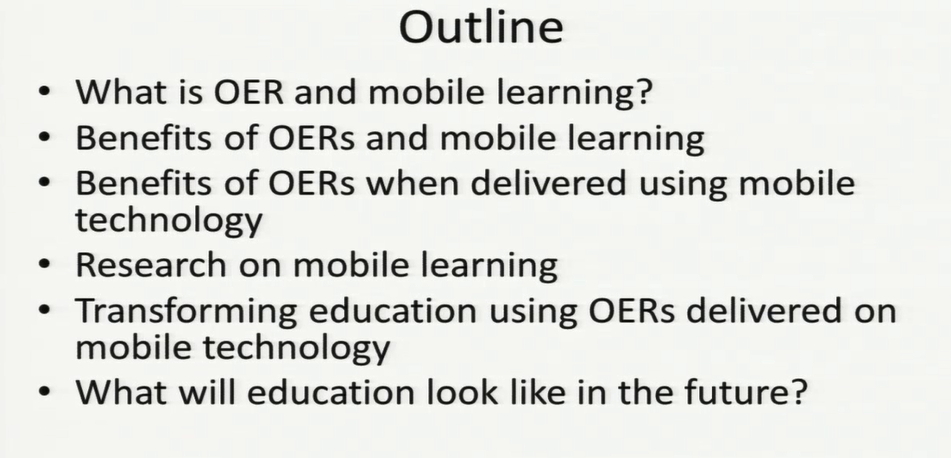
2014 이러닝 국제 콘퍼런스 : Open Education Resources with Mobile Learning to Transform Education
한국교육학술정보원 Mohamed Ally -
Early Sex Education: The Debate
Teachers TV Teachers TV
이 자료와 함께 이용한 RISS 자료
나만을 위한 추천자료


