 국립중앙도서관 "우편 복사 서비스"로 연결 됩니다.



 DBpia
DBpia
The Korean financial crisis of 1997 created enormous pressure for the restructuring of Korean firms, (especially the chaebols), and addressed the causes of the crisis, namely, the highly leveraged financial structure, growth-driven management, managem...
다국어 입력
あ
ぁ
か
が
さ
ざ
た
だ
な
は
ば
ぱ
ま
や
ゃ
ら
わ
ゎ
ん
い
ぃ
き
ぎ
し
じ
ち
ぢ
に
ひ
び
ぴ
み
り
う
ぅ
く
ぐ
す
ず
つ
づ
っ
ぬ
ふ
ぶ
ぷ
む
ゆ
ゅ
る
え
ぇ
け
げ
せ
ぜ
て
で
ね
へ
べ
ぺ
め
れ
お
ぉ
こ
ご
そ
ぞ
と
ど
の
ほ
ぼ
ぽ
も
よ
ょ
ろ
を
ア
ァ
カ
サ
ザ
タ
ダ
ナ
ハ
バ
パ
マ
ヤ
ャ
ラ
ワ
ヮ
ン
イ
ィ
キ
ギ
シ
ジ
チ
ヂ
ニ
ヒ
ビ
ピ
ミ
リ
ウ
ゥ
ク
グ
ス
ズ
ツ
ヅ
ッ
ヌ
フ
ブ
プ
ム
ユ
ュ
ル
エ
ェ
ケ
ゲ
セ
ゼ
テ
デ
ヘ
ベ
ペ
メ
レ
オ
ォ
コ
ゴ
ソ
ゾ
ト
ド
ノ
ホ
ボ
ポ
モ
ヨ
ョ
ロ
ヲ
―
http://chineseinput.net/에서 pinyin(병음)방식으로 중국어를 변환할 수 있습니다.
변환된 중국어를 복사하여 사용하시면 됩니다.
예시)
- 中文 을 입력하시려면 zhongwen을 입력하시고 space를누르시면됩니다.
- 北京 을 입력하시려면 beijing을 입력하시고 space를 누르시면 됩니다.
А
Б
В
Г
Д
Е
Ё
Ж
З
И
Й
К
Л
М
Н
О
П
Р
С
Т
У
Ф
Х
Ц
Ч
Ш
Щ
Ъ
Ы
Ь
Э
Ю
Я
а
б
в
г
д
е
ё
ж
з
и
й
к
л
м
н
о
п
р
с
т
у
ф
х
ц
ч
ш
щ
ъ
ы
ь
э
ю
я
′
″
℃
Å
¢
£
¥
¤
℉
‰
$
%
F
₩
㎕
㎖
㎗
ℓ
㎘
㏄
㎣
㎤
㎥
㎦
㎙
㎚
㎛
㎜
㎝
㎞
㎟
㎠
㎡
㎢
㏊
㎍
㎎
㎏
㏏
㎈
㎉
㏈
㎧
㎨
㎰
㎱
㎲
㎳
㎴
㎵
㎶
㎷
㎸
㎹
㎀
㎁
㎂
㎃
㎄
㎺
㎻
㎽
㎾
㎿
㎐
㎑
㎒
㎓
㎔
Ω
㏀
㏁
㎊
㎋
㎌
㏖
㏅
㎭
㎮
㎯
㏛
㎩
㎪
㎫
㎬
㏝
㏐
㏓
㏃
㏉
㏜
㏆

RISS 인기검색어
https://www.riss.kr/link?id=A100856433
- 저자
- 발행기관
- 학술지명
- 권호사항
-
발행연도
2003
-
작성언어
Korean
- 주제어
-
KDC
324
-
등재정보
KCI우수등재
-
자료형태
학술저널
- 발행기관 URL
-
수록면
1659-1693(35쪽)
-
KCI 피인용횟수
5
- 제공처
- 소장기관
-
0
상세조회 -
0
다운로드
부가정보
다국어 초록 (Multilingual Abstract)

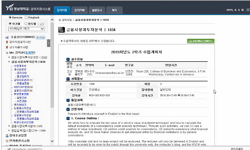
The Korean financial crisis of 1997 created enormous pressure for the restructuring of Korean firms, (especially the chaebols), and addressed the causes of the crisis, namely, the highly leveraged financial structure, growth-driven management, management by ownership. In such an environment, the adoption of successful restructuring strategies to enable strong firm growth depends on a clear analysis of firm growth. The purpose of this study is to provide an analysis of factors and patterns of firm growth using accounting information of firms in the U. S. A. The following is a summary of the main findings of this analysis. First, the more capital intensive and rapidly growing industries, the more rapid the change in market competition. Second, as competition becomes fiercer and growth slows, the relationship between profitability and growth weakens. Third, investment in production facilities and technology leads to a growth in capital intensive and technology intensive industries. Interestingly however, the factors and patterns of profitability did not reflect the particular characteristics of the industries. Fourth, a mismatch of pattern and strategy for firm growth increases the likelihood of a firm discontinuation. Fifth, a strategy of diversification can make a positive contribution to firm growth in some industries.
The Korean financial crisis of 1997 created enormous pressure for the restructuring of Korean firms, (especially the chaebols), and addressed the causes of the crisis, namely, the highly leveraged financial structure, growth-driven management, management by ownership. In such an environment, the adoption of successful restructuring strategies to enable strong firm growth depends on a clear analysis of firm growth. The purpose of this study is to provide an analysis of factors and patterns of firm growth using accounting information of firms in the U. S. A. The following is a summary of the main findings of this analysis. First, the more capital intensive and rapidly growing industries, the more rapid the change in market competition. Second, as competition becomes fiercer and growth slows, the relationship between profitability and growth weakens. Third, investment in production facilities and technology leads to a growth in capital intensive and technology intensive industries. Interestingly however, the factors and patterns of profitability did not reflect the particular characteristics of the industries. Fourth, a mismatch of pattern and strategy for firm growth increases the likelihood of a firm discontinuation. Fifth, a strategy of diversification can make a positive contribution to firm growth in some industries.
동일학술지(권/호) 다른 논문
-
- 한국경영학회
- 김경규(Kim Gyeong Gyu)
- 2003
- KCI우수등재
-
- 한국경영학회
- 김정구(Kim Jeong Gu)
- 2003
- KCI우수등재
-
개인과 조직의 경력관리가 경력만족, 경력전망 및 경력몰입에 미치는 영향
- 한국경영학회
- 서균석(Seo Gyun Seog)
- 2003
- KCI우수등재
-
온라인 커뮤니티에서의 공동체 의식이 웹사이트 충성도와 구매의도에 미치는 영향에 관한 연구
- 한국경영학회
- 박성연(Park Seong Yeon)
- 2003
- KCI우수등재
분석정보
인용정보 인용지수 설명보기
학술지 이력
| 연월일 | 이력구분 | 이력상세 | 등재구분 |
|---|---|---|---|
| 2022 | 평가 | 계속평가 신청대상 (등재유지) | |
| 2017-01-01 | 등재 | 우수등재학술지 선정 (계속평가) | |
| 2013-01-01 | 등재 | 등재학술지 유지 (등재유지) |  |
| 2010-01-01 | 등재 | 등재학술지 유지 (등재유지) | |
| 2008-01-01 | 등재 | 등재 1차 FAIL (등재유지) | |
| 2006-01-01 | 등재 | 등재학술지 유지 (등재유지) | |
| 2004-01-01 | 등재 | 등재학술지 유지 (등재유지) | |
| 2001-07-01 | 등재 | 등재학술지 선정 (등재후보2차) | |
| 1999-01-01 | 등재 | 등재후보학술지 선정 (신규평가) |  |
학술지 인용정보
| 기준연도 | WOS-KCI 통합IF(2년) | KCIF(2년) | KCIF(3년) |
|---|---|---|---|
| 2016 | 1.45 | 1.45 | 1.48 |
| KCIF(4년) | KCIF(5년) | 중심성지수(3년) | 즉시성지수 |
| 1.64 | 1.69 | 2.793 | 0.2 |

이 자료와 함께 이용한 RISS 자료
나만을 위한 추천자료


