 국립중앙도서관 "우편 복사 서비스"로 연결 됩니다.


This study was designed to develop effective music therapy strategies to teach mathematical concepts to individuals with Williams Syndrome (WS) by using their affinity and abilities in music as instructional aids. WS is caused by a microdeletion of 1...
다국어 입력
あ
ぁ
か
が
さ
ざ
た
だ
な
は
ば
ぱ
ま
や
ゃ
ら
わ
ゎ
ん
い
ぃ
き
ぎ
し
じ
ち
ぢ
に
ひ
び
ぴ
み
り
う
ぅ
く
ぐ
す
ず
つ
づ
っ
ぬ
ふ
ぶ
ぷ
む
ゆ
ゅ
る
え
ぇ
け
げ
せ
ぜ
て
で
ね
へ
べ
ぺ
め
れ
お
ぉ
こ
ご
そ
ぞ
と
ど
の
ほ
ぼ
ぽ
も
よ
ょ
ろ
を
ア
ァ
カ
サ
ザ
タ
ダ
ナ
ハ
バ
パ
マ
ヤ
ャ
ラ
ワ
ヮ
ン
イ
ィ
キ
ギ
シ
ジ
チ
ヂ
ニ
ヒ
ビ
ピ
ミ
リ
ウ
ゥ
ク
グ
ス
ズ
ツ
ヅ
ッ
ヌ
フ
ブ
プ
ム
ユ
ュ
ル
エ
ェ
ケ
ゲ
セ
ゼ
テ
デ
ヘ
ベ
ペ
メ
レ
オ
ォ
コ
ゴ
ソ
ゾ
ト
ド
ノ
ホ
ボ
ポ
モ
ヨ
ョ
ロ
ヲ
―
http://chineseinput.net/에서 pinyin(병음)방식으로 중국어를 변환할 수 있습니다.
변환된 중국어를 복사하여 사용하시면 됩니다.
예시)
- 中文 을 입력하시려면 zhongwen을 입력하시고 space를누르시면됩니다.
- 北京 을 입력하시려면 beijing을 입력하시고 space를 누르시면 됩니다.
А
Б
В
Г
Д
Е
Ё
Ж
З
И
Й
К
Л
М
Н
О
П
Р
С
Т
У
Ф
Х
Ц
Ч
Ш
Щ
Ъ
Ы
Ь
Э
Ю
Я
а
б
в
г
д
е
ё
ж
з
и
й
к
л
м
н
о
п
р
с
т
у
ф
х
ц
ч
ш
щ
ъ
ы
ь
э
ю
я
′
″
℃
Å
¢
£
¥
¤
℉
‰
$
%
F
₩
㎕
㎖
㎗
ℓ
㎘
㏄
㎣
㎤
㎥
㎦
㎙
㎚
㎛
㎜
㎝
㎞
㎟
㎠
㎡
㎢
㏊
㎍
㎎
㎏
㏏
㎈
㎉
㏈
㎧
㎨
㎰
㎱
㎲
㎳
㎴
㎵
㎶
㎷
㎸
㎹
㎀
㎁
㎂
㎃
㎄
㎺
㎻
㎽
㎾
㎿
㎐
㎑
㎒
㎓
㎔
Ω
㏀
㏁
㎊
㎋
㎌
㏖
㏅
㎭
㎮
㎯
㏛
㎩
㎪
㎫
㎬
㏝
㏐
㏓
㏃
㏉
㏜
㏆
An exploratory study of the use of music therapy in teaching mathematical skills to individuals with Williams syndrome.
한글로보기https://www.riss.kr/link?id=T11889320
- 저자
-
발행사항
[S.l.]: Michigan State University 2008
-
학위수여대학
Michigan State University
-
수여연도
2008
-
작성언어
영어
- 주제어
-
학위
Ph.D.
-
페이지수
310 p.
-
지도교수/심사위원
Adviser: Frederick Tims.
-
0
상세조회 -
0
다운로드
인용문이 복사되었습니다.
부가정보
다국어 초록 (Multilingual Abstract)

This study was designed to develop effective music therapy strategies to teach mathematical concepts to individuals with Williams Syndrome (WS) by using their affinity and abilities in music as instructional aids. WS is caused by a microdeletion of 16 -- 23 genes on chromosome 7q11.23. These missing genes cause common facial appearance, similar physical characteristics, common cognitive and behavioral characteristics, and physiological difficulties, including cardiovascular abnormalities. A well-known trait of people with WS is a pronounced difficulty with mathematics. In addition, individuals with WS are known as music lovers. An "affinity to music" is often used to describe this characteristic. The basic premise for the effectiveness of music therapy intervention for individuals with WS in this study was that, by combining arithmetic with musicing, individuals with WS could be motivated to attend to mathematical tasks and their attention could be held for longer periods, which might enhance their ability to learn and retain the lessons.
A collective case study was the methodological framework for the study. The participants in the study were three individuals diagnosed with WS, ranging 10 to 21 years of age. Sessions took place over a 10-week period, once per week for 40 to 60 minutes, in each participant's home environment. All thirty sessions were digitally recorded and transcribed.
The analysis and interpretation of the sessions identified the participants' roadblocks in their mathematical development in metacognition, visuospatial ability, attention, processing speed, and fine motor skills. The severity of these difficulties was shown to vary among the three participants. While many of the effects of these difficulties overlap and are interrelated, the findings suggest that each difficulty requires a different form of intervention. These findings also suggest that music therapy could offer various strategies that assist in coping with the difficulties. Three primary functions in music were identified as being particularity beneficial for mathematical development: music used to advance cognitive development; music used to encourage and motivate; and music used to provide structure for academic learning interventions.
Based on the findings of the study, several suggestions are made for music therapists working with individuals with WS as well as individuals with other genetic disorders. These suggestions include the importance of specific research on the differences in the roadblocks among the various types of genetic disorders and an informed clinical practice based on knowledge, theory, and research with the particular type of genetic disorder. This study suggests that music therapists might need to develop three sets of music therapy interventions: (1) individuals with WS who do not develop the comprehension of magnitude and cardinality; (2) individuals with WS who develop the basic concepts referred to above, but still struggle with operating numbers such as composition and decomposition; and (3) individuals with WS who develop a basic understanding of numbers and operations and are ready to move on to addition and subtraction. This study demonstrated the strong possibility that music therapy can assist individuals with WS in their mathematical development.
A collective case study was the methodological framework for the study. The participants in the study were three individuals diagnosed with WS, ranging 10 to 21 years of age. Sessions took place over a 10-week period, once per week for 40 to 60 minutes, in each participant's home environment. All thirty sessions were digitally recorded and transcribed.
The analysis and interpretation of the sessions identified the participants' roadblocks in their mathematical development in metacognition, visuospatial ability, attention, processing speed, and fine motor skills. The severity of these difficulties was shown to vary among the three participants. While many of the effects of these difficulties overlap and are interrelated, the findings suggest that each difficulty requires a different form of intervention. These findings also suggest that music therapy could offer various strategies that assist in coping with the difficulties. Three primary functions in music were identified as being particularity beneficial for mathematical development: music used to advance cognitive development; music used to encourage and motivate; and music used to provide structure for academic learning interventions.
Based on the findings of the study, several suggestions are made for music therapists working with individuals with WS as well as individuals with other genetic disorders. These suggestions include the importance of specific research on the differences in the roadblocks among the various types of genetic disorders and an informed clinical practice based on knowledge, theory, and research with the particular type of genetic disorder. This study suggests that music therapists might need to develop three sets of music therapy interventions: (1) individuals with WS who do not develop the comprehension of magnitude and cardinality; (2) individuals with WS who develop the basic concepts referred to above, but still struggle with operating numbers such as composition and decomposition; and (3) individuals with WS who develop a basic understanding of numbers and operations and are ready to move on to addition and subtraction. This study demonstrated the strong possibility that music therapy can assist individuals with WS in their mathematical development.
This study was designed to develop effective music therapy strategies to teach mathematical concepts to individuals with Williams Syndrome (WS) by using their affinity and abilities in music as instructional aids. WS is caused by a microdeletion of 16 -- 23 genes on chromosome 7q11.23. These missing genes cause common facial appearance, similar physical characteristics, common cognitive and behavioral characteristics, and physiological difficulties, including cardiovascular abnormalities. A well-known trait of people with WS is a pronounced difficulty with mathematics. In addition, individuals with WS are known as music lovers. An "affinity to music" is often used to describe this characteristic. The basic premise for the effectiveness of music therapy intervention for individuals with WS in this study was that, by combining arithmetic with musicing, individuals with WS could be motivated to attend to mathematical tasks and their attention could be held for longer periods, which might enhance their ability to learn and retain the lessons.
A collective case study was the methodological framework for the study. The participants in the study were three individuals diagnosed with WS, ranging 10 to 21 years of age. Sessions took place over a 10-week period, once per week for 40 to 60 minutes, in each participant's home environment. All thirty sessions were digitally recorded and transcribed.
The analysis and interpretation of the sessions identified the participants' roadblocks in their mathematical development in metacognition, visuospatial ability, attention, processing speed, and fine motor skills. The severity of these difficulties was shown to vary among the three participants. While many of the effects of these difficulties overlap and are interrelated, the findings suggest that each difficulty requires a different form of intervention. These findings also suggest that music therapy could offer various strategies that assist in coping with the difficulties. Three primary functions in music were identified as being particularity beneficial for mathematical development: music used to advance cognitive development; music used to encourage and motivate; and music used to provide structure for academic learning interventions.
Based on the findings of the study, several suggestions are made for music therapists working with individuals with WS as well as individuals with other genetic disorders. These suggestions include the importance of specific research on the differences in the roadblocks among the various types of genetic disorders and an informed clinical practice based on knowledge, theory, and research with the particular type of genetic disorder. This study suggests that music therapists might need to develop three sets of music therapy interventions: (1) individuals with WS who do not develop the comprehension of magnitude and cardinality; (2) individuals with WS who develop the basic concepts referred to above, but still struggle with operating numbers such as composition and decomposition; and (3) individuals with WS who develop a basic understanding of numbers and operations and are ready to move on to addition and subtraction. This study demonstrated the strong possibility that music therapy can assist individuals with WS in their mathematical development.
분석정보
연관 공개강의(KOCW)
-

Psychology of Adolescence
이화여자대학교 유성경 -

Education Policy at the Party Conferences
Teachers TV Teachers TV -
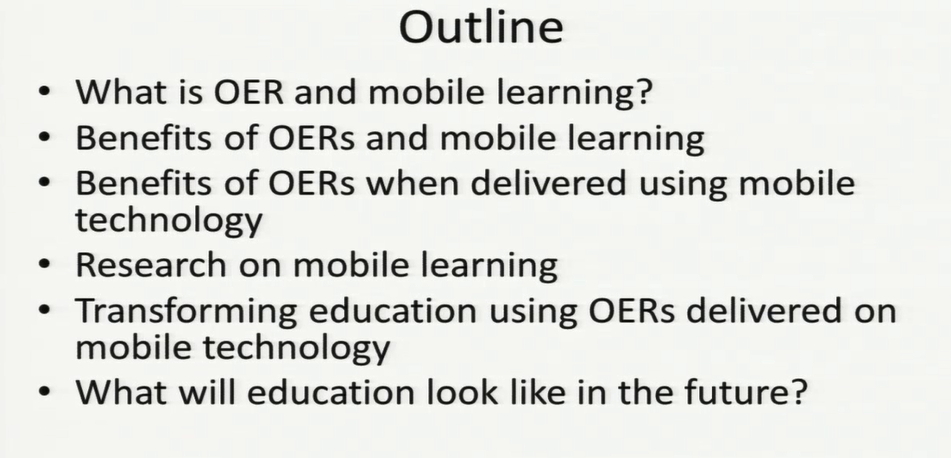
2014 이러닝 국제 콘퍼런스 : Open Education Resources with Mobile Learning to Transform Education
한국교육학술정보원 Mohamed Ally -
Further Education: Work Experience
Teachers TV Teachers TV -
2014 이러닝 국제 콘퍼런스 : What is the Lessons from Education Support Project~
한국교육정보진흥협회 Boseon, Kim
이 자료와 함께 이용한 RISS 자료
나만을 위한 추천자료


