 국립중앙도서관 "우편 복사 서비스"로 연결 됩니다.


My study examines three participatory learning environments in which computer-based tools and improvisational training techniques comprise innovative approaches to teaching performance studies to undergraduate students. For my analysis, I have select...
다국어 입력
あ
ぁ
か
が
さ
ざ
た
だ
な
は
ば
ぱ
ま
や
ゃ
ら
わ
ゎ
ん
い
ぃ
き
ぎ
し
じ
ち
ぢ
に
ひ
び
ぴ
み
り
う
ぅ
く
ぐ
す
ず
つ
づ
っ
ぬ
ふ
ぶ
ぷ
む
ゆ
ゅ
る
え
ぇ
け
げ
せ
ぜ
て
で
ね
へ
べ
ぺ
め
れ
お
ぉ
こ
ご
そ
ぞ
と
ど
の
ほ
ぼ
ぽ
も
よ
ょ
ろ
を
ア
ァ
カ
サ
ザ
タ
ダ
ナ
ハ
バ
パ
マ
ヤ
ャ
ラ
ワ
ヮ
ン
イ
ィ
キ
ギ
シ
ジ
チ
ヂ
ニ
ヒ
ビ
ピ
ミ
リ
ウ
ゥ
ク
グ
ス
ズ
ツ
ヅ
ッ
ヌ
フ
ブ
プ
ム
ユ
ュ
ル
エ
ェ
ケ
ゲ
セ
ゼ
テ
デ
ヘ
ベ
ペ
メ
レ
オ
ォ
コ
ゴ
ソ
ゾ
ト
ド
ノ
ホ
ボ
ポ
モ
ヨ
ョ
ロ
ヲ
―
http://chineseinput.net/에서 pinyin(병음)방식으로 중국어를 변환할 수 있습니다.
변환된 중국어를 복사하여 사용하시면 됩니다.
예시)
- 中文 을 입력하시려면 zhongwen을 입력하시고 space를누르시면됩니다.
- 北京 을 입력하시려면 beijing을 입력하시고 space를 누르시면 됩니다.
А
Б
В
Г
Д
Е
Ё
Ж
З
И
Й
К
Л
М
Н
О
П
Р
С
Т
У
Ф
Х
Ц
Ч
Ш
Щ
Ъ
Ы
Ь
Э
Ю
Я
а
б
в
г
д
е
ё
ж
з
и
й
к
л
м
н
о
п
р
с
т
у
ф
х
ц
ч
ш
щ
ъ
ы
ь
э
ю
я
′
″
℃
Å
¢
£
¥
¤
℉
‰
$
%
F
₩
㎕
㎖
㎗
ℓ
㎘
㏄
㎣
㎤
㎥
㎦
㎙
㎚
㎛
㎜
㎝
㎞
㎟
㎠
㎡
㎢
㏊
㎍
㎎
㎏
㏏
㎈
㎉
㏈
㎧
㎨
㎰
㎱
㎲
㎳
㎴
㎵
㎶
㎷
㎸
㎹
㎀
㎁
㎂
㎃
㎄
㎺
㎻
㎽
㎾
㎿
㎐
㎑
㎒
㎓
㎔
Ω
㏀
㏁
㎊
㎋
㎌
㏖
㏅
㎭
㎮
㎯
㏛
㎩
㎪
㎫
㎬
㏝
㏐
㏓
㏃
㏉
㏜
㏆

RISS 인기검색어
Teaching performance in the digital age: Computerized technologies, improvisational play techniques and interactive learning processes.
한글로보기https://www.riss.kr/link?id=T12297341
- 저자
-
발행사항
[S.l.]: Northwestern University 2007
-
학위논문사항
-
-
발행연도
-
-
작성언어
영어
- 주제어
-
0
상세조회 -
0
다운로드
부가정보
다국어 초록 (Multilingual Abstract)

My study examines three participatory learning environments in which computer-based tools and improvisational training techniques comprise innovative approaches to teaching performance studies to undergraduate students. For my analysis, I have selected to focus on two classes and one production project. I contend that performance, an interdisciplinary and collaborative art form, is best taught by using a variety of media apparatuses and improvisation games: hands-on experimentation with technical and improvisation instruments allows students to experience a wide range of expressive options, a strong sense of community and a greater leadership role in teaching/learning processes. In addition, multimedia resources provide students new options for designing, scripting and presenting stories on stage. From the standpoint of instruction, I argue that combining technology tools and improvisation techniques together leads to more egalitarian classroom operations, greater efficiency and unity among members of working groups and a more student-initiated style of teaching, one based on empowerment, autonomy and self-regulation.
The case studies compiled in the dissertation represent my own teaching and production experiences. I co-taught the course, Multimedia Improvisation, offered by Northwestern University's Center for Art and Technology in the fall of 2003. I also co-instructed the class, Staging Dracula: Multimedia Literary Adaptation, for the Residential College Tutorial program at Northwestern in winter quarter of 2005. The DuSable Project was a technology-intensive theatre production that took place in the spring of 2004 on Northwestern's campus. In my analysis of the teaching strategies employed in the separate learning environments, I consider how digital technologies and improvisational training techniques work together to provide students a wealth of creative options and instructors the ability to connect with and engage participants on a deeper level than more traditional means.
My methodology includes personal interviews, questionnaires, textual readings and participant observation. In each educational setting, I examine the technical tools and improvisatory methods employed by the instructor, identify the ways in which students "played" with instructional instruments and techniques, point to the specific performance skills honed by such methods of instruction and assess the effectiveness of technologically-augmented teaching strategies based on the criteria of portability, adaptability, accessibility and participatory engagement.
Fundamentally, the dissertation is meant to give its readers new perspectives when considering the intersection between computers and performing arts education. Because the work presents case study analyses of the functional application of technology, it will hopefully lead to scholarship about contemporary performance instruction that is more comprehensible, useful and engaging. Ultimately, the tools, techniques and methods evaluated in this work may help to create a new vision of what educators can accomplish with digital technologies in a variety of learning environments. It may lead to the development of multidisciplinary teaching pedagogies and performing art curriculums that are better able to meet the needs, interests and ambitions of a new generation of learners.
The case studies compiled in the dissertation represent my own teaching and production experiences. I co-taught the course, Multimedia Improvisation, offered by Northwestern University's Center for Art and Technology in the fall of 2003. I also co-instructed the class, Staging Dracula: Multimedia Literary Adaptation, for the Residential College Tutorial program at Northwestern in winter quarter of 2005. The DuSable Project was a technology-intensive theatre production that took place in the spring of 2004 on Northwestern's campus. In my analysis of the teaching strategies employed in the separate learning environments, I consider how digital technologies and improvisational training techniques work together to provide students a wealth of creative options and instructors the ability to connect with and engage participants on a deeper level than more traditional means.
My methodology includes personal interviews, questionnaires, textual readings and participant observation. In each educational setting, I examine the technical tools and improvisatory methods employed by the instructor, identify the ways in which students "played" with instructional instruments and techniques, point to the specific performance skills honed by such methods of instruction and assess the effectiveness of technologically-augmented teaching strategies based on the criteria of portability, adaptability, accessibility and participatory engagement.
Fundamentally, the dissertation is meant to give its readers new perspectives when considering the intersection between computers and performing arts education. Because the work presents case study analyses of the functional application of technology, it will hopefully lead to scholarship about contemporary performance instruction that is more comprehensible, useful and engaging. Ultimately, the tools, techniques and methods evaluated in this work may help to create a new vision of what educators can accomplish with digital technologies in a variety of learning environments. It may lead to the development of multidisciplinary teaching pedagogies and performing art curriculums that are better able to meet the needs, interests and ambitions of a new generation of learners.
My study examines three participatory learning environments in which computer-based tools and improvisational training techniques comprise innovative approaches to teaching performance studies to undergraduate students. For my analysis, I have selected to focus on two classes and one production project. I contend that performance, an interdisciplinary and collaborative art form, is best taught by using a variety of media apparatuses and improvisation games: hands-on experimentation with technical and improvisation instruments allows students to experience a wide range of expressive options, a strong sense of community and a greater leadership role in teaching/learning processes. In addition, multimedia resources provide students new options for designing, scripting and presenting stories on stage. From the standpoint of instruction, I argue that combining technology tools and improvisation techniques together leads to more egalitarian classroom operations, greater efficiency and unity among members of working groups and a more student-initiated style of teaching, one based on empowerment, autonomy and self-regulation.
The case studies compiled in the dissertation represent my own teaching and production experiences. I co-taught the course, Multimedia Improvisation, offered by Northwestern University's Center for Art and Technology in the fall of 2003. I also co-instructed the class, Staging Dracula: Multimedia Literary Adaptation, for the Residential College Tutorial program at Northwestern in winter quarter of 2005. The DuSable Project was a technology-intensive theatre production that took place in the spring of 2004 on Northwestern's campus. In my analysis of the teaching strategies employed in the separate learning environments, I consider how digital technologies and improvisational training techniques work together to provide students a wealth of creative options and instructors the ability to connect with and engage participants on a deeper level than more traditional means.
My methodology includes personal interviews, questionnaires, textual readings and participant observation. In each educational setting, I examine the technical tools and improvisatory methods employed by the instructor, identify the ways in which students "played" with instructional instruments and techniques, point to the specific performance skills honed by such methods of instruction and assess the effectiveness of technologically-augmented teaching strategies based on the criteria of portability, adaptability, accessibility and participatory engagement.
Fundamentally, the dissertation is meant to give its readers new perspectives when considering the intersection between computers and performing arts education. Because the work presents case study analyses of the functional application of technology, it will hopefully lead to scholarship about contemporary performance instruction that is more comprehensible, useful and engaging. Ultimately, the tools, techniques and methods evaluated in this work may help to create a new vision of what educators can accomplish with digital technologies in a variety of learning environments. It may lead to the development of multidisciplinary teaching pedagogies and performing art curriculums that are better able to meet the needs, interests and ambitions of a new generation of learners.
분석정보
연관 공개강의(KOCW)
-

Education Policy at the Party Conferences
Teachers TV Teachers TV -
Personal Finance Education: The Money Quiz
Teachers TV Teachers TV -
Further Education: Work Experience
Teachers TV Teachers TV -
2014 이러닝 국제 콘퍼런스 : What is the Lessons from Education Support Project~
한국교육정보진흥협회 Boseon, Kim -
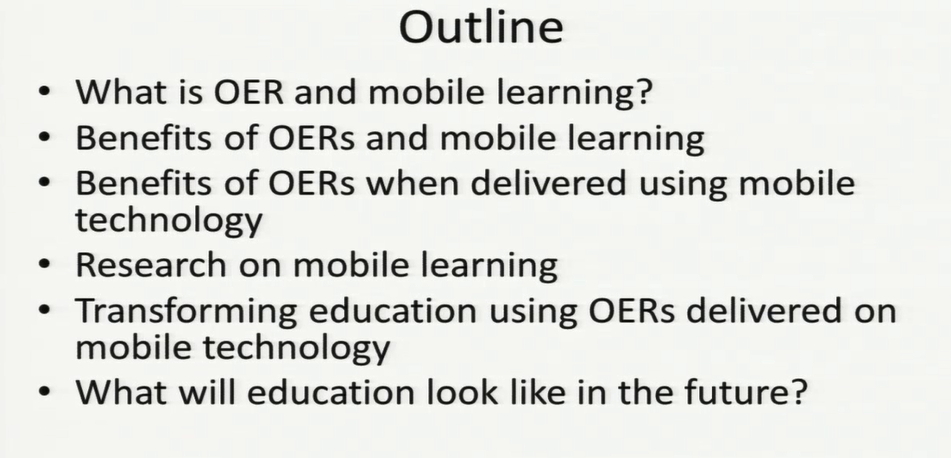
2014 이러닝 국제 콘퍼런스 : Open Education Resources with Mobile Learning to Transform Education
한국교육학술정보원 Mohamed Ally
이 자료와 함께 이용한 RISS 자료
나만을 위한 추천자료


