 국립중앙도서관 "우편 복사 서비스"로 연결 됩니다.



 스콜라

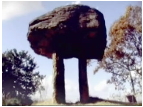
1) Table type dolmens are typically found in areas of high elevation suitable for overseeing the surroundings, rather than in flat plains. In Manchuria and Kanghwa-do region, this type of dolmen are found near mountaintops, valleys, and at base of mou...
다국어 입력
あ
ぁ
か
が
さ
ざ
た
だ
な
は
ば
ぱ
ま
や
ゃ
ら
わ
ゎ
ん
い
ぃ
き
ぎ
し
じ
ち
ぢ
に
ひ
び
ぴ
み
り
う
ぅ
く
ぐ
す
ず
つ
づ
っ
ぬ
ふ
ぶ
ぷ
む
ゆ
ゅ
る
え
ぇ
け
げ
せ
ぜ
て
で
ね
へ
べ
ぺ
め
れ
お
ぉ
こ
ご
そ
ぞ
と
ど
の
ほ
ぼ
ぽ
も
よ
ょ
ろ
を
ア
ァ
カ
サ
ザ
タ
ダ
ナ
ハ
バ
パ
マ
ヤ
ャ
ラ
ワ
ヮ
ン
イ
ィ
キ
ギ
シ
ジ
チ
ヂ
ニ
ヒ
ビ
ピ
ミ
リ
ウ
ゥ
ク
グ
ス
ズ
ツ
ヅ
ッ
ヌ
フ
ブ
プ
ム
ユ
ュ
ル
エ
ェ
ケ
ゲ
セ
ゼ
テ
デ
ヘ
ベ
ペ
メ
レ
オ
ォ
コ
ゴ
ソ
ゾ
ト
ド
ノ
ホ
ボ
ポ
モ
ヨ
ョ
ロ
ヲ
―
http://chineseinput.net/에서 pinyin(병음)방식으로 중국어를 변환할 수 있습니다.
변환된 중국어를 복사하여 사용하시면 됩니다.
예시)
- 中文 을 입력하시려면 zhongwen을 입력하시고 space를누르시면됩니다.
- 北京 을 입력하시려면 beijing을 입력하시고 space를 누르시면 됩니다.
А
Б
В
Г
Д
Е
Ё
Ж
З
И
Й
К
Л
М
Н
О
П
Р
С
Т
У
Ф
Х
Ц
Ч
Ш
Щ
Ъ
Ы
Ь
Э
Ю
Я
а
б
в
г
д
е
ё
ж
з
и
й
к
л
м
н
о
п
р
с
т
у
ф
х
ц
ч
ш
щ
ъ
ы
ь
э
ю
я
′
″
℃
Å
¢
£
¥
¤
℉
‰
$
%
F
₩
㎕
㎖
㎗
ℓ
㎘
㏄
㎣
㎤
㎥
㎦
㎙
㎚
㎛
㎜
㎝
㎞
㎟
㎠
㎡
㎢
㏊
㎍
㎎
㎏
㏏
㎈
㎉
㏈
㎧
㎨
㎰
㎱
㎲
㎳
㎴
㎵
㎶
㎷
㎸
㎹
㎀
㎁
㎂
㎃
㎄
㎺
㎻
㎽
㎾
㎿
㎐
㎑
㎒
㎓
㎔
Ω
㏀
㏁
㎊
㎋
㎌
㏖
㏅
㎭
㎮
㎯
㏛
㎩
㎪
㎫
㎬
㏝
㏐
㏓
㏃
㏉
㏜
㏆

만주와 한반도 지역의 탁자식 고인돌에 대한 고찰 = A study on table type dolmens of Manchuria and the Korean Peninsula
한글로보기https://www.riss.kr/link?id=A82680621
- 저자
- 발행기관
- 학술지명
- 권호사항
-
발행연도
2009
-
작성언어
-
-
주제어
고인돌 ; 탁자식 고인돌 ; 만주 ; 한반도 ; dolmen ; table type dolmen ; Manchuria ; Korean Peninsula
-
KDC
900
-
등재정보
KCI등재
-
자료형태
학술저널
-
수록면
117-147(31쪽)
-
KCI 피인용횟수
5
- 제공처
- 소장기관
-
0
상세조회 -
0
다운로드
인용문이 복사되었습니다.
부가정보
다국어 초록 (Multilingual Abstract)

1) Table type dolmens are typically found in areas of high elevation suitable for overseeing the surroundings, rather than in flat plains. In Manchuria and Kanghwa-do region, this type of dolmen are found near mountaintops, valleys, and at base of mountains. However, table type dolmens in the area south of Bukhan River, as well as in Chungchung-do and Jeolla-do, are distributed across small hills and plains.
3) The width of capstones does not vary significantly from Manchria down to the Kanghwa-do and Imjin River regions. However, capstone width becomes rather thicker near the Han River and the region to its south, becomes thickest in Chungchungnam-do, and then becomes thinner in the Jeolla-do region. Such differences in capstone width are suspected to be a reflection of differences in burial traditions.
4) Haesung Sukmoksung Dolmen of Yoryeongsung, Kaejoo Sukboongsan Dolmen, Eunyul Kwansanri Dolmen, Kanghwa Boogeunri Dolmen, Ansan Sunboodong Dolmen, and Gochang Dosanri Dolmen are all large table type dolmens that most likely served as alters, demarcation for cemetaries, or tribal symbols. This is indicated by the facts that: ① they are located in areas with a clear view in all directions, ② when found among a collection of graves, they are significantly larger than the surrounding dolmens, with the burial space facing a different direction, and ③ there have been hardly any burial-related artifacts excavated among these dolmens.
5) In the case of Kyonggi region, the dolmens of Kanghwa-do seem to have influenced the dolmens of the region along the western coastline down to Ansan Sunbu-dong, as well as well as the dolmen of Deokeun-ri near lower Imjin River. In addition, Yangsu-ri Dolmen of middle Han River seems to have influenced the dolmens along Kyongan River in the regions of Yongin Wangsan-ri, Joobook-ri, and Yongin Sangha-ri (near upper Ansung River). It is suspected that the Sangha-ri dolmen has been influenced by the Han River region because table type dolmens are not found in areas as far as Hongsung in Chungchungnam-do, which is more than 80km away.
6) Based on the facts that ① when moving southward from the Han River basin the number of table type dolmens shrink quickly and the capstones become very thick in width, ② large, highly precise box-like dolmens (like the dolmens of Kaejoo Sukboongsan and Eunyul Kwansan-ri )cease to be found, ③ dolmens with supporting stones higher than 1.5m can be rarely found, and ④ the culture of erecting dolmens just like the dolmens of Manchuria, Daedong River rehions and Kanghwa-do region)along mountain ridges or at the base of mountains disappear, one can see that there are many differences between the dolmens in the south area of the Han River and those in the north area of the river. These differences seem to be a result of cultural differences between regions within Kojoseon and those outside.
목차 (Table of Contents)
- Ⅰ. 머리말
- Ⅱ. 탁자식 고인돌의 분포
- Ⅲ. 탁자식 고인돌의 특징
- Ⅳ. 탁자식 고인돌의 기능
- Ⅴ. 탁자식 고인돌의 전파 경로
- Ⅰ. 머리말
- Ⅱ. 탁자식 고인돌의 분포
- Ⅲ. 탁자식 고인돌의 특징
- Ⅳ. 탁자식 고인돌의 기능
- Ⅴ. 탁자식 고인돌의 전파 경로
- Ⅵ. 맺음말
- [Abstract]
참고문헌 (Reference)
1 許玉林, "遼東半島石棚" 63-64, 1994
2 임세권, "한반도 고인돌의 종합적 검토" 1976
3 박희현, "한국의 고인돌 문화에 대한 한 고찰 - 그 상한 년대를 중심으로" 46 : 1983
4 이융조, "한국 고인돌의 다른 유형에 관한 연구 - ‘제단고인돌’ 형식을 중심으로 -" 63 : 1989
5 김병모, "한국 거석문화 원류에 관한 연구(1)" 10 : 1981
6 지건길, "지석묘사회의 복원에 관한 일고찰" 13 : 4-5, 1983
7 최성락, "지석묘 복원의 일례" 2 : 17-19, 1988
8 하문식, "중국 동북지구 고인돌의 기능 문제와 축조" 15 : 2000
9 도유호, "조선거석문화연구" 59 (59): 1959
10 孫晉泰, "조선 돌멘에 관한 조사연구" 1948
11 이영문, "전남지방 지석묘 사회의 연구" 한국교원대학교 1993
12 석광준, "우리나라 서북지방 고인돌에 관한 연구" 7 : 1979
13 하문식, "우리나라 고인돌 문화의 연구" 延世大學校 1985
14 오강원, "요동~한반도지역 지석묘의 형식변천과 분포양상" 17 : 2002
15 이융조, "양평 앙덕리 고인돌 발굴" 11 : 1975
16 하문식, "북한지역 고인돌의 특이 구조에 대한 연구" 10 : 60-61, 1988
17 김규호, "북한강 유역의 고인돌 연구" 2001
18 사회과학원 고고학연구소, "북부조선지역의 고인돌무덤(1)(2)" 진인진 2009
19 황의호, "보령의 고인돌" 대천문화원ㆍ보려문화연구원 2001
20 황기덕, "무덤을 통하여 본 우리나라 청동기시대의 사회관계" 4 : 1973
21 최몽룡, "나주 보산리 지석묘발굴조사보고서 13" 1977
22 하문식, "금강과 남한강유역의 고인돌문화 비교 연구 in: 孫寶基博士停年紀念考古人類論叢" 557-558, 1988
23 서성훈, "고흥 장수제 지석묘 조사" 국립광주박물관 1984
24 서국태, "고조선의 중심지와 령역-고인돌 무덤을 중심으로- in: 남북학자들이 함께 쓴 단군과 고조선 연구" 지식산업사 367-, 2005
25 하문식, "고조선의 무덤 연구-북한지역 고인돌을 중심으로" 단군학회 12 : 137-176, 2005
26 하문식, "고인돌의 덮개돌 운반에 대한 연구" 34 : 53-80, 2001
27 이성주, "경상남도 in: 한국 지석묘(고인돌)유적 종합조사ㆍ연구(Ⅱ)" 885-, 1999
28 우장문, "경기지역의 고인돌 연구" 학연문화사 2006
29 우장문, "경기지역의 고인돌 문화 연구" 경기대학교 2004
30 유태용, "강화도 지석묘의 축조와 족장사회의 형성과정 연구" 인하대학교박물관 4 : 2002
31 강동석, "강화 지석묘의 구조와 분포분석" 인하대학교박물관 4 : 2002
32 석광준, "각지고인돌무덤조사 발굴보고" 백산자료원 2002
33 김정배, "韓國과 遼東半島의 支石墓" 7 : 1996
34 김원룡, "韓國考古學槪說" 1986
35 김재원, "韓國支石墓硏究" 135-, 1967
36 이형구, "渤海沿岸地區 遼東半島의 고인돌무덤 硏究" 32 : 1987
37 김정희, "東北아시아 支石墓의 硏究" 5 : 1988
38 韓興洙, "朝鮮의 巨石文化 硏究" 3 : 1935
39 甲元眞之, "朝鮮支石墓の編年" 66 : 1965
40 兪泰勇, "支石墓의 型式分類와 築造年代에 대한 再檢討" 217-252, 2001
41 藤田亮策, "大邱大鳳洞支石墓調査 in: 昭和十三年度古蹟調査報告" 1937
42 하문식, "古朝鮮 地域의 고인돌 硏究" 백산자료원 1999
43 李榮文, "全南地方 支石墓 社會의 硏究" 國敎員大學校 1993
44 이영문, "中國 浙江省地域의 支石墓" 11 : 1999
45 하문식, "中國 東北地域 고인돌 硏究의 成果와 現況" 39 : 1992
46 박찬걸, "Korea Radiocarbon MeasurementsⅢ" 16 (16): 197-, 1974
동일학술지(권/호) 다른 논문
-
- 백산학회
- 김주용(Kim, Joo-Yong)
- 2009
- KCI등재
-
『日本書紀』神功紀 49年條에 보이는 ‘倭의 伽耶7國 平定’의 意味 再考
- 백산학회
- 林範植(Lim, Beom-Sik)
- 2009
- KCI등재
-
- 백산학회
- 朴仙姬(Park, Sun-Hee)
- 2009
- KCI등재
-
일제 통감부의 간도 知見과 간도정책 본질의 고찰 - 「조선간도경영안」(1906년 4월)을 중심으로 -
- 백산학회
- 최장근
- 2009
- KCI등재
분석정보
인용정보 인용지수 설명보기
학술지 이력
| 연월일 | 이력구분 | 이력상세 | 등재구분 |
|---|---|---|---|
| 2027 | 평가 | 재인증평가 신청대상 (재인증) | |
| 2021-01-01 | 등재 | 등재학술지 유지 (재인증) | |
| 2018-01-01 | 등재 | 등재학술지 유지 (등재유지) | |
| 2015-01-01 | 등재 | 등재학술지 유지 (등재유지) | |
| 2011-01-01 | 등재 | 등재 1차 FAIL (등재유지) | |
| 2008-01-01 | 등재 | 등재학술지 선정 (등재후보2차) | |
| 2007-01-01 | 등재 | 등재후보 1차 PASS (등재후보1차) |  |
| 2006-01-01 | 등재 | 등재후보학술지 유지 (등재후보2차) | |
| 2005-01-01 | 등재 | 등재후보 1차 PASS (등재후보1차) | |
| 2004-01-01 | 등재 | 등재후보 1차 FAIL (등재후보1차) | |
| 2003-01-01 | 등재 | 등재후보학술지 선정 (신규평가) | |
학술지 인용정보
| 기준연도 | WOS-KCI 통합IF(2년) | KCIF(2년) | KCIF(3년) |
|---|---|---|---|
| 2016 | 0.6 | 0.6 | 0.71 |
| KCIF(4년) | KCIF(5년) | 중심성지수(3년) | 즉시성지수 |
| 0.63 | 0.59 | 1.723 | 0 |


이 자료와 함께 이용한 RISS 자료
나만을 위한 추천자료
로그인하고 관련된 다양한 학술자료를 확인해 보세요.
로그인

