 국립중앙도서관 "우편 복사 서비스"로 연결 됩니다.



 eArticle
Purpose: This study aimed to analyze the factors contributing to academic underachievement among university students and the characteristics of students on academic probation, including changes in the learning environment after the COVID-19 pandemic, ...
다국어 입력
あ
ぁ
か
が
さ
ざ
た
だ
な
は
ば
ぱ
ま
や
ゃ
ら
わ
ゎ
ん
い
ぃ
き
ぎ
し
じ
ち
ぢ
に
ひ
び
ぴ
み
り
う
ぅ
く
ぐ
す
ず
つ
づ
っ
ぬ
ふ
ぶ
ぷ
む
ゆ
ゅ
る
え
ぇ
け
げ
せ
ぜ
て
で
ね
へ
べ
ぺ
め
れ
お
ぉ
こ
ご
そ
ぞ
と
ど
の
ほ
ぼ
ぽ
も
よ
ょ
ろ
を
ア
ァ
カ
サ
ザ
タ
ダ
ナ
ハ
バ
パ
マ
ヤ
ャ
ラ
ワ
ヮ
ン
イ
ィ
キ
ギ
シ
ジ
チ
ヂ
ニ
ヒ
ビ
ピ
ミ
リ
ウ
ゥ
ク
グ
ス
ズ
ツ
ヅ
ッ
ヌ
フ
ブ
プ
ム
ユ
ュ
ル
エ
ェ
ケ
ゲ
セ
ゼ
テ
デ
ヘ
ベ
ペ
メ
レ
オ
ォ
コ
ゴ
ソ
ゾ
ト
ド
ノ
ホ
ボ
ポ
モ
ヨ
ョ
ロ
ヲ
―
http://chineseinput.net/에서 pinyin(병음)방식으로 중국어를 변환할 수 있습니다.
변환된 중국어를 복사하여 사용하시면 됩니다.
예시)
- 中文 을 입력하시려면 zhongwen을 입력하시고 space를누르시면됩니다.
- 北京 을 입력하시려면 beijing을 입력하시고 space를 누르시면 됩니다.
А
Б
В
Г
Д
Е
Ё
Ж
З
И
Й
К
Л
М
Н
О
П
Р
С
Т
У
Ф
Х
Ц
Ч
Ш
Щ
Ъ
Ы
Ь
Э
Ю
Я
а
б
в
г
д
е
ё
ж
з
и
й
к
л
м
н
о
п
р
с
т
у
ф
х
ц
ч
ш
щ
ъ
ы
ь
э
ю
я
′
″
℃
Å
¢
£
¥
¤
℉
‰
$
%
F
₩
㎕
㎖
㎗
ℓ
㎘
㏄
㎣
㎤
㎥
㎦
㎙
㎚
㎛
㎜
㎝
㎞
㎟
㎠
㎡
㎢
㏊
㎍
㎎
㎏
㏏
㎈
㎉
㏈
㎧
㎨
㎰
㎱
㎲
㎳
㎴
㎵
㎶
㎷
㎸
㎹
㎀
㎁
㎂
㎃
㎄
㎺
㎻
㎽
㎾
㎿
㎐
㎑
㎒
㎓
㎔
Ω
㏀
㏁
㎊
㎋
㎌
㏖
㏅
㎭
㎮
㎯
㏛
㎩
㎪
㎫
㎬
㏝
㏐
㏓
㏃
㏉
㏜
㏆

RISS 인기검색어
https://www.riss.kr/link?id=A110104647
- 저자
- 발행기관
- 학술지명
- 권호사항
-
발행연도
2025
-
작성언어
Korean
- 주제어
-
KDC
593
-
등재정보
KCI등재
-
자료형태
학술저널
-
수록면
174-189(16쪽)
- 제공처
-
0
상세조회 -
0
다운로드
부가정보
다국어 초록 (Multilingual Abstract)

Purpose: This study aimed to analyze the factors contributing to academic underachievement among university students and the characteristics of students on academic probation, including changes in the learning environment after the COVID-19 pandemic, and to propose directions for improving university learning support systems. Methods: A systematic literature review was conducted on domestic and international studies published between 2015 and 2024. Sixty-nine studies related to academic underachievement and academic probation were analyzed, and 21 learning support program studies were examined in depth. Results: Academic underachievement was found to stem from complex interactions among cognitive, emotional, behavioral, and environmental factors, with new risks—such as digital literacy gaps, online learning fatigue, and reduced self-regulation—emerging after the COVID-19 pandemic. Existing learning support programs, including strategy-based, counseling-based, multi-component, and online formats, showed short-term benefits, but lacked personalized support and evidence of long-term effectiveness. Conclusion: Universities should strengthen grade-based academic probation policies by establishing multi-layered support systems that incorporate early warning systems (EWS), individualized academic and emotional support, and learning strategies optimized for online and blended learning environments.
Purpose: This study aimed to analyze the factors contributing to academic underachievement among university students and the characteristics of students on academic probation, including changes in the learning environment after the COVID-19 pandemic, and to propose directions for improving university learning support systems. Methods: A systematic literature review was conducted on domestic and international studies published between 2015 and 2024. Sixty-nine studies related to academic underachievement and academic probation were analyzed, and 21 learning support program studies were examined in depth. Results: Academic underachievement was found to stem from complex interactions among cognitive, emotional, behavioral, and environmental factors, with new risks—such as digital literacy gaps, online learning fatigue, and reduced self-regulation—emerging after the COVID-19 pandemic. Existing learning support programs, including strategy-based, counseling-based, multi-component, and online formats, showed short-term benefits, but lacked personalized support and evidence of long-term effectiveness. Conclusion: Universities should strengthen grade-based academic probation policies by establishing multi-layered support systems that incorporate early warning systems (EWS), individualized academic and emotional support, and learning strategies optimized for online and blended learning environments.
목차 (Table of Contents)
- Abstract
- I. 서론
- 1. 연구의 필요성
- 2. 연구목적
- II. 연구방법
- Abstract
- I. 서론
- 1. 연구의 필요성
- 2. 연구목적
- II. 연구방법
- 1. 연구설계
- 2. 자료수집 및 분석방법
- III. 문헌고찰
- 1. 대학생의 학습부진
- 2. 국내 대학의 학사경고 제도
- 3. 학습부진 대학생을 위한 프로그램 운영사례
- IV. 결론 및 제언
- 참고문헌
- 中文摘要
동일학술지(권/호) 다른 논문
-
소비자 혁신성이 증강현실(AR) 메이크업 경험과 색조화장품 구매 행동에 미치는 영향 : 20~40대 여성을 중심으로
- 국제보건미용학회
- 윤정원
- 2025
- KCI등재
-
퍼스널컬러 인식이 자아존중감, 신체이미지 및 메이크업 행동에 미치는 영향 - 2030 여성을 중심으로 -
- 국제보건미용학회
- 박초희
- 2025
- KCI등재
-
중증정신질환자를 대상으로 한 포토보이스 연구방법의 적용과 특성 : 통합적 문헌고찰
- 국제보건미용학회
- 동희라
- 2025
- KCI등재
-
텍스트마이닝을 활용한 국내 체형관리기기 연구 동향 분석 : 시멘틱 네트워크와 CONCOR 분석을 중심으로
- 국제보건미용학회
- 박미라
- 2025
- KCI등재
분석정보
연관 공개강의(KOCW)
-

Education Policy at the Party Conferences
Teachers TV Teachers TV -
2014 이러닝 국제 콘퍼런스 : What is the Lessons from Education Support Project~
한국교육정보진흥협회 Boseon, Kim -
Early Sex Education: The Debate
Teachers TV Teachers TV -
Further Education: Work Experience
Teachers TV Teachers TV -
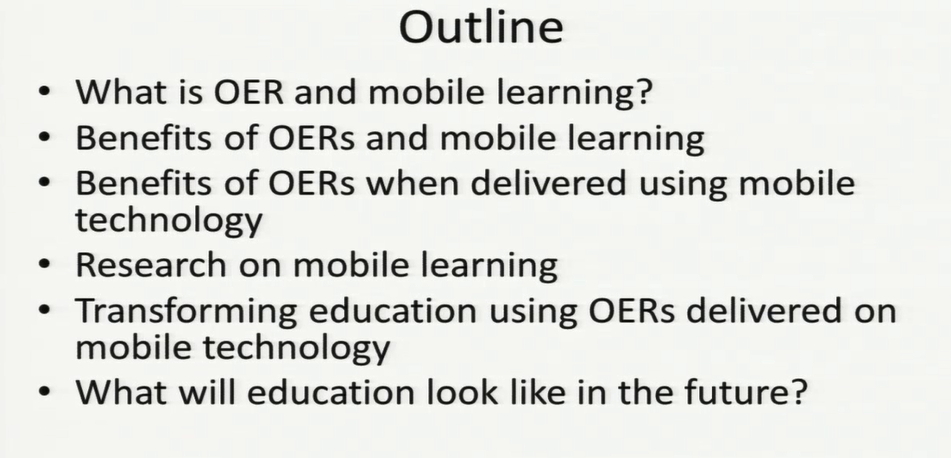
2014 이러닝 국제 콘퍼런스 : Open Education Resources with Mobile Learning to Transform Education
한국교육학술정보원 Mohamed Ally
이 자료와 함께 이용한 RISS 자료
나만을 위한 추천자료


