 국립중앙도서관 "우편 복사 서비스"로 연결 됩니다.


How does an autonomous learner affect team learning? The problem with team learning can be stated in simple terms: Many teams don't learn. Historically, case studies have presented various examples of disasters that occurred when teams did not learn ...
다국어 입력
あ
ぁ
か
が
さ
ざ
た
だ
な
は
ば
ぱ
ま
や
ゃ
ら
わ
ゎ
ん
い
ぃ
き
ぎ
し
じ
ち
ぢ
に
ひ
び
ぴ
み
り
う
ぅ
く
ぐ
す
ず
つ
づ
っ
ぬ
ふ
ぶ
ぷ
む
ゆ
ゅ
る
え
ぇ
け
げ
せ
ぜ
て
で
ね
へ
べ
ぺ
め
れ
お
ぉ
こ
ご
そ
ぞ
と
ど
の
ほ
ぼ
ぽ
も
よ
ょ
ろ
を
ア
ァ
カ
サ
ザ
タ
ダ
ナ
ハ
バ
パ
マ
ヤ
ャ
ラ
ワ
ヮ
ン
イ
ィ
キ
ギ
シ
ジ
チ
ヂ
ニ
ヒ
ビ
ピ
ミ
リ
ウ
ゥ
ク
グ
ス
ズ
ツ
ヅ
ッ
ヌ
フ
ブ
プ
ム
ユ
ュ
ル
エ
ェ
ケ
ゲ
セ
ゼ
テ
デ
ヘ
ベ
ペ
メ
レ
オ
ォ
コ
ゴ
ソ
ゾ
ト
ド
ノ
ホ
ボ
ポ
モ
ヨ
ョ
ロ
ヲ
―
http://chineseinput.net/에서 pinyin(병음)방식으로 중국어를 변환할 수 있습니다.
변환된 중국어를 복사하여 사용하시면 됩니다.
예시)
- 中文 을 입력하시려면 zhongwen을 입력하시고 space를누르시면됩니다.
- 北京 을 입력하시려면 beijing을 입력하시고 space를 누르시면 됩니다.
А
Б
В
Г
Д
Е
Ё
Ж
З
И
Й
К
Л
М
Н
О
П
Р
С
Т
У
Ф
Х
Ц
Ч
Ш
Щ
Ъ
Ы
Ь
Э
Ю
Я
а
б
в
г
д
е
ё
ж
з
и
й
к
л
м
н
о
п
р
с
т
у
ф
х
ц
ч
ш
щ
ъ
ы
ь
э
ю
я
′
″
℃
Å
¢
£
¥
¤
℉
‰
$
%
F
₩
㎕
㎖
㎗
ℓ
㎘
㏄
㎣
㎤
㎥
㎦
㎙
㎚
㎛
㎜
㎝
㎞
㎟
㎠
㎡
㎢
㏊
㎍
㎎
㎏
㏏
㎈
㎉
㏈
㎧
㎨
㎰
㎱
㎲
㎳
㎴
㎵
㎶
㎷
㎸
㎹
㎀
㎁
㎂
㎃
㎄
㎺
㎻
㎽
㎾
㎿
㎐
㎑
㎒
㎓
㎔
Ω
㏀
㏁
㎊
㎋
㎌
㏖
㏅
㎭
㎮
㎯
㏛
㎩
㎪
㎫
㎬
㏝
㏐
㏓
㏃
㏉
㏜
㏆
https://www.riss.kr/link?id=T10594976
- 저자
-
발행사항
[S.l.]: The George Washington University 2004
-
학위수여대학
The George Washington University
-
수여연도
2004
-
작성언어
영어
- 주제어
-
학위
Ed.D.
-
페이지수
176 p.
-
지도교수/심사위원
Chair: Neal Chalofsky.
-
0
상세조회 -
0
다운로드
인용문이 복사되었습니다.
부가정보
다국어 초록 (Multilingual Abstract)

How does an autonomous learner affect team learning? The problem with team learning can be stated in simple terms: Many teams don't learn. Historically, case studies have presented various examples of disasters that occurred when teams did not learn from failed missions in the military, airline industry, and healthcare system. Successful team learning does not have a foolproof formula (Senge, 1990). Does the key to team learning lie with the team member, the team as a collective unit, or the system?.
This exploratory case study seeks to assess the impact of individual learning on team learning. The theoretical framework is grounded on concepts described within the team learning model of Kasl, Marsick, and Dechant (1997). With these concepts in mind, the sample of the present study was selected on the basis of two criteria: a level of team learning (the pooled team learning mode) and the presence of at least one autonomous learner in a team.
Data were collected through research questionnaires, documentation, observations, and team member interviews. Data analysis revealed five meta-themes that explain how an autonomous learner affects team learning. These meta-themes are demonstrating leadership skills, maintaining healthy group dynamics, sharing information, modeling a systematic learning process, and strengthening team mental models. After the researcher analyzed these themes, a system emerged to explain the impact of the autonomous learner on the team learning process. The researcher illustrates the interactions between the environment, the autonomous learner, and the team. The foundation of the system is Dechant and Marsick's (1993) team learning model. The team learning process develops from team members' experience and leadership. The autonomous learner enlightens the team, thus influencing the team learning process.
This study concludes that practitioners can enhance team learning by ensuring the presence of an autonomous learner in the group. Further research is recommended on the relationship between the autonomous learner's personality and team learning, leadership and autonomous learning, and group dynamics in team learning.
This exploratory case study seeks to assess the impact of individual learning on team learning. The theoretical framework is grounded on concepts described within the team learning model of Kasl, Marsick, and Dechant (1997). With these concepts in mind, the sample of the present study was selected on the basis of two criteria: a level of team learning (the pooled team learning mode) and the presence of at least one autonomous learner in a team.
Data were collected through research questionnaires, documentation, observations, and team member interviews. Data analysis revealed five meta-themes that explain how an autonomous learner affects team learning. These meta-themes are demonstrating leadership skills, maintaining healthy group dynamics, sharing information, modeling a systematic learning process, and strengthening team mental models. After the researcher analyzed these themes, a system emerged to explain the impact of the autonomous learner on the team learning process. The researcher illustrates the interactions between the environment, the autonomous learner, and the team. The foundation of the system is Dechant and Marsick's (1993) team learning model. The team learning process develops from team members' experience and leadership. The autonomous learner enlightens the team, thus influencing the team learning process.
This study concludes that practitioners can enhance team learning by ensuring the presence of an autonomous learner in the group. Further research is recommended on the relationship between the autonomous learner's personality and team learning, leadership and autonomous learning, and group dynamics in team learning.
How does an autonomous learner affect team learning? The problem with team learning can be stated in simple terms: Many teams don't learn. Historically, case studies have presented various examples of disasters that occurred when teams did not learn from failed missions in the military, airline industry, and healthcare system. Successful team learning does not have a foolproof formula (Senge, 1990). Does the key to team learning lie with the team member, the team as a collective unit, or the system?.
This exploratory case study seeks to assess the impact of individual learning on team learning. The theoretical framework is grounded on concepts described within the team learning model of Kasl, Marsick, and Dechant (1997). With these concepts in mind, the sample of the present study was selected on the basis of two criteria: a level of team learning (the pooled team learning mode) and the presence of at least one autonomous learner in a team.
Data were collected through research questionnaires, documentation, observations, and team member interviews. Data analysis revealed five meta-themes that explain how an autonomous learner affects team learning. These meta-themes are demonstrating leadership skills, maintaining healthy group dynamics, sharing information, modeling a systematic learning process, and strengthening team mental models. After the researcher analyzed these themes, a system emerged to explain the impact of the autonomous learner on the team learning process. The researcher illustrates the interactions between the environment, the autonomous learner, and the team. The foundation of the system is Dechant and Marsick's (1993) team learning model. The team learning process develops from team members' experience and leadership. The autonomous learner enlightens the team, thus influencing the team learning process.
This study concludes that practitioners can enhance team learning by ensuring the presence of an autonomous learner in the group. Further research is recommended on the relationship between the autonomous learner's personality and team learning, leadership and autonomous learning, and group dynamics in team learning.
분석정보
연관 공개강의(KOCW)
-

Education Policy at the Party Conferences
Teachers TV Teachers TV -
2014 이러닝 국제 콘퍼런스 : What is the Lessons from Education Support Project~
한국교육정보진흥협회 Boseon, Kim -
Personal Finance Education: The Money Quiz
Teachers TV Teachers TV -
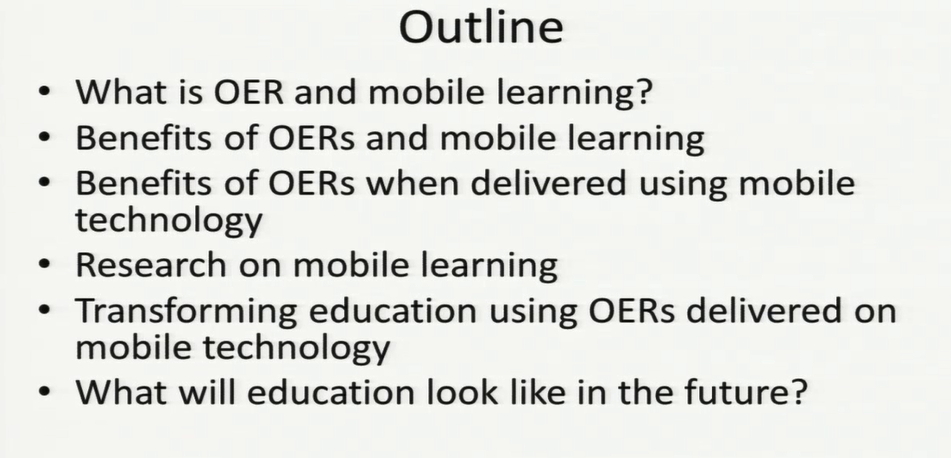
2014 이러닝 국제 콘퍼런스 : Open Education Resources with Mobile Learning to Transform Education
한국교육학술정보원 Mohamed Ally -
Further Education: Work Experience
Teachers TV Teachers TV
이 자료와 함께 이용한 RISS 자료
나만을 위한 추천자료


