 국립중앙도서관 "우편 복사 서비스"로 연결 됩니다.



 DBpia

이 글에서는 북한지역 석관묘유적을 대상으로 구조와 형식특징을 검토하였다. 더불어 각 형식별 석관묘제의 변화상을 4단계로 나누어 살핀 후 요동지역과의 비교를 통해 이 지역 석관묘제...
다국어 입력
あ
ぁ
か
が
さ
ざ
た
だ
な
は
ば
ぱ
ま
や
ゃ
ら
わ
ゎ
ん
い
ぃ
き
ぎ
し
じ
ち
ぢ
に
ひ
び
ぴ
み
り
う
ぅ
く
ぐ
す
ず
つ
づ
っ
ぬ
ふ
ぶ
ぷ
む
ゆ
ゅ
る
え
ぇ
け
げ
せ
ぜ
て
で
ね
へ
べ
ぺ
め
れ
お
ぉ
こ
ご
そ
ぞ
と
ど
の
ほ
ぼ
ぽ
も
よ
ょ
ろ
を
ア
ァ
カ
サ
ザ
タ
ダ
ナ
ハ
バ
パ
マ
ヤ
ャ
ラ
ワ
ヮ
ン
イ
ィ
キ
ギ
シ
ジ
チ
ヂ
ニ
ヒ
ビ
ピ
ミ
リ
ウ
ゥ
ク
グ
ス
ズ
ツ
ヅ
ッ
ヌ
フ
ブ
プ
ム
ユ
ュ
ル
エ
ェ
ケ
ゲ
セ
ゼ
テ
デ
ヘ
ベ
ペ
メ
レ
オ
ォ
コ
ゴ
ソ
ゾ
ト
ド
ノ
ホ
ボ
ポ
モ
ヨ
ョ
ロ
ヲ
―
http://chineseinput.net/에서 pinyin(병음)방식으로 중국어를 변환할 수 있습니다.
변환된 중국어를 복사하여 사용하시면 됩니다.
예시)
- 中文 을 입력하시려면 zhongwen을 입력하시고 space를누르시면됩니다.
- 北京 을 입력하시려면 beijing을 입력하시고 space를 누르시면 됩니다.
А
Б
В
Г
Д
Е
Ё
Ж
З
И
Й
К
Л
М
Н
О
П
Р
С
Т
У
Ф
Х
Ц
Ч
Ш
Щ
Ъ
Ы
Ь
Э
Ю
Я
а
б
в
г
д
е
ё
ж
з
и
й
к
л
м
н
о
п
р
с
т
у
ф
х
ц
ч
ш
щ
ъ
ы
ь
э
ю
я
′
″
℃
Å
¢
£
¥
¤
℉
‰
$
%
F
₩
㎕
㎖
㎗
ℓ
㎘
㏄
㎣
㎤
㎥
㎦
㎙
㎚
㎛
㎜
㎝
㎞
㎟
㎠
㎡
㎢
㏊
㎍
㎎
㎏
㏏
㎈
㎉
㏈
㎧
㎨
㎰
㎱
㎲
㎳
㎴
㎵
㎶
㎷
㎸
㎹
㎀
㎁
㎂
㎃
㎄
㎺
㎻
㎽
㎾
㎿
㎐
㎑
㎒
㎓
㎔
Ω
㏀
㏁
㎊
㎋
㎌
㏖
㏅
㎭
㎮
㎯
㏛
㎩
㎪
㎫
㎬
㏝
㏐
㏓
㏃
㏉
㏜
㏆

북한지역 석관묘유적의 특징과 성격 = Characteristics and Propertues of Stone-lined tomb Relics in North Korea Regions
한글로보기https://www.riss.kr/link?id=A101702990
- 저자
- 발행기관
- 학술지명
- 권호사항
-
발행연도
2015
-
작성언어
Korean
-
주제어
북한지역 ; 청동기시대 ; 석관묘 ; 석곽묘 ; 고인돌 ; 고조선 ; Stone-lined tomb ; North Korea Regions ; The Bronze Age ; Dolmens ; Gojoseon
-
등재정보
KCI등재
-
자료형태
학술저널
- 발행기관 URL
-
수록면
345-389(45쪽)
-
KCI 피인용횟수
5
- 제공처
- 소장기관
-
0
상세조회 -
0
다운로드
인용문이 복사되었습니다.
부가정보
국문 초록 (Abstract)

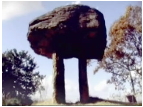
이 글에서는 북한지역 석관묘유적을 대상으로 구조와 형식특징을 검토하였다. 더불어 각 형식별 석관묘제의 변화상을 4단계로 나누어 살핀 후 요동지역과의 비교를 통해 이 지역 석관묘제의 출현과 그 시대적 배경을 추론하였다. 주요내용을 요약하면 아래와 같다. 북한지역 석관묘의 출현과 확산과정은 동시기 유행된 고인돌 및 요동지역과 연계하여 살펴보아야 한다. 대동강유역에서는 기원전 13세기 전후(1단계) 얇은 판석 여러 개를 세워 만든 탁자형 고인돌이 축조되는데 주변에서는 구조와 출토유물이 유사한 석관묘가 확인된다. 동일한 현상이 요동 남부지역에서는 적어도 기원전 16세기부터 관찰되며, 두 지역 석재무덤의 출토유물 또한 계통성이 확인되어 해안지역을 따라 서북한지역으로 확산되는 과정을 추정할 수 있겠다. 이후 제2 3단계(기원전 9~6세기)에는 석관묘와 고인돌의 수량이 점차 증가하고 묘실의 구조적 특징이 보다 유사해지면서, 두묘제의 특징이 결합된 새로운 묘제, 즉 석관형 석곽묘(Ⅰ형)가 출현한다. 또한 이 시기의 고인돌 중에는 정연한 형태의 단일 적석묘역을 가지며 받침돌이 두껍고 대형화 된 것들이 등장한다. 이러한 고인돌 주변으로 소규모의 석관묘가 분포하는 특징은 두 묘제의 관계를 이해 할 수 있는 한 자료가 될 수 있겠다. 제4단계(기원전 5~3세기)에는 고인돌과 석관묘의 수량이 점차 감소하며, 소멸기의 특징을 보여주는 혼축형 석관묘가 확인된다. 또한 석곽 내부에 석관대신 목관이 조성된 Ⅱ형 석곽묘가 출현하는데 모두 세형동검기 유물이 출토되었다. 이중 평양 신성동 석곽묘에서는 심양 정가와자 목곽묘 출토품과 유사한 다뉴조문경 및 비파형동검이 출토되어 시사하는 바가 크다. 요컨대, 미송리문화가 소멸되는 4단계에 진입하면 서북한 전체에서 새로운 문화의 국면으로 전환됨을 알 수 있다.
이 글에서는 북한지역 석관묘유적을 대상으로 구조와 형식특징을 검토하였다. 더불어 각 형식별 석관묘제의 변화상을 4단계로 나누어 살핀 후 요동지역과의 비교를 통해 이 지역 석관묘제의 출현과 그 시대적 배경을 추론하였다. 주요내용을 요약하면 아래와 같다. 북한지역 석관묘의 출현과 확산과정은 동시기 유행된 고인돌 및 요동지역과 연계하여 살펴보아야 한다. 대동강유역에서는 기원전 13세기 전후(1단계) 얇은 판석 여러 개를 세워 만든 탁자형 고인돌이 축조되는데 주변에서는 구조와 출토유물이 유사한 석관묘가 확인된다. 동일한 현상이 요동 남부지역에서는 적어도 기원전 16세기부터 관찰되며, 두 지역 석재무덤의 출토유물 또한 계통성이 확인되어 해안지역을 따라 서북한지역으로 확산되는 과정을 추정할 수 있겠다. 이후 제2 3단계(기원전 9~6세기)에는 석관묘와 고인돌의 수량이 점차 증가하고 묘실의 구조적 특징이 보다 유사해지면서, 두묘제의 특징이 결합된 새로운 묘제, 즉 석관형 석곽묘(Ⅰ형)가 출현한다. 또한 이 시기의 고인돌 중에는 정연한 형태의 단일 적석묘역을 가지며 받침돌이 두껍고 대형화 된 것들이 등장한다. 이러한 고인돌 주변으로 소규모의 석관묘가 분포하는 특징은 두 묘제의 관계를 이해 할 수 있는 한 자료가 될 수 있겠다. 제4단계(기원전 5~3세기)에는 고인돌과 석관묘의 수량이 점차 감소하며, 소멸기의 특징을 보여주는 혼축형 석관묘가 확인된다. 또한 석곽 내부에 석관대신 목관이 조성된 Ⅱ형 석곽묘가 출현하는데 모두 세형동검기 유물이 출토되었다. 이중 평양 신성동 석곽묘에서는 심양 정가와자 목곽묘 출토품과 유사한 다뉴조문경 및 비파형동검이 출토되어 시사하는 바가 크다. 요컨대, 미송리문화가 소멸되는 4단계에 진입하면 서북한 전체에서 새로운 문화의 국면으로 전환됨을 알 수 있다.
다국어 초록 (Multilingual Abstract)
This paper reviewed the structure and characteristic of the forms of stone-lined tombs in the North Korea regions. It also classified the change patterns of stone-lined tomb system into 4 Phases by form and inferred the emergence of stone-lined tomb system in the region and background of the times through the comparison with Liaodong region. Major findings were summarized as follows.
Emergence of stone-lined tombs in the North Korea regions and their expansion process should be studied in connection with dolmens that were widespread at that time and Liaodong regions. In the basin of Daedong River around 13th century B.C.(Phase1), table-type dolmens were built by standing up several thin flag stones, around which we found stone-lined tombs that are similar to those dolmens intermsof structure and there lics buried. Same characteristics were found in southern part of Liaodong beginning from 16th century B.C. at the earliest. As the close connections were found between the relics excavated in the stone tombs of the two regions, it was assumed that they were expanded to the west of the North Korea regions along the coastal areas.
Since then, the numbers of stone-lined tombs and dolmens gradually increased in the Phase 2 and 3 (9th~6th century B.C.) and their structural characteristics of the chamber of the dead became more similar, new type of tomb combined with the characteristics of two tomb systems, that is the stone-lined tombs (I-type) emerged. In addition, among the dolmens of the times, arranged and unified red stone-lined tombs with thick and large pedestal emerged. Around the dolmens, small-sized tombs were distributed and such characteristics can be evidence materials with which we can understand the relationship of the two tomb systems.
In the Phase 4 (5th~4thCenturyB.C.), then umber of dolmens and stone-lined tombs gradually decreased and the combined types of stone-lined tomb swere found, which show sthe characteristics of the period of extinction. Also, there emerged II-type stone-lined tomb sof which coffin was made of wooden rather than stone. From the tombs, fine-shape bronze swords were found. Among them, there were rough-patterned mirror sandlute-shaped bronzes words found in the stone-line tomb in Sinseong-dong, Pyeongyang. The yare similar to there lics excavated in the wooden-lined tomb in Zhengjiawazi, Shenyang. In short, entering in to the Phase 4 when the Misongri Culture wasexting uished, it began the period of new culture in the whole west region of North Korea.
This paper reviewed the structure and characteristic of the forms of stone-lined tombs in the North Korea regions. It also classified the change patterns of stone-lined tomb system into 4 Phases by form and inferred the emergence of stone-lined tomb s...
This paper reviewed the structure and characteristic of the forms of stone-lined tombs in the North Korea regions. It also classified the change patterns of stone-lined tomb system into 4 Phases by form and inferred the emergence of stone-lined tomb system in the region and background of the times through the comparison with Liaodong region. Major findings were summarized as follows.
Emergence of stone-lined tombs in the North Korea regions and their expansion process should be studied in connection with dolmens that were widespread at that time and Liaodong regions. In the basin of Daedong River around 13th century B.C.(Phase1), table-type dolmens were built by standing up several thin flag stones, around which we found stone-lined tombs that are similar to those dolmens intermsof structure and there lics buried. Same characteristics were found in southern part of Liaodong beginning from 16th century B.C. at the earliest. As the close connections were found between the relics excavated in the stone tombs of the two regions, it was assumed that they were expanded to the west of the North Korea regions along the coastal areas.
Since then, the numbers of stone-lined tombs and dolmens gradually increased in the Phase 2 and 3 (9th~6th century B.C.) and their structural characteristics of the chamber of the dead became more similar, new type of tomb combined with the characteristics of two tomb systems, that is the stone-lined tombs (I-type) emerged. In addition, among the dolmens of the times, arranged and unified red stone-lined tombs with thick and large pedestal emerged. Around the dolmens, small-sized tombs were distributed and such characteristics can be evidence materials with which we can understand the relationship of the two tomb systems.
In the Phase 4 (5th~4thCenturyB.C.), then umber of dolmens and stone-lined tombs gradually decreased and the combined types of stone-lined tomb swere found, which show sthe characteristics of the period of extinction. Also, there emerged II-type stone-lined tomb sof which coffin was made of wooden rather than stone. From the tombs, fine-shape bronze swords were found. Among them, there were rough-patterned mirror sandlute-shaped bronzes words found in the stone-line tomb in Sinseong-dong, Pyeongyang. The yare similar to there lics excavated in the wooden-lined tomb in Zhengjiawazi, Shenyang. In short, entering in to the Phase 4 when the Misongri Culture wasexting uished, it began the period of new culture in the whole west region of North Korea.
목차 (Table of Contents)
- 국문초록
- 1. 머리말
- 2. 구조와 형식특징
- 3. 편년 및 단계별 특징
- 4. 요동지역과의 비교
- 국문초록
- 1. 머리말
- 2. 구조와 형식특징
- 3. 편년 및 단계별 특징
- 4. 요동지역과의 비교
- 5. 맺음말
- 참고문헌
참고문헌 (Reference)
1 許明綱許玉林, "遼寧新金雙房石盖石棺墓" 1983 (1983): 1983
2 劉俊勇戴延德, "遼寧新金王屯石棺墓" 3 : 1988
3 백종오, "遼南地域 靑銅器時代遺蹟의 發掘現況과 硏究成果" 고조선단군학회 29 (29): 181-230, 2013
4 황기덕, "황해북도 황주군 심촌리긴동고인돌" 과학원출판사 3 : 1963
5 석광준, "황해북도 연산군 공포리무덤떼 발굴 간략보고" 1 : 1962
6 황기덕, "황해 남도 룡연군 석교리 원시 유적 발굴 보고" 과학원출판사 3 : 1963
7 황기덕, "황주군 침촌리 청동기시대유적 발굴보고" 3 : 1966
8 지건길, "한반도의 고인돌사회와 고분문화" 2014
9 成璟당, "한반도 청동무기 연구 : 중국 동북지역과의 비교" 전남대학 2009
10 미야자토 오사무, "한반도 청동기의 기원과 전개"
11 김원룡, "한국의 고분"
12 이종선, "한국석 관묘의 연구" 1 : 1976
13 김원룡, "한국고고학개설" 일지사 1986
14 김정배, "한국 청동기문화의 기원에 관한 소고" 17 : 1979
15 이영문, "한국 지석묘사회 연구" 학연 2002
16 김종혁, "표대유적 팽이그릇집자리들의 편년" 사회과학출판사 2 : 2003
17 이창언, "평양일대의 돌관무덤과 그 변천에 대하여" 2 : 1996
18 이순진, "평양일대에서 확인된 황대성에 대하여" 1 : 1995
19 김동일, "평양일대 돌관무덤의 류형과 변천에 대하여" 1 : 2007
20 서국태, "팽이그릇문화의 편년에 대하여" 사회과학출판사 2 : 1996
21 한수영, "청동촉 소고" 4 : 2004
22 손준호, "청동기시대 마제석기 연구" 서경 2006
23 김동일, "증산군 룡덕리고인돌떼에 대하여" 4 : 1995
24 이병선, "중강군 토성리 원시, 고대유적발굴 중간보고" 1961
25 사회과학원고고학연구소, "조선고고학전서 17(고대편8) 북부조선지역의 고대무덤" 진인진 2009
26 사회과학원고고학연구소, "조선고고학전서 15 16(고대편6 7) 북부조선지역의 고인돌무덤(1 2)" 진인진 2009
27 오대양, "요동지역 청동기시대 문화의 양상과 전개 – 소위 쌍방·미송리문화를 중심으로–" 동양학연구원 (61) : 123-151, 2015
28 김성국, "오신리유적의 팽이그릇시기집자리" 2008 (2008): 2008
29 이순진, "신암리유적발굴 중간보고" (3) : 1965
30 김재용, "신성동 석곽묘에 대하여" 1 : 2012
31 지건길, "석관묘" 13 : 1986
32 황기덕, "서북지방 팽이그릇유적의 연대에 대하여" 66 (66): 1966
33 오강원, "서단산문화와 길림 지역의 청동기문화" 학연 2008
34 오강원, "비파형동검문화와 요령지역의 청동기문" 청계 2006
35 오대양, "북한지역 고인돌유적의 특징과 성격" 한국고대학회 (40) : 69-106, 2014
36 석광준, "북창유적의 돌상자무덤과 고인돌에 대하여" 사회과학출판사 5 : 1973
37 정찬영, "북창군 대평리유적 발굴보고" 사회과학출판사 4 : 1974
38 배진성, "무문토기문화의 성립과 계층사회" 서경 2007
39 고영남, "로동리고인돌무덤 발굴보고" 사회과학출판사 3 : 2011
40 姜仁旭, "두만강 유역 청동기시대 문화 의 변천 과정에 대하여 - 동북한 토기의 편년 및 주변 지역과의 비교를 중심으로 -" 한국고고학회 (62) : 46-89, 2007
41 이청규, "동북아지역의 다뉴경과 그 부장묘에 대하여" 한국고고학회 40 : 1999
42 이기련, "덕천 승리산유적 발굴간보" 1978
43 하문식, "고조선지역의 고인돌 연구" 백산 1999
44 하문식, "고조선의 무덤 연구*북한지역 고인돌을 중심으로" 고조선단군학회 12 : 137-176, 2005
45 고광렬, "강동군 순창리 돌관무덤에서 나온 유골의 성별관계와 연령구성에대하여" 3 : 1995
46 최종모, "각형토기문화유형의 연구" (사)한국매장문화재협회 (1) : 73-114, 2006
47 遼寧省文物考古硏究所, "馬城子-太子河上流洞穴遺存" 文物出版社 1994
48 林炳泰, "韓國靑銅器文化의 硏究" 學硏文化社 1996
49 오강원, "靑銅器文明周邊集團의 墓制와 君長社會 -遼東과 吉林地域의 支石墓와 社會" 호서고고학회 (26) : 110-151, 2012
50 한영희, "角形土器考" 한국고고학연구회 14 15 : 1983
51 崔艶筎等, "營口市文物" 遼寧民族出版社
52 庄田愼矢, "湖西地域 出土 琵琶刑銅劍과彌生時代 開始年代" 호서고고학회 (12집) : 35-62, 2005
53 鄭漢德, "朝鮮西北地方巨石文化におけるコマ形土器とその文化について" 日本考古學會 52 (52): 1966
54 吳大洋, "朝鮮半島北部地區靑銅器時代石構墓葬硏究-兼論中國東北地區之比較" 吉林大學 2014
55 田村晃一, "朝鮮半島の角形土器とその石器" 考古學硏究會 10 (10): 1963
56 张静田子义李道胜, "朝阳小波赤青铜短剑墓" 1993 (1993): 1993
57 許明綱許玉林, "新金雙房石棚和石盖石棺墓" 1980 (1980): 1980
58 許玉林許明綱, "新金雙房石棚和石盖石棺墓" 1983 (1983): 1983
59 서영수, "古朝鮮과 우리민족의 正體性" 65 : 2003
60 華玉冰, "中國東北地域石棚硏究" 科學出版社 2011
61 吕军, "中国东北系青铜短剑研究" 吉林大学 2006
동일학술지(권/호) 다른 논문
-
- 고려사학회
- 박대재(Park, Dae-Jae)
- 2015
- KCI등재
-
- 고려사학회
- 오현수(Oh, Hyun-Su)
- 2015
- KCI등재
-
- 고려사학회
- 김남중(Kim, Nam-Jung)
- 2015
- KCI등재
-
- 고려사학회
- 홍승현(Hong, Seng-Hyun)
- 2015
- KCI등재
분석정보
인용정보 인용지수 설명보기
학술지 이력
| 연월일 | 이력구분 | 이력상세 | 등재구분 |
|---|---|---|---|
| 2027 | 평가 | 재인증평가 신청대상 (재인증) | |
| 2021-01-01 | 등재 | 등재학술지 유지 (재인증) | |
| 2018-01-01 | 등재 | 등재학술지 유지 (등재유지) | |
| 2015-01-01 | 등재 | 등재학술지 유지 (등재유지) | |
| 2011-01-01 | 등재 | 등재학술지 유지 (등재유지) | |
| 2009-01-01 | 등재 | 등재학술지 유지 (등재유지) | |
| 2007-02-06 | 학회명변경 | 영문명 : 미등록 -> The Society for the Studies of Korean History | |
| 2007-01-01 | 등재 | 등재학술지 유지 (등재유지) | |
| 2005-09-29 | 학술지명변경 | 외국어명 : 미등록 -> The Journal for the Studies of Korean History | |
| 2004-01-01 | 등재 | 등재학술지 선정 (등재후보2차) | |
| 2003-01-01 | 등재 | 등재후보 1차 PASS (등재후보1차) |  |
| 2001-07-01 | 등재 | 등재후보학술지 선정 (신규평가) | |
학술지 인용정보
| 기준연도 | WOS-KCI 통합IF(2년) | KCIF(2년) | KCIF(3년) |
|---|---|---|---|
| 2016 | 1.28 | 1.28 | 1.11 |
| KCIF(4년) | KCIF(5년) | 중심성지수(3년) | 즉시성지수 |
| 0.97 | 0.89 | 2.254 | 0.21 |



이 자료와 함께 이용한 RISS 자료
나만을 위한 추천자료
로그인하고 관련된 다양한 학술자료를 확인해 보세요.
로그인

