 국립중앙도서관 "우편 복사 서비스"로 연결 됩니다.



This study tested the appropriateness of the gap model to the human resource development (HRD) function in organizations. The gap model has been used in the service quality literature to assess customer satisfaction with the assumption that discrepan...
다국어 입력
あ
ぁ
か
が
さ
ざ
た
だ
な
は
ば
ぱ
ま
や
ゃ
ら
わ
ゎ
ん
い
ぃ
き
ぎ
し
じ
ち
ぢ
に
ひ
び
ぴ
み
り
う
ぅ
く
ぐ
す
ず
つ
づ
っ
ぬ
ふ
ぶ
ぷ
む
ゆ
ゅ
る
え
ぇ
け
げ
せ
ぜ
て
で
ね
へ
べ
ぺ
め
れ
お
ぉ
こ
ご
そ
ぞ
と
ど
の
ほ
ぼ
ぽ
も
よ
ょ
ろ
を
ア
ァ
カ
サ
ザ
タ
ダ
ナ
ハ
バ
パ
マ
ヤ
ャ
ラ
ワ
ヮ
ン
イ
ィ
キ
ギ
シ
ジ
チ
ヂ
ニ
ヒ
ビ
ピ
ミ
リ
ウ
ゥ
ク
グ
ス
ズ
ツ
ヅ
ッ
ヌ
フ
ブ
プ
ム
ユ
ュ
ル
エ
ェ
ケ
ゲ
セ
ゼ
テ
デ
ヘ
ベ
ペ
メ
レ
オ
ォ
コ
ゴ
ソ
ゾ
ト
ド
ノ
ホ
ボ
ポ
モ
ヨ
ョ
ロ
ヲ
―
http://chineseinput.net/에서 pinyin(병음)방식으로 중국어를 변환할 수 있습니다.
변환된 중국어를 복사하여 사용하시면 됩니다.
예시)
- 中文 을 입력하시려면 zhongwen을 입력하시고 space를누르시면됩니다.
- 北京 을 입력하시려면 beijing을 입력하시고 space를 누르시면 됩니다.
А
Б
В
Г
Д
Е
Ё
Ж
З
И
Й
К
Л
М
Н
О
П
Р
С
Т
У
Ф
Х
Ц
Ч
Ш
Щ
Ъ
Ы
Ь
Э
Ю
Я
а
б
в
г
д
е
ё
ж
з
и
й
к
л
м
н
о
п
р
с
т
у
ф
х
ц
ч
ш
щ
ъ
ы
ь
э
ю
я
′
″
℃
Å
¢
£
¥
¤
℉
‰
$
%
F
₩
㎕
㎖
㎗
ℓ
㎘
㏄
㎣
㎤
㎥
㎦
㎙
㎚
㎛
㎜
㎝
㎞
㎟
㎠
㎡
㎢
㏊
㎍
㎎
㎏
㏏
㎈
㎉
㏈
㎧
㎨
㎰
㎱
㎲
㎳
㎴
㎵
㎶
㎷
㎸
㎹
㎀
㎁
㎂
㎃
㎄
㎺
㎻
㎽
㎾
㎿
㎐
㎑
㎒
㎓
㎔
Ω
㏀
㏁
㎊
㎋
㎌
㏖
㏅
㎭
㎮
㎯
㏛
㎩
㎪
㎫
㎬
㏝
㏐
㏓
㏃
㏉
㏜
㏆
Testing the appropriateness of the gap service-management model to the human resource development function in organizations.
한글로보기https://www.riss.kr/link?id=T10547492
- 저자
-
발행사항
[S.l.]: The Ohio State University 2000
-
학위수여대학
The Ohio State University
-
수여연도
2000
-
작성언어
영어
- 주제어
-
학위
Ph.D.
-
페이지수
180 p.
-
지도교수/심사위원
Adviser: Ronald L. Jacobs.
-
0
상세조회 -
0
다운로드
인용문이 복사되었습니다.
부가정보
다국어 초록 (Multilingual Abstract)

This study tested the appropriateness of the gap model to the human resource development (HRD) function in organizations. The gap model has been used in the service quality literature to assess customer satisfaction with the assumption that discrepancies may exist between customer expectations before and after the delivery of service. Similarly, the model was used to assess satisfaction with the training services provided by a human resource development function in an organization setting. The gap model was validated in two phases. The first phase tested the relationships among nine proposed constructs. The second phase tested the relationship among five potential gaps in the training service process. The results showed that employee perceptions of the criticality of the training program and the extent of management involvement in the training program were significantly related to employee expectations. Overall employee perception of the HRD function and its marketing efforts did not contribute beyond what was already explained by the first two constructs. Additionally, manager perceptions of employee expectations were significantly related to how well the training program was operationalized to match employee expectations. Employee perceptions of the extent of management involvement and employee perceptions of how the training was delivered were significantly related to employee perceptions of training outcomes. The study also found that three gaps: (1) the marketing information gap, (2) the standard gap, and (3) the service performance gap, were significantly related to employee satisfaction with the training outcomes, which had the most influence. Gap 4, the communication gap, was not related to employee satisfaction with training results.
The results suggest that employee expectations play a crucial role in establishing perceptions of training results. In turn, those expectations are shaped by what employees consider critical training and the extent to which they believe their management is involved and supportive of the training initiatives. The study also suggests that training delivery is the most influential element in evaluating training outcomes.
분석정보
연관 공개강의(KOCW)
-

Education Policy at the Party Conferences
Teachers TV Teachers TV -
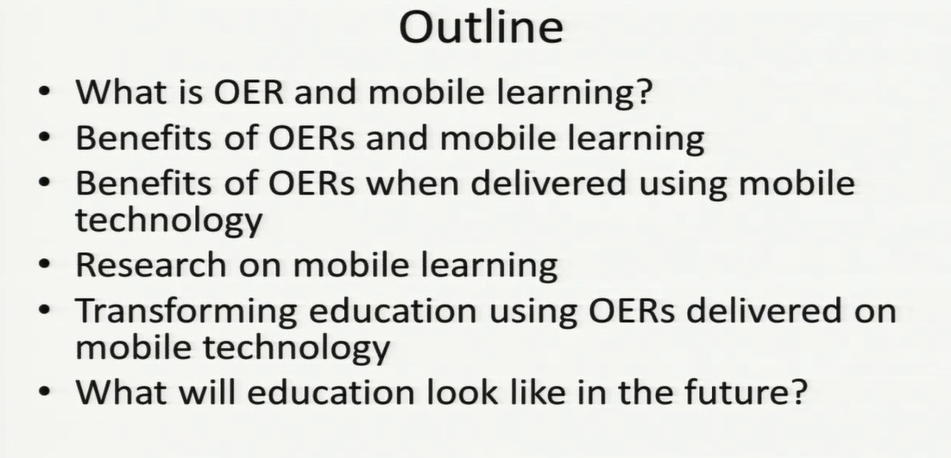
2014 이러닝 국제 콘퍼런스 : Open Education Resources with Mobile Learning to Transform Education
한국교육학술정보원 Mohamed Ally -
Personal Finance Education: The Money Quiz
Teachers TV Teachers TV -
Further Education: Work Experience
Teachers TV Teachers TV -
Early Sex Education: The Debate
Teachers TV Teachers TV
이 자료와 함께 이용한 RISS 자료
나만을 위한 추천자료
로그인하고 관련된 다양한 학술자료를 확인해 보세요.
로그인

