 국립중앙도서관 "우편 복사 서비스"로 연결 됩니다.


This thesis starts by studying the definition of what may be considered a virtual asset or a crypto asset by pointing out its differences, furthermore, it aims to provide a comparative analysis of the tax regulations applicable to crypto assets in Col...
다국어 입력
あ
ぁ
か
が
さ
ざ
た
だ
な
は
ば
ぱ
ま
や
ゃ
ら
わ
ゎ
ん
い
ぃ
き
ぎ
し
じ
ち
ぢ
に
ひ
び
ぴ
み
り
う
ぅ
く
ぐ
す
ず
つ
づ
っ
ぬ
ふ
ぶ
ぷ
む
ゆ
ゅ
る
え
ぇ
け
げ
せ
ぜ
て
で
ね
へ
べ
ぺ
め
れ
お
ぉ
こ
ご
そ
ぞ
と
ど
の
ほ
ぼ
ぽ
も
よ
ょ
ろ
を
ア
ァ
カ
サ
ザ
タ
ダ
ナ
ハ
バ
パ
マ
ヤ
ャ
ラ
ワ
ヮ
ン
イ
ィ
キ
ギ
シ
ジ
チ
ヂ
ニ
ヒ
ビ
ピ
ミ
リ
ウ
ゥ
ク
グ
ス
ズ
ツ
ヅ
ッ
ヌ
フ
ブ
プ
ム
ユ
ュ
ル
エ
ェ
ケ
ゲ
セ
ゼ
テ
デ
ヘ
ベ
ペ
メ
レ
オ
ォ
コ
ゴ
ソ
ゾ
ト
ド
ノ
ホ
ボ
ポ
モ
ヨ
ョ
ロ
ヲ
―
http://chineseinput.net/에서 pinyin(병음)방식으로 중국어를 변환할 수 있습니다.
변환된 중국어를 복사하여 사용하시면 됩니다.
예시)
- 中文 을 입력하시려면 zhongwen을 입력하시고 space를누르시면됩니다.
- 北京 을 입력하시려면 beijing을 입력하시고 space를 누르시면 됩니다.
А
Б
В
Г
Д
Е
Ё
Ж
З
И
Й
К
Л
М
Н
О
П
Р
С
Т
У
Ф
Х
Ц
Ч
Ш
Щ
Ъ
Ы
Ь
Э
Ю
Я
а
б
в
г
д
е
ё
ж
з
и
й
к
л
м
н
о
п
р
с
т
у
ф
х
ц
ч
ш
щ
ъ
ы
ь
э
ю
я
′
″
℃
Å
¢
£
¥
¤
℉
‰
$
%
F
₩
㎕
㎖
㎗
ℓ
㎘
㏄
㎣
㎤
㎥
㎦
㎙
㎚
㎛
㎜
㎝
㎞
㎟
㎠
㎡
㎢
㏊
㎍
㎎
㎏
㏏
㎈
㎉
㏈
㎧
㎨
㎰
㎱
㎲
㎳
㎴
㎵
㎶
㎷
㎸
㎹
㎀
㎁
㎂
㎃
㎄
㎺
㎻
㎽
㎾
㎿
㎐
㎑
㎒
㎓
㎔
Ω
㏀
㏁
㎊
㎋
㎌
㏖
㏅
㎭
㎮
㎯
㏛
㎩
㎪
㎫
㎬
㏝
㏐
㏓
㏃
㏉
㏜
㏆
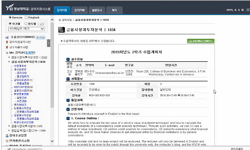
Comparative Personal Income Taxation Analysis of Crypto Assets : with a focus on BTC = 가상자산에 대한 개인소득세 비교법 연구 : 비트코인을 중심으로
한글로보기https://www.riss.kr/link?id=T16937952
- 저자
-
발행사항
서울 : 국민대학교 일반대학원, 2023
-
학위논문사항
학위논문(석사) -- 국민대학교 일반대학원 , 법학전공 , 2024. 2
-
발행연도
2023
-
작성언어
영어
-
주제어
Crypto Assets ; Personal Income ; Taxation Comparative ; Income tax ; Analysis ; Bitcoin (BTC) ; Virtual Currency ; Tax Policy ; Cryptocurrency Taxation ; Regulatory Framework ; Tax Implications ; Financial Regulation ; Colombia ; 가상자산 ; 개인소득세 ; 비교분석 ; 비트코인 ; 가상화폐 ; 세무 정책 ; 가상화폐 과세 ; 규제 프레임워크 ; 세법적 영향 ; 금융 규제
-
발행국(도시)
서울
-
형태사항
vi, 99 ; 26 cm
-
일반주기명
지도교수: 안경봉
-
UCI식별코드
I804:11014-200000733227
-
소장기관
- 국민대학교 성곡도서관

- 국민대학교 성곡도서관
-
0
상세조회 -
0
다운로드
인용문이 복사되었습니다.
부가정보
다국어 초록 (Multilingual Abstract)

This thesis starts by studying the definition of what may be considered a virtual asset or a crypto asset by pointing out its differences, furthermore, it aims to provide a comparative analysis of the tax regulations applicable to crypto assets in Colombia and Korea, particularly in the case of BITCOIN. The study will examine the legal framework of both countries and evaluate the tax treatment of virtual assets focusing on the asset previously mentioned. The research will also explore the tax reporting obligations for virtual asset holders and the tax implications of crypto asset transactions in both countries. By comparing and contrasting the tax regulations of the personal income tax of Colombia and Korea, this thesis will contribute to a better understanding of the challenges and opportunities in the taxation of crypto assets in different jurisdictions. The findings of this research may be useful for policymakers, tax authorities, and virtual asset holders seeking to navigate the complex tax landscape of virtual assets. In this thesis we aim to compare according to the following criteria:
Definition of virtual assets
Subject with the obligation to pay.
Conceptual category of the obligation to pay
Additional relevant regulation to operate
It is important to conduct a comparative analysis of the tax regulations applicable to virtual assets in Colombia and Korea for several reasons. Firstly, virtual assets are becoming increasingly prevalent and are rapidly gaining popularity in the global economy. As such, it is crucial to understand how different jurisdictions treat virtual assets from a tax perspective, especially since tax regulations can have a significant impact on the development of virtual asset markets. This analysis could serve as an opportunity to challenge the promises of individual autonomy, freedom, and wealth preservation associated with BTC in the face of its regulation, and also in contrast with the emergence of digital national currencies. Secondly, the lack of uniformity in the tax treatment of virtual assets across different countries can create challenges for cross-border transactions and investment. Therefore, a comparative study of the tax regulations of different countries can help identify areas of inconsistency and facilitate the development of a more harmonized international tax framework for crypto assets. Finally, by comparing and contrasting the tax regulations of the personal income of Colombia and Korea, this thesis can provide insights into the potential advantages and disadvantages of different tax approaches to virtual assets, which can be useful for policymakers and virtual asset holders seeking to optimize their tax planning strategies. Now for the purpose of this thesis, the question that shall be addressed is:
Regarding virtual assets, in particular ‘crypto assets’ (specially BTC), when applying the criteria of ‘definition’, ‘taxpayer’ and ‘Conceptual category’ and ‘additional relevant regulation’; what differences can be perceived between the regulatory approach of Colombia and South Korea?
Although the details of this answer could be found in the conclusions chapter, one of the biggest conclusions that is reached within this paper, is that the Korean regulation shows a more strict and less permissive regulation with additional requests to operate, while the state of the regulation in Colombia, at this point in time, could be better described as unregulated. Additionally, there is a larger development in the definition and further categorization in Korea that could not be perceived in the Colombian regulation and, finally, Colombia shows a less skeptic approach to the income perceived compared to its Korean pair.
Definition of virtual assets
Subject with the obligation to pay.
Conceptual category of the obligation to pay
Additional relevant regulation to operate
It is important to conduct a comparative analysis of the tax regulations applicable to virtual assets in Colombia and Korea for several reasons. Firstly, virtual assets are becoming increasingly prevalent and are rapidly gaining popularity in the global economy. As such, it is crucial to understand how different jurisdictions treat virtual assets from a tax perspective, especially since tax regulations can have a significant impact on the development of virtual asset markets. This analysis could serve as an opportunity to challenge the promises of individual autonomy, freedom, and wealth preservation associated with BTC in the face of its regulation, and also in contrast with the emergence of digital national currencies. Secondly, the lack of uniformity in the tax treatment of virtual assets across different countries can create challenges for cross-border transactions and investment. Therefore, a comparative study of the tax regulations of different countries can help identify areas of inconsistency and facilitate the development of a more harmonized international tax framework for crypto assets. Finally, by comparing and contrasting the tax regulations of the personal income of Colombia and Korea, this thesis can provide insights into the potential advantages and disadvantages of different tax approaches to virtual assets, which can be useful for policymakers and virtual asset holders seeking to optimize their tax planning strategies. Now for the purpose of this thesis, the question that shall be addressed is:
Regarding virtual assets, in particular ‘crypto assets’ (specially BTC), when applying the criteria of ‘definition’, ‘taxpayer’ and ‘Conceptual category’ and ‘additional relevant regulation’; what differences can be perceived between the regulatory approach of Colombia and South Korea?
Although the details of this answer could be found in the conclusions chapter, one of the biggest conclusions that is reached within this paper, is that the Korean regulation shows a more strict and less permissive regulation with additional requests to operate, while the state of the regulation in Colombia, at this point in time, could be better described as unregulated. Additionally, there is a larger development in the definition and further categorization in Korea that could not be perceived in the Colombian regulation and, finally, Colombia shows a less skeptic approach to the income perceived compared to its Korean pair.
This thesis starts by studying the definition of what may be considered a virtual asset or a crypto asset by pointing out its differences, furthermore, it aims to provide a comparative analysis of the tax regulations applicable to crypto assets in Colombia and Korea, particularly in the case of BITCOIN. The study will examine the legal framework of both countries and evaluate the tax treatment of virtual assets focusing on the asset previously mentioned. The research will also explore the tax reporting obligations for virtual asset holders and the tax implications of crypto asset transactions in both countries. By comparing and contrasting the tax regulations of the personal income tax of Colombia and Korea, this thesis will contribute to a better understanding of the challenges and opportunities in the taxation of crypto assets in different jurisdictions. The findings of this research may be useful for policymakers, tax authorities, and virtual asset holders seeking to navigate the complex tax landscape of virtual assets. In this thesis we aim to compare according to the following criteria:
Definition of virtual assets
Subject with the obligation to pay.
Conceptual category of the obligation to pay
Additional relevant regulation to operate
It is important to conduct a comparative analysis of the tax regulations applicable to virtual assets in Colombia and Korea for several reasons. Firstly, virtual assets are becoming increasingly prevalent and are rapidly gaining popularity in the global economy. As such, it is crucial to understand how different jurisdictions treat virtual assets from a tax perspective, especially since tax regulations can have a significant impact on the development of virtual asset markets. This analysis could serve as an opportunity to challenge the promises of individual autonomy, freedom, and wealth preservation associated with BTC in the face of its regulation, and also in contrast with the emergence of digital national currencies. Secondly, the lack of uniformity in the tax treatment of virtual assets across different countries can create challenges for cross-border transactions and investment. Therefore, a comparative study of the tax regulations of different countries can help identify areas of inconsistency and facilitate the development of a more harmonized international tax framework for crypto assets. Finally, by comparing and contrasting the tax regulations of the personal income of Colombia and Korea, this thesis can provide insights into the potential advantages and disadvantages of different tax approaches to virtual assets, which can be useful for policymakers and virtual asset holders seeking to optimize their tax planning strategies. Now for the purpose of this thesis, the question that shall be addressed is:
Regarding virtual assets, in particular ‘crypto assets’ (specially BTC), when applying the criteria of ‘definition’, ‘taxpayer’ and ‘Conceptual category’ and ‘additional relevant regulation’; what differences can be perceived between the regulatory approach of Colombia and South Korea?
Although the details of this answer could be found in the conclusions chapter, one of the biggest conclusions that is reached within this paper, is that the Korean regulation shows a more strict and less permissive regulation with additional requests to operate, while the state of the regulation in Colombia, at this point in time, could be better described as unregulated. Additionally, there is a larger development in the definition and further categorization in Korea that could not be perceived in the Colombian regulation and, finally, Colombia shows a less skeptic approach to the income perceived compared to its Korean pair.
국문 초록 (Abstract)
이 논문은 주로 BITCOIN 사례를 중심으로 콜롬비아와 한국의 가상 자산에 적용되는 세법규의 비교 분석을 제공하는 것을 목표로 합니다. 연구는 두 나라의 법적 틀을 조사하고, 특히 이전에 언급한 자산을 중심으로 가상 자산의 세금 처리를 평가할 것입니다. 이 연구는 또한 두 나라의 가상 자산 소유자들에 대한 세금 신고 의무와 가상 자산 거래의 세금 영향을 탐구할 것입니다. 콜롬비아와 한국의 세법규를 비교하고 대조함으로써, 이 논문은 다른 관할 구역에서 가상 자산의 과세에 대한 도전과 기회에 대한 더 나은 이해에 기여할 것입니다. 이 연구 결과는 정책 결정자, 세금 당국 및 가상 자산 소유자들이 복잡한 가상 자산의 세금 제도를 해독하기 위해 유용할 수 있습니다. 이 논문에서는 다음 기준에 따라 비교하는 것을 목표로 합니다:
• Virtual assets의 정의
• 지불 의무를 지는 주체
• 지불 의무의 개념적 범주
• 운영을 위한 추가적인 관련 규정
콜롬비아와 한국의 가상 자산에 적용되는 세법규를 비교 분석하는 것은 여러 가지 이유로 중요합니다. 첫째, 가상 자산은 글로벌 경제에서 점차 보편화되고 인기를 끌고 있습니다. 이에 따라 다른 관할 구역이 가상 자산을 세금 관점에서 어떻게 다루는지 이해하는 것이 매우 중요합니다. 특히 세법규는 가상 자산 시장의 발전에 큰 영향을 미칠 수 있기 때문입니다. 이 분석은 BTC의 규제와 관련하여 개인의 자율성, 자유, 부의 보전에 대한 약속들을 도전하는 기회로서, 또한 디지털 국가 화폐들의 등장과 대조적입니다. 둘째, 다른 국가들 간에 가상 자산의 세금 처리가 일관되지 않는다면 국경을 넘나드는 거래와 투자에 어려움이 발생할 수 있습니다. 따라서 여러 나라의 세법규를 비교하는 연구는 일관성 부족의 부분을 확인하고 가상 자산에 대한 보다 조화롭고 국제적인 세금 체계 개발에 기여할 수 있습니다. 마지막으로, 콜롬비아와 한국의 세법규를 비교함으로써 이 논문은 다양한 세금 접근 방식의 장단점에 대한 통찰력을 제공할 수 있으며, 이는 정책 결정자와 가상 자산 소유자들이 세금 계획 전략을 최적화하는 데에 유용할 수 있습니다. 이제 이 논문의 목적에 대해 다루어 볼 문제는:
가상 자산, 특히 '암호 자산' (특히 BTC)에 대한 경우, '정의', '납세자', '개념적 범주', 및 '추가 관련 규정'의 기준을 적용할 때 콜롬비아와 대한민국의 규제 접근 방식 간에 어떤 차이가 인식될 수 있을까요?
• Virtual assets의 정의
• 지불 의무를 지는 주체
• 지불 의무의 개념적 범주
• 운영을 위한 추가적인 관련 규정
콜롬비아와 한국의 가상 자산에 적용되는 세법규를 비교 분석하는 것은 여러 가지 이유로 중요합니다. 첫째, 가상 자산은 글로벌 경제에서 점차 보편화되고 인기를 끌고 있습니다. 이에 따라 다른 관할 구역이 가상 자산을 세금 관점에서 어떻게 다루는지 이해하는 것이 매우 중요합니다. 특히 세법규는 가상 자산 시장의 발전에 큰 영향을 미칠 수 있기 때문입니다. 이 분석은 BTC의 규제와 관련하여 개인의 자율성, 자유, 부의 보전에 대한 약속들을 도전하는 기회로서, 또한 디지털 국가 화폐들의 등장과 대조적입니다. 둘째, 다른 국가들 간에 가상 자산의 세금 처리가 일관되지 않는다면 국경을 넘나드는 거래와 투자에 어려움이 발생할 수 있습니다. 따라서 여러 나라의 세법규를 비교하는 연구는 일관성 부족의 부분을 확인하고 가상 자산에 대한 보다 조화롭고 국제적인 세금 체계 개발에 기여할 수 있습니다. 마지막으로, 콜롬비아와 한국의 세법규를 비교함으로써 이 논문은 다양한 세금 접근 방식의 장단점에 대한 통찰력을 제공할 수 있으며, 이는 정책 결정자와 가상 자산 소유자들이 세금 계획 전략을 최적화하는 데에 유용할 수 있습니다. 이제 이 논문의 목적에 대해 다루어 볼 문제는:
가상 자산, 특히 '암호 자산' (특히 BTC)에 대한 경우, '정의', '납세자', '개념적 범주', 및 '추가 관련 규정'의 기준을 적용할 때 콜롬비아와 대한민국의 규제 접근 방식 간에 어떤 차이가 인식될 수 있을까요?
이 논문은 주로 BITCOIN 사례를 중심으로 콜롬비아와 한국의 가상 자산에 적용되는 세법규의 비교 분석을 제공하는 것을 목표로 합니다. 연구는 두 나라의 법적 틀을 조사하고, 특히 이전에 언...
이 논문은 주로 BITCOIN 사례를 중심으로 콜롬비아와 한국의 가상 자산에 적용되는 세법규의 비교 분석을 제공하는 것을 목표로 합니다. 연구는 두 나라의 법적 틀을 조사하고, 특히 이전에 언급한 자산을 중심으로 가상 자산의 세금 처리를 평가할 것입니다. 이 연구는 또한 두 나라의 가상 자산 소유자들에 대한 세금 신고 의무와 가상 자산 거래의 세금 영향을 탐구할 것입니다. 콜롬비아와 한국의 세법규를 비교하고 대조함으로써, 이 논문은 다른 관할 구역에서 가상 자산의 과세에 대한 도전과 기회에 대한 더 나은 이해에 기여할 것입니다. 이 연구 결과는 정책 결정자, 세금 당국 및 가상 자산 소유자들이 복잡한 가상 자산의 세금 제도를 해독하기 위해 유용할 수 있습니다. 이 논문에서는 다음 기준에 따라 비교하는 것을 목표로 합니다:
• Virtual assets의 정의
• 지불 의무를 지는 주체
• 지불 의무의 개념적 범주
• 운영을 위한 추가적인 관련 규정
콜롬비아와 한국의 가상 자산에 적용되는 세법규를 비교 분석하는 것은 여러 가지 이유로 중요합니다. 첫째, 가상 자산은 글로벌 경제에서 점차 보편화되고 인기를 끌고 있습니다. 이에 따라 다른 관할 구역이 가상 자산을 세금 관점에서 어떻게 다루는지 이해하는 것이 매우 중요합니다. 특히 세법규는 가상 자산 시장의 발전에 큰 영향을 미칠 수 있기 때문입니다. 이 분석은 BTC의 규제와 관련하여 개인의 자율성, 자유, 부의 보전에 대한 약속들을 도전하는 기회로서, 또한 디지털 국가 화폐들의 등장과 대조적입니다. 둘째, 다른 국가들 간에 가상 자산의 세금 처리가 일관되지 않는다면 국경을 넘나드는 거래와 투자에 어려움이 발생할 수 있습니다. 따라서 여러 나라의 세법규를 비교하는 연구는 일관성 부족의 부분을 확인하고 가상 자산에 대한 보다 조화롭고 국제적인 세금 체계 개발에 기여할 수 있습니다. 마지막으로, 콜롬비아와 한국의 세법규를 비교함으로써 이 논문은 다양한 세금 접근 방식의 장단점에 대한 통찰력을 제공할 수 있으며, 이는 정책 결정자와 가상 자산 소유자들이 세금 계획 전략을 최적화하는 데에 유용할 수 있습니다. 이제 이 논문의 목적에 대해 다루어 볼 문제는:
가상 자산, 특히 '암호 자산' (특히 BTC)에 대한 경우, '정의', '납세자', '개념적 범주', 및 '추가 관련 규정'의 기준을 적용할 때 콜롬비아와 대한민국의 규제 접근 방식 간에 어떤 차이가 인식될 수 있을까요?
목차 (Table of Contents)
- CHAPTER I. Introduction 1
- i.i. Objectives. 2
- CHAPTER II. Historical and conceptual background. 4
- ii.i Historical Context of Assets. 4
- ii.i.i Understanding assets. 7
- CHAPTER I. Introduction 1
- i.i. Objectives. 2
- CHAPTER II. Historical and conceptual background. 4
- ii.i Historical Context of Assets. 4
- ii.i.i Understanding assets. 7
- ii.i.ii How assets might change through space and time. 8
- ii.i.iii Types of assets: 9
- ii.i.iii.i Tangible assets: 10
- ii.i.iii.ii Intangible assets: 11
- ii.ii Comprehension of virtual assets. 12
- ii.ii.i Definition. 14
- ii.ii.ii Further categorization of virtual assets. 15
- ii.ii.iii In-Depth Study of Cryptocurrencies, with a Focus on BTC 22
- ii.ii.iv Private money. 25
- ii.ii.v Ideal Money 27
- ii.ii.vi Bitcoin. 29
- ii.ii.vi.i Bitcoin and paper money 32
- ii.ii.vi.ii Ways of acquiring and exchanging Bitcoin. 33
- ii.ii.vi.iii Bitcoin in El Salvador 34
- ii.ii.vii BTC and its taxation 36
- CHAPTER III. Developing the methodology and rationale of the present work. 38
- iii.i Definition And Classification of Legal Sources 38
- iii.i. Colombian Constitution. 41
- iii.i.ii Korean Constitution. 43
- iii.ii Background of the tributary systems in analysis 44
- iii.ii.i Korea’s tax system. 45
- iii.ii.ii Colombia’s tax system. 50
- iii.iii Methodology Development and Rationale 57
- iii.iii.i Criteria for Regulatory Comparison: 60
- iii.iv Cross-Jurisdictional Comparative Analysis. 61
- iii.iv.i Additional considerations about the treatment in Colombia: 70
- iii.iv.ii Additional considerations about the treatment in Korea: 73
- CHAPTER IV. Conclusions 78
- REFERENCES. 86
- 요약 95
- Dedication 97
분석정보
연관 공개강의(KOCW)



이 자료와 함께 이용한 RISS 자료
나만을 위한 추천자료


