 국립중앙도서관 "우편 복사 서비스"로 연결 됩니다.



 RISS
 KISS

The purpose of the present study is to verify the structural relationship among perceived ease of use, perceived usefulness, attitude toward using mobile learning, subjective norm, perceived behavioral control and behavioral intention to use mobile le...
다국어 입력
あ
ぁ
か
が
さ
ざ
た
だ
な
は
ば
ぱ
ま
や
ゃ
ら
わ
ゎ
ん
い
ぃ
き
ぎ
し
じ
ち
ぢ
に
ひ
び
ぴ
み
り
う
ぅ
く
ぐ
す
ず
つ
づ
っ
ぬ
ふ
ぶ
ぷ
む
ゆ
ゅ
る
え
ぇ
け
げ
せ
ぜ
て
で
ね
へ
べ
ぺ
め
れ
お
ぉ
こ
ご
そ
ぞ
と
ど
の
ほ
ぼ
ぽ
も
よ
ょ
ろ
を
ア
ァ
カ
サ
ザ
タ
ダ
ナ
ハ
バ
パ
マ
ヤ
ャ
ラ
ワ
ヮ
ン
イ
ィ
キ
ギ
シ
ジ
チ
ヂ
ニ
ヒ
ビ
ピ
ミ
リ
ウ
ゥ
ク
グ
ス
ズ
ツ
ヅ
ッ
ヌ
フ
ブ
プ
ム
ユ
ュ
ル
エ
ェ
ケ
ゲ
セ
ゼ
テ
デ
ヘ
ベ
ペ
メ
レ
オ
ォ
コ
ゴ
ソ
ゾ
ト
ド
ノ
ホ
ボ
ポ
モ
ヨ
ョ
ロ
ヲ
―
http://chineseinput.net/에서 pinyin(병음)방식으로 중국어를 변환할 수 있습니다.
변환된 중국어를 복사하여 사용하시면 됩니다.
예시)
- 中文 을 입력하시려면 zhongwen을 입력하시고 space를누르시면됩니다.
- 北京 을 입력하시려면 beijing을 입력하시고 space를 누르시면 됩니다.
А
Б
В
Г
Д
Е
Ё
Ж
З
И
Й
К
Л
М
Н
О
П
Р
С
Т
У
Ф
Х
Ц
Ч
Ш
Щ
Ъ
Ы
Ь
Э
Ю
Я
а
б
в
г
д
е
ё
ж
з
и
й
к
л
м
н
о
п
р
с
т
у
ф
х
ц
ч
ш
щ
ъ
ы
ь
э
ю
я
′
″
℃
Å
¢
£
¥
¤
℉
‰
$
%
F
₩
㎕
㎖
㎗
ℓ
㎘
㏄
㎣
㎤
㎥
㎦
㎙
㎚
㎛
㎜
㎝
㎞
㎟
㎠
㎡
㎢
㏊
㎍
㎎
㎏
㏏
㎈
㎉
㏈
㎧
㎨
㎰
㎱
㎲
㎳
㎴
㎵
㎶
㎷
㎸
㎹
㎀
㎁
㎂
㎃
㎄
㎺
㎻
㎽
㎾
㎿
㎐
㎑
㎒
㎓
㎔
Ω
㏀
㏁
㎊
㎋
㎌
㏖
㏅
㎭
㎮
㎯
㏛
㎩
㎪
㎫
㎬
㏝
㏐
㏓
㏃
㏉
㏜
㏆

사이버대학생의 모바일러닝 수용 영향 변인 분석 = Analysis of factors affecting adoption of mobile learning in cyber university
한글로보기https://www.riss.kr/link?id=A101959490
-
저자
주영주 ( Young Ju Joo ) ; 김남희 ( Nam Hee Kim ) ; 임유진 (이화여자대학교) ; ( Eugene Lim )
- 발행기관
- 학술지명
- 권호사항
-
발행연도
2012
-
작성언어
-
- 주제어
-
KDC
300
-
등재정보
KCI등재
-
자료형태
학술저널
- 발행기관 URL
-
수록면
79-102(24쪽)
-
KCI 피인용횟수
17
- 제공처
- 소장기관
-
0
상세조회 -
0
다운로드
인용문이 복사되었습니다.
부가정보
다국어 초록 (Multilingual Abstract)

The purpose of the present study is to verify the structural relationship among perceived ease of use, perceived usefulness, attitude toward using mobile learning, subjective norm, perceived behavioral control and behavioral intention to use mobile learning in cyber university. For this study, A cyber university in Korea was chosen to conduct web survey. The subjects were 151 students who participated in A’s cyber university courses. A hypothetical model was composed of perceived ease of use, subjective norm, perceived behavioral control as exogenous variables, perceived usefulness, attitude toward using mobile learning, behavioral intention as endogenous variables. The result of this study through structural equation modeling analysis is as follows: First, perceived ease of use significantly affect perceived usefulness. Second, perceived usefulness significantly affect attitude toward using mobile learning. Third, attitude toward using mobile learning and perceived behavioral control significantly affect behavioral intention to use mobile learning. These results imply that attitude toward using mobile learning and perceived behavioral control should be considered for the design and development of mobile service. Also, perceived usefulness is important to enhance attitude toward using mobile learning. This study propose strategies for successful mobile learning in cyber university.
The purpose of the present study is to verify the structural relationship among perceived ease of use, perceived usefulness, attitude toward using mobile learning, subjective norm, perceived behavioral control and behavioral intention to use mobile learning in cyber university. For this study, A cyber university in Korea was chosen to conduct web survey. The subjects were 151 students who participated in A’s cyber university courses. A hypothetical model was composed of perceived ease of use, subjective norm, perceived behavioral control as exogenous variables, perceived usefulness, attitude toward using mobile learning, behavioral intention as endogenous variables. The result of this study through structural equation modeling analysis is as follows: First, perceived ease of use significantly affect perceived usefulness. Second, perceived usefulness significantly affect attitude toward using mobile learning. Third, attitude toward using mobile learning and perceived behavioral control significantly affect behavioral intention to use mobile learning. These results imply that attitude toward using mobile learning and perceived behavioral control should be considered for the design and development of mobile service. Also, perceived usefulness is important to enhance attitude toward using mobile learning. This study propose strategies for successful mobile learning in cyber university.
참고문헌 (Reference)
1 박순창, "정보기술수용 모형에 관한 연구" 14 (14): 205-233, 1999
2 이상홍, "스마트폰과 대학교육 2.0." 17 (17): 10-13, 2010
3 김동민, "스마트폰 사용자 인터페이스 기술 동향" 28 (28): 15-26, 2010
4 교육과학기술부, "사이버대학 경쟁력 강화 사업 대상 선정(2011.07.15.)" 교육과학기술부 2011
5 정보통신부, "모바일러닝에 관한 최신기술 및 시장동향. 정보통신연구개발사업" 2008
6 한상용, "모바일 컴퓨팅 환경의 교육적 활용 방안 연구" 한국교육학술정보원 2003
7 김성수, "모바일 애플리케이션 이용의도에 관한 실증적 연구" 한국정보기술학회 9 (9): 213-228, 2011
8 배재권, "모바일 애플리케이션 마켓(앱스토어)의 수용의도 영향요인에 관한 연구" 대한경영학회 23 (23): 2399-2422, 2010
9 이주민, "모바일 교육 서비스의 국내외 현황 및 모바일 교육 서비스 시대를 준비하는 사이버대학교에 대한 제언" 1 (1): 91-119, 2010
10 김재전, "모바일 2.0서비스 수용의 결정요인: 세분화한 계획된 행위이론(decomposed TPB)을 중심으로" 한국과학기술회관 2009
11 남민우, "대학생 모바일 러닝의 사용의도와 관련요인 구조방정식 모델" 건국대학교 대학원 2010
12 손승혜, "기술수용모델을 이용한 초기 이용자들의스마트폰 채택 행동 연구" 한국언론학회 55 (55): 227-251, 2011
13 이상근, "기술수용모델(TAM)과 계획된 행동이론(TPB)을 바탕으로 한 모바일 기술수용에 대한 실증적 연구" 한국경영정보학회 7 (7): 61-84, 2005
14 문수백, "구조방정식모델링의 이해와 적용" 학지사 2009
15 양유정, "m-learning 활용의도에 영향을 미치는요인에 관한 연구" 한국교육정보미디어학회 11 (11): 147-165, 2005
16 Ajzen, I., "attitudes and predicting social behavior" Prentice-Hall 1980
17 Davis, F. D., "acceptance of computer technology: a comparison of two theoretical models" 35 (35): 982-1003, 1989
18 Saade, R. G, "Viability of the technology acceptance model in multimedia learning environments: a comparative study" 3 (3): 175-184, 2007
19 Salleh, S, "Using the theory of planned behaviour to predict Bruneian teachers’ intentions to use ICT in teaching" Association for the Advancement of Computing in Education 1389-1396, 2004
20 Suki, N., "Using mobile device for learning: from students' perspective" 44-53, 2011
21 Davis, F. D, "User acceptance of information technology: system characteristics, user perceptions and behavioral impacts" 38 (38): 475-487, 1993
22 Keil, M., "Usefulness and ease of use: field study evidence regarding task considerations" 13 (13): 75-91, 1995
23 Kishton, J. M, "Unidimensional versus domain representative parceling of questionnaire items: an empirical example" 54 (54): 757-765, 1994
24 Liu, Y., "Understanding the factors driving m-learning adoption: a literature review" 27 (27): 210-236, 2010
25 Taylor, S., "Understanding information on technology usage: A test of competing models" 6 (6): 144-176, 1995
26 Ajzen, I, "The theory of Planned Behavior" 50 (50): 179-211, 1991
27 Bagozzi, R. P, "The legacy of the technology acceptance modle and a proposal for a paradigm shift" 8 (8): 244-254, 2007
28 Sass, D. A., "The effects of parceling unidimensional scales on structural parameter estimates in structural equation modeling" 13 (13): 566-586, 2006
29 Chen, J. V., "The acceptance and diffusion of the innovative smart phone use: a case study of a delivery service company in logistics" 46 (46): 241-248, 2009
30 Czerniak, C. M, "Teachers’ beliefs about using educational technology in the science classroom" 1 (1): 1-18, 1999
31 Bandura, A, "Self-efficacy mechanism in human agency" 37 (37): 122-147, 1982
32 Kline, R. B, "Principles and practice of structural equation modeling" Guilford 2005
33 Ajzen, I., "Prediction of goal-directed behavior: Attitudes, intentions, and perceived behavioral control" 22 (22): 453-474, 1986
34 Mathieson, K, "Predicting user intentions: comparing the technology acceptance model with the theory of planned behavior" 2 (2): 173-191, 1991
35 Davis, F. D, "Perceived usefulness, perceived ease of use, and user acceptance of information technology" 13 (13): 319-340, 1989
36 Bourgonjon, J, "Parental acceptance of digital game-based learning" 57 (57): 1434-1444, 2011
37 Ju, T. L., "On the success factors of mobile learning" 2007
38 Maniar, N, "Media influence on m-learning?" 2007
39 Chau, P. Y. K, "Information Technology Acceptance by Individual Professionals: a Model Comparison Approach" 32 (32): 699-719, 2001
40 Moris, M. G., "How user perceptions influence software use" 14 (14): 58-65, 1997
41 Ajzen, I, "From intention to actions: a theory of planned behavior, In Action-control: From cognition to behavior" Springer 11-39, 1985
42 Liu, Y., "Factors driving the adoption of m-learning: an empirical study" 55 (55): 1211-1219, 2010
43 Thompson, R, "Extending the technology acceptance model with motivation and social factors" 757-759, 1998
44 Zhang, N., "Extended information technology initial acceptance model and its empirical test" 27 (27): 123-130, 2007
45 Harrison, D. A, "Executive decisions about adoption of information technology in small business: theory and empirical tests" 8 (8): 171-195, 1997
46 Ngai, E. W. T., "Empirical examination of the adoption of WebCT using TAM" 48 (48): 250-267, 2007
47 Szajna, B, "Empirical evaluation of the revised technology acceptance model" 42 (42): 85-92, 1996
48 Huang, J. H., "Elucidating user behavior of mobile learning: a perspective of the extended technology acceptance model" 25 (25): 585-598, 2007
49 Rogers, E. M, "Diffusion of Innovation" The Free Press 1995
50 Lu, J., "Determinants of accepting wireless mobile data services in China" 45 (45): 52-64, 2008
51 Akour, H, "Determinants of Mobile Learning Acceptance: an Empirical Investigation in Higher Education" Oklahoma State University 2010
52 Compeau, D. R, "Computer self efficacy: development of a measure and initial test" 19 (19): 189-211, 1995
53 Fishbein, M., "Belief, attitude, intention, and behavior: an introduction to theory and research" Addison-Wesley 1975
54 Verkasalo, H., "Analysis of users and non-users of smartphone applications" 27 (27): 242-255, 2010
55 Wu, I. L., "An extension of Trust and TAM model with TPB in the intial adoption of on-line tax: an empirical study" 62 (62): 784-808, 2005
56 Venkatesh, V., "A theoretical extension of the technology acceptance model: four longitudinal field studies" 46 (46): 186-204, 2000
57 Compeau, D. R., "A social cognitive theory perspective on individual reactions to computing technology" 1991
58 Venkatesh, V., "A model of the antecedents of perceived ease of use: development and Test" 27 (27): 451-481, 1996
59 Venkatesh, V., "A longitudinal field investigation of gender differences in individual technology adoption decision making processes" 83 (83): 33-60, 2000
60 Davis, F. D., "A critical assessment of potential measurement biases in the technology acceptance model: three experiments" 45 (45): 19-45, 1996
동일학술지(권/호) 다른 논문
-
그림과 텍스트의 이해과정에서 텍스트의 줄 길이와 교수효율성 수준의 상호작용효과
- 한국교육공학회
- 류지헌 ( Jee Heon Ryu )
- 2012
- KCI등재
-
다중지능이론 기반 디지털 스토리텔링 학습환경의 바탕 설계
- 한국교육공학회
- 김성종 ( Seong Jong Kim )
- 2012
- KCI등재
-
동일 강좌의 이러닝과 면대면 분반수업을 수강한 대학생들의 인식 및 수업경험
- 한국교육공학회
- 이지연 ( Ji Yeon Lee )
- 2012
- KCI등재
-
- 한국교육공학회
- 장은정 ( Eun Jung Jang )
- 2012
- KCI등재
분석정보
인용정보 인용지수 설명보기
학술지 이력
| 연월일 | 이력구분 | 이력상세 | 등재구분 |
|---|---|---|---|
| 2027 | 평가 | 재인증평가 신청대상 (재인증) | |
| 2021-01-01 | 등재 | 등재학술지 유지 (재인증) | |
| 2018-01-01 | 등재 | 등재학술지 유지 (등재유지) | |
| 2015-01-01 | 등재 | 등재학술지 유지 (등재유지) | |
| 2011-01-01 | 등재 | 등재학술지 유지 (등재유지) | |
| 2009-01-01 | 등재 | 등재학술지 유지 (등재유지) | |
| 2007-01-01 | 등재 | 등재학술지 유지 (등재유지) | |
| 2004-01-01 | 등재 | 등재학술지 선정 (등재후보2차) | |
| 2003-01-01 | 등재 | 등재후보 1차 PASS (등재후보1차) |  |
| 2002-01-01 | 등재 | 등재후보 1차 FAIL (등재후보1차) | |
| 1999-07-01 | 등재 | 등재후보학술지 선정 (신규평가) | |
학술지 인용정보
| 기준연도 | WOS-KCI 통합IF(2년) | KCIF(2년) | KCIF(3년) |
|---|---|---|---|
| 2016 | 3.7 | 3.7 | 3.26 |
| KCIF(4년) | KCIF(5년) | 중심성지수(3년) | 즉시성지수 |
| 2.89 | 2.68 | 3.751 | 0.75 |
연관 공개강의(KOCW)
-

Mobile Learning
Teachers TV Teachers TV -

2014 이러닝 국제 콘퍼런스: Mobile Learning Design at the University of Manitoba
한국교육정보진흥협회 Dr. Robert Lawson -
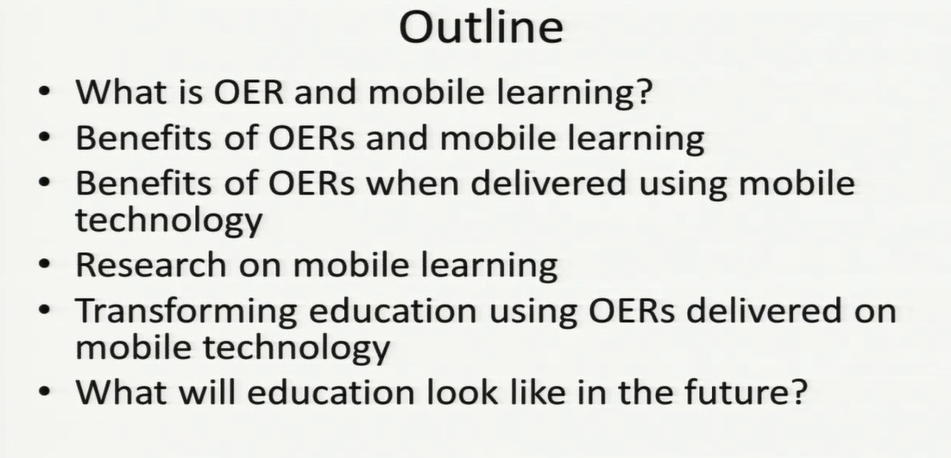
2014 이러닝 국제 콘퍼런스 : Open Education Resources with Mobile Learning to Transform Education
한국교육학술정보원 Mohamed Ally -
Himalayas: Mobile Learning
Teachers TV Teachers TV -
모바일러닝을 위한 교수설계 및 콘텐츠 개발
신한대학교 신종우
이 자료와 함께 이용한 RISS 자료
나만을 위한 추천자료


