 국립중앙도서관 "우편 복사 서비스"로 연결 됩니다.




 스콜라
In this paper, I briefly introduced the chronology of Comb-Patterned Neolithic pottery discovered in the Southeastern Korean peninsula: the entire Neolithic time period is divided into six sub periods such as Incipient, Initial, Early, Middle, Late, a...
다국어 입력
あ
ぁ
か
が
さ
ざ
た
だ
な
は
ば
ぱ
ま
や
ゃ
ら
わ
ゎ
ん
い
ぃ
き
ぎ
し
じ
ち
ぢ
に
ひ
び
ぴ
み
り
う
ぅ
く
ぐ
す
ず
つ
づ
っ
ぬ
ふ
ぶ
ぷ
む
ゆ
ゅ
る
え
ぇ
け
げ
せ
ぜ
て
で
ね
へ
べ
ぺ
め
れ
お
ぉ
こ
ご
そ
ぞ
と
ど
の
ほ
ぼ
ぽ
も
よ
ょ
ろ
を
ア
ァ
カ
サ
ザ
タ
ダ
ナ
ハ
バ
パ
マ
ヤ
ャ
ラ
ワ
ヮ
ン
イ
ィ
キ
ギ
シ
ジ
チ
ヂ
ニ
ヒ
ビ
ピ
ミ
リ
ウ
ゥ
ク
グ
ス
ズ
ツ
ヅ
ッ
ヌ
フ
ブ
プ
ム
ユ
ュ
ル
エ
ェ
ケ
ゲ
セ
ゼ
テ
デ
ヘ
ベ
ペ
メ
レ
オ
ォ
コ
ゴ
ソ
ゾ
ト
ド
ノ
ホ
ボ
ポ
モ
ヨ
ョ
ロ
ヲ
―
http://chineseinput.net/에서 pinyin(병음)방식으로 중국어를 변환할 수 있습니다.
변환된 중국어를 복사하여 사용하시면 됩니다.
예시)
- 中文 을 입력하시려면 zhongwen을 입력하시고 space를누르시면됩니다.
- 北京 을 입력하시려면 beijing을 입력하시고 space를 누르시면 됩니다.
А
Б
В
Г
Д
Е
Ё
Ж
З
И
Й
К
Л
М
Н
О
П
Р
С
Т
У
Ф
Х
Ц
Ч
Ш
Щ
Ъ
Ы
Ь
Э
Ю
Я
а
б
в
г
д
е
ё
ж
з
и
й
к
л
м
н
о
п
р
с
т
у
ф
х
ц
ч
ш
щ
ъ
ы
ь
э
ю
я
′
″
℃
Å
¢
£
¥
¤
℉
‰
$
%
F
₩
㎕
㎖
㎗
ℓ
㎘
㏄
㎣
㎤
㎥
㎦
㎙
㎚
㎛
㎜
㎝
㎞
㎟
㎠
㎡
㎢
㏊
㎍
㎎
㎏
㏏
㎈
㎉
㏈
㎧
㎨
㎰
㎱
㎲
㎳
㎴
㎵
㎶
㎷
㎸
㎹
㎀
㎁
㎂
㎃
㎄
㎺
㎻
㎽
㎾
㎿
㎐
㎑
㎒
㎓
㎔
Ω
㏀
㏁
㎊
㎋
㎌
㏖
㏅
㎭
㎮
㎯
㏛
㎩
㎪
㎫
㎬
㏝
㏐
㏓
㏃
㏉
㏜
㏆
https://www.riss.kr/link?id=A102090352
- 저자
- 발행기관
- 학술지명
- 권호사항
-
발행연도
2006
-
작성언어
-
-
주제어
반구대 암각화 ; 제사 ; 토착신앙 ; 제사 ; 식량획득 ; 고래잡이 ; Ban-gu-dae rock art ; indigenous religion ; ritual ceremony ; food resources ; atching whales
-
KDC
900
-
등재정보
KCI등재
-
자료형태
학술저널
-
수록면
93-104(12쪽)
- 제공처
-
0
상세조회 -
0
다운로드
인용문이 복사되었습니다.
부가정보
다국어 초록 (Multilingual Abstract)

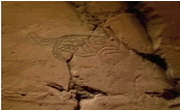
In this paper, I briefly introduced the chronology of Comb-Patterned Neolithic pottery discovered in the Southeastern Korean peninsula: the entire Neolithic time period is divided into six sub periods such as Incipient, Initial, Early, Middle, Late, and Full Fledged. I examined the paraphernalias possibly used in ritual ceremonies discovered in the region in conjunction with other Neolithic paraphernalias discovered in the entire Korean peninsula. There is no question that this time period was definitely a time of ritual ceremony. Yet, few artifacts and/or archaeological sites related to ritual activities have been reported so far. Thus, I suggest that some artifacts may have been manufactured with organic materials that easily decays. Finally I argued that rock art that has been reported in the part of Gyeongsang and Jeolla Province should be dated to the early or middle of the Bronze Age. I consider that Ban-gu-dae rock art was created during the Neolithic Period on the basis of carving technique and realistic expression of the drawing. I also interpret that the rock may have been related to indigenous religion for the Korean Neolithic people who had a strong desie to obtain their food resources by drawing the scene of catching whales and hunting terrestrial animals.
In this paper, I briefly introduced the chronology of Comb-Patterned Neolithic pottery discovered in the Southeastern Korean peninsula: the entire Neolithic time period is divided into six sub periods such as Incipient, Initial, Early, Middle, Late, and Full Fledged. I examined the paraphernalias possibly used in ritual ceremonies discovered in the region in conjunction with other Neolithic paraphernalias discovered in the entire Korean peninsula. There is no question that this time period was definitely a time of ritual ceremony. Yet, few artifacts and/or archaeological sites related to ritual activities have been reported so far. Thus, I suggest that some artifacts may have been manufactured with organic materials that easily decays. Finally I argued that rock art that has been reported in the part of Gyeongsang and Jeolla Province should be dated to the early or middle of the Bronze Age. I consider that Ban-gu-dae rock art was created during the Neolithic Period on the basis of carving technique and realistic expression of the drawing. I also interpret that the rock may have been related to indigenous religion for the Korean Neolithic people who had a strong desie to obtain their food resources by drawing the scene of catching whales and hunting terrestrial animals.
국문 초록 (Abstract)
먼저 영남 남해안 지역의 즐문토기 편년에 대한 초창기, 조기, 전기, 중기, 후기, 만기의 6분설을 소개하였다.
다음으로 이 지역의 제사 유물을 한반도 전체의 신석기 제사 유물과 함께 검토하였으며, 이 시대는 분명히 제사의 시대임에도 불구하고 제사 유물이나 유적이 적어서 목기 등 섞는 물질로 된 제사 유물의 존재 가능성을 제시하였다.
마지막으로 경상도와 전라도 일부에서만 나오고 있는 암각화는 청동기 시대 전기나 중기의 것이고, 반구대 암각화 그 조각 수법과 그림 자체가 사실적인 점에 근거해 신석기 시대의 것으로 보고, 고래잡이, 들짐승 사냥 등이 신석기인들의 식량 획득을 위한 간절한 바람을 나타낸 토착 신앙과 관련된 것으로 해석하였다.
먼저 영남 남해안 지역의 즐문토기 편년에 대한 초창기, 조기, 전기, 중기, 후기, 만기의 6분설을 소개하였다. 다음으로 이 지역의 제사 유물을 한반도 전체의 신석기 제사 유물과 함께 검토...
먼저 영남 남해안 지역의 즐문토기 편년에 대한 초창기, 조기, 전기, 중기, 후기, 만기의 6분설을 소개하였다.
다음으로 이 지역의 제사 유물을 한반도 전체의 신석기 제사 유물과 함께 검토하였으며, 이 시대는 분명히 제사의 시대임에도 불구하고 제사 유물이나 유적이 적어서 목기 등 섞는 물질로 된 제사 유물의 존재 가능성을 제시하였다.
마지막으로 경상도와 전라도 일부에서만 나오고 있는 암각화는 청동기 시대 전기나 중기의 것이고, 반구대 암각화 그 조각 수법과 그림 자체가 사실적인 점에 근거해 신석기 시대의 것으로 보고, 고래잡이, 들짐승 사냥 등이 신석기인들의 식량 획득을 위한 간절한 바람을 나타낸 토착 신앙과 관련된 것으로 해석하였다.
목차 (Table of Contents)
- 요약
- Ⅰ. 머리말
- Ⅱ. 신석기시대 편년의 개요
- Ⅲ. 제사유물
- Ⅳ. 반구대 암각화
- 요약
- Ⅰ. 머리말
- Ⅱ. 신석기시대 편년의 개요
- Ⅲ. 제사유물
- Ⅳ. 반구대 암각화
- Ⅴ. 맺음말
- 참고문헌
- Abstract
동일학술지(권/호) 다른 논문
-
- 한국신석기학회
- 鄭一
- 2006
- KCI등재
-
- 한국신석기학회
- 하인수(Ha In Soo)(河仁秀)
- 2006
- KCI등재
-
동북아시아 구석기시대-신석기시대 전환기의 해체과정과 통합의 제현상에 대한 연구
- 한국신석기학회
- 이헌종(Lee Heon Jong)
- 2006
- KCI등재
-
- 한국신석기학회
- 박준범(Park Jun Bum)
- 2006
- KCI등재
분석정보


이 자료와 함께 이용한 RISS 자료
나만을 위한 추천자료
로그인하고 관련된 다양한 학술자료를 확인해 보세요.
로그인

