 국립중앙도서관 "우편 복사 서비스"로 연결 됩니다.


 KCI
KCI DBpia
DBpia최근에 우리 나라에서도 질적 방법론과 이를 이용한 질적 연구가 사회학, 간호학, 교육학 등의 다양한 학문분야에서 전개되고 있으며, 회계학계에도 일부가 발표되고 있지만, 질적 방법론의...
다국어 입력
あ
ぁ
か
が
さ
ざ
た
だ
な
は
ば
ぱ
ま
や
ゃ
ら
わ
ゎ
ん
い
ぃ
き
ぎ
し
じ
ち
ぢ
に
ひ
び
ぴ
み
り
う
ぅ
く
ぐ
す
ず
つ
づ
っ
ぬ
ふ
ぶ
ぷ
む
ゆ
ゅ
る
え
ぇ
け
げ
せ
ぜ
て
で
ね
へ
べ
ぺ
め
れ
お
ぉ
こ
ご
そ
ぞ
と
ど
の
ほ
ぼ
ぽ
も
よ
ょ
ろ
を
ア
ァ
カ
サ
ザ
タ
ダ
ナ
ハ
バ
パ
マ
ヤ
ャ
ラ
ワ
ヮ
ン
イ
ィ
キ
ギ
シ
ジ
チ
ヂ
ニ
ヒ
ビ
ピ
ミ
リ
ウ
ゥ
ク
グ
ス
ズ
ツ
ヅ
ッ
ヌ
フ
ブ
プ
ム
ユ
ュ
ル
エ
ェ
ケ
ゲ
セ
ゼ
テ
デ
ヘ
ベ
ペ
メ
レ
オ
ォ
コ
ゴ
ソ
ゾ
ト
ド
ノ
ホ
ボ
ポ
モ
ヨ
ョ
ロ
ヲ
―
http://chineseinput.net/에서 pinyin(병음)방식으로 중국어를 변환할 수 있습니다.
변환된 중국어를 복사하여 사용하시면 됩니다.
예시)
- 中文 을 입력하시려면 zhongwen을 입력하시고 space를누르시면됩니다.
- 北京 을 입력하시려면 beijing을 입력하시고 space를 누르시면 됩니다.
А
Б
В
Г
Д
Е
Ё
Ж
З
И
Й
К
Л
М
Н
О
П
Р
С
Т
У
Ф
Х
Ц
Ч
Ш
Щ
Ъ
Ы
Ь
Э
Ю
Я
а
б
в
г
д
е
ё
ж
з
и
й
к
л
м
н
о
п
р
с
т
у
ф
х
ц
ч
ш
щ
ъ
ы
ь
э
ю
я
′
″
℃
Å
¢
£
¥
¤
℉
‰
$
%
F
₩
㎕
㎖
㎗
ℓ
㎘
㏄
㎣
㎤
㎥
㎦
㎙
㎚
㎛
㎜
㎝
㎞
㎟
㎠
㎡
㎢
㏊
㎍
㎎
㎏
㏏
㎈
㎉
㏈
㎧
㎨
㎰
㎱
㎲
㎳
㎴
㎵
㎶
㎷
㎸
㎹
㎀
㎁
㎂
㎃
㎄
㎺
㎻
㎽
㎾
㎿
㎐
㎑
㎒
㎓
㎔
Ω
㏀
㏁
㎊
㎋
㎌
㏖
㏅
㎭
㎮
㎯
㏛
㎩
㎪
㎫
㎬
㏝
㏐
㏓
㏃
㏉
㏜
㏆
https://www.riss.kr/link?id=A101791799
- 저자
- 발행기관
- 학술지명
- 권호사항
-
발행연도
2016
-
작성언어
Korean
-
주제어
질적 방법론 ; 해석적 방법론 ; 민속지학 ; 실행연구 ; 사례연구 ; Qualitative Methodology ; interpretive methodology ; ethnography ; action research ; case study
-
등재정보
KCI등재
-
자료형태
학술저널
- 발행기관 URL
-
수록면
89-118(30쪽)
-
KCI 피인용횟수
5
- DOI식별코드
- 제공처
-
0
상세조회 -
0
다운로드
인용문이 복사되었습니다.
부가정보
국문 초록 (Abstract)

최근에 우리 나라에서도 질적 방법론과 이를 이용한 질적 연구가 사회학, 간호학, 교육학 등의 다양한 학문분야에서 전개되고 있으며, 회계학계에도 일부가 발표되고 있지만, 질적 방법론의 분야에서 방법론, 이론, 연구방법, 자료조사방법, 자료해석방법 등에 관한 개념들이 명확하게 구명되지 않고 혼재되어 이용되고 있다. 따라서 본고는 선행연구의 내용분석을 통해서 질적 방법론의 체계를 명확히 하고 연구현황을 살펴서 한국의 회계학계에 질적 방법론과 연구방법의 이해와 확산을 촉진하고자 한다.
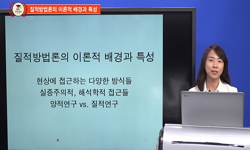
질적 방법론은 비판적 방법론과 해석적 방법론을 의미하는데, 좁은 의미로는 주로 해석적 방법론을 의미한다. 해석적 방법론은 연구대상자의 관점을 이해하고, 연구대상자의 체험을 통해 경험현실을 해석하고 재구성하는 방법론을 말한다.
질적 방법론인 해석적 방법론의 철학적 배경은 해석학과 현상학이고, 주로 이용하는 이론은 사회학의 상징적 상호작용론, 구조화이론, 일상생활방법론, 제도이론, 행위자연결망이론 등이다. 그리고 연구방법은 민속지학, 실행연구, 사례연구, 근거이론 등이고, 자료수집방법은 면접, 참여관찰, 현장연구, 문헌조사 등이며, 자료분석방법은 해석학, 서사분석, 기호학(내용분석, 대화분석, 담론분석) 등이다. 본고에서는 기존의 선행연구를 내용분석해서 연구방법을 중심으로 살펴보았다.
민속지학(ethnography)은 문화기술지, 민속기술지, 종족지학이라고도 하는데, 연구대상인 사람(회계담당자)들의 삶의 방식과 문화적 배경에 대해 연구자가 (비)공개적으로 그들의 삶에 일정한 기간동안 참여하여 직접 체험하면서 자료를 수집하는 연구방법이다.
실행연구(action research)는 현실의 구체적인 문제를 확인하고 이를 해결할 수 있는 지식을 추구하는 과정이라고 할 수 있다. 즉 실행연구에서는 연구로 종료하는 것이 아니라 구체적인 현실 문제를 해결하는 과정도 포함한다.
해석적 방법론의 사례연구(case study)는 연구자가 구체적인 사례에 직접 참여하여 체험한 결과를 이용하여 사례를 연구한다.
해석적 방법론에 의한 연구는 주관성, 일반성의 부족 등과 같은 문제점을 가지고 있으며, 문제점을 보완하기 위해 양적 방법론과 질적 방법론을 결합하는 Q방법론, 삼각측정(triangulation) 등의 혼합방법이 이용되고 있다.
질적 방법론은 비판적 방법론과 해석적 방법론을 의미하는데, 좁은 의미로는 주로 해석적 방법론을 의미한다. 해석적 방법론은 연구대상자의 관점을 이해하고, 연구대상자의 체험을 통해 경험현실을 해석하고 재구성하는 방법론을 말한다.
질적 방법론인 해석적 방법론의 철학적 배경은 해석학과 현상학이고, 주로 이용하는 이론은 사회학의 상징적 상호작용론, 구조화이론, 일상생활방법론, 제도이론, 행위자연결망이론 등이다. 그리고 연구방법은 민속지학, 실행연구, 사례연구, 근거이론 등이고, 자료수집방법은 면접, 참여관찰, 현장연구, 문헌조사 등이며, 자료분석방법은 해석학, 서사분석, 기호학(내용분석, 대화분석, 담론분석) 등이다. 본고에서는 기존의 선행연구를 내용분석해서 연구방법을 중심으로 살펴보았다.
민속지학(ethnography)은 문화기술지, 민속기술지, 종족지학이라고도 하는데, 연구대상인 사람(회계담당자)들의 삶의 방식과 문화적 배경에 대해 연구자가 (비)공개적으로 그들의 삶에 일정한 기간동안 참여하여 직접 체험하면서 자료를 수집하는 연구방법이다.
실행연구(action research)는 현실의 구체적인 문제를 확인하고 이를 해결할 수 있는 지식을 추구하는 과정이라고 할 수 있다. 즉 실행연구에서는 연구로 종료하는 것이 아니라 구체적인 현실 문제를 해결하는 과정도 포함한다.
해석적 방법론의 사례연구(case study)는 연구자가 구체적인 사례에 직접 참여하여 체험한 결과를 이용하여 사례를 연구한다.
해석적 방법론에 의한 연구는 주관성, 일반성의 부족 등과 같은 문제점을 가지고 있으며, 문제점을 보완하기 위해 양적 방법론과 질적 방법론을 결합하는 Q방법론, 삼각측정(triangulation) 등의 혼합방법이 이용되고 있다.
최근에 우리 나라에서도 질적 방법론과 이를 이용한 질적 연구가 사회학, 간호학, 교육학 등의 다양한 학문분야에서 전개되고 있으며, 회계학계에도 일부가 발표되고 있지만, 질적 방법론의 분야에서 방법론, 이론, 연구방법, 자료조사방법, 자료해석방법 등에 관한 개념들이 명확하게 구명되지 않고 혼재되어 이용되고 있다. 따라서 본고는 선행연구의 내용분석을 통해서 질적 방법론의 체계를 명확히 하고 연구현황을 살펴서 한국의 회계학계에 질적 방법론과 연구방법의 이해와 확산을 촉진하고자 한다.
질적 방법론은 비판적 방법론과 해석적 방법론을 의미하는데, 좁은 의미로는 주로 해석적 방법론을 의미한다. 해석적 방법론은 연구대상자의 관점을 이해하고, 연구대상자의 체험을 통해 경험현실을 해석하고 재구성하는 방법론을 말한다.
질적 방법론인 해석적 방법론의 철학적 배경은 해석학과 현상학이고, 주로 이용하는 이론은 사회학의 상징적 상호작용론, 구조화이론, 일상생활방법론, 제도이론, 행위자연결망이론 등이다. 그리고 연구방법은 민속지학, 실행연구, 사례연구, 근거이론 등이고, 자료수집방법은 면접, 참여관찰, 현장연구, 문헌조사 등이며, 자료분석방법은 해석학, 서사분석, 기호학(내용분석, 대화분석, 담론분석) 등이다. 본고에서는 기존의 선행연구를 내용분석해서 연구방법을 중심으로 살펴보았다.
민속지학(ethnography)은 문화기술지, 민속기술지, 종족지학이라고도 하는데, 연구대상인 사람(회계담당자)들의 삶의 방식과 문화적 배경에 대해 연구자가 (비)공개적으로 그들의 삶에 일정한 기간동안 참여하여 직접 체험하면서 자료를 수집하는 연구방법이다.
실행연구(action research)는 현실의 구체적인 문제를 확인하고 이를 해결할 수 있는 지식을 추구하는 과정이라고 할 수 있다. 즉 실행연구에서는 연구로 종료하는 것이 아니라 구체적인 현실 문제를 해결하는 과정도 포함한다.
해석적 방법론의 사례연구(case study)는 연구자가 구체적인 사례에 직접 참여하여 체험한 결과를 이용하여 사례를 연구한다.
해석적 방법론에 의한 연구는 주관성, 일반성의 부족 등과 같은 문제점을 가지고 있으며, 문제점을 보완하기 위해 양적 방법론과 질적 방법론을 결합하는 Q방법론, 삼각측정(triangulation) 등의 혼합방법이 이용되고 있다.
다국어 초록 (Multilingual Abstract)
Nowadays, Qualitative methodology has also been applied to various disciplines such as Sociology, Nursing, Education in Korea. In Accounting, Although some qualitative researches have been published, their concepts such as methodology, research method, theory, data researching method and data interpreting method have not been clarified. The Purpose of this paper is to promote the understanding and expansion of the qualitative methodology and research method in the Korean accounting community through clarifying the framework of qualitative methodology by content analysis of prior accounting researches.
The qualitative methodology means both the critical methodology and the interpretive methodology. However it means the interpretive methodology in a narrow sense. It is the methodology to understand the view point of the researched and to interpretate and reconstruct the reality experiencing through lived experience.
The philosophical backgrounds of the qualitative methodology are hermeneutics and phenomenology. Theories used in qualitative methodology are sociological theories such as symbolic interactionism, structuration theory, ethnomethodology, institutional theory, actor- network theory. The research methods are action research, case study, grounded theory. In this paper, the research methods of qualitative methodology are the research focus.
The ethnography is the research method to collect data on the life style and cultural background of the researched people(accountants) through lived experience participating the phenomena and life of them during some periods. The action research is the process to pursue the knowledge to solve specific problems at the field. The case study of interpretive methodology is to research the case at which the researcher have participated during some periods.
The interpretive methodology has some problems such as subjectivity and lack of generality. To overcome the problems of the interpretive methodology, Mixed methods such as Q methodology, triangulation have been used.
The qualitative methodology means both the critical methodology and the interpretive methodology. However it means the interpretive methodology in a narrow sense. It is the methodology to understand the view point of the researched and to interpretate and reconstruct the reality experiencing through lived experience.
The philosophical backgrounds of the qualitative methodology are hermeneutics and phenomenology. Theories used in qualitative methodology are sociological theories such as symbolic interactionism, structuration theory, ethnomethodology, institutional theory, actor- network theory. The research methods are action research, case study, grounded theory. In this paper, the research methods of qualitative methodology are the research focus.
The ethnography is the research method to collect data on the life style and cultural background of the researched people(accountants) through lived experience participating the phenomena and life of them during some periods. The action research is the process to pursue the knowledge to solve specific problems at the field. The case study of interpretive methodology is to research the case at which the researcher have participated during some periods.
The interpretive methodology has some problems such as subjectivity and lack of generality. To overcome the problems of the interpretive methodology, Mixed methods such as Q methodology, triangulation have been used.
Nowadays, Qualitative methodology has also been applied to various disciplines such as Sociology, Nursing, Education in Korea. In Accounting, Although some qualitative researches have been published, their concepts such as methodology, research method...
Nowadays, Qualitative methodology has also been applied to various disciplines such as Sociology, Nursing, Education in Korea. In Accounting, Although some qualitative researches have been published, their concepts such as methodology, research method, theory, data researching method and data interpreting method have not been clarified. The Purpose of this paper is to promote the understanding and expansion of the qualitative methodology and research method in the Korean accounting community through clarifying the framework of qualitative methodology by content analysis of prior accounting researches.
The qualitative methodology means both the critical methodology and the interpretive methodology. However it means the interpretive methodology in a narrow sense. It is the methodology to understand the view point of the researched and to interpretate and reconstruct the reality experiencing through lived experience.
The philosophical backgrounds of the qualitative methodology are hermeneutics and phenomenology. Theories used in qualitative methodology are sociological theories such as symbolic interactionism, structuration theory, ethnomethodology, institutional theory, actor- network theory. The research methods are action research, case study, grounded theory. In this paper, the research methods of qualitative methodology are the research focus.
The ethnography is the research method to collect data on the life style and cultural background of the researched people(accountants) through lived experience participating the phenomena and life of them during some periods. The action research is the process to pursue the knowledge to solve specific problems at the field. The case study of interpretive methodology is to research the case at which the researcher have participated during some periods.
The interpretive methodology has some problems such as subjectivity and lack of generality. To overcome the problems of the interpretive methodology, Mixed methods such as Q methodology, triangulation have been used.
목차 (Table of Contents)
- 〈국문초록〉
- 〈Abstract〉
- Ⅰ. 서론
- Ⅱ. 질적 방법론의 이론적 배경
- Ⅲ. 질적 방법론의 선행연구
- 〈국문초록〉
- 〈Abstract〉
- Ⅰ. 서론
- Ⅱ. 질적 방법론의 이론적 배경
- Ⅲ. 질적 방법론의 선행연구
- Ⅳ. 질적 방법론의 연구방법
- Ⅴ. 결론
- 참고문헌
참고문헌 (Reference)
1 김석웅, "회계학의 해석적 방법론에 관한 연구" 한국회계학회 20 (20): 293-323, 2011
2 김석웅, "회계학의 비판적 방법론" 교육과학사 2014
3 김석웅, "회계학방법론의 비교연구" 24 (24): 29-59, 1999
4 김석웅, "회계학방법론으로서 상징적 상호작용론에 관한 연구" 한국회계정보학회 26 (26): 287-312, 2008
5 김석웅, "회계학 연구방법론으로서의 근거이론에 관한탐색적 연구" 한국회계정보학회 25 (25): 77-102, 2007
6 김정민, "회계제도 변화의 이해" 계명대학교 출판부 2015
7 전영승, "환경회계" 두남 2001
8 김애령, "현상학과 해석학의 방법론적 적용의 문제" 2 (2): 231-258, 2009
9 이남인, "현상학과 질적 연구" 한길사 [파주] 2014
10 박휴용, "초보 연구자를 위한 질적 연구 방법론" 전북대학교 출판문화원 2014
1 김석웅, "회계학의 해석적 방법론에 관한 연구" 한국회계학회 20 (20): 293-323, 2011
2 김석웅, "회계학의 비판적 방법론" 교육과학사 2014
3 김석웅, "회계학방법론의 비교연구" 24 (24): 29-59, 1999
4 김석웅, "회계학방법론으로서 상징적 상호작용론에 관한 연구" 한국회계정보학회 26 (26): 287-312, 2008
5 김석웅, "회계학 연구방법론으로서의 근거이론에 관한탐색적 연구" 한국회계정보학회 25 (25): 77-102, 2007
6 김정민, "회계제도 변화의 이해" 계명대학교 출판부 2015
7 전영승, "환경회계" 두남 2001
8 김애령, "현상학과 해석학의 방법론적 적용의 문제" 2 (2): 231-258, 2009
9 이남인, "현상학과 질적 연구" 한길사 [파주] 2014
10 박휴용, "초보 연구자를 위한 질적 연구 방법론" 전북대학교 출판문화원 2014
11 이도희, "질적연구방법론을 활용한 비영리회계 인식의가설 발견적 접근" 대한회계학회 12 (12): 281-308, 2007
12 최신일, "질적 연구의 철학적 배경" 17 (17): 263-275, 2001
13 유기웅, "질적 연구방법의 이해" 박영사 2012
14 신경림, "질적 연구 방법론" 이화여자대학교출판부 2004
15 김정민, "제도이론을 이용한 한국회계기준 변화 분석" 한국회계학회 18 (18): 79-100, 2009
16 김석웅, "제도이론과 회계학연구" 한국국제회계학회 (47) : 41-70, 2013
17 이희영, "사회학 방법론으로서의 생애사 재구성 :행위이론의 관점에서 본 이론적 의의와 방법론적 원칙" 한국사회학회 39 (39): 120-148, 2005
18 이동규, "근거이론을 활용한 가설정형화 과정: 비영리조직 회계인식을 중심으로" 충남대 회계연구소 7 (7): 1-18, 2007
19 김석웅, "구조화이론과 회계학연구" 한국회계정보학회 27 (27): 59-89, 2009
20 "교수신문. 2015년 4월 20일자"
21 염성수, "관리회계연구에서의 질적연구방법론 활용 방안" 대한회계학회 19 (19): 1-36, 2014
22 Quattrone, P., "What does organizational change mean? Speculations on a taken for granted category" 12 (12): 403-433, 2001
23 Lukka, K., "Validation in Interpretive Management Accounting Research" 35 (35): 462-477, 2010
24 Denzin, N. K., "Understanding everyday life" Aldine 261-286, 1970
25 Tinker, T., "Towards a Political Economy of Accounting: An Empirical Illustration of the Cambridge Controversies" 5 (5): 147-160, 1980
26 Berger, P. L., "The social construction of reality: a treatise in the sociology of knowledge" Penguin 1967
27 Lukka, K., "The roles and effects of paradigms in accounting research" 21 : 110-115, 2010
28 Jayashinghe, K., "The preservation of indigenous accounting systems in a subaltern community" 22 : 351-378, 2009
29 Boland, R. J. Jr., "The micro dynamics of a budget-cutting process:Modes, models and structure" 11 : 403-422, 1986
30 Dey, C., "The Use of Critical Ethnography as an Active Research Methodology" 15 (15): 106-121, 2002
31 Kuhn, T. S., "The Structure of Scientific Revolutions" The University of Chicago Press 1970
32 Puxty, A. G., "The Social and Organizational Context of Management Accounting" Academic Press 1993
33 Denzin, N. K., "The Sage Handbook of Qualitative Research" Sage 1-25, 2011
34 Nahapiet, J., "The Rhetoric and Reality of an Accounting Change: a Study of resource allocation" 13 (13): 333-358, 1988
35 Lukka, K., "The Problem of Generalizability: anecdotes and evidence in accounting research" 8 (8): 71-90, 1995
36 Tomkins, C., "The Everyday Accountant and Researching his Reality" 8 (8): 361-374, 1983
37 Morgan, G., "The Case for Qualitative Research" 5 (5): 491-500, 1980
38 Covaleski, M. A., "The Budgetary Process of Power and Politics" 11 (11): 193-214, 1986
39 Kincheloe, J. L., "Teachers as researchers: Qualitative inquiry as a path to empowerment" Routledge 2003
40 Hand. L., "Tackling an accounting coursework assignment - action research on the student perspective" 7 (7): 305-323, 1998
41 Garfinkel, H., "Studies in Ethnomethodology" Prentice-Hall 1967
42 Roslender, R., "Sociological Perspectives on Modern Accountancy" Routledge 1992
43 Abdul-Khalid, S., "Sensemaking in Interpretive Management Accounting Research" 8 (8): 41-53, 2009
44 Latour, B., "Science in Action" Harvard University Press 1987
45 Harvey, L., "Scholarship and practice : the contribution of ethnographic research methods to bridging the gap" 8 (8): 13-27, 1995
46 Wickramasinghe, D., "Review of Management Accounting Research" Palgrave Macmillan 543-566, 2011
47 Scapens, R. W., "Researching management accounting practice : The role of case study methods" 22 (22): 259-281, 1990
48 Ryan, B., "Research Methods and Methodology in Finance and Accounting" Thomson 2002
49 Jonsson, S., "Relate Management Accounting Research to Managerial Work" 23 (23): 141-434, 1998
50 Colville, I., "Reconstructing 'Behavioral' Accounting" 6 (6): 119-132, 1981
51 Latour, B., "Reassembling the social: An introduction to actor-network theory" Oxford University Press 2005
52 Chua, W. F., "Radical Developments in Accounting Thought" 11 (11): 601-632, 1986
53 Burns, J., "Qualitative management accounting research in QRAM: some reflections" 11 (11): 71-81, 2014
54 Myers, M. D., "Qualitative Research in Business and Management" Sage 2009
55 Parker, L. D., "Qualitative Research in Accounting and Management: The Emerging Agenda" 2 : 15-30, 2003
56 Yin, R. K., "Qualitative Research from Start to Finish" The Guilford Press 2011
57 Patton, M. Q., "Qualitative Research and Evaluation Methods: Integrating theory and practice" Sage 2015
58 Eriksson, Pavi, "Qualitative Methods in Business Research" Sage 2008
59 Latour, B., "Pandora's Hope" Harvard University Press 1999
60 Miller, P., "On the Interrelations Between Accounting and the State" 15 (15): 315-338, 1990
61 Ohlson, J. A., "On successful research" 20 (20): 7-26, 2011
62 Richardson, A. J., "Myth, Paradigms and Academic Accounting Research: A comment on reading and understanding academic research in accounting" 8 : 67-77, 2011
63 Lee, B., "More than a numbers game: qualitative research in accounting" 44 (44): 180-197, 2006
64 Humphrey, C., "Methodological themes: theories and case studies of organizational accounting practices: limitation or liberation?" 9 (9): 86-106, 1996
65 Wickramasinghe, D., "Management Accounting Change: Approaches and perspectives" Routledge 2007
66 Gambling, T., "Magic, accounting and morale. Accounting" 2 (2): 141-151, 1977
67 Myers, M. D., "Investing information systems with ethnographic research" 2 (2): 1-20, 1999
68 Hazelton, J., "Incorporating Sustainability into Accounting Curricula:Lessons Learnt From an Action Research Study" 19 (19): 159-178, 2010
69 Basu, S., "How can accounting researchers become more innovative?" 26 (26): 851-870, 2012
70 Schwandt, T. A., "Handbook of Qualitative Research" Sage 189-213, 2000
71 Kerlinger, F. N., "Foundations of behavioral research" Harcourt 2000
72 Willis, J. W., "Foundations of Qualitative Research" Sage 2007
73 Parker, L. D., "Financial Management Strategy in a Community Welfare Organization : a boardroom perspective" 19 (19): 341-374, 2003
74 Hines, R. D., "Financial Accounting: In communicating reality, we construct reality" 13 (13): 251-261, 1988
75 Merchant, K. A., "Field-Based Research in Accounting:Accomplishments and Prospects" 18 : 117-134, 2006
76 Lewin, K., "Field Theory in Social Science" Harper & Row 1951
77 Hammersley, M., "Ethnography: Principles in practice" Routledge 1995
78 Dechow, N., "Enterprise resource planning systems, management control and the quest for integration" 30 : 691-733, 2005
79 Laughlin, R., "Empirical research in accounting: Alternative approaches and a case for 'middle-range' thinking" 8 (8): 63-87, 1995
80 Silverman, D., "Doing Qualitative Research: A Practical Handbook" Sage 2000
81 Capps, T., "Critical Perspectives in Management Control" Macmillan 217-343, 1989
82 Yin, R. K., "Case Study Research: Design and Methods" Sage 2009
83 Merriam, S. B., "Case Study Research in education: A qualitative approach" Josssey-Bass 1988
84 Jonsson, S., "CATS, RATS and EARS: Making the Case for Ethnographic Accounting Research" 22 (22): 367-386, 1997
85 Czarniawska-Joerges, B., "Budget in a cold climate" 14 (14): 29-39, 1989
86 Westerdahl, S., "Between Business and Community: A rural co-op and its accounting practice" 17 (17): 59-72, 2001
87 Hopwood, A. G., "Archaeology of Accounting Systems" 12 (12): 207-234, 1987
88 Miller, P., "Accounting innovation beyond the enterprise: problematizing investment decisions and programming economic growth in the U.K. in the 1960s" 16 (16): 733-762, 1991
89 Boland, R. J. Jr., "Accounting in Organizations: A union of natural and rational perspectives" 8 : 223-234, 1983
90 Johansson, I. L, "Accounting for trust: some empirical evidence" 14 : 219-234, 2003
91 Jonsson, S., "Accounting for Improvement: action research on local management support" 2 (2): 99-115, 1992
92 Hopper. T., "Accounting for Accounting: Towards the Development of a Dialectical View" 12 (12): 437-456, 1987
93 Andon, P., "Accounting change as relational drifting: A field study of experiments with performance measurement" 18 : 273-308, 2007
94 Dent, J. F., "Accounting and Organizational Cultures: A field study of the emergence of a new organizational reality" 16 (16): 693-703, 1991
95 Gaffikin, M. J, R., "Accounting Theory : Research, regulation and accounting practice" Pearson Education Australia 2008
96 Roberts, J., "Accounting Systems and Systems of Accountability -Understanding accounting practices in their organizational contexts" 10 (10): 443-456, 1985
97 Quattrone, P., "A 'time-space odyssey': management control systems in two multinational organizations" 30 (30): 735-764, 2005
98 김영규, "6시스마와 관리회계: 구조화 이론에 의한 접근" 고려대학교 산업개발연구소 22 : 53-86, 2002
99 Hagg, I., "'Case Studies’ in Accounting Research" 4 (4): 135-143, 1979
동일학술지(권/호) 다른 논문
-
- 한국국제회계학회
- 박원(Park Won)
- 2016
- KCI등재
-
건설산업의 차별적 이익조정과 기업특성에 의한 이익조정 연구
- 한국국제회계학회
- 김문태(Kim Moon-tae)
- 2016
- KCI등재
-
최고경영자의 심리적 특성과 조직성과 간의 관계에서 비재무지표 이용의 역할
- 한국국제회계학회
- 이상완(Lee Sang-wan)
- 2016
- KCI등재
-
배출권거래제 시행 이후 부가가치세 개정 방안에 관한 연구
- 한국국제회계학회
- 장지경(Jang Ji-kyung)
- 2016
- KCI등재
분석정보
인용정보 인용지수 설명보기
학술지 이력
| 연월일 | 이력구분 | 이력상세 | 등재구분 |
|---|---|---|---|
| 2022 | 평가 | 재인증평가 신청대상 (재인증) | |
| 2019-01-01 | 등재 | 등재학술지 유지 (계속평가) |  |
| 2016-02-25 | 학술지명변경 | 외국어명 : 미등록 -> Korea International Accounting Review | |
| 2016-01-01 | 등재 | 등재학술지 유지 (계속평가) | |
| 2012-01-01 | 등재 | 등재학술지 유지 (계속평가) | |
| 2009-01-01 | 등재 | 등재학술지 선정 (등재후보2차) | |
| 2008-01-01 | 등재 | 등재후보 1차 PASS (등재후보1차) |  |
| 2007-01-01 | 등재 | 등재후보 1차 FAIL (등재후보1차) | |
| 2005-01-01 | 등재 | 등재후보학술지 선정 (신규평가) | |
학술지 인용정보
| 기준연도 | WOS-KCI 통합IF(2년) | KCIF(2년) | KCIF(3년) |
|---|---|---|---|
| 2016 | 0.76 | 0.76 | 0.85 |
| KCIF(4년) | KCIF(5년) | 중심성지수(3년) | 즉시성지수 |
| 0.88 | 0.85 | 1.497 | 0.23 |



이 자료와 함께 이용한 RISS 자료
나만을 위한 추천자료


