 국립중앙도서관 "우편 복사 서비스"로 연결 됩니다.


각 시대에 따라 이상적인 여성상은 그 시대의 요청에 따라 변화한다. 중세 여성교훈서에는 모친(부친)이 딸에게 지향하는 삶의 모습이 서술되어 있는데, 본 연구에서는 당시 귀족남성의 이...
다국어 입력
あ
ぁ
か
が
さ
ざ
た
だ
な
は
ば
ぱ
ま
や
ゃ
ら
わ
ゎ
ん
い
ぃ
き
ぎ
し
じ
ち
ぢ
に
ひ
び
ぴ
み
り
う
ぅ
く
ぐ
す
ず
つ
づ
っ
ぬ
ふ
ぶ
ぷ
む
ゆ
ゅ
る
え
ぇ
け
げ
せ
ぜ
て
で
ね
へ
べ
ぺ
め
れ
お
ぉ
こ
ご
そ
ぞ
と
ど
の
ほ
ぼ
ぽ
も
よ
ょ
ろ
を
ア
ァ
カ
サ
ザ
タ
ダ
ナ
ハ
バ
パ
マ
ヤ
ャ
ラ
ワ
ヮ
ン
イ
ィ
キ
ギ
シ
ジ
チ
ヂ
ニ
ヒ
ビ
ピ
ミ
リ
ウ
ゥ
ク
グ
ス
ズ
ツ
ヅ
ッ
ヌ
フ
ブ
プ
ム
ユ
ュ
ル
エ
ェ
ケ
ゲ
セ
ゼ
テ
デ
ヘ
ベ
ペ
メ
レ
オ
ォ
コ
ゴ
ソ
ゾ
ト
ド
ノ
ホ
ボ
ポ
モ
ヨ
ョ
ロ
ヲ
―
http://chineseinput.net/에서 pinyin(병음)방식으로 중국어를 변환할 수 있습니다.
변환된 중국어를 복사하여 사용하시면 됩니다.
예시)
- 中文 을 입력하시려면 zhongwen을 입력하시고 space를누르시면됩니다.
- 北京 을 입력하시려면 beijing을 입력하시고 space를 누르시면 됩니다.
А
Б
В
Г
Д
Е
Ё
Ж
З
И
Й
К
Л
М
Н
О
П
Р
С
Т
У
Ф
Х
Ц
Ч
Ш
Щ
Ъ
Ы
Ь
Э
Ю
Я
а
б
в
г
д
е
ё
ж
з
и
й
к
л
м
н
о
п
р
с
т
у
ф
х
ц
ч
ш
щ
ъ
ы
ь
э
ю
я
′
″
℃
Å
¢
£
¥
¤
℉
‰
$
%
F
₩
㎕
㎖
㎗
ℓ
㎘
㏄
㎣
㎤
㎥
㎦
㎙
㎚
㎛
㎜
㎝
㎞
㎟
㎠
㎡
㎢
㏊
㎍
㎎
㎏
㏏
㎈
㎉
㏈
㎧
㎨
㎰
㎱
㎲
㎳
㎴
㎵
㎶
㎷
㎸
㎹
㎀
㎁
㎂
㎃
㎄
㎺
㎻
㎽
㎾
㎿
㎐
㎑
㎒
㎓
㎔
Ω
㏀
㏁
㎊
㎋
㎌
㏖
㏅
㎭
㎮
㎯
㏛
㎩
㎪
㎫
㎬
㏝
㏐
㏓
㏃
㏉
㏜
㏆

RISS 인기검색어
일본 중세여성교훈서에 나타난 여성교육에 관한 연구
한글로보기https://www.riss.kr/link?id=G3790487
- 저자
-
발행기관
-
-
발행연도
2010년
-
작성언어
Korean
- 주제어
-
자료형태
한국연구재단(NRF)
-
0
상세조회 -
0
다운로드
부가정보
국문 초록 (Abstract)

각 시대에 따라 이상적인 여성상은 그 시대의 요청에 따라 변화한다. 중세 여성교훈서에는 모친(부친)이 딸에게 지향하는 삶의 모습이 서술되어 있는데, 본 연구에서는 당시 귀족남성의 이상적인 삶으로 일컬어지는 <色好み(이로고노미)>와 여성의 삶과의 관계이다. 일본 중고, 중세시대의 고전문학에는 남녀관계의 이상상으로 <이로고로미>의 미학이 강조되고 있다. 히가루겐지(光源氏), 나리히라(業平), 오노노코마치(小野小町), 이즈미시키부(和泉式部)등으로 대표되는 남녀에 가탁된 <이로고노미> 연애의 미학은 복수의 남녀와 사랑을 즐기는 것에 의한 미의식의 세련을 지향하고 있다. 일본고전문학작품은 <이로고노미>로 일컬어지는 궁정귀족들의 연애가 주요한 테마를 이루고 있는데, 본 연구에서는 그러한 귀족들의 <이로고노미>의 문학이 아니라 유교윤리를 가르치는 교훈서가 쓰여지는 점에 주목하였다. 거의 모든 일본고전문학작품에는 남성들의 <이로고노미>를 당시 귀족남성의 이상적인 모습으로 그려지고 있는 반면 <이로고노미>의 대상인 여성에 대해서는 불교상의 여성관을 내세워 여성의 생활, 인생에서 억압되고 있다.
본 연구에서 주목하는 <여성교훈서>에는 모친(부친)이 딸에게 <이로고노미>의 대상이 되는 것을 경계하고 있는데, 지금까지의 연구에서는 <여성교훈서>와 <이로고노미>의 관계에 대하여 심도 있게 고찰되어 있지 않다. 『庭の訓』는 일본 최초의 여성교훈서이다. 이 작품은『十六夜日記』의 작자인 아부츠니가 궁정생활을 하는 딸에게 서간체로 쓴 것이다. 내용은 궁중에서의 대인관계를 중심으로 중세 여성의 삶에 방식에 대하여 서술한 여성교양서이다. 이 작품은 여자교훈서의 출발점이 되고 있고, 딸에 대한 교훈서이자 이것은 당시의 여성교양서임과 동시에 중세여성의 삶의 방식을 알 수 있는 귀중한 자료이다. 아부츠니가 딸에게 가장 전달하고 싶었던 메시지는 무엇인가, 여자의 교양으로서『源氏物語』를 어떠한 시점에서 서술하고 있는가. 어머니로서의 이상적인 자세를 어떠한 시선으로 바라보고 어떠한 태도로 비평하고 있는가 하는 여성비평의 시점에서 분석하였다. 『니와노오시에』가 『겐지모노가타리』를 전부 암송하지 않으면 안 된다고 서술하고 있는 점에서 무라사키시키부가 그려내는 여성상을 중세의 이상적인 여성상으로 제시하고 있음을 알 수 있었다.
『源氏物語』에는 이상적인 여성상에 대하여 <가문도 용모도 논외(論外)로 비틀어진 성질만 없으면 솔직하고 정숙한 여성이 바람직하다. 만일 거기에다 예능의 재능이 있으면 더할 나위 없지만, 없더라도 불평은 할 수 없다><여자가 학문을 하는 것은 애교가 없는 것이지만, 그렇다고 해서 무관심해도 좋다는 것은 아니다> <여자는 어디까지나 겸양을 덕(德)으로 하는 것이 이상이다>�라고 여성에 대해서 신랄한 어조로 비평하고 있다.
『겐지모노가타리』에서는 이로고노미의 남성들을 적극적으로 긍정하고, 반면에 이로고노미의 상대인 여성에게는 남성들의 이로고노미를 이해하고 받아들이기를 강요하고 있음을 알 수 있다. 남자에게 다른 애인이 생기더라도 그것을 인내하고 질투하지 말 것, 즉 정숙한 여성을 강요하고 있다.
중세의 창도전승에서 많은 여성들에게 교훈으로 받아들여지는 것이 오노노고마치 전승이다. 절세의 미인이 제왕의 총애를 얻지 못하고 후견인이 없
본 연구에서 주목하는 <여성교훈서>에는 모친(부친)이 딸에게 <이로고노미>의 대상이 되는 것을 경계하고 있는데, 지금까지의 연구에서는 <여성교훈서>와 <이로고노미>의 관계에 대하여 심도 있게 고찰되어 있지 않다. 『庭の訓』는 일본 최초의 여성교훈서이다. 이 작품은『十六夜日記』의 작자인 아부츠니가 궁정생활을 하는 딸에게 서간체로 쓴 것이다. 내용은 궁중에서의 대인관계를 중심으로 중세 여성의 삶에 방식에 대하여 서술한 여성교양서이다. 이 작품은 여자교훈서의 출발점이 되고 있고, 딸에 대한 교훈서이자 이것은 당시의 여성교양서임과 동시에 중세여성의 삶의 방식을 알 수 있는 귀중한 자료이다. 아부츠니가 딸에게 가장 전달하고 싶었던 메시지는 무엇인가, 여자의 교양으로서『源氏物語』를 어떠한 시점에서 서술하고 있는가. 어머니로서의 이상적인 자세를 어떠한 시선으로 바라보고 어떠한 태도로 비평하고 있는가 하는 여성비평의 시점에서 분석하였다. 『니와노오시에』가 『겐지모노가타리』를 전부 암송하지 않으면 안 된다고 서술하고 있는 점에서 무라사키시키부가 그려내는 여성상을 중세의 이상적인 여성상으로 제시하고 있음을 알 수 있었다.
『源氏物語』에는 이상적인 여성상에 대하여 <가문도 용모도 논외(論外)로 비틀어진 성질만 없으면 솔직하고 정숙한 여성이 바람직하다. 만일 거기에다 예능의 재능이 있으면 더할 나위 없지만, 없더라도 불평은 할 수 없다><여자가 학문을 하는 것은 애교가 없는 것이지만, 그렇다고 해서 무관심해도 좋다는 것은 아니다> <여자는 어디까지나 겸양을 덕(德)으로 하는 것이 이상이다>�라고 여성에 대해서 신랄한 어조로 비평하고 있다.
『겐지모노가타리』에서는 이로고노미의 남성들을 적극적으로 긍정하고, 반면에 이로고노미의 상대인 여성에게는 남성들의 이로고노미를 이해하고 받아들이기를 강요하고 있음을 알 수 있다. 남자에게 다른 애인이 생기더라도 그것을 인내하고 질투하지 말 것, 즉 정숙한 여성을 강요하고 있다.
중세의 창도전승에서 많은 여성들에게 교훈으로 받아들여지는 것이 오노노고마치 전승이다. 절세의 미인이 제왕의 총애를 얻지 못하고 후견인이 없
각 시대에 따라 이상적인 여성상은 그 시대의 요청에 따라 변화한다. 중세 여성교훈서에는 모친(부친)이 딸에게 지향하는 삶의 모습이 서술되어 있는데, 본 연구에서는 당시 귀족남성의 이상적인 삶으로 일컬어지는 <色好み(이로고노미)>와 여성의 삶과의 관계이다. 일본 중고, 중세시대의 고전문학에는 남녀관계의 이상상으로 <이로고로미>의 미학이 강조되고 있다. 히가루겐지(光源氏), 나리히라(業平), 오노노코마치(小野小町), 이즈미시키부(和泉式部)등으로 대표되는 남녀에 가탁된 <이로고노미> 연애의 미학은 복수의 남녀와 사랑을 즐기는 것에 의한 미의식의 세련을 지향하고 있다. 일본고전문학작품은 <이로고노미>로 일컬어지는 궁정귀족들의 연애가 주요한 테마를 이루고 있는데, 본 연구에서는 그러한 귀족들의 <이로고노미>의 문학이 아니라 유교윤리를 가르치는 교훈서가 쓰여지는 점에 주목하였다. 거의 모든 일본고전문학작품에는 남성들의 <이로고노미>를 당시 귀족남성의 이상적인 모습으로 그려지고 있는 반면 <이로고노미>의 대상인 여성에 대해서는 불교상의 여성관을 내세워 여성의 생활, 인생에서 억압되고 있다.
본 연구에서 주목하는 <여성교훈서>에는 모친(부친)이 딸에게 <이로고노미>의 대상이 되는 것을 경계하고 있는데, 지금까지의 연구에서는 <여성교훈서>와 <이로고노미>의 관계에 대하여 심도 있게 고찰되어 있지 않다. 『庭の訓』는 일본 최초의 여성교훈서이다. 이 작품은『十六夜日記』의 작자인 아부츠니가 궁정생활을 하는 딸에게 서간체로 쓴 것이다. 내용은 궁중에서의 대인관계를 중심으로 중세 여성의 삶에 방식에 대하여 서술한 여성교양서이다. 이 작품은 여자교훈서의 출발점이 되고 있고, 딸에 대한 교훈서이자 이것은 당시의 여성교양서임과 동시에 중세여성의 삶의 방식을 알 수 있는 귀중한 자료이다. 아부츠니가 딸에게 가장 전달하고 싶었던 메시지는 무엇인가, 여자의 교양으로서『源氏物語』를 어떠한 시점에서 서술하고 있는가. 어머니로서의 이상적인 자세를 어떠한 시선으로 바라보고 어떠한 태도로 비평하고 있는가 하는 여성비평의 시점에서 분석하였다. 『니와노오시에』가 『겐지모노가타리』를 전부 암송하지 않으면 안 된다고 서술하고 있는 점에서 무라사키시키부가 그려내는 여성상을 중세의 이상적인 여성상으로 제시하고 있음을 알 수 있었다.
『源氏物語』에는 이상적인 여성상에 대하여 <가문도 용모도 논외(論外)로 비틀어진 성질만 없으면 솔직하고 정숙한 여성이 바람직하다. 만일 거기에다 예능의 재능이 있으면 더할 나위 없지만, 없더라도 불평은 할 수 없다><여자가 학문을 하는 것은 애교가 없는 것이지만, 그렇다고 해서 무관심해도 좋다는 것은 아니다> <여자는 어디까지나 겸양을 덕(德)으로 하는 것이 이상이다>�라고 여성에 대해서 신랄한 어조로 비평하고 있다.
『겐지모노가타리』에서는 이로고노미의 남성들을 적극적으로 긍정하고, 반면에 이로고노미의 상대인 여성에게는 남성들의 이로고노미를 이해하고 받아들이기를 강요하고 있음을 알 수 있다. 남자에게 다른 애인이 생기더라도 그것을 인내하고 질투하지 말 것, 즉 정숙한 여성을 강요하고 있다.
중세의 창도전승에서 많은 여성들에게 교훈으로 받아들여지는 것이 오노노고마치 전승이다. 절세의 미인이 제왕의 총애를 얻지 못하고 후견인이 없
다국어 초록 (Multilingual Abstract)
A middle-aged instruction book for women described the aspect of living that a mother or father oriented to her or his daughter, but what this study is describing here is the relationship between "Irogonomi" which is an ideal life of an noble man in middle ages and a woman's life. In the literature of middle ages in Japan, "Irogonomi" had been emphasized as the aesthetics of the ideal type of the relationship between men and women. This study is not focused on the literature of such a nobleman's "Irogonomi", but on a point of instructive books that describe the confucian ethics.
In the instruction book focused by this study, it was afraid that a mother(or father) became an object of "irogonomi" to her or his daughter, and <Niwanokoon> was the first Japanese instructive book for women. The study is analysed at the point of woman's criticism, which is on what message Abutsni wanted to deliver to his daughter most, what point was described in <Genjimonogatari> as women's education, and what kind of view it had and criticized in the ideal poise as a mother. <Niwanosie> described that the daughter must recite all of <Genjimonogatari>, which tells us that the female model in Murasakisikiboo is the female model in middle ages.
In <Genjimonogatari>, it's affirmative about the men of 'Irogonomi', but in contrast it compelled women to accept and understand men. Even if a man happened to have an another love, a woman had to be in patient, not to be jealous, which compelled the woman to be mature.
It's the old story of <Ononogomachi> in middle ages to be accepted to a lot of woman as an instruction. A story that a beauty who didn't get any attention from a king had to have a relationship with another man for living, because she didn't have a spouse. After that, she could live comfortably with him for good. Therefore, it had been accepted to women as a strong instruction, which told that a woman cannot help relying on a man, otherwise the woman has no choice but spend her life of misery. Finally, that compels women to live relying on men, which is keeping women out of ways that they can live actively by themselves. It means that woman who couldn't live to be patient or rely on a man was recommended to leave home, which means to expose a sexuality.
In the instruction book focused by this study, it was afraid that a mother(or father) became an object of "irogonomi" to her or his daughter, and <Niwanokoon> was the first Japanese instructive book for women. The study is analysed at the point of woman's criticism, which is on what message Abutsni wanted to deliver to his daughter most, what point was described in <Genjimonogatari> as women's education, and what kind of view it had and criticized in the ideal poise as a mother. <Niwanosie> described that the daughter must recite all of <Genjimonogatari>, which tells us that the female model in Murasakisikiboo is the female model in middle ages.
In <Genjimonogatari>, it's affirmative about the men of 'Irogonomi', but in contrast it compelled women to accept and understand men. Even if a man happened to have an another love, a woman had to be in patient, not to be jealous, which compelled the woman to be mature.
It's the old story of <Ononogomachi> in middle ages to be accepted to a lot of woman as an instruction. A story that a beauty who didn't get any attention from a king had to have a relationship with another man for living, because she didn't have a spouse. After that, she could live comfortably with him for good. Therefore, it had been accepted to women as a strong instruction, which told that a woman cannot help relying on a man, otherwise the woman has no choice but spend her life of misery. Finally, that compels women to live relying on men, which is keeping women out of ways that they can live actively by themselves. It means that woman who couldn't live to be patient or rely on a man was recommended to leave home, which means to expose a sexuality.
A middle-aged instruction book for women described the aspect of living that a mother or father oriented to her or his daughter, but what this study is describing here is the relationship between "Irogonomi" which is an ideal life of an noble man in ...
A middle-aged instruction book for women described the aspect of living that a mother or father oriented to her or his daughter, but what this study is describing here is the relationship between "Irogonomi" which is an ideal life of an noble man in middle ages and a woman's life. In the literature of middle ages in Japan, "Irogonomi" had been emphasized as the aesthetics of the ideal type of the relationship between men and women. This study is not focused on the literature of such a nobleman's "Irogonomi", but on a point of instructive books that describe the confucian ethics.
In the instruction book focused by this study, it was afraid that a mother(or father) became an object of "irogonomi" to her or his daughter, and <Niwanokoon> was the first Japanese instructive book for women. The study is analysed at the point of woman's criticism, which is on what message Abutsni wanted to deliver to his daughter most, what point was described in <Genjimonogatari> as women's education, and what kind of view it had and criticized in the ideal poise as a mother. <Niwanosie> described that the daughter must recite all of <Genjimonogatari>, which tells us that the female model in Murasakisikiboo is the female model in middle ages.
In <Genjimonogatari>, it's affirmative about the men of 'Irogonomi', but in contrast it compelled women to accept and understand men. Even if a man happened to have an another love, a woman had to be in patient, not to be jealous, which compelled the woman to be mature.
It's the old story of <Ononogomachi> in middle ages to be accepted to a lot of woman as an instruction. A story that a beauty who didn't get any attention from a king had to have a relationship with another man for living, because she didn't have a spouse. After that, she could live comfortably with him for good. Therefore, it had been accepted to women as a strong instruction, which told that a woman cannot help relying on a man, otherwise the woman has no choice but spend her life of misery. Finally, that compels women to live relying on men, which is keeping women out of ways that they can live actively by themselves. It means that woman who couldn't live to be patient or rely on a man was recommended to leave home, which means to expose a sexuality.
분석정보
연관 공개강의(KOCW)
-

Education Policy at the Party Conferences
Teachers TV Teachers TV -
Women and Pay
Teachers TV Teachers TV -
Early Sex Education: The Debate
Teachers TV Teachers TV -
2014 이러닝 국제 콘퍼런스 : What is the Lessons from Education Support Project~
한국교육정보진흥협회 Boseon, Kim -
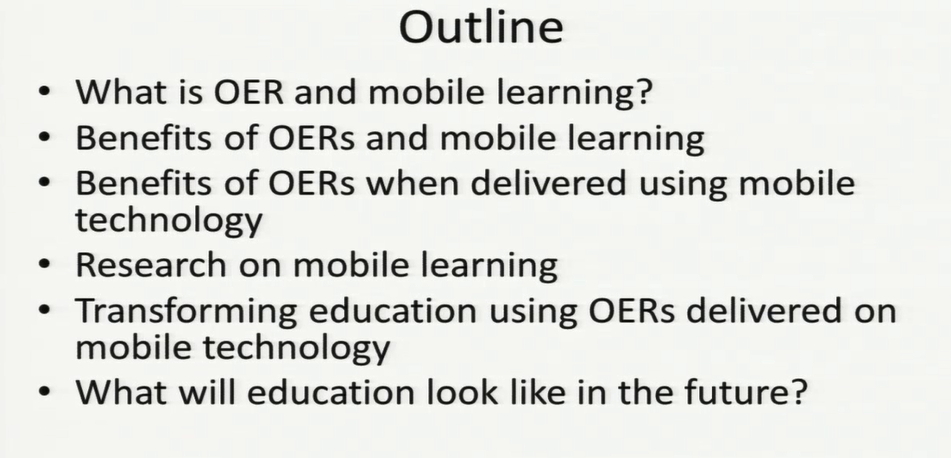
2014 이러닝 국제 콘퍼런스 : Open Education Resources with Mobile Learning to Transform Education
한국교육학술정보원 Mohamed Ally
이 자료와 함께 이용한 RISS 자료
나만을 위한 추천자료


