 국립중앙도서관 "우편 복사 서비스"로 연결 됩니다.


 스콜라
스콜라
Analyzing e-learning users’ learning strategy is quite important because it helps to understand e-learners. To analyze one’s learning strategy, a well-defined measurement tool is required. In this thesis, a tool for measuring learning strategy is ...
다국어 입력
あ
ぁ
か
が
さ
ざ
た
だ
な
は
ば
ぱ
ま
や
ゃ
ら
わ
ゎ
ん
い
ぃ
き
ぎ
し
じ
ち
ぢ
に
ひ
び
ぴ
み
り
う
ぅ
く
ぐ
す
ず
つ
づ
っ
ぬ
ふ
ぶ
ぷ
む
ゆ
ゅ
る
え
ぇ
け
げ
せ
ぜ
て
で
ね
へ
べ
ぺ
め
れ
お
ぉ
こ
ご
そ
ぞ
と
ど
の
ほ
ぼ
ぽ
も
よ
ょ
ろ
を
ア
ァ
カ
サ
ザ
タ
ダ
ナ
ハ
バ
パ
マ
ヤ
ャ
ラ
ワ
ヮ
ン
イ
ィ
キ
ギ
シ
ジ
チ
ヂ
ニ
ヒ
ビ
ピ
ミ
リ
ウ
ゥ
ク
グ
ス
ズ
ツ
ヅ
ッ
ヌ
フ
ブ
プ
ム
ユ
ュ
ル
エ
ェ
ケ
ゲ
セ
ゼ
テ
デ
ヘ
ベ
ペ
メ
レ
オ
ォ
コ
ゴ
ソ
ゾ
ト
ド
ノ
ホ
ボ
ポ
モ
ヨ
ョ
ロ
ヲ
―
http://chineseinput.net/에서 pinyin(병음)방식으로 중국어를 변환할 수 있습니다.
변환된 중국어를 복사하여 사용하시면 됩니다.
예시)
- 中文 을 입력하시려면 zhongwen을 입력하시고 space를누르시면됩니다.
- 北京 을 입력하시려면 beijing을 입력하시고 space를 누르시면 됩니다.
А
Б
В
Г
Д
Е
Ё
Ж
З
И
Й
К
Л
М
Н
О
П
Р
С
Т
У
Ф
Х
Ц
Ч
Ш
Щ
Ъ
Ы
Ь
Э
Ю
Я
а
б
в
г
д
е
ё
ж
з
и
й
к
л
м
н
о
п
р
с
т
у
ф
х
ц
ч
ш
щ
ъ
ы
ь
э
ю
я
′
″
℃
Å
¢
£
¥
¤
℉
‰
$
%
F
₩
㎕
㎖
㎗
ℓ
㎘
㏄
㎣
㎤
㎥
㎦
㎙
㎚
㎛
㎜
㎝
㎞
㎟
㎠
㎡
㎢
㏊
㎍
㎎
㎏
㏏
㎈
㎉
㏈
㎧
㎨
㎰
㎱
㎲
㎳
㎴
㎵
㎶
㎷
㎸
㎹
㎀
㎁
㎂
㎃
㎄
㎺
㎻
㎽
㎾
㎿
㎐
㎑
㎒
㎓
㎔
Ω
㏀
㏁
㎊
㎋
㎌
㏖
㏅
㎭
㎮
㎯
㏛
㎩
㎪
㎫
㎬
㏝
㏐
㏓
㏃
㏉
㏜
㏆

RISS 인기검색어

이러닝 학습자의 학습전략 분석을 위한 측정도구 개발 = The Development of the Measurement Tool of Learning Strategies to Analyze Learners in E-Learning
한글로보기https://www.riss.kr/link?id=A103792759
- 저자
- 발행기관
- 학술지명
- 권호사항
-
발행연도
2008
-
작성언어
Korean
- 주제어
-
등재정보
KCI등재
-
자료형태
학술저널
- 발행기관 URL
-
수록면
103-126(24쪽)
-
KCI 피인용횟수
8
- 제공처
- 소장기관
-
0
상세조회 -
0
다운로드
부가정보
다국어 초록 (Multilingual Abstract)

Analyzing e-learning users’ learning strategy is quite important because it helps to understand e-learners. To analyze one’s learning strategy, a well-defined measurement tool is required. In this thesis, a tool for measuring learning strategy is proposed after identifying the scope and factors of strategy in e-learning.
The questions, which are used in the proposed measurement tool, are defined as following process; once reserved questions are derived from existing research works; experts reviewed the reserved questions. To enhance its validity, Delphi is used to converge experts’ comments.
The results show that the e-learning strategy is divided into sub-categories;
“resource utilization strategy”, “learning attitude strategy”, and “learning activity strategy”. Factors related to resource utilization strategy include “human resource utilization”, “information resource utilization”, and “system utilization”. Factors related to learning attitude strategy include “attitude”, “preparation”, “motivation”, “interest” and “cyber effectiveness”, Factors related to learn activity include “learning plan”, “time plan”, “presentation”, “control” and “modification”. Each factor can be measured by 51 questions, the reliability for total questions (Cronbach
α) is 0.936, which is quite high.
In addition, there was correlated analysis between 1st examination and
re-examination to verify there reliability of re-exanimation. From the total score of total questions, the Pierson-correlation factor showed 0.955 which is highly related to the time variation. Therefore it is proved that the measurement tool is highly reliable.
The questions, which are used in the proposed measurement tool, are defined as following process; once reserved questions are derived from existing research works; experts reviewed the reserved questions. To enhance its validity, Delphi is used to converge experts’ comments.
The results show that the e-learning strategy is divided into sub-categories;
“resource utilization strategy”, “learning attitude strategy”, and “learning activity strategy”. Factors related to resource utilization strategy include “human resource utilization”, “information resource utilization”, and “system utilization”. Factors related to learning attitude strategy include “attitude”, “preparation”, “motivation”, “interest” and “cyber effectiveness”, Factors related to learn activity include “learning plan”, “time plan”, “presentation”, “control” and “modification”. Each factor can be measured by 51 questions, the reliability for total questions (Cronbach
α) is 0.936, which is quite high.
In addition, there was correlated analysis between 1st examination and
re-examination to verify there reliability of re-exanimation. From the total score of total questions, the Pierson-correlation factor showed 0.955 which is highly related to the time variation. Therefore it is proved that the measurement tool is highly reliable.
Analyzing e-learning users’ learning strategy is quite important because it helps to understand e-learners. To analyze one’s learning strategy, a well-defined measurement tool is required. In this thesis, a tool for measuring learning strategy is proposed after identifying the scope and factors of strategy in e-learning.
The questions, which are used in the proposed measurement tool, are defined as following process; once reserved questions are derived from existing research works; experts reviewed the reserved questions. To enhance its validity, Delphi is used to converge experts’ comments.
The results show that the e-learning strategy is divided into sub-categories;
“resource utilization strategy”, “learning attitude strategy”, and “learning activity strategy”. Factors related to resource utilization strategy include “human resource utilization”, “information resource utilization”, and “system utilization”. Factors related to learning attitude strategy include “attitude”, “preparation”, “motivation”, “interest” and “cyber effectiveness”, Factors related to learn activity include “learning plan”, “time plan”, “presentation”, “control” and “modification”. Each factor can be measured by 51 questions, the reliability for total questions (Cronbach
α) is 0.936, which is quite high.
In addition, there was correlated analysis between 1st examination and
re-examination to verify there reliability of re-exanimation. From the total score of total questions, the Pierson-correlation factor showed 0.955 which is highly related to the time variation. Therefore it is proved that the measurement tool is highly reliable.
국문 초록 (Abstract)
이 연구의 목적은 이러닝 학습자들의 학습전략을 진단하여 학습에 대한 개인의 이
해를 돕기 위하여 이러닝 학습전략의 영역과 요인을 밝히고 이러닝 학습전략을 분
석할 수 있는 측정도구를 개발하는 것이다.
이러닝과 학습전략에 대한 문헌고찰로 예비문항을 개발하고, 문항의 타당성을 확
보하기 위한 방법으로 델파이를 통하여 전문가의 의견을 수렴하는 과정을 거쳤다.
연구 결과 이러닝 학습전략의 영역은 자원활용전략, 학습태도전략, 학습활동 전략으로 밝혀졌다. 각 영역의 요인은 자원활용전략의 경우는 인적자원활용, 정보자원활용, 시스템활용으로, 학습태도전략은 태도 및 준비, 동기 및 흥미, 사이버 효능감, 그리고 학습활동전략은 학습계획, 시간계획, 시연, 조절 및 조정으로 구성된다.
각각은 연구 결과 개발된 51문항을 통해 측정할 수 있으며, 전체 문항의 신뢰도
Cronbach α는 .936로 매우 높다. 자원활용전략 영역(A)은 .806이며, 학습태도전략 영역(B)은 .848, 학습활동전략 영역(C)은 .888로 각 영역별 신뢰도도 매우 높다.
또한 재검사 신뢰도를 알아보기 위하여 1차검사와 재검사 사이의 상관분석을 실시
하였다. 전체 문항의 총 합계점수로 분석한 결과 피어슨 상관계수가 .955로 시간의
변화에 따라 매우 일관성 있는 점수를 타나내었고 따라서 매우 신뢰도가 높은 측정
도구임이 증명되었다.
이는 이러닝 환경에서 사용하는 학습전략을 진단하고 평가하는데 기본적인 틀과
도구를 제공하는 역할을 할 것이다. 측정결과를 이용하여 학습자는 어떤 영역과 요
인에 대한 전략이 부족하고 어떤 부분이 바람직한지를 진단하여 자신의 이러닝 학
습전략을 이해하고, 교수자는 학습자의 상태를 파악하여 강의시 참고할 수 있으며,
교수설계자는 교수 설계시 참고를 할 수 있을 것이다.
해를 돕기 위하여 이러닝 학습전략의 영역과 요인을 밝히고 이러닝 학습전략을 분
석할 수 있는 측정도구를 개발하는 것이다.
이러닝과 학습전략에 대한 문헌고찰로 예비문항을 개발하고, 문항의 타당성을 확
보하기 위한 방법으로 델파이를 통하여 전문가의 의견을 수렴하는 과정을 거쳤다.
연구 결과 이러닝 학습전략의 영역은 자원활용전략, 학습태도전략, 학습활동 전략으로 밝혀졌다. 각 영역의 요인은 자원활용전략의 경우는 인적자원활용, 정보자원활용, 시스템활용으로, 학습태도전략은 태도 및 준비, 동기 및 흥미, 사이버 효능감, 그리고 학습활동전략은 학습계획, 시간계획, 시연, 조절 및 조정으로 구성된다.
각각은 연구 결과 개발된 51문항을 통해 측정할 수 있으며, 전체 문항의 신뢰도
Cronbach α는 .936로 매우 높다. 자원활용전략 영역(A)은 .806이며, 학습태도전략 영역(B)은 .848, 학습활동전략 영역(C)은 .888로 각 영역별 신뢰도도 매우 높다.
또한 재검사 신뢰도를 알아보기 위하여 1차검사와 재검사 사이의 상관분석을 실시
하였다. 전체 문항의 총 합계점수로 분석한 결과 피어슨 상관계수가 .955로 시간의
변화에 따라 매우 일관성 있는 점수를 타나내었고 따라서 매우 신뢰도가 높은 측정
도구임이 증명되었다.
이는 이러닝 환경에서 사용하는 학습전략을 진단하고 평가하는데 기본적인 틀과
도구를 제공하는 역할을 할 것이다. 측정결과를 이용하여 학습자는 어떤 영역과 요
인에 대한 전략이 부족하고 어떤 부분이 바람직한지를 진단하여 자신의 이러닝 학
습전략을 이해하고, 교수자는 학습자의 상태를 파악하여 강의시 참고할 수 있으며,
교수설계자는 교수 설계시 참고를 할 수 있을 것이다.
이 연구의 목적은 이러닝 학습자들의 학습전략을 진단하여 학습에 대한 개인의 이 해를 돕기 위하여 이러닝 학습전략의 영역과 요인을 밝히고 이러닝 학습전략을 분 석할 수 있는 측정도...
이 연구의 목적은 이러닝 학습자들의 학습전략을 진단하여 학습에 대한 개인의 이
해를 돕기 위하여 이러닝 학습전략의 영역과 요인을 밝히고 이러닝 학습전략을 분
석할 수 있는 측정도구를 개발하는 것이다.
이러닝과 학습전략에 대한 문헌고찰로 예비문항을 개발하고, 문항의 타당성을 확
보하기 위한 방법으로 델파이를 통하여 전문가의 의견을 수렴하는 과정을 거쳤다.
연구 결과 이러닝 학습전략의 영역은 자원활용전략, 학습태도전략, 학습활동 전략으로 밝혀졌다. 각 영역의 요인은 자원활용전략의 경우는 인적자원활용, 정보자원활용, 시스템활용으로, 학습태도전략은 태도 및 준비, 동기 및 흥미, 사이버 효능감, 그리고 학습활동전략은 학습계획, 시간계획, 시연, 조절 및 조정으로 구성된다.
각각은 연구 결과 개발된 51문항을 통해 측정할 수 있으며, 전체 문항의 신뢰도
Cronbach α는 .936로 매우 높다. 자원활용전략 영역(A)은 .806이며, 학습태도전략 영역(B)은 .848, 학습활동전략 영역(C)은 .888로 각 영역별 신뢰도도 매우 높다.
또한 재검사 신뢰도를 알아보기 위하여 1차검사와 재검사 사이의 상관분석을 실시
하였다. 전체 문항의 총 합계점수로 분석한 결과 피어슨 상관계수가 .955로 시간의
변화에 따라 매우 일관성 있는 점수를 타나내었고 따라서 매우 신뢰도가 높은 측정
도구임이 증명되었다.
이는 이러닝 환경에서 사용하는 학습전략을 진단하고 평가하는데 기본적인 틀과
도구를 제공하는 역할을 할 것이다. 측정결과를 이용하여 학습자는 어떤 영역과 요
인에 대한 전략이 부족하고 어떤 부분이 바람직한지를 진단하여 자신의 이러닝 학
습전략을 이해하고, 교수자는 학습자의 상태를 파악하여 강의시 참고할 수 있으며,
교수설계자는 교수 설계시 참고를 할 수 있을 것이다.
참고문헌 (Reference)
1 김동일, "학업상담을 위한 학습전략 프로그램" 학지사 2005
2 박성익, "학습전략의 탐구동향" 교육과학사 1988
3 이종승, "표준화 심리검사" 교육과학사 2005
4 김동일, "초등학생의 학업성취 특성 분석 및 지원방안" 서울대학교 교육행정 연수원 2004
5 김계현, "상담심리학연구: 주제론과 방법론" 학지사 2000
6 김계현, "상담심리학 연구Ⅱ: 집단·진로·학업·가족상담" 학지사 2001
7 김희배, "대학 e-러닝 콘텐츠 공동 개발 및 활용 유통 활성화 방안 연구. 한국교육학술연구원 연구보고 CR 2005-21" 한국교육학술연구원 2005
8 이인숙, "e-Learning 환경에서의 자기조절학습전략, 자기효능감과 e-Learning학습전략 수준 및 학업성취도 관련성 규명" 한국교육공학회 19 (19): 41-68, 2003
9 Jonassen, D. H., "Thinking Technology" 33 (33): 35-37, 1993
10 Short, E. J., "The triple alliance for learning: Cognition, metacognition, and motivation in cognitive strategy research: From bsaic research to educational applications" Springer-Verlag 33-63, 1989
1 김동일, "학업상담을 위한 학습전략 프로그램" 학지사 2005
2 박성익, "학습전략의 탐구동향" 교육과학사 1988
3 이종승, "표준화 심리검사" 교육과학사 2005
4 김동일, "초등학생의 학업성취 특성 분석 및 지원방안" 서울대학교 교육행정 연수원 2004
5 김계현, "상담심리학연구: 주제론과 방법론" 학지사 2000
6 김계현, "상담심리학 연구Ⅱ: 집단·진로·학업·가족상담" 학지사 2001
7 김희배, "대학 e-러닝 콘텐츠 공동 개발 및 활용 유통 활성화 방안 연구. 한국교육학술연구원 연구보고 CR 2005-21" 한국교육학술연구원 2005
8 이인숙, "e-Learning 환경에서의 자기조절학습전략, 자기효능감과 e-Learning학습전략 수준 및 학업성취도 관련성 규명" 한국교육공학회 19 (19): 41-68, 2003
9 Jonassen, D. H., "Thinking Technology" 33 (33): 35-37, 1993
10 Short, E. J., "The triple alliance for learning: Cognition, metacognition, and motivation in cognitive strategy research: From bsaic research to educational applications" Springer-Verlag 33-63, 1989
11 Owston, R. D., "The World Wide Web: A technology to enhance teaching and learning?" 26 (26): 27-33, 1997
12 Weinstein, C. E., "The Teaching of learning strategies in Handbook of Research on teaching" Macmillan 315-327, 1986
13 Hoover, J. J., "Teaching students with learning problems to use study skills: A teacher's guide" Pro-Ed 1995
14 Jones, B. F., "Teaching cognitive strategies and text structures within language arts programs in Thinking and Learning skills" Erlbaum 259-297, 1985
15 Mekeachie, W, J., "Teaching and Learning in the College Classroom: A Review of the Research Literature" NCRIPTAC 1986
16 Burge, E. J., "Student's perceptions of learning in computer conferencing: a qualitative analysis" University of Toronto 1993
17 Gough, H., "Personality and personality assessment in Handbook of industrial and organizational psychology" RandMcNally 1976
18 Pintrich, P., "Motivational and Self-Regulated Learning Components of Classroom Academic performance" 82 (82): 33-40, 1990
19 Lin, X., "Metacognition: Implications for research in hypermedia-based learning environment" Eric Document Reproduction Service No. ED373736 1994
20 Khan, B. H., "Managing E-Learning: Design, Delivery, Impletation and Evaluation" Information Science Publishing 2005
21 Lyman, B. G., "Learning strategies for the Internet: Playing catchup, Proceedings of 1989 ED-media conference. [CD-ROM]"
22 Weinstein, C. E., "Learning and Study Strategies Inventory" H & H Publishing 1987
23 Dansereau, D. F., "Learning Strategy research" Lawrence Erlbaum Associates 1 : 209-240, 1985
24 Rigney, J. W., "Learning Strategies: a theoretical perspective in Learning Strategies" Academic Press 1978
25 Schmeck, P. R., "Indivisual differences and learning strategies in Learning and study strategies" Academic Press 1988
26 Rogenberg. M., "E-Learning: strategies for delivering knowledge in the digitalage" McGraw-Hill 2000
27 Derry, S. J., "Designing systems that train learning ability : From theory to practice" 56 (56): 1-39, 1986
28 Hill, J.R, "Cognitive strategies and learning from the World Wide Web" 45 (45): 37-64, 1997
29 Eastmond, D. V., "Adult learning of distance students through computer conferencing" Syracuse University 1993
30 산업자원부, "2005-2006 이러닝 백서"
동일학술지(권/호) 다른 논문
-
공업계 고등학교 교사의 갈등관리 유형과 직무만족도 분석
- 한국기술교육학회
- 김태훈
- 2008
- KCI등재
-
교육과정 변천에 따른 중학교 기술교과에 반영된 진로 관련 내용 분석
- 한국기술교육학회
- 최준섭
- 2008
- KCI등재
-
중등학교 기술교육에서 생물기술 영역의 내용 구성 요소 구명
- 한국기술교육학회
- 이광재
- 2008
- KCI등재
-
- 한국기술교육학회
- 최유현
- 2008
- KCI등재
분석정보
인용정보 인용지수 설명보기
학술지 이력
| 연월일 | 이력구분 | 이력상세 | 등재구분 |
|---|---|---|---|
| 2026 | 평가예정 | 재인증평가 신청대상 (재인증) | |
| 2020-01-01 | 평가 | 등재학술지 유지 (재인증) | |
| 2017-01-01 | 평가 | 등재학술지 유지 (계속평가) | |
| 2014-01-08 | 학술지명변경 | 외국어명 : 미등록 -> THE KOREAN JOURNAL OF TECHNOLOGY EDUCATION | |
| 2013-01-01 | 평가 | 등재학술지 유지 (등재유지) | |
| 2010-01-01 | 평가 | 등재학술지 유지 (등재유지) | |
| 2007-01-01 | 평가 | 등재학술지 선정 (등재후보2차) | |
| 2006-01-01 | 평가 | 등재후보 1차 PASS (등재후보1차) |  |
| 2004-01-01 | 평가 | 등재후보학술지 선정 (신규평가) | |
학술지 인용정보
| 기준연도 | WOS-KCI 통합IF(2년) | KCIF(2년) | KCIF(3년) |
|---|---|---|---|
| 2016 | 1.52 | 1.52 | 1.72 |
| KCIF(4년) | KCIF(5년) | 중심성지수(3년) | 즉시성지수 |
| 1.66 | 1.72 | 2.247 | 0.44 |
연관 공개강의(KOCW)
-
2014 이러닝 국제 콘퍼런스: Analysis of e-Learning Program Management for Adults in Korea
한국교육정보진흥협회 Don-Min, Choi -
2014 이러닝 국제 콘퍼런스 : Developing the PETAL e-Learning Platform~
한국교육정보진흥협회 Vincent Tam -
2014 이러닝 국제 콘퍼런스 : Understand Seniors’ Motivation in e-Learning through
한국교육정보진흥협회 Thomas Kuan -
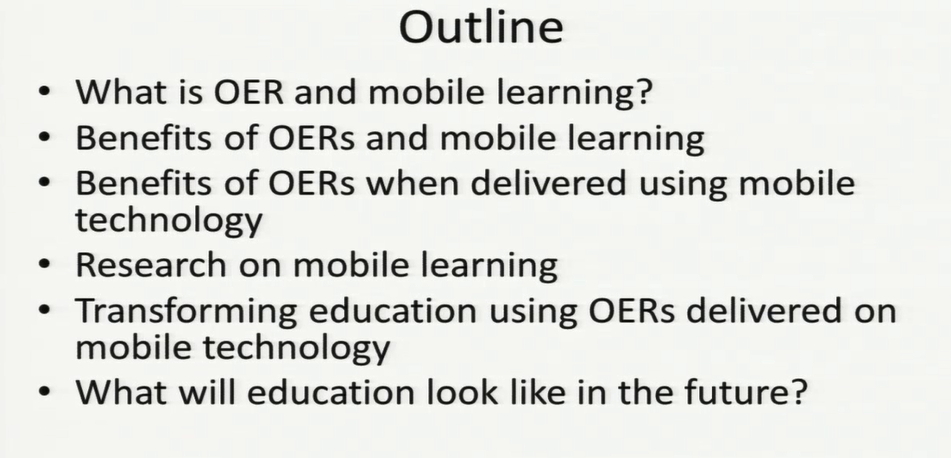
2014 이러닝 국제 콘퍼런스 : Open Education Resources with Mobile Learning to Transform Education
한국교육학술정보원 Mohamed Ally -
2014 이러닝 국제 콘퍼런스 : Reality of eBooks and Tablets in Education - in the Aspects of ELT
한국교육학술정보원 Sung Yoon
이 자료와 함께 이용한 RISS 자료
나만을 위한 추천자료


