



- CONTENTS
- 1 Introduction to Thinking Skills for the Digital Generation = 1
- 1.1 Scope of the Work = 2
- 1.1.1 What Is the Main Message of This Book? = 3
- 1.1.2 How Is This Book Different? = 4
다국어 입력
あ
ぁ
か
が
さ
ざ
た
だ
な
は
ば
ぱ
ま
や
ゃ
ら
わ
ゎ
ん
い
ぃ
き
ぎ
し
じ
ち
ぢ
に
ひ
び
ぴ
み
り
う
ぅ
く
ぐ
す
ず
つ
づ
っ
ぬ
ふ
ぶ
ぷ
む
ゆ
ゅ
る
え
ぇ
け
げ
せ
ぜ
て
で
ね
へ
べ
ぺ
め
れ
お
ぉ
こ
ご
そ
ぞ
と
ど
の
ほ
ぼ
ぽ
も
よ
ょ
ろ
を
ア
ァ
カ
サ
ザ
タ
ダ
ナ
ハ
バ
パ
マ
ヤ
ャ
ラ
ワ
ヮ
ン
イ
ィ
キ
ギ
シ
ジ
チ
ヂ
ニ
ヒ
ビ
ピ
ミ
リ
ウ
ゥ
ク
グ
ス
ズ
ツ
ヅ
ッ
ヌ
フ
ブ
プ
ム
ユ
ュ
ル
エ
ェ
ケ
ゲ
セ
ゼ
テ
デ
ヘ
ベ
ペ
メ
レ
オ
ォ
コ
ゴ
ソ
ゾ
ト
ド
ノ
ホ
ボ
ポ
モ
ヨ
ョ
ロ
ヲ
―
http://chineseinput.net/에서 pinyin(병음)방식으로 중국어를 변환할 수 있습니다.
변환된 중국어를 복사하여 사용하시면 됩니다.
예시)
- 中文 을 입력하시려면 zhongwen을 입력하시고 space를누르시면됩니다.
- 北京 을 입력하시려면 beijing을 입력하시고 space를 누르시면 됩니다.
А
Б
В
Г
Д
Е
Ё
Ж
З
И
Й
К
Л
М
Н
О
П
Р
С
Т
У
Ф
Х
Ц
Ч
Ш
Щ
Ъ
Ы
Ь
Э
Ю
Я
а
б
в
г
д
е
ё
ж
з
и
й
к
л
м
н
о
п
р
с
т
у
ф
х
ц
ч
ш
щ
ъ
ы
ь
э
ю
я
′
″
℃
Å
¢
£
¥
¤
℉
‰
$
%
F
₩
㎕
㎖
㎗
ℓ
㎘
㏄
㎣
㎤
㎥
㎦
㎙
㎚
㎛
㎜
㎝
㎞
㎟
㎠
㎡
㎢
㏊
㎍
㎎
㎏
㏏
㎈
㎉
㏈
㎧
㎨
㎰
㎱
㎲
㎳
㎴
㎵
㎶
㎷
㎸
㎹
㎀
㎁
㎂
㎃
㎄
㎺
㎻
㎽
㎾
㎿
㎐
㎑
㎒
㎓
㎔
Ω
㏀
㏁
㎊
㎋
㎌
㏖
㏅
㎭
㎮
㎯
㏛
㎩
㎪
㎫
㎬
㏝
㏐
㏓
㏃
㏉
㏜
㏆

RISS 인기검색어
Thinking skills for the digital generation : the development of thinking and learning in the age of information
한글로보기https://www.riss.kr/link?id=M14827414
- 저자
-
발행사항
Cham, Switzerland : Springer, [2017] ©2017
-
발행연도
2017
-
작성언어
영어
- 주제어
-
DDC
370.152 판사항(23)
-
ISBN
9783319123639
3319123637
9783319123646 (eBook)
3319123645 (eBook) -
자료형태
일반단행본
-
발행국(도시)
스위스
-
서명/저자사항
Thinking skills for the digital generation : the development of thinking and learning in the age of information / Balu H. Athreya, Chrystalla Mouza
-
형태사항
xiv, 179 pages : illustrations (chiefly color) ; 25 cm
-
일반주기명
Includes bibliographical references and index
-
소장기관
- 국립중앙도서관

- 국회도서관

- 국립중앙도서관
-
0
상세조회 -
0
다운로드
부가정보
목차 (Table of Contents)
- CONTENTS
- 1 Introduction to Thinking Skills for the Digital Generation = 1
- 1.1 Scope of the Work = 2
- 1.1.1 What Is the Main Message of This Book? = 3
- 1.1.2 How Is This Book Different? = 4
- 1.2 Thinking and Human Brain = 4
- 1.3 Thinking and Memory = 6
- 1.4 Book Content = 8
- 1.5 Significance = 10
- References = 10
- 2 The Digital Generation = 11
- 2.1 Defining the Digital Generation = 11
- 2.2 Technology and Media Use by Children 0-10 = 14
- 2.3 Technology and Media Use by Tweens and Teens = 16
- 2.4 Technology and Media Use by College Students = 18
- 2.5 Learning Preferences of Young People = 19
- 2.6 Guidelines for Technology Use = 22
- 2.7 Main Message = 23
- References = 23
- 3 What Is Thinking? = 25
- 3.1 Defining Thinking = 25
- 3.2 Types of Thinking = 28
- 3.2.1 Reflexive and Low-Level Analytical Thinking = 28
- 3.2.2 Reflective Thinking = 29
- 3.2.3 Critical Thinking = 29
- 3.2.4 Creative Thinking = 30
- 3.2.5 Convergent and Divergent Thinking = 31
- 3.2.6 Inductive and Deductive Thinking = 31
- 3.2.7 Concrete Thinking = 31
- 3.2.8 Abstract Thinking = 32
- 3.2.9 Analytical and Synthetic Thinking = 32
- 3.2.10 Connective and Substitutive Thinking = 32
- 3.2.11 Computational Thinking = 32
- 3.2.12 Systems Thinking = 33
- 3.2.13 Meditative Thinking = 33
- 3.3 Purpose of Thinking = 34
- 3.4 Main Message = 34
- References = 35
- 4 The Thinking Process = 37
- 4.1 Background on the Thinking Process = 37
- 4.2 Why We Need to Think on Our Own = 38
- 4.2.1 The Battle Over Our Minds = 38
- 4.2.2 The Influence of Media = 39
- 4.3 Steps in the Thinking Process = 39
- 4.4 Adjuncts to Thinking = 42
- 4.4.1 Listening Skills = 42
- 4.4.2 Language and Thinking = 45
- 4.5 Neurobiology of Thinking = 52
- 4.5.1 Default Network = 54
- 4.5.2 The Limbic System = 55
- 4.5.3 The Reward Circuitry = 57
- 4.5.4 Executive Functions = 57
- 4.6 Basic Modes of Thinking = 60
- 4.6.1 Perception and Response Process = 60
- 4.6.2 Pattern-Making Process = 60
- 4.6.3 Reflexive and Reflective Thinking Process = 61
- 4.6.4 System 1 Thinking Process = 61
- 4.6.5 System 2 Thinking Process = 62
- 4.6.6 Intuitive Thinking of Experts = 63
- 4.7 Main Message = 63
- References = 64
- 5 Sources of Information for Thinking = 67
- 5.1 Role of Information in Thinking : Why is Information Important? = 67
- 5.2 Locating Information : From Oral History, to Printing Press, to the Internet = 68
- 5.3 Information Seeking Models = 72
- 5.4 Information-Seeking Behavior = 75
- 5.5 Challenges in Navigating the Information Landscape = 79
- 5.6 Information Literacy : Thinking with Information = 82
- 5.7 Main Message = 86
- References = 86
- 6 Internet and Thinking = 89
- 6.1 Historical and Conceptual Perspectives on Cognition and Technology = 89
- 6.1.1 What Does It Mean to Be Smarter? = 91
- 6.2 Internet and Reading = 93
- 6.3 Internet and Attention = 97
- 6.4 Internet and Multitasking = 99
- 6.5 Internet and Decision-Making = 100
- 6.6 Main Message = 101
- References = 101
- 7 Sources of Errors in Thinking and How to Avoid Them = 105
- 7.1 Background to Errors in Thinking = 105
- 7.2 Perceptual Errors = 106
- 7.3 Errors Due to Desires and Emotions = 107
- 7.4 Prejudice and Superstition = 108
- 7.5 Evidence Bias Errors = 108
- 7.6 Errors Based on Evaluating Evidence for Claims = 109
- 7.7 Cognitive Errors = 111
- 7.8 Logical Errors = 113
- 7.9 Errors Based on Formal Education = 115
- 7.10 Errors in Thinking Related to Science = 116
- 7.11 Errors Based on Information and Media Sources = 117
- 7.12 Errors Due to Lack of Time = 118
- 7.13 Errors Due to Social Expectations and Pressure = 119
- 7.14 Other Impediments to Thinking = 119
- 7.15 Intellectual Traits Needed to Improve Thinking Skills = 120
- 7.16 Main Message = 121
- References = 121
- 8 Strategies and Tools for Learning to Think = 123
- 8.1 Learning to Think = 123
- 8.2 Thinking Strategies and Tools = 125
- 8.2.1 Questioning = 125
- 8.2.2 Collaborative Discussions = 126
- 8.2.3 Solving Authentic Problems = 128
- 8.2.4 Brain Training = 131
- 8.2.5 Engaging with Systems Thinking = 132
- 8.3 Memory Supports = 132
- 8.4 Media Literacy = 133
- 8.5 Thinking About Thinking = 137
- 8.6 Artificial Intelligence = 138
- 8.7 Main Message = 140
- References = 141
- 9 Summary and Future Directions = 145
- 9.1 Book Summary = 145
- 9.2 Strengths of Information Technology for Thinking = 146
- 9.3 Weaknesses of Information Technology for Thinking = 147
- 9.4 Future Directions = 148
- 9.5 Final Thoughts = 151
- References = 151
- Appendix : An Exercise in Thinking = 153
- Famous Quotes on Thinking = 157
- Selected Reading List/References/Websites = 163
- Conceptual Definitions = 169
- Technical Definitions = 173
- Index = 175
분석정보
연관 공개강의(KOCW)
-
Education 4.0 시대, Hybrid Learning과 Blended Learning의 차이
신한대학교 신종우 -
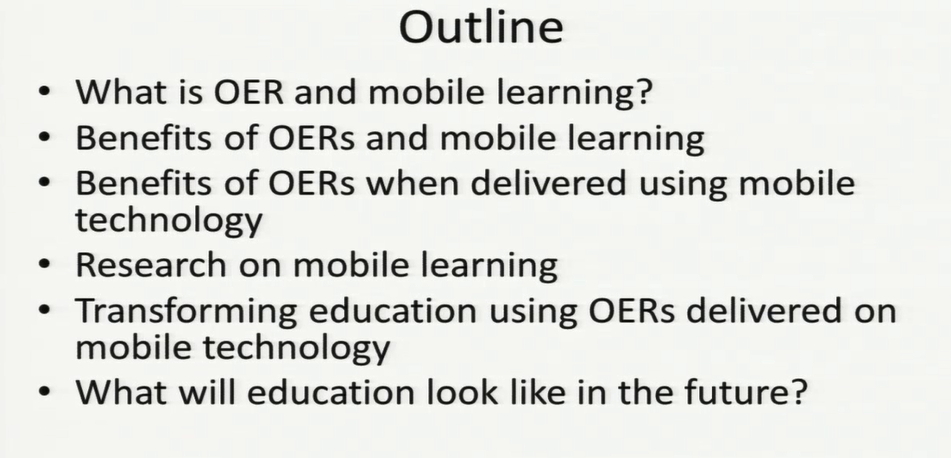
2014 이러닝 국제 콘퍼런스 : Open Education Resources with Mobile Learning to Transform Education
한국교육학술정보원 Mohamed Ally -

Psychology of Adolescence
이화여자대학교 유성경 -

Fundamentals of Psychology
K-MOOC 우송대학교 Kishor Chandran -

Fundamentals of Psychology
K-MOOC 우송대학교 Kishor Chandran
이 자료와 함께 이용한 RISS 자료
나만을 위한 추천자료


