 국립중앙도서관 "우편 복사 서비스"로 연결 됩니다.


This study analyzes the present management and control systems of Andong city for recycling living wastes. Waste management has become one of the most important problems of the municipal government administration, as environmental contamination from s...
다국어 입력
あ
ぁ
か
が
さ
ざ
た
だ
な
は
ば
ぱ
ま
や
ゃ
ら
わ
ゎ
ん
い
ぃ
き
ぎ
し
じ
ち
ぢ
に
ひ
び
ぴ
み
り
う
ぅ
く
ぐ
す
ず
つ
づ
っ
ぬ
ふ
ぶ
ぷ
む
ゆ
ゅ
る
え
ぇ
け
げ
せ
ぜ
て
で
ね
へ
べ
ぺ
め
れ
お
ぉ
こ
ご
そ
ぞ
と
ど
の
ほ
ぼ
ぽ
も
よ
ょ
ろ
を
ア
ァ
カ
サ
ザ
タ
ダ
ナ
ハ
バ
パ
マ
ヤ
ャ
ラ
ワ
ヮ
ン
イ
ィ
キ
ギ
シ
ジ
チ
ヂ
ニ
ヒ
ビ
ピ
ミ
リ
ウ
ゥ
ク
グ
ス
ズ
ツ
ヅ
ッ
ヌ
フ
ブ
プ
ム
ユ
ュ
ル
エ
ェ
ケ
ゲ
セ
ゼ
テ
デ
ヘ
ベ
ペ
メ
レ
オ
ォ
コ
ゴ
ソ
ゾ
ト
ド
ノ
ホ
ボ
ポ
モ
ヨ
ョ
ロ
ヲ
―
http://chineseinput.net/에서 pinyin(병음)방식으로 중국어를 변환할 수 있습니다.
변환된 중국어를 복사하여 사용하시면 됩니다.
예시)
- 中文 을 입력하시려면 zhongwen을 입력하시고 space를누르시면됩니다.
- 北京 을 입력하시려면 beijing을 입력하시고 space를 누르시면 됩니다.
А
Б
В
Г
Д
Е
Ё
Ж
З
И
Й
К
Л
М
Н
О
П
Р
С
Т
У
Ф
Х
Ц
Ч
Ш
Щ
Ъ
Ы
Ь
Э
Ю
Я
а
б
в
г
д
е
ё
ж
з
и
й
к
л
м
н
о
п
р
с
т
у
ф
х
ц
ч
ш
щ
ъ
ы
ь
э
ю
я
′
″
℃
Å
¢
£
¥
¤
℉
‰
$
%
F
₩
㎕
㎖
㎗
ℓ
㎘
㏄
㎣
㎤
㎥
㎦
㎙
㎚
㎛
㎜
㎝
㎞
㎟
㎠
㎡
㎢
㏊
㎍
㎎
㎏
㏏
㎈
㎉
㏈
㎧
㎨
㎰
㎱
㎲
㎳
㎴
㎵
㎶
㎷
㎸
㎹
㎀
㎁
㎂
㎃
㎄
㎺
㎻
㎽
㎾
㎿
㎐
㎑
㎒
㎓
㎔
Ω
㏀
㏁
㎊
㎋
㎌
㏖
㏅
㎭
㎮
㎯
㏛
㎩
㎪
㎫
㎬
㏝
㏐
㏓
㏃
㏉
㏜
㏆

RISS 인기검색어
地方政府의 再活用廢棄物 管理體系에 관한 實證分析 : 安東市를 中心으로 = (A) Study on the Andong City Government's Management Systems for Recycling Living Wastes
한글로보기https://www.riss.kr/link?id=T9851283
- 저자
-
발행사항
안동 : 安東大學校 行政經營大學院, 2000
-
학위논문사항
학위논문(석사) -- 안동대학교 행정경영대학원 , 지방행정학과 , 2000. 2
-
발행연도
2000
-
작성언어
한국어
- 주제어
-
KDC
359 판사항(4)
-
발행국(도시)
경상북도
-
형태사항
iv, 82 p. : 삽도 ; 26cm.
-
일반주기명
참고문헌: p. 78-80
-
소장기관
- 국립경국대학교 중앙도서관

- 국립경국대학교 중앙도서관
-
0
상세조회 -
0
다운로드
부가정보
다국어 초록 (Multilingual Abstract)

This study analyzes the present management and control systems of Andong city for recycling living wastes. Waste management has become one of the most important problems of the municipal government administration, as environmental contamination from such wastes continues to worsen. The subject of this study is limited to recyclable wastes. The research methods I used are bibliographical research, field survey and interviews of government officials, wastes collection workers and Andong city residents.
The analysis in this study shows the following problems in the management recycling of living wastes in Andong city:
1) Separate collection of recyclable wastes is not properly done.
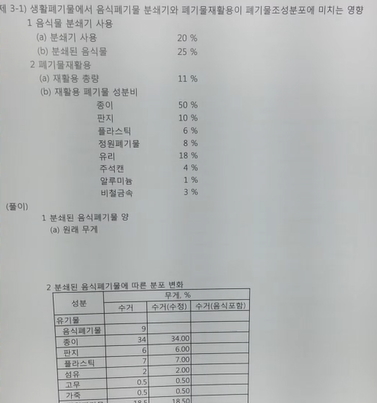
2) The percentage of food wastes-26% is considerably high.
3) The municipal government instituted a program, in which residents pay disposal fees according to the size of the bags used to take out wastes. However, many residents still refuse to use these bags. This program is called Jongryangje.
4) Even though much expense has been invested for efficient wastes disposal, it has not been effectively implemented.
5) Andong city has a bilateral wastes control agency managed by civilian business organizations as well as Andong city. However, they have not established efficient management and control systems.
Based on the above analysis, this study makes some suggestions to improve the present wastes control systems of Andong city. these are as follows:
1) The city government should provide more intensive publicity campaigns to raise public interest in recycling.
2) The city government should reactivate Jongryangje. Food wastes may be lessened by providing educational programs to encourage reasonable food culture.
3) In terms of the whole process of wastes disposal, Andong city has taken charge of some parts while other parts are religated to business organizations. This bilateral system has been found ineffective. It would be more effective to commit the whole management process to a civilian contractor rather than having it remain under city government's direct management.
4) Some programs must be devised to improve residents' awareness of the environment and to promote citizens' voluntary participation in recycling movement.
5) Some measures must be devised to draw citizens' cooperation through, for example, residents' conferences. Although the city government now takes a lead in the management of wastes disposal, it can not be done successfully without the active cooperation of residents.
The analysis in this study shows the following problems in the management recycling of living wastes in Andong city:
1) Separate collection of recyclable wastes is not properly done.
2) The percentage of food wastes-26% is considerably high.
3) The municipal government instituted a program, in which residents pay disposal fees according to the size of the bags used to take out wastes. However, many residents still refuse to use these bags. This program is called Jongryangje.
4) Even though much expense has been invested for efficient wastes disposal, it has not been effectively implemented.
5) Andong city has a bilateral wastes control agency managed by civilian business organizations as well as Andong city. However, they have not established efficient management and control systems.
Based on the above analysis, this study makes some suggestions to improve the present wastes control systems of Andong city. these are as follows:
1) The city government should provide more intensive publicity campaigns to raise public interest in recycling.
2) The city government should reactivate Jongryangje. Food wastes may be lessened by providing educational programs to encourage reasonable food culture.
3) In terms of the whole process of wastes disposal, Andong city has taken charge of some parts while other parts are religated to business organizations. This bilateral system has been found ineffective. It would be more effective to commit the whole management process to a civilian contractor rather than having it remain under city government's direct management.
4) Some programs must be devised to improve residents' awareness of the environment and to promote citizens' voluntary participation in recycling movement.
5) Some measures must be devised to draw citizens' cooperation through, for example, residents' conferences. Although the city government now takes a lead in the management of wastes disposal, it can not be done successfully without the active cooperation of residents.
This study analyzes the present management and control systems of Andong city for recycling living wastes. Waste management has become one of the most important problems of the municipal government administration, as environmental contamination from such wastes continues to worsen. The subject of this study is limited to recyclable wastes. The research methods I used are bibliographical research, field survey and interviews of government officials, wastes collection workers and Andong city residents.
The analysis in this study shows the following problems in the management recycling of living wastes in Andong city:
1) Separate collection of recyclable wastes is not properly done.
2) The percentage of food wastes-26% is considerably high.
3) The municipal government instituted a program, in which residents pay disposal fees according to the size of the bags used to take out wastes. However, many residents still refuse to use these bags. This program is called Jongryangje.
4) Even though much expense has been invested for efficient wastes disposal, it has not been effectively implemented.
5) Andong city has a bilateral wastes control agency managed by civilian business organizations as well as Andong city. However, they have not established efficient management and control systems.
Based on the above analysis, this study makes some suggestions to improve the present wastes control systems of Andong city. these are as follows:
1) The city government should provide more intensive publicity campaigns to raise public interest in recycling.
2) The city government should reactivate Jongryangje. Food wastes may be lessened by providing educational programs to encourage reasonable food culture.
3) In terms of the whole process of wastes disposal, Andong city has taken charge of some parts while other parts are religated to business organizations. This bilateral system has been found ineffective. It would be more effective to commit the whole management process to a civilian contractor rather than having it remain under city government's direct management.
4) Some programs must be devised to improve residents' awareness of the environment and to promote citizens' voluntary participation in recycling movement.
5) Some measures must be devised to draw citizens' cooperation through, for example, residents' conferences. Although the city government now takes a lead in the management of wastes disposal, it can not be done successfully without the active cooperation of residents.
목차 (Table of Contents)
- 目次 = ⅰ
- 第1章 序論 = 1
- 第1節 硏究目的 = 1
- 第2節 硏究對象과 範圍 = 2
- 第3節 硏究方法 = 3
- 目次 = ⅰ
- 第1章 序論 = 1
- 第1節 硏究目的 = 1
- 第2節 硏究對象과 範圍 = 2
- 第3節 硏究方法 = 3
- 第2章 再活用 廢棄物管理에 관한 理論的 考察 = 4
- 第1節 廢棄物의 意義와 分類體系 = 4
- 1. 廢棄物과 資源再活用의 意義 = 4
- 2. 廢棄物의 分類體系 = 5
- 3. 廢棄物 再活用의 環境的效果 = 6
- 第2節 廢棄物의 管理體系 = 8
- 1. 再活用 廢棄物 關聯法規 = 8
- 2. 管理方向 = 15
- 3. 管理戰略 및 實踐目標 = 16
- 第3節 主要國歌의 廢棄物 管理體系 = 18
- 1. 美國ㆍ英國ㆍ프랑스 = 18
- 2. 獨逸ㆍ日本 = 26
- 3. 韓國과 外國과의 管理體系 比較 = 32
- 第3章 安東市 再活用 廢棄物 管理體系 分析 = 37
- 第1節 分析模型의 設定 = 37
- 1. 廢棄物 管理의 目標 = 39
- 2. 廢棄物管理의 中間目標와 手段 = 39
- 第2節 安東市 廢棄物 管理體系 分析 = 41
- 1. 安東市 廢棄物 發生量 現況 = 41
- 2. 安東市 廢棄物 減量化 = 45
- 3. 安東市 廢棄物 資源化 = 49
- 4. 安東市 廢棄物 適正管理構築 = 50
- 第4章 安東市 再活用 廢棄物 管理의 問題點 및 改善方案 = 66
- 第1節 安東市 廢棄物管理의 問題點 = 66
- 1. 安東市 生活廢棄物 排出에서의 問題點 = 66
- 2. 安東市 再活用廢棄物 減量化過程에서의 問題點 = 67
- 3. 安東市 再活用廢棄物 資源化過程에서의 問題點 = 67
- 4. 安東市 再活用廢棄物 適正管理構築에서의 問題點 = 68
- 第2節安東市 再活用廢棄物 管理의 改善方案 = 69
- 1. 再活用 活性化 方案 및 廢棄物 處理費用에 대한 認識 提高 = 69
- 2.쓰레기從量制 및 飮食物쓰레기 改善方案 = 70
- 3.生活廢棄物 處理分野의 完全民營化 = 72
- 4. 安東 아젠다(Agenda)21의 活性化 = 73
- 5. 廢棄物 對策 市民協議體 構成 = 73
- 第5章 結論 = 75
- 參考文獻 = 78
- Abstract = 81
분석정보



이 자료와 함께 이용한 RISS 자료
나만을 위한 추천자료


