 국립중앙도서관 "우편 복사 서비스"로 연결 됩니다.


 KCI
KCI KISS
KISS
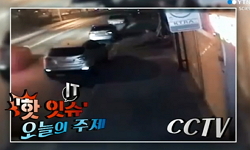
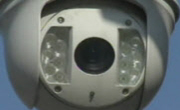
Closed Circuit Televisions(CCTVs), in rigorous usage for preventing crimes and discovering culprits, among other things, have been used as important evidence at criminal procedure. United Kingdom(UK), as one of the countries where CCTVs were equipped ...
다국어 입력
あ
ぁ
か
が
さ
ざ
た
だ
な
は
ば
ぱ
ま
や
ゃ
ら
わ
ゎ
ん
い
ぃ
き
ぎ
し
じ
ち
ぢ
に
ひ
び
ぴ
み
り
う
ぅ
く
ぐ
す
ず
つ
づ
っ
ぬ
ふ
ぶ
ぷ
む
ゆ
ゅ
る
え
ぇ
け
げ
せ
ぜ
て
で
ね
へ
べ
ぺ
め
れ
お
ぉ
こ
ご
そ
ぞ
と
ど
の
ほ
ぼ
ぽ
も
よ
ょ
ろ
を
ア
ァ
カ
サ
ザ
タ
ダ
ナ
ハ
バ
パ
マ
ヤ
ャ
ラ
ワ
ヮ
ン
イ
ィ
キ
ギ
シ
ジ
チ
ヂ
ニ
ヒ
ビ
ピ
ミ
リ
ウ
ゥ
ク
グ
ス
ズ
ツ
ヅ
ッ
ヌ
フ
ブ
プ
ム
ユ
ュ
ル
エ
ェ
ケ
ゲ
セ
ゼ
テ
デ
ヘ
ベ
ペ
メ
レ
オ
ォ
コ
ゴ
ソ
ゾ
ト
ド
ノ
ホ
ボ
ポ
モ
ヨ
ョ
ロ
ヲ
―
http://chineseinput.net/에서 pinyin(병음)방식으로 중국어를 변환할 수 있습니다.
변환된 중국어를 복사하여 사용하시면 됩니다.
예시)
- 中文 을 입력하시려면 zhongwen을 입력하시고 space를누르시면됩니다.
- 北京 을 입력하시려면 beijing을 입력하시고 space를 누르시면 됩니다.
А
Б
В
Г
Д
Е
Ё
Ж
З
И
Й
К
Л
М
Н
О
П
Р
С
Т
У
Ф
Х
Ц
Ч
Ш
Щ
Ъ
Ы
Ь
Э
Ю
Я
а
б
в
г
д
е
ё
ж
з
и
й
к
л
м
н
о
п
р
с
т
у
ф
х
ц
ч
ш
щ
ъ
ы
ь
э
ю
я
′
″
℃
Å
¢
£
¥
¤
℉
‰
$
%
F
₩
㎕
㎖
㎗
ℓ
㎘
㏄
㎣
㎤
㎥
㎦
㎙
㎚
㎛
㎜
㎝
㎞
㎟
㎠
㎡
㎢
㏊
㎍
㎎
㎏
㏏
㎈
㎉
㏈
㎧
㎨
㎰
㎱
㎲
㎳
㎴
㎵
㎶
㎷
㎸
㎹
㎀
㎁
㎂
㎃
㎄
㎺
㎻
㎽
㎾
㎿
㎐
㎑
㎒
㎓
㎔
Ω
㏀
㏁
㎊
㎋
㎌
㏖
㏅
㎭
㎮
㎯
㏛
㎩
㎪
㎫
㎬
㏝
㏐
㏓
㏃
㏉
㏜
㏆

비교법연구(比較法硏究) : CCTV 녹화영상에 대한 영국의 근거법 및 형사증거법에 대한 비교법연구 = Comparative Legal Research on United Kingdom`s Legal Ground of Closed Circuit Television(CCTV) and Criminal Evidence Law with Respect to its Recorded Images
한글로보기https://www.riss.kr/link?id=A101074690
- 저자
- 발행기관
- 학술지명
- 권호사항
-
발행연도
2015
-
작성언어
-
- 주제어
-
KDC
300
-
등재정보
KCI우수등재
-
자료형태
학술저널
-
수록면
199-240(42쪽)
- DOI식별코드
- 제공처
- 소장기관
-
0
상세조회 -
0
다운로드
인용문이 복사되었습니다.
부가정보
다국어 초록 (Multilingual Abstract)

Closed Circuit Televisions(CCTVs), in rigorous usage for preventing crimes and discovering culprits, among other things, have been used as important evidence at criminal procedure. United Kingdom(UK), as one of the countries where CCTVs were equipped and used in massive ways, has developed statutory laws and code of practices enabling the legal operation of CCTVs, and case laws in criminal cases dealing with admissibility and trustworthiness of images recorded by CCTVs. This thesis investigates legal and administrative foundation of Korean law regulating CCTV operation. With comparative analytical perspective, it researches 1998 Date Protection Act and 2012 Protection of Freedom Act, and administratively-recommended code of practices related to CCTV and surveillance cameras, which have been established and properly updated in light of development of technology and social usages during last two decades. The investigation shed lights on legal delineation and advancement of Korean laws in terms of distinctive rules of CCTV operators and reflection of cutting-edge technical development. Moreover, it reviews studies and case laws on evidence of CCTV-recorded images, thereby suggesting that a CCTV’s image should be considered as non-testimonial evidence rather than hearsay evidence unless the image include testimony of a person. Lastly, this thesis examines several cases which, in criminal procedure of UK, dealt with such issues as trustworthiness and admissibility of CCTV images as evidence. Korean legal experts in the area of criminal procedure and evidence law should refer to this study in a situation in Korea where there has been rare cases issuing explicit rules on admissibility and trustworthiness of CCTV’s images as evidence.
Closed Circuit Televisions(CCTVs), in rigorous usage for preventing crimes and discovering culprits, among other things, have been used as important evidence at criminal procedure. United Kingdom(UK), as one of the countries where CCTVs were equipped and used in massive ways, has developed statutory laws and code of practices enabling the legal operation of CCTVs, and case laws in criminal cases dealing with admissibility and trustworthiness of images recorded by CCTVs. This thesis investigates legal and administrative foundation of Korean law regulating CCTV operation. With comparative analytical perspective, it researches 1998 Date Protection Act and 2012 Protection of Freedom Act, and administratively-recommended code of practices related to CCTV and surveillance cameras, which have been established and properly updated in light of development of technology and social usages during last two decades. The investigation shed lights on legal delineation and advancement of Korean laws in terms of distinctive rules of CCTV operators and reflection of cutting-edge technical development. Moreover, it reviews studies and case laws on evidence of CCTV-recorded images, thereby suggesting that a CCTV’s image should be considered as non-testimonial evidence rather than hearsay evidence unless the image include testimony of a person. Lastly, this thesis examines several cases which, in criminal procedure of UK, dealt with such issues as trustworthiness and admissibility of CCTV images as evidence. Korean legal experts in the area of criminal procedure and evidence law should refer to this study in a situation in Korea where there has been rare cases issuing explicit rules on admissibility and trustworthiness of CCTV’s images as evidence.
동일학술지(권/호) 다른 논문
-
- 법조협회
- 도회근 ( Hoe Kun Do )
- 2015
- KCI우수등재
-
이탈리아 법원과 헌법재판소 사이의헌법적합적 법률해석에서의 협력관계
- 법조협회
- 김민동 ( Mindong Kim )
- 2015
- KCI우수등재
-
- 법조협회
- 오지용 ( Jiyong Oh )
- 2015
- KCI우수등재
-
- 법조협회
- 김희영 ( Hee Yeong Kim )
- 2015
- KCI우수등재
분석정보

이 자료와 함께 이용한 RISS 자료
나만을 위한 추천자료


