 국립중앙도서관 "우편 복사 서비스"로 연결 됩니다.


This study focused on the role ideology has played in history curriculum formation. Illustrative examples were presented that demonstrated how history curriculum has been intricately connected with ideology. This study demonstrated how history curric...
다국어 입력
あ
ぁ
か
が
さ
ざ
た
だ
な
は
ば
ぱ
ま
や
ゃ
ら
わ
ゎ
ん
い
ぃ
き
ぎ
し
じ
ち
ぢ
に
ひ
び
ぴ
み
り
う
ぅ
く
ぐ
す
ず
つ
づ
っ
ぬ
ふ
ぶ
ぷ
む
ゆ
ゅ
る
え
ぇ
け
げ
せ
ぜ
て
で
ね
へ
べ
ぺ
め
れ
お
ぉ
こ
ご
そ
ぞ
と
ど
の
ほ
ぼ
ぽ
も
よ
ょ
ろ
を
ア
ァ
カ
サ
ザ
タ
ダ
ナ
ハ
バ
パ
マ
ヤ
ャ
ラ
ワ
ヮ
ン
イ
ィ
キ
ギ
シ
ジ
チ
ヂ
ニ
ヒ
ビ
ピ
ミ
リ
ウ
ゥ
ク
グ
ス
ズ
ツ
ヅ
ッ
ヌ
フ
ブ
プ
ム
ユ
ュ
ル
エ
ェ
ケ
ゲ
セ
ゼ
テ
デ
ヘ
ベ
ペ
メ
レ
オ
ォ
コ
ゴ
ソ
ゾ
ト
ド
ノ
ホ
ボ
ポ
モ
ヨ
ョ
ロ
ヲ
―
http://chineseinput.net/에서 pinyin(병음)방식으로 중국어를 변환할 수 있습니다.
변환된 중국어를 복사하여 사용하시면 됩니다.
예시)
- 中文 을 입력하시려면 zhongwen을 입력하시고 space를누르시면됩니다.
- 北京 을 입력하시려면 beijing을 입력하시고 space를 누르시면 됩니다.
А
Б
В
Г
Д
Е
Ё
Ж
З
И
Й
К
Л
М
Н
О
П
Р
С
Т
У
Ф
Х
Ц
Ч
Ш
Щ
Ъ
Ы
Ь
Э
Ю
Я
а
б
в
г
д
е
ё
ж
з
и
й
к
л
м
н
о
п
р
с
т
у
ф
х
ц
ч
ш
щ
ъ
ы
ь
э
ю
я
′
″
℃
Å
¢
£
¥
¤
℉
‰
$
%
F
₩
㎕
㎖
㎗
ℓ
㎘
㏄
㎣
㎤
㎥
㎦
㎙
㎚
㎛
㎜
㎝
㎞
㎟
㎠
㎡
㎢
㏊
㎍
㎎
㎏
㏏
㎈
㎉
㏈
㎧
㎨
㎰
㎱
㎲
㎳
㎴
㎵
㎶
㎷
㎸
㎹
㎀
㎁
㎂
㎃
㎄
㎺
㎻
㎽
㎾
㎿
㎐
㎑
㎒
㎓
㎔
Ω
㏀
㏁
㎊
㎋
㎌
㏖
㏅
㎭
㎮
㎯
㏛
㎩
㎪
㎫
㎬
㏝
㏐
㏓
㏃
㏉
㏜
㏆
Ideology and history education: A study of the influence of ideology on the formation of history curriculum and history standards.
한글로보기https://www.riss.kr/link?id=T10570432
- 저자
-
발행사항
[S.l.]: The Pennsylvania State University 2001
-
학위수여대학
The Pennsylvania State University
-
수여연도
2001
-
작성언어
영어
- 주제어
-
학위
Ph.D.
-
페이지수
300 p.
-
지도교수/심사위원
Adviser: Murry R. Nelson.
-
0
상세조회 -
0
다운로드
부가정보
다국어 초록 (Multilingual Abstract)

This study focused on the role ideology has played in history curriculum formation. Illustrative examples were presented that demonstrated how history curriculum has been intricately connected with ideology. This study demonstrated how history curriculum often has functioned as a conveyor of an ideological paradigm and that ideological conflict was frequently present in the formation of history curriculum. This study showed how such conflicts were often couched in academic terms instead of ideological terms. As a result, debates surrounding history curriculum often failed to address the core disagreement in ideology. Consequently, this lack of direct ideological communication often led to deep division and mistrust between various ideological camps. From this research, the author concluded that it is essential for those who are associated with history curriculum formation to insure that clear ideological positions are articulated and understood by history curriculum writers, academics, teachers, and the public.
This study's theoretical framework was based on the assumption that individuals view the past through a “lens” of personal experience and values and that such “lenses” varied. Historical research was used to demonstrated both the conflict of “lenses” and the outcomes of those conflicts. This historical research focused on the time frame from the <italic> Committee of Ten Report</italic> (1894) through the National History Standards Project (1996). The study was limited in scope, researching those historical episodes that highlighted the connection between history curriculum and ideology. The National History Standards Project was used as a case study and was the culminating example of ideological conflict in history curriculum formation.
This study's theoretical framework was based on the assumption that individuals view the past through a “lens” of personal experience and values and that such “lenses” varied. Historical research was used to demonstrated both the conflict of “lenses” and the outcomes of those conflicts. This historical research focused on the time frame from the <italic> Committee of Ten Report</italic> (1894) through the National History Standards Project (1996). The study was limited in scope, researching those historical episodes that highlighted the connection between history curriculum and ideology. The National History Standards Project was used as a case study and was the culminating example of ideological conflict in history curriculum formation.
This study focused on the role ideology has played in history curriculum formation. Illustrative examples were presented that demonstrated how history curriculum has been intricately connected with ideology. This study demonstrated how history curriculum often has functioned as a conveyor of an ideological paradigm and that ideological conflict was frequently present in the formation of history curriculum. This study showed how such conflicts were often couched in academic terms instead of ideological terms. As a result, debates surrounding history curriculum often failed to address the core disagreement in ideology. Consequently, this lack of direct ideological communication often led to deep division and mistrust between various ideological camps. From this research, the author concluded that it is essential for those who are associated with history curriculum formation to insure that clear ideological positions are articulated and understood by history curriculum writers, academics, teachers, and the public.
This study's theoretical framework was based on the assumption that individuals view the past through a “lens” of personal experience and values and that such “lenses” varied. Historical research was used to demonstrated both the conflict of “lenses” and the outcomes of those conflicts. This historical research focused on the time frame from the <italic> Committee of Ten Report</italic> (1894) through the National History Standards Project (1996). The study was limited in scope, researching those historical episodes that highlighted the connection between history curriculum and ideology. The National History Standards Project was used as a case study and was the culminating example of ideological conflict in history curriculum formation.
분석정보
연관 공개강의(KOCW)
-

Developments in 14-19: Institute of Education
Teachers TV Teachers TV -
Education Policy at the Party Conferences
Teachers TV Teachers TV -
Personal Finance Education: The Money Quiz
Teachers TV Teachers TV -
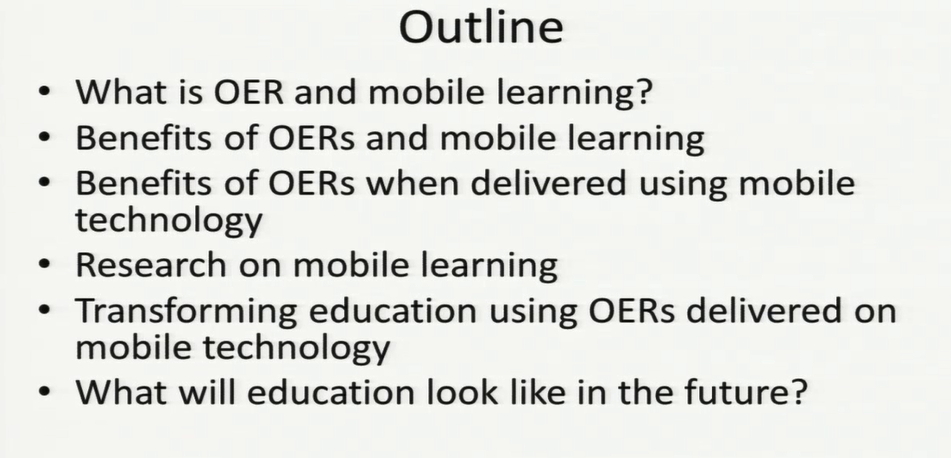
2014 이러닝 국제 콘퍼런스 : Open Education Resources with Mobile Learning to Transform Education
한국교육학술정보원 Mohamed Ally -
Early Sex Education: The Debate
Teachers TV Teachers TV
이 자료와 함께 이용한 RISS 자료
나만을 위한 추천자료


