 국립중앙도서관 "우편 복사 서비스"로 연결 됩니다.


 KCI
KCI 스콜라
스콜라
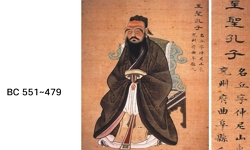
There's been any amount of research on the Discourses of Confucius but it has been focused on the educational philosophy and moral philosophy of Confucianism. Research about modern counseling based on Confucianism were rare. Therefore, it is needed to...
다국어 입력
あ
ぁ
か
が
さ
ざ
た
だ
な
は
ば
ぱ
ま
や
ゃ
ら
わ
ゎ
ん
い
ぃ
き
ぎ
し
じ
ち
ぢ
に
ひ
び
ぴ
み
り
う
ぅ
く
ぐ
す
ず
つ
づ
っ
ぬ
ふ
ぶ
ぷ
む
ゆ
ゅ
る
え
ぇ
け
げ
せ
ぜ
て
で
ね
へ
べ
ぺ
め
れ
お
ぉ
こ
ご
そ
ぞ
と
ど
の
ほ
ぼ
ぽ
も
よ
ょ
ろ
を
ア
ァ
カ
サ
ザ
タ
ダ
ナ
ハ
バ
パ
マ
ヤ
ャ
ラ
ワ
ヮ
ン
イ
ィ
キ
ギ
シ
ジ
チ
ヂ
ニ
ヒ
ビ
ピ
ミ
リ
ウ
ゥ
ク
グ
ス
ズ
ツ
ヅ
ッ
ヌ
フ
ブ
プ
ム
ユ
ュ
ル
エ
ェ
ケ
ゲ
セ
ゼ
テ
デ
ヘ
ベ
ペ
メ
レ
オ
ォ
コ
ゴ
ソ
ゾ
ト
ド
ノ
ホ
ボ
ポ
モ
ヨ
ョ
ロ
ヲ
―
http://chineseinput.net/에서 pinyin(병음)방식으로 중국어를 변환할 수 있습니다.
변환된 중국어를 복사하여 사용하시면 됩니다.
예시)
- 中文 을 입력하시려면 zhongwen을 입력하시고 space를누르시면됩니다.
- 北京 을 입력하시려면 beijing을 입력하시고 space를 누르시면 됩니다.
А
Б
В
Г
Д
Е
Ё
Ж
З
И
Й
К
Л
М
Н
О
П
Р
С
Т
У
Ф
Х
Ц
Ч
Ш
Щ
Ъ
Ы
Ь
Э
Ю
Я
а
б
в
г
д
е
ё
ж
з
и
й
к
л
м
н
о
п
р
с
т
у
ф
х
ц
ч
ш
щ
ъ
ы
ь
э
ю
я
′
″
℃
Å
¢
£
¥
¤
℉
‰
$
%
F
₩
㎕
㎖
㎗
ℓ
㎘
㏄
㎣
㎤
㎥
㎦
㎙
㎚
㎛
㎜
㎝
㎞
㎟
㎠
㎡
㎢
㏊
㎍
㎎
㎏
㏏
㎈
㎉
㏈
㎧
㎨
㎰
㎱
㎲
㎳
㎴
㎵
㎶
㎷
㎸
㎹
㎀
㎁
㎂
㎃
㎄
㎺
㎻
㎽
㎾
㎿
㎐
㎑
㎒
㎓
㎔
Ω
㏀
㏁
㎊
㎋
㎌
㏖
㏅
㎭
㎮
㎯
㏛
㎩
㎪
㎫
㎬
㏝
㏐
㏓
㏃
㏉
㏜
㏆
https://www.riss.kr/link?id=A76597069
- 저자
- 발행기관
- 학술지명
- 권호사항
-
발행연도
2007
-
작성언어
-
-
주제어
논어 ; 공자 ; 유교 사상 ; 상담원리 ; 동양적 상담 ; The Discourses of Confucius ; Confucius ; Confucianism ; oriental counseling ; counseling principles
-
KDC
370
-
등재정보
KCI등재
-
자료형태
학술저널
- 발행기관 URL
-
수록면
1-22(22쪽)
-
KCI 피인용횟수
5
- DOI식별코드
- 제공처
- 소장기관
-
0
상세조회 -
0
다운로드
부가정보
다국어 초록 (Multilingual Abstract)

There's been any amount of research on the Discourses of Confucius but it has been focused on the educational philosophy and moral philosophy of Confucianism. Research about modern counseling based on Confucianism were rare. Therefore, it is needed to connect the Discourses of Confucius with modern counseling, that is suitable to Orientalism, through the study on The Discourses of Confucius. The purpose of this study is to investigate the Eastern counseling principles in The Discourses of Confucius.
After abstracting and analyzing words and phrases in the book, Counseling concepts divided into five parts; an encounter, assistance, change, interaction, and action generated on a daily basis. It is found that Confucianism is fraught with important consequence. First, a counselor is not a determinant but a mere assistant. A client needs to make all conclusion. Second, a counselor encourage clients to have a conviction about a personal change. Third, when a counselor respects client, a sincere help occurs in counseling setting. Fourth, an accelerative communication is based on counseling. Fifth, a counselor should grasp a client's nonverbal message on a daily basis. The simple skills or methods in counseling are not emphasized in The Discoursed of Confucius. Confucian counseling focus on unconditional positive regards and empathic understanding for clients in counseling setting. By accurate analysis about clients, a counselor can find the kernel of a problem. Through facilitative communication, clients can make a progress problem-solving skills and help facilitate positive changes. Confucius thought that beliefs of counselor regarding the possibility of infinite prosperity of human being, deduced positive changes of clients.
After abstracting and analyzing words and phrases in the book, Counseling concepts divided into five parts; an encounter, assistance, change, interaction, and action generated on a daily basis. It is found that Confucianism is fraught with important consequence. First, a counselor is not a determinant but a mere assistant. A client needs to make all conclusion. Second, a counselor encourage clients to have a conviction about a personal change. Third, when a counselor respects client, a sincere help occurs in counseling setting. Fourth, an accelerative communication is based on counseling. Fifth, a counselor should grasp a client's nonverbal message on a daily basis. The simple skills or methods in counseling are not emphasized in The Discoursed of Confucius. Confucian counseling focus on unconditional positive regards and empathic understanding for clients in counseling setting. By accurate analysis about clients, a counselor can find the kernel of a problem. Through facilitative communication, clients can make a progress problem-solving skills and help facilitate positive changes. Confucius thought that beliefs of counselor regarding the possibility of infinite prosperity of human being, deduced positive changes of clients.
There's been any amount of research on the Discourses of Confucius but it has been focused on the educational philosophy and moral philosophy of Confucianism. Research about modern counseling based on Confucianism were rare. Therefore, it is needed to connect the Discourses of Confucius with modern counseling, that is suitable to Orientalism, through the study on The Discourses of Confucius. The purpose of this study is to investigate the Eastern counseling principles in The Discourses of Confucius.
After abstracting and analyzing words and phrases in the book, Counseling concepts divided into five parts; an encounter, assistance, change, interaction, and action generated on a daily basis. It is found that Confucianism is fraught with important consequence. First, a counselor is not a determinant but a mere assistant. A client needs to make all conclusion. Second, a counselor encourage clients to have a conviction about a personal change. Third, when a counselor respects client, a sincere help occurs in counseling setting. Fourth, an accelerative communication is based on counseling. Fifth, a counselor should grasp a client's nonverbal message on a daily basis. The simple skills or methods in counseling are not emphasized in The Discoursed of Confucius. Confucian counseling focus on unconditional positive regards and empathic understanding for clients in counseling setting. By accurate analysis about clients, a counselor can find the kernel of a problem. Through facilitative communication, clients can make a progress problem-solving skills and help facilitate positive changes. Confucius thought that beliefs of counselor regarding the possibility of infinite prosperity of human being, deduced positive changes of clients.
참고문헌 (Reference)
1 "학교상담과 생활지도" 서울 : 학지사 2006
2 "카운슬링의 실제" 서울: 학지사 2000
3 "오PD의 논어오디세이1084" 서울 : 민미디어 2004
4 "알기쉬운 상담이론과 실제" 서울 : 교육과학사 2006
5 "심리학 역사 속에서의 상담이론" 서울 : 교육과학사 2006
6 "신완역 논어" 서울 : 명문당 1996
7 "생활지도와 상담" 서울 : 양서원 2001
8 "새번역 논어" 서울 : 생각의 나무 1999
9 "새로운 패러다임 : 상담과 상담학1" 서울 : 학지사 2001
10 "새내기 상담가를 위한 상담과 심리치료" 서울 : 교육과학사 2006
1 "학교상담과 생활지도" 서울 : 학지사 2006
2 "카운슬링의 실제" 서울: 학지사 2000
3 "오PD의 논어오디세이1084" 서울 : 민미디어 2004
4 "알기쉬운 상담이론과 실제" 서울 : 교육과학사 2006
5 "심리학 역사 속에서의 상담이론" 서울 : 교육과학사 2006
6 "신완역 논어" 서울 : 명문당 1996
7 "생활지도와 상담" 서울 : 양서원 2001
8 "새번역 논어" 서울 : 생각의 나무 1999
9 "새로운 패러다임 : 상담과 상담학1" 서울 : 학지사 2001
10 "새내기 상담가를 위한 상담과 심리치료" 서울 : 교육과학사 2006
11 "상담의 이론과 실제" 서울 : 동문사 2006
12 "상담심리학의 기초" 서울 : 학지사 2005
13 "상담심리학의 기초" 서울 : 학문사 2001
14 "상담면접의 기초" 서울 : 중앙적성출판사 1995
15 "동양사상에 나타난 상담적 요소의 분석 : 불교와 노자사상을 중심으로" 상명대 학생생활연구소 12집 : 137-154, 1999
16 "논어집주 상하" 서울 : 명문당 1999
17 "논어와 상담" 서울: 학지사 2007
18 "논어에 함의된 상담원리 연구" 2002
19 "논어에 대한 교육적 분석" 서강대 교육연구소 21 (21): 1-24, 2002
20 "논어에 내포된 인성교육 연구" 2002
21 "논어에 나타난 인간중심 상담원리" 서울대 교육연구소 5 (5): 99-117, 2004
22 "논어에 나타난 공자의 교육원리: 균형" 한국교육학회 38집 : 1-17, 2000
23 "논어에 나타난 공자의 교육관" 한국교육신문사 (58) : 57-62, 2003
24 "논어를 통해 살핀 공자의 교수법" 한국중국어문학회 39집 : 1-21, 2003
25 "Theory and Practice of Group Counseling" CA : Brooks/Cole 1995
26 "Theories of Psychotherapy and Counseling" CA : Brooks/Cole 2000
27 "Theories of Personality" Inc 1970
28 "The counseling process" Australia: Brooks /Cole 2000
29 "Models of Group Therapy and Sensitivity Training" Prentice-Hall Inc 1974
30 "Group counseling: Strategies & skills" CA : Brooks/Cole 1998
31 "Fundamentals of Counseling" 1980
32 "Counseling: Theory and Practice" Boston: Allyn and Bacon 1995
동일학술지(권/호) 다른 논문
-
- 한국교육사상학회 (구 한국교육사상연구회)
- 김동광(Kim Dong-Kwang)
- 2007
- KCI등재
-
교육노마디즘을 향한 근대교육의 파르마콘 현상에 대한 비판적 성찰
- 한국교육사상학회 (구 한국교육사상연구회)
- 김소희(Kim So-Hee)
- 2007
- KCI등재
-
- 한국교육사상학회 (구 한국교육사상연구회)
- 이지중(Lee Ji-Joong)
- 2007
- KCI등재
-
- 한국교육사상학회 (구 한국교육사상연구회)
- 박준영(Park Zoon-Young)
- 2007
- KCI등재
분석정보
인용정보 인용지수 설명보기
학술지 이력
| 연월일 | 이력구분 | 이력상세 | 등재구분 |
|---|---|---|---|
| 2027 | 평가 | 재인증평가 신청대상 (재인증) | |
| 2022-09-26 | 학회명변경 | 영문명 : Korean Educational Idea Association -> The Korean Association of Educational Ideas |  |
| 2022-06-25 | 학술지명변경 | 외국어명 : The Journal of Educational Idea -> The Korean Journal of Educational Ideas | |
| 2021-01-01 | 등재 | 등재학술지 유지 (재인증) | |
| 2018-04-06 | 학회명변경 | 한글명 : 한국교육사상연구회 -> 한국교육사상학회영문명 : The Korean Society For Study Of Educational Idea -> Korean Educational Idea Association | |
| 2018-01-01 | 등재 | 등재학술지 유지 (등재유지) | |
| 2015-01-01 | 등재 | 등재학술지 유지 (등재유지) | |
| 2011-01-01 | 등재 | 등재학술지 유지 (등재유지) | |
| 2008-01-01 | 등재 | 등재학술지 선정 (등재후보2차) | |
| 2007-01-01 | 등재 | 등재후보 1차 PASS (등재후보1차) |  |
| 2005-01-01 | 등재 | 등재후보학술지 선정 (신규평가) | |
학술지 인용정보
| 기준연도 | WOS-KCI 통합IF(2년) | KCIF(2년) | KCIF(3년) |
|---|---|---|---|
| 2016 | 0.63 | 0.63 | 0.57 |
| KCIF(4년) | KCIF(5년) | 중심성지수(3년) | 즉시성지수 |
| 0.52 | 0.55 | 0.89 | 0.46 |



이 자료와 함께 이용한 RISS 자료
나만을 위한 추천자료


