 국립중앙도서관 "우편 복사 서비스"로 연결 됩니다.


This study aimed at investigating which factors make influences on learner's satisfaction with e-learning and examining the correlations among those factors. Based on the analysis, this study attempted to contribute to better satisfaction of education...
다국어 입력
あ
ぁ
か
が
さ
ざ
た
だ
な
は
ば
ぱ
ま
や
ゃ
ら
わ
ゎ
ん
い
ぃ
き
ぎ
し
じ
ち
ぢ
に
ひ
び
ぴ
み
り
う
ぅ
く
ぐ
す
ず
つ
づ
っ
ぬ
ふ
ぶ
ぷ
む
ゆ
ゅ
る
え
ぇ
け
げ
せ
ぜ
て
で
ね
へ
べ
ぺ
め
れ
お
ぉ
こ
ご
そ
ぞ
と
ど
の
ほ
ぼ
ぽ
も
よ
ょ
ろ
を
ア
ァ
カ
サ
ザ
タ
ダ
ナ
ハ
バ
パ
マ
ヤ
ャ
ラ
ワ
ヮ
ン
イ
ィ
キ
ギ
シ
ジ
チ
ヂ
ニ
ヒ
ビ
ピ
ミ
リ
ウ
ゥ
ク
グ
ス
ズ
ツ
ヅ
ッ
ヌ
フ
ブ
プ
ム
ユ
ュ
ル
エ
ェ
ケ
ゲ
セ
ゼ
テ
デ
ヘ
ベ
ペ
メ
レ
オ
ォ
コ
ゴ
ソ
ゾ
ト
ド
ノ
ホ
ボ
ポ
モ
ヨ
ョ
ロ
ヲ
―
http://chineseinput.net/에서 pinyin(병음)방식으로 중국어를 변환할 수 있습니다.
변환된 중국어를 복사하여 사용하시면 됩니다.
예시)
- 中文 을 입력하시려면 zhongwen을 입력하시고 space를누르시면됩니다.
- 北京 을 입력하시려면 beijing을 입력하시고 space를 누르시면 됩니다.
А
Б
В
Г
Д
Е
Ё
Ж
З
И
Й
К
Л
М
Н
О
П
Р
С
Т
У
Ф
Х
Ц
Ч
Ш
Щ
Ъ
Ы
Ь
Э
Ю
Я
а
б
в
г
д
е
ё
ж
з
и
й
к
л
м
н
о
п
р
с
т
у
ф
х
ц
ч
ш
щ
ъ
ы
ь
э
ю
я
′
″
℃
Å
¢
£
¥
¤
℉
‰
$
%
F
₩
㎕
㎖
㎗
ℓ
㎘
㏄
㎣
㎤
㎥
㎦
㎙
㎚
㎛
㎜
㎝
㎞
㎟
㎠
㎡
㎢
㏊
㎍
㎎
㎏
㏏
㎈
㎉
㏈
㎧
㎨
㎰
㎱
㎲
㎳
㎴
㎵
㎶
㎷
㎸
㎹
㎀
㎁
㎂
㎃
㎄
㎺
㎻
㎽
㎾
㎿
㎐
㎑
㎒
㎓
㎔
Ω
㏀
㏁
㎊
㎋
㎌
㏖
㏅
㎭
㎮
㎯
㏛
㎩
㎪
㎫
㎬
㏝
㏐
㏓
㏃
㏉
㏜
㏆
https://www.riss.kr/link?id=T13263556
- 저자
-
발행사항
춘천 : 강원대학교 교육대학원, 2013
-
학위논문사항
학위논문(석사) -- 강원대학교 교육대학원 , 교육과정.교육방법 , 2013. 8
-
발행연도
2013
-
작성언어
한국어
- 주제어
-
KDC
373.33 판사항(5)
-
발행국(도시)
강원특별자치도
-
기타서명
A Study on Relationship between Learner Variables and Adult Learners' Satisfaction with e-Learning Education
-
형태사항
ⅶ,43 L. : 삽도 ; 26 cm
-
일반주기명
강원대학교 논문은 저작권에 의해 보호받습니다.
지도교수:길양숙
참고문헌 : L.38-41 -
소장기관
- 강원대학교 도서관

- 강원대학교 도서관
-
0
상세조회 -
0
다운로드
인용문이 복사되었습니다.
부가정보
다국어 초록 (Multilingual Abstract)

This study aimed at investigating which factors make influences on learner's satisfaction with e-learning and examining the correlations among those factors. Based on the analysis, this study attempted to contribute to better satisfaction of education by enhancing quality of e-learning courses.
To this end, on-line survey was administered to get data. The survey questionnaire consists of 24 questions, four of which are asking about background variables, nine of which are asking about enrollment reason and eleven of which are asking about a degree of satisfaction. Those questions were derived from the precedented research which had been conducted among 9,360 adult learners during one year. The survey was carried out by posting the questionnaire in a learning management system run by T remote training organization.
Exploring those research questions, the findings are as follows.
First, there is significant difference in background variables according to different enrollment reasons of learner. The biggest reason to enroll a course is an ease of completing a course and earning credits. The lowest reason is understanding of course work.
In case where people are required to develop their skills by themselves in company, e-learning can be one of the best approaches to satisfy the requirement. Therefore, learning motivations are likely to be considerably high among e-learning learners. However, a degree of satisfaction with e-learning courses tends to be low compared to off-line learning, since the primary reason to participate in e-learning is getting credits.
Second, education level and occupation among background variables make significant differences in satisfaction. On the other hand, age of learners makes no significant difference in satisfaction with learning.
Third, the reason to enroll shows significant difference in satisfaction. In case where learners enroll the course because of internal motivation such as an ease of course contents, maturity of contents, and an interest of contents, the learners show high satisfaction. In contrast, the learners presents relatively low satisfaction when they enroll the course due to an external motivations such as an ease of earning credits and a low cost of learning.
Those findings have importance in a sense that the internal motivations closely relate to learner's satisfaction with learning and the extent of willingness in learning has a direct influence on effectiveness of the education.
Fourth, examining correlation between factors influencing satisfaction of learners such as contents, operation and system, there is a positive(+) static correlation between satisfaction with contents and learner's satisfaction, which was resulted to be r=.938(p<.01).
The results indicate that it is necessary to maintain good quality of operation and system as well as contents all together in order to enhance learner's satisfaction with e-learning education. It is also suggested that mutually close cooperation between operation and system is highly required through managing to keep balance among quality of contents, operation and system.
To this end, on-line survey was administered to get data. The survey questionnaire consists of 24 questions, four of which are asking about background variables, nine of which are asking about enrollment reason and eleven of which are asking about a degree of satisfaction. Those questions were derived from the precedented research which had been conducted among 9,360 adult learners during one year. The survey was carried out by posting the questionnaire in a learning management system run by T remote training organization.
Exploring those research questions, the findings are as follows.
First, there is significant difference in background variables according to different enrollment reasons of learner. The biggest reason to enroll a course is an ease of completing a course and earning credits. The lowest reason is understanding of course work.
In case where people are required to develop their skills by themselves in company, e-learning can be one of the best approaches to satisfy the requirement. Therefore, learning motivations are likely to be considerably high among e-learning learners. However, a degree of satisfaction with e-learning courses tends to be low compared to off-line learning, since the primary reason to participate in e-learning is getting credits.
Second, education level and occupation among background variables make significant differences in satisfaction. On the other hand, age of learners makes no significant difference in satisfaction with learning.
Third, the reason to enroll shows significant difference in satisfaction. In case where learners enroll the course because of internal motivation such as an ease of course contents, maturity of contents, and an interest of contents, the learners show high satisfaction. In contrast, the learners presents relatively low satisfaction when they enroll the course due to an external motivations such as an ease of earning credits and a low cost of learning.
Those findings have importance in a sense that the internal motivations closely relate to learner's satisfaction with learning and the extent of willingness in learning has a direct influence on effectiveness of the education.
Fourth, examining correlation between factors influencing satisfaction of learners such as contents, operation and system, there is a positive(+) static correlation between satisfaction with contents and learner's satisfaction, which was resulted to be r=.938(p<.01).
The results indicate that it is necessary to maintain good quality of operation and system as well as contents all together in order to enhance learner's satisfaction with e-learning education. It is also suggested that mutually close cooperation between operation and system is highly required through managing to keep balance among quality of contents, operation and system.
This study aimed at investigating which factors make influences on learner's satisfaction with e-learning and examining the correlations among those factors. Based on the analysis, this study attempted to contribute to better satisfaction of education by enhancing quality of e-learning courses.
To this end, on-line survey was administered to get data. The survey questionnaire consists of 24 questions, four of which are asking about background variables, nine of which are asking about enrollment reason and eleven of which are asking about a degree of satisfaction. Those questions were derived from the precedented research which had been conducted among 9,360 adult learners during one year. The survey was carried out by posting the questionnaire in a learning management system run by T remote training organization.
Exploring those research questions, the findings are as follows.
First, there is significant difference in background variables according to different enrollment reasons of learner. The biggest reason to enroll a course is an ease of completing a course and earning credits. The lowest reason is understanding of course work.
In case where people are required to develop their skills by themselves in company, e-learning can be one of the best approaches to satisfy the requirement. Therefore, learning motivations are likely to be considerably high among e-learning learners. However, a degree of satisfaction with e-learning courses tends to be low compared to off-line learning, since the primary reason to participate in e-learning is getting credits.
Second, education level and occupation among background variables make significant differences in satisfaction. On the other hand, age of learners makes no significant difference in satisfaction with learning.
Third, the reason to enroll shows significant difference in satisfaction. In case where learners enroll the course because of internal motivation such as an ease of course contents, maturity of contents, and an interest of contents, the learners show high satisfaction. In contrast, the learners presents relatively low satisfaction when they enroll the course due to an external motivations such as an ease of earning credits and a low cost of learning.
Those findings have importance in a sense that the internal motivations closely relate to learner's satisfaction with learning and the extent of willingness in learning has a direct influence on effectiveness of the education.
Fourth, examining correlation between factors influencing satisfaction of learners such as contents, operation and system, there is a positive(+) static correlation between satisfaction with contents and learner's satisfaction, which was resulted to be r=.938(p<.01).
The results indicate that it is necessary to maintain good quality of operation and system as well as contents all together in order to enhance learner's satisfaction with e-learning education. It is also suggested that mutually close cooperation between operation and system is highly required through managing to keep balance among quality of contents, operation and system.
국문 초록 (Abstract)
인터넷 보급의 일반화와 통신기술의 발달에 따라 사회적으로 많은 변화가 일어났으며, 특히 교육 분야에서 이러닝에 대한 관심이 높아지게 되었다. 이러닝의 시장규모는 2004년 조사가 시작된 이래 2012년 기준 2조 7천억 원으로 지속적인 성장을 해오고 있으며 이중 성인학습자가 차지하는 비율은 40%에 달한다.
이러한 양적성장에도 불구하고 이러닝의 학습 성과에 대한 문제가 지속적으로 제기되어 왔으며, 학습 성과를 평가하기 위해 학습만족도를 중요한 요인으로 보고 학습자의 개인적 특성과 학습동기를 고려한 연구모형이 필요하게 되었다. 이에 성인 이러닝 강좌에서 어떠한 요인들이 학습 만족도에 영향을 미치는가에 대해 분석하고 각 요인 간의 상관관계를 밝힘으로써 이러닝 강좌의 질 개선을 통해 학습자의 만족도를 높이고자 했다.
본 연구는 1년간 성인학습자 9,360명을 대상으로 선행연구를 토대로 도출된 24개의 설문문항(배경변인 4개, 수강이유 9개, 만족도 11개)을 개발하여 온라인 위탁교육을 운영하는 T원격훈련기관의 학습관리시스템에 탑재하여 설문을 진행하였다.
연구문제는 다음의 네 가지였다.
첫째, 성인 이러닝 학습자의 수강이유는 배경변인에 따라 차이가 있는가?
둘째, 성인 이러닝 학습자의 학습만족도는 배경변인에 따라 차이가 있는가?
셋째, 성인 이러닝 학습자의 수강이유에 따른 학습자 만족도는 차이가 있는가?
넷째, 성인 이러닝 학습자의 학습 만족도 요인 간의 상관관계는 어떠한가?
위 연구문제에 대한 연구결과는 다음과 같다.
첫째, 학습자의 배경변인은 수강이유에 따라 유의미한 차이를 보였으며, 학점이수의 용이성이 가장 높은 수강이유였고, 학습내용의 이해가 가장 낮은 수강이유였다.
기업에서 자기개발을 요구하는 상황에서 이러닝은 손쉽게 조건을 만족시킬 수 있는 수단이었다. 따라서 이러닝 강좌에 대한 전체적인 학습동기는 매우 높지만 학점이수가 목적이기 때문에 오프라인 수업에 비해 학습만족도는 낮다고 볼 수 있다. 따라서 이러닝 강좌를 준비하는 교수자는 학생들이 학습만족도가 높아질 수 있도록 수업설계를 더 신중하게 할 필요가 있다.
둘째, 학습자의 배경변인 중 학력과 직업은 만족도에서 유의미한 차이를 보였으나 연령에 따라서는 유의미한 차이를 보이지 않았다.
학력에 따라서는 고학력자가, 직업에 따라서는 전문기술직이 가장 낮은 만족도를 보였다. 이를 해결하기 위해서는 학습용 콘텐츠의 구성을 학습자의 수준에 맞도록 구성하고 콘텐츠의 구성이 학습자의 요구사항에 부합하여야 한다.
셋째, 학습자의 수강이유는 만족도에서 유의미한 차이를 보였다. 학습내용의 용이성, 학습내용의 충실성, 학습내용의 재미 등과 같이 내적 동기를 이유로 수강을 할 경우는 학습자들이 높은 만족도를 보여주었고, 학점이수의 용이성, 학습비용의 절감 등과 같이 외적 동기을 통해 수강할 경우 상대적으로 낮은 만족도를 보이고 있다.
이 결과는 학습자의 내적 동기가 학습 만족도와 밀접한 관계가 있으며, 학습자가 교육 내용을 학습하고자 하는 의지정도가 교육의 효과에 직접적인 영향을 미친다는 것을 보여준다는 점에서 중요한 결과이다.
넷째, 학습자 만족도 요인(콘텐츠, 운영, 시스템) 간의 상관관계를 살펴보면 콘텐츠 만족도와 학습자 만족도와는 r=.938(p<.01)의 정(+)적인 상관관계를 보였다. 즉, 콘텐츠 만족도가 높을수록 학습자 만족도가 높아지며 운영 만족도가 높을수록 학습자 만족도가 높아짐을 알 수 있다. 또한 시스템 만족도가 높을수록 학습자 만족도가 높아졌다.
따라서 성인교육에서 이러닝 강좌의 만족도를 높이기 위해서는 콘텐츠, 운영, 시스템에 대한 균형적인 질 관리를 통해 콘텐츠 뿐 아니라 운영과 시스템의 상호 긴밀한 공조가 필요할 것으로 보인다.
이러한 양적성장에도 불구하고 이러닝의 학습 성과에 대한 문제가 지속적으로 제기되어 왔으며, 학습 성과를 평가하기 위해 학습만족도를 중요한 요인으로 보고 학습자의 개인적 특성과 학습동기를 고려한 연구모형이 필요하게 되었다. 이에 성인 이러닝 강좌에서 어떠한 요인들이 학습 만족도에 영향을 미치는가에 대해 분석하고 각 요인 간의 상관관계를 밝힘으로써 이러닝 강좌의 질 개선을 통해 학습자의 만족도를 높이고자 했다.
본 연구는 1년간 성인학습자 9,360명을 대상으로 선행연구를 토대로 도출된 24개의 설문문항(배경변인 4개, 수강이유 9개, 만족도 11개)을 개발하여 온라인 위탁교육을 운영하는 T원격훈련기관의 학습관리시스템에 탑재하여 설문을 진행하였다.
연구문제는 다음의 네 가지였다.
첫째, 성인 이러닝 학습자의 수강이유는 배경변인에 따라 차이가 있는가?
둘째, 성인 이러닝 학습자의 학습만족도는 배경변인에 따라 차이가 있는가?
셋째, 성인 이러닝 학습자의 수강이유에 따른 학습자 만족도는 차이가 있는가?
넷째, 성인 이러닝 학습자의 학습 만족도 요인 간의 상관관계는 어떠한가?
위 연구문제에 대한 연구결과는 다음과 같다.
첫째, 학습자의 배경변인은 수강이유에 따라 유의미한 차이를 보였으며, 학점이수의 용이성이 가장 높은 수강이유였고, 학습내용의 이해가 가장 낮은 수강이유였다.
기업에서 자기개발을 요구하는 상황에서 이러닝은 손쉽게 조건을 만족시킬 수 있는 수단이었다. 따라서 이러닝 강좌에 대한 전체적인 학습동기는 매우 높지만 학점이수가 목적이기 때문에 오프라인 수업에 비해 학습만족도는 낮다고 볼 수 있다. 따라서 이러닝 강좌를 준비하는 교수자는 학생들이 학습만족도가 높아질 수 있도록 수업설계를 더 신중하게 할 필요가 있다.
둘째, 학습자의 배경변인 중 학력과 직업은 만족도에서 유의미한 차이를 보였으나 연령에 따라서는 유의미한 차이를 보이지 않았다.
학력에 따라서는 고학력자가, 직업에 따라서는 전문기술직이 가장 낮은 만족도를 보였다. 이를 해결하기 위해서는 학습용 콘텐츠의 구성을 학습자의 수준에 맞도록 구성하고 콘텐츠의 구성이 학습자의 요구사항에 부합하여야 한다.
셋째, 학습자의 수강이유는 만족도에서 유의미한 차이를 보였다. 학습내용의 용이성, 학습내용의 충실성, 학습내용의 재미 등과 같이 내적 동기를 이유로 수강을 할 경우는 학습자들이 높은 만족도를 보여주었고, 학점이수의 용이성, 학습비용의 절감 등과 같이 외적 동기을 통해 수강할 경우 상대적으로 낮은 만족도를 보이고 있다.
이 결과는 학습자의 내적 동기가 학습 만족도와 밀접한 관계가 있으며, 학습자가 교육 내용을 학습하고자 하는 의지정도가 교육의 효과에 직접적인 영향을 미친다는 것을 보여준다는 점에서 중요한 결과이다.
넷째, 학습자 만족도 요인(콘텐츠, 운영, 시스템) 간의 상관관계를 살펴보면 콘텐츠 만족도와 학습자 만족도와는 r=.938(p<.01)의 정(+)적인 상관관계를 보였다. 즉, 콘텐츠 만족도가 높을수록 학습자 만족도가 높아지며 운영 만족도가 높을수록 학습자 만족도가 높아짐을 알 수 있다. 또한 시스템 만족도가 높을수록 학습자 만족도가 높아졌다.
따라서 성인교육에서 이러닝 강좌의 만족도를 높이기 위해서는 콘텐츠, 운영, 시스템에 대한 균형적인 질 관리를 통해 콘텐츠 뿐 아니라 운영과 시스템의 상호 긴밀한 공조가 필요할 것으로 보인다.
인터넷 보급의 일반화와 통신기술의 발달에 따라 사회적으로 많은 변화가 일어났으며, 특히 교육 분야에서 이러닝에 대한 관심이 높아지게 되었다. 이러닝의 시장규모는 2004년 조사가 시작...
인터넷 보급의 일반화와 통신기술의 발달에 따라 사회적으로 많은 변화가 일어났으며, 특히 교육 분야에서 이러닝에 대한 관심이 높아지게 되었다. 이러닝의 시장규모는 2004년 조사가 시작된 이래 2012년 기준 2조 7천억 원으로 지속적인 성장을 해오고 있으며 이중 성인학습자가 차지하는 비율은 40%에 달한다.
이러한 양적성장에도 불구하고 이러닝의 학습 성과에 대한 문제가 지속적으로 제기되어 왔으며, 학습 성과를 평가하기 위해 학습만족도를 중요한 요인으로 보고 학습자의 개인적 특성과 학습동기를 고려한 연구모형이 필요하게 되었다. 이에 성인 이러닝 강좌에서 어떠한 요인들이 학습 만족도에 영향을 미치는가에 대해 분석하고 각 요인 간의 상관관계를 밝힘으로써 이러닝 강좌의 질 개선을 통해 학습자의 만족도를 높이고자 했다.
본 연구는 1년간 성인학습자 9,360명을 대상으로 선행연구를 토대로 도출된 24개의 설문문항(배경변인 4개, 수강이유 9개, 만족도 11개)을 개발하여 온라인 위탁교육을 운영하는 T원격훈련기관의 학습관리시스템에 탑재하여 설문을 진행하였다.
연구문제는 다음의 네 가지였다.
첫째, 성인 이러닝 학습자의 수강이유는 배경변인에 따라 차이가 있는가?
둘째, 성인 이러닝 학습자의 학습만족도는 배경변인에 따라 차이가 있는가?
셋째, 성인 이러닝 학습자의 수강이유에 따른 학습자 만족도는 차이가 있는가?
넷째, 성인 이러닝 학습자의 학습 만족도 요인 간의 상관관계는 어떠한가?
위 연구문제에 대한 연구결과는 다음과 같다.
첫째, 학습자의 배경변인은 수강이유에 따라 유의미한 차이를 보였으며, 학점이수의 용이성이 가장 높은 수강이유였고, 학습내용의 이해가 가장 낮은 수강이유였다.
기업에서 자기개발을 요구하는 상황에서 이러닝은 손쉽게 조건을 만족시킬 수 있는 수단이었다. 따라서 이러닝 강좌에 대한 전체적인 학습동기는 매우 높지만 학점이수가 목적이기 때문에 오프라인 수업에 비해 학습만족도는 낮다고 볼 수 있다. 따라서 이러닝 강좌를 준비하는 교수자는 학생들이 학습만족도가 높아질 수 있도록 수업설계를 더 신중하게 할 필요가 있다.
둘째, 학습자의 배경변인 중 학력과 직업은 만족도에서 유의미한 차이를 보였으나 연령에 따라서는 유의미한 차이를 보이지 않았다.
학력에 따라서는 고학력자가, 직업에 따라서는 전문기술직이 가장 낮은 만족도를 보였다. 이를 해결하기 위해서는 학습용 콘텐츠의 구성을 학습자의 수준에 맞도록 구성하고 콘텐츠의 구성이 학습자의 요구사항에 부합하여야 한다.
셋째, 학습자의 수강이유는 만족도에서 유의미한 차이를 보였다. 학습내용의 용이성, 학습내용의 충실성, 학습내용의 재미 등과 같이 내적 동기를 이유로 수강을 할 경우는 학습자들이 높은 만족도를 보여주었고, 학점이수의 용이성, 학습비용의 절감 등과 같이 외적 동기을 통해 수강할 경우 상대적으로 낮은 만족도를 보이고 있다.
이 결과는 학습자의 내적 동기가 학습 만족도와 밀접한 관계가 있으며, 학습자가 교육 내용을 학습하고자 하는 의지정도가 교육의 효과에 직접적인 영향을 미친다는 것을 보여준다는 점에서 중요한 결과이다.
넷째, 학습자 만족도 요인(콘텐츠, 운영, 시스템) 간의 상관관계를 살펴보면 콘텐츠 만족도와 학습자 만족도와는 r=.938(p<.01)의 정(+)적인 상관관계를 보였다. 즉, 콘텐츠 만족도가 높을수록 학습자 만족도가 높아지며 운영 만족도가 높을수록 학습자 만족도가 높아짐을 알 수 있다. 또한 시스템 만족도가 높을수록 학습자 만족도가 높아졌다.
따라서 성인교육에서 이러닝 강좌의 만족도를 높이기 위해서는 콘텐츠, 운영, 시스템에 대한 균형적인 질 관리를 통해 콘텐츠 뿐 아니라 운영과 시스템의 상호 긴밀한 공조가 필요할 것으로 보인다.
목차 (Table of Contents)
- I. 연구의 배경 및 목적 1
- Ⅱ. 연구의 이론적 배경 4
- 1. 이러닝의 개념 및 특성 4
- 2. 이러닝의 학습자 수강이유 7
- 3. 이러닝에 대한 만족도 9
- I. 연구의 배경 및 목적 1
- Ⅱ. 연구의 이론적 배경 4
- 1. 이러닝의 개념 및 특성 4
- 2. 이러닝의 학습자 수강이유 7
- 3. 이러닝에 대한 만족도 9
- Ⅲ. 연구방법 13
- 1. 연구대상 및 연구절차 13
- 2. 연구도구 14
- 3. 만족도 측정도구의 타당성 및 신뢰도 분석 17
- Ⅳ. 연구결과 20
- 1. 학습자의 배경변인에 따른 수강 이유의 차이 20
- 2. 학습자의 배경변인에 따른 학습자의 만족도 차이 26
- 3. 학습자의 수강이유에 따른 학습자의 만족도 차이 31
- 4. 학습자 만족도 요인 간의 상관관계 35
- Ⅴ. 결론 및 제언 36
분석정보
연관 공개강의(KOCW)
-

2014 이러닝 국제 콘퍼런스 : The Moscow State University of Economics~
한국교육정보진흥협회 Vladimir Tikhomirov -
2014 이러닝 국제 콘퍼런스 : What is the Lessons from Education Support Project~
한국교육정보진흥협회 Boseon, Kim -

2014 이러닝 국제 콘퍼런스 : Learning through Digital Technologies in EU~
한국교육정보진흥협회 Katerina Horavova -

2014 이러닝 국제 콘퍼런스 : Developing the PETAL e-Learning Platform~
한국교육정보진흥협회 Vincent Tam -
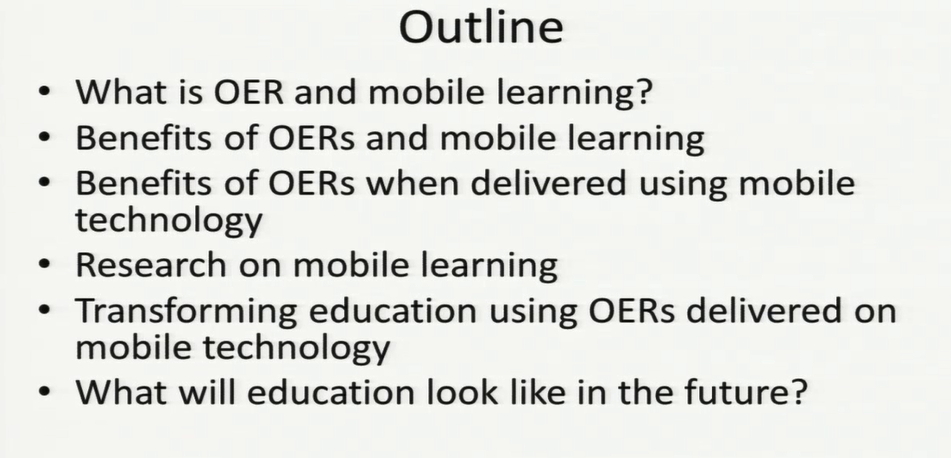
2014 이러닝 국제 콘퍼런스 : Open Education Resources with Mobile Learning to Transform Education
한국교육학술정보원 Mohamed Ally
이 자료와 함께 이용한 RISS 자료
나만을 위한 추천자료


