 국립중앙도서관 "우편 복사 서비스"로 연결 됩니다.


In 2005, the Annenberg Foundation funded the Distributed Leadership (DL) intervention in the Philadelphia School District. The DL intervention was implemented as a cluster randomized experiment where in its first year, four schools were randomly assi...
다국어 입력
あ
ぁ
か
が
さ
ざ
た
だ
な
は
ば
ぱ
ま
や
ゃ
ら
わ
ゎ
ん
い
ぃ
き
ぎ
し
じ
ち
ぢ
に
ひ
び
ぴ
み
り
う
ぅ
く
ぐ
す
ず
つ
づ
っ
ぬ
ふ
ぶ
ぷ
む
ゆ
ゅ
る
え
ぇ
け
げ
せ
ぜ
て
で
ね
へ
べ
ぺ
め
れ
お
ぉ
こ
ご
そ
ぞ
と
ど
の
ほ
ぼ
ぽ
も
よ
ょ
ろ
を
ア
ァ
カ
サ
ザ
タ
ダ
ナ
ハ
バ
パ
マ
ヤ
ャ
ラ
ワ
ヮ
ン
イ
ィ
キ
ギ
シ
ジ
チ
ヂ
ニ
ヒ
ビ
ピ
ミ
リ
ウ
ゥ
ク
グ
ス
ズ
ツ
ヅ
ッ
ヌ
フ
ブ
プ
ム
ユ
ュ
ル
エ
ェ
ケ
ゲ
セ
ゼ
テ
デ
ヘ
ベ
ペ
メ
レ
オ
ォ
コ
ゴ
ソ
ゾ
ト
ド
ノ
ホ
ボ
ポ
モ
ヨ
ョ
ロ
ヲ
―
http://chineseinput.net/에서 pinyin(병음)방식으로 중국어를 변환할 수 있습니다.
변환된 중국어를 복사하여 사용하시면 됩니다.
예시)
- 中文 을 입력하시려면 zhongwen을 입력하시고 space를누르시면됩니다.
- 北京 을 입력하시려면 beijing을 입력하시고 space를 누르시면 됩니다.
А
Б
В
Г
Д
Е
Ё
Ж
З
И
Й
К
Л
М
Н
О
П
Р
С
Т
У
Ф
Х
Ц
Ч
Ш
Щ
Ъ
Ы
Ь
Э
Ю
Я
а
б
в
г
д
е
ё
ж
з
и
й
к
л
м
н
о
п
р
с
т
у
ф
х
ц
ч
ш
щ
ъ
ы
ь
э
ю
я
′
″
℃
Å
¢
£
¥
¤
℉
‰
$
%
F
₩
㎕
㎖
㎗
ℓ
㎘
㏄
㎣
㎤
㎥
㎦
㎙
㎚
㎛
㎜
㎝
㎞
㎟
㎠
㎡
㎢
㏊
㎍
㎎
㎏
㏏
㎈
㎉
㏈
㎧
㎨
㎰
㎱
㎲
㎳
㎴
㎵
㎶
㎷
㎸
㎹
㎀
㎁
㎂
㎃
㎄
㎺
㎻
㎽
㎾
㎿
㎐
㎑
㎒
㎓
㎔
Ω
㏀
㏁
㎊
㎋
㎌
㏖
㏅
㎭
㎮
㎯
㏛
㎩
㎪
㎫
㎬
㏝
㏐
㏓
㏃
㏉
㏜
㏆
The distributed leadership experiment: First year impacts on school culture, teacher networks, and student achievement.
한글로보기https://www.riss.kr/link?id=T11761634
- 저자
-
발행사항
[S.l.]: University of Pennsylvania 2008
-
학위수여대학
University of Pennsylvania
-
수여연도
2008
-
작성언어
영어
- 주제어
-
학위
Ph.D.
-
페이지수
228 p.
-
지도교수/심사위원
Source: Dissertation Abstracts International, Volume: 69-04, Section: A, page: 1339.
-
0
상세조회 -
0
다운로드
부가정보
다국어 초록 (Multilingual Abstract)

In 2005, the Annenberg Foundation funded the Distributed Leadership (DL) intervention in the Philadelphia School District. The DL intervention was implemented as a cluster randomized experiment where in its first year, four schools were randomly assigned to receive the treatment (professional development for a selected leadership team in addition to in school coaching) and fifteen served as a control condition. The long term goal of this program is to improve student academic achievement, contingent upon the improvement of teacher instructional practice within the classroom.
This dissertation develops a theoretical framework describing the sequential nature of school improvement, according to the DL training. Through the development of schools as professional learning communities (PLCs), teachers are better able to collaborate, innovate, and obtain information to advance their teaching practices. Given the new information obtained (or co-developed) with peers, teacher practice will progress, ultimately leading to improvement in student outcomes.
This dissertation empirically examines three sets of outcomes related to the goals of the DL intervention. First, using doubly multivariate repeated ANOVA, this dissertation tests whether schools that have received the DL training operate more as PLCs than schools without the treatment. Second, using social network analysis methodology, the improvement in the collaboration structures in DL schools is compared with the collaboration structures in control schools. Finally, using multilevel modeling, this dissertation tests the effectiveness of the DL intervention on improving student attendance and achievement.
After the first year of the intervention, improvements were noted in PLC attributes in DL schools and the DL team members were associated with improvements in their network structures. No significant improvements were noted in network structure improvements in the school as a whole, nor were significant differences found in student outcomes. Given the sequential nature of the mechanism under which this program is expected to improve schools, where it was expected that student impacts would occur after three years, these small but positive impacts are encouraging for the long term goals of the program.
This dissertation develops a theoretical framework describing the sequential nature of school improvement, according to the DL training. Through the development of schools as professional learning communities (PLCs), teachers are better able to collaborate, innovate, and obtain information to advance their teaching practices. Given the new information obtained (or co-developed) with peers, teacher practice will progress, ultimately leading to improvement in student outcomes.
This dissertation empirically examines three sets of outcomes related to the goals of the DL intervention. First, using doubly multivariate repeated ANOVA, this dissertation tests whether schools that have received the DL training operate more as PLCs than schools without the treatment. Second, using social network analysis methodology, the improvement in the collaboration structures in DL schools is compared with the collaboration structures in control schools. Finally, using multilevel modeling, this dissertation tests the effectiveness of the DL intervention on improving student attendance and achievement.
After the first year of the intervention, improvements were noted in PLC attributes in DL schools and the DL team members were associated with improvements in their network structures. No significant improvements were noted in network structure improvements in the school as a whole, nor were significant differences found in student outcomes. Given the sequential nature of the mechanism under which this program is expected to improve schools, where it was expected that student impacts would occur after three years, these small but positive impacts are encouraging for the long term goals of the program.
In 2005, the Annenberg Foundation funded the Distributed Leadership (DL) intervention in the Philadelphia School District. The DL intervention was implemented as a cluster randomized experiment where in its first year, four schools were randomly assigned to receive the treatment (professional development for a selected leadership team in addition to in school coaching) and fifteen served as a control condition. The long term goal of this program is to improve student academic achievement, contingent upon the improvement of teacher instructional practice within the classroom.
This dissertation develops a theoretical framework describing the sequential nature of school improvement, according to the DL training. Through the development of schools as professional learning communities (PLCs), teachers are better able to collaborate, innovate, and obtain information to advance their teaching practices. Given the new information obtained (or co-developed) with peers, teacher practice will progress, ultimately leading to improvement in student outcomes.
This dissertation empirically examines three sets of outcomes related to the goals of the DL intervention. First, using doubly multivariate repeated ANOVA, this dissertation tests whether schools that have received the DL training operate more as PLCs than schools without the treatment. Second, using social network analysis methodology, the improvement in the collaboration structures in DL schools is compared with the collaboration structures in control schools. Finally, using multilevel modeling, this dissertation tests the effectiveness of the DL intervention on improving student attendance and achievement.
After the first year of the intervention, improvements were noted in PLC attributes in DL schools and the DL team members were associated with improvements in their network structures. No significant improvements were noted in network structure improvements in the school as a whole, nor were significant differences found in student outcomes. Given the sequential nature of the mechanism under which this program is expected to improve schools, where it was expected that student impacts would occur after three years, these small but positive impacts are encouraging for the long term goals of the program.
분석정보
연관 공개강의(KOCW)
-

Developments in 14-19: Institute of Education
Teachers TV Teachers TV -
Education Policy at the Party Conferences
Teachers TV Teachers TV -
Personal Finance Education: The Money Quiz
Teachers TV Teachers TV -
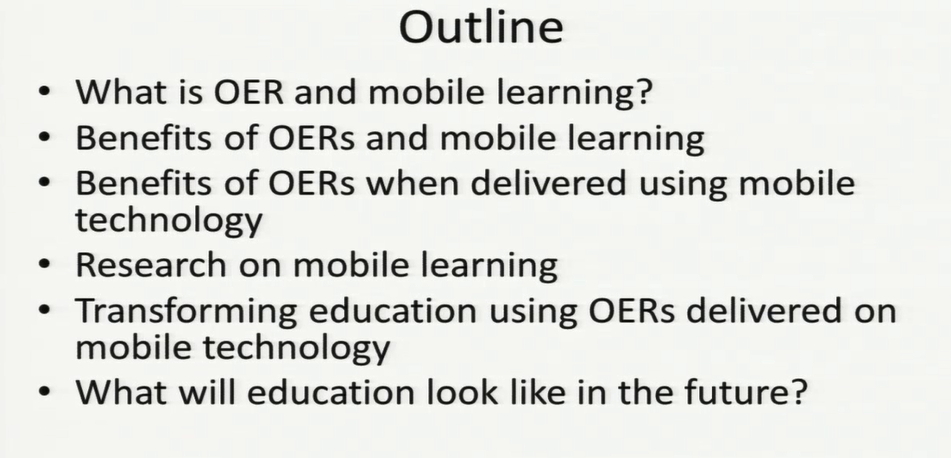
2014 이러닝 국제 콘퍼런스 : Open Education Resources with Mobile Learning to Transform Education
한국교육학술정보원 Mohamed Ally -
Early Sex Education: The Debate
Teachers TV Teachers TV
이 자료와 함께 이용한 RISS 자료
나만을 위한 추천자료


