 국립중앙도서관 "우편 복사 서비스"로 연결 됩니다.


This study sought to determine the extent to which collective teacher efficacy (CTE) explained variance in student achievement in English, mathematics, social studies, and science over and above that explained by socioeconomic status (SES). The study...
다국어 입력
あ
ぁ
か
が
さ
ざ
た
だ
な
は
ば
ぱ
ま
や
ゃ
ら
わ
ゎ
ん
い
ぃ
き
ぎ
し
じ
ち
ぢ
に
ひ
び
ぴ
み
り
う
ぅ
く
ぐ
す
ず
つ
づ
っ
ぬ
ふ
ぶ
ぷ
む
ゆ
ゅ
る
え
ぇ
け
げ
せ
ぜ
て
で
ね
へ
べ
ぺ
め
れ
お
ぉ
こ
ご
そ
ぞ
と
ど
の
ほ
ぼ
ぽ
も
よ
ょ
ろ
を
ア
ァ
カ
サ
ザ
タ
ダ
ナ
ハ
バ
パ
マ
ヤ
ャ
ラ
ワ
ヮ
ン
イ
ィ
キ
ギ
シ
ジ
チ
ヂ
ニ
ヒ
ビ
ピ
ミ
リ
ウ
ゥ
ク
グ
ス
ズ
ツ
ヅ
ッ
ヌ
フ
ブ
プ
ム
ユ
ュ
ル
エ
ェ
ケ
ゲ
セ
ゼ
テ
デ
ヘ
ベ
ペ
メ
レ
オ
ォ
コ
ゴ
ソ
ゾ
ト
ド
ノ
ホ
ボ
ポ
モ
ヨ
ョ
ロ
ヲ
―
http://chineseinput.net/에서 pinyin(병음)방식으로 중국어를 변환할 수 있습니다.
변환된 중국어를 복사하여 사용하시면 됩니다.
예시)
- 中文 을 입력하시려면 zhongwen을 입력하시고 space를누르시면됩니다.
- 北京 을 입력하시려면 beijing을 입력하시고 space를 누르시면 됩니다.
А
Б
В
Г
Д
Е
Ё
Ж
З
И
Й
К
Л
М
Н
О
П
Р
С
Т
У
Ф
Х
Ц
Ч
Ш
Щ
Ъ
Ы
Ь
Э
Ю
Я
а
б
в
г
д
е
ё
ж
з
и
й
к
л
м
н
о
п
р
с
т
у
ф
х
ц
ч
ш
щ
ъ
ы
ь
э
ю
я
′
″
℃
Å
¢
£
¥
¤
℉
‰
$
%
F
₩
㎕
㎖
㎗
ℓ
㎘
㏄
㎣
㎤
㎥
㎦
㎙
㎚
㎛
㎜
㎝
㎞
㎟
㎠
㎡
㎢
㏊
㎍
㎎
㎏
㏏
㎈
㎉
㏈
㎧
㎨
㎰
㎱
㎲
㎳
㎴
㎵
㎶
㎷
㎸
㎹
㎀
㎁
㎂
㎃
㎄
㎺
㎻
㎽
㎾
㎿
㎐
㎑
㎒
㎓
㎔
Ω
㏀
㏁
㎊
㎋
㎌
㏖
㏅
㎭
㎮
㎯
㏛
㎩
㎪
㎫
㎬
㏝
㏐
㏓
㏃
㏉
㏜
㏆
https://www.riss.kr/link?id=T11142781
- 저자
-
발행사항
[S.l.]: University of Virginia 2006
-
학위수여대학
University of Virginia
-
수여연도
2006
-
작성언어
영어
- 주제어
-
학위
Ed.D.
-
페이지수
233 p.
-
지도교수/심사위원
Adviser: Donald Ball.
-
0
상세조회 -
0
다운로드
부가정보
다국어 초록 (Multilingual Abstract)

This study sought to determine the extent to which collective teacher efficacy (CTE) explained variance in student achievement in English, mathematics, social studies, and science over and above that explained by socioeconomic status (SES). The study also investigated the relationship between collective teacher efficacy beliefs and school size and the extent to which each of the constructs of collective efficacy explained variance in achievement.
A representative sample of schools based on free and reduced-cost lunch rates (SES) participated in the study. The study included 31 Virginia schools. Data were analyzed through stepwise multiple regression analyses and Pearson's product moment correlations.
CTE was a significant predictor of grade 5 English: RLR, social studies, and science Virginia Standards of Learning (SOL) mean scores and may have independently explained some of the variance in grade 5 mathematics and English: Writing SOL mean scores. Specifically, CTE independently explained 9% of the variance (p < .01) in grade 5 English: RLR SOL mean scores, 13% of the variance (p < .01) in social studies scores, and 9% of the variance (p = .03) in science scores. CTE explained 6% of the variance (p = .08) in mathematics and 7% of the variance (p = .08) in English: Writing SOL mean scores. School size was not found to be related to CTE. One construct of collective efficacy, group competence, independently explained similar amounts of variance in student achievement as total collective efficacy. One of the ancillary findings was the significant correlation (-.87, p < .01) between SES and one of the collective efficacy constructs, task analysis.
The findings of the study, as in a number of previous studies, suggest interventions which may impact CTE. Since task analysis correlated significantly with SES, this construct might be given particular attention.
A representative sample of schools based on free and reduced-cost lunch rates (SES) participated in the study. The study included 31 Virginia schools. Data were analyzed through stepwise multiple regression analyses and Pearson's product moment correlations.
CTE was a significant predictor of grade 5 English: RLR, social studies, and science Virginia Standards of Learning (SOL) mean scores and may have independently explained some of the variance in grade 5 mathematics and English: Writing SOL mean scores. Specifically, CTE independently explained 9% of the variance (p < .01) in grade 5 English: RLR SOL mean scores, 13% of the variance (p < .01) in social studies scores, and 9% of the variance (p = .03) in science scores. CTE explained 6% of the variance (p = .08) in mathematics and 7% of the variance (p = .08) in English: Writing SOL mean scores. School size was not found to be related to CTE. One construct of collective efficacy, group competence, independently explained similar amounts of variance in student achievement as total collective efficacy. One of the ancillary findings was the significant correlation (-.87, p < .01) between SES and one of the collective efficacy constructs, task analysis.
The findings of the study, as in a number of previous studies, suggest interventions which may impact CTE. Since task analysis correlated significantly with SES, this construct might be given particular attention.
This study sought to determine the extent to which collective teacher efficacy (CTE) explained variance in student achievement in English, mathematics, social studies, and science over and above that explained by socioeconomic status (SES). The study also investigated the relationship between collective teacher efficacy beliefs and school size and the extent to which each of the constructs of collective efficacy explained variance in achievement.
A representative sample of schools based on free and reduced-cost lunch rates (SES) participated in the study. The study included 31 Virginia schools. Data were analyzed through stepwise multiple regression analyses and Pearson's product moment correlations.
CTE was a significant predictor of grade 5 English: RLR, social studies, and science Virginia Standards of Learning (SOL) mean scores and may have independently explained some of the variance in grade 5 mathematics and English: Writing SOL mean scores. Specifically, CTE independently explained 9% of the variance (p < .01) in grade 5 English: RLR SOL mean scores, 13% of the variance (p < .01) in social studies scores, and 9% of the variance (p = .03) in science scores. CTE explained 6% of the variance (p = .08) in mathematics and 7% of the variance (p = .08) in English: Writing SOL mean scores. School size was not found to be related to CTE. One construct of collective efficacy, group competence, independently explained similar amounts of variance in student achievement as total collective efficacy. One of the ancillary findings was the significant correlation (-.87, p < .01) between SES and one of the collective efficacy constructs, task analysis.
The findings of the study, as in a number of previous studies, suggest interventions which may impact CTE. Since task analysis correlated significantly with SES, this construct might be given particular attention.
분석정보
연관 공개강의(KOCW)
-

Developments in 14-19: Institute of Education
Teachers TV Teachers TV -
Education Policy at the Party Conferences
Teachers TV Teachers TV -
Personal Finance Education: The Money Quiz
Teachers TV Teachers TV -
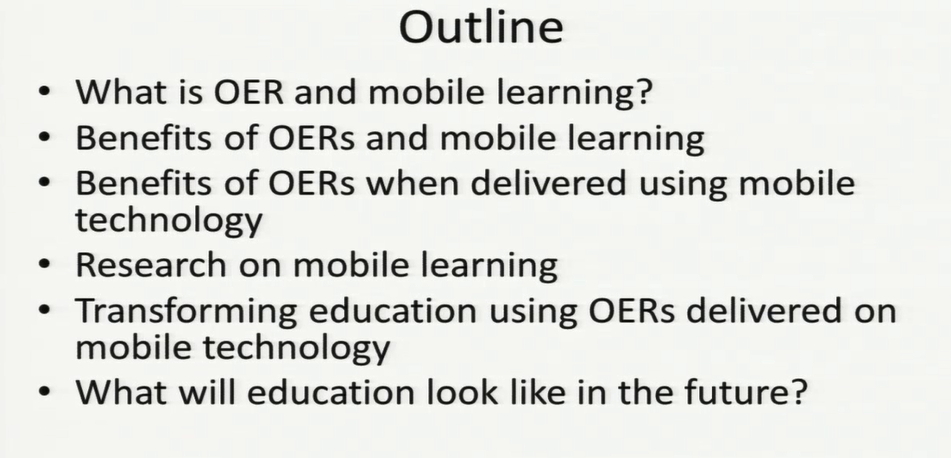
2014 이러닝 국제 콘퍼런스 : Open Education Resources with Mobile Learning to Transform Education
한국교육학술정보원 Mohamed Ally -
Early Sex Education: The Debate
Teachers TV Teachers TV
이 자료와 함께 이용한 RISS 자료
나만을 위한 추천자료


