 국립중앙도서관 "우편 복사 서비스"로 연결 됩니다.


This study compared school readiness skill development for children with and without identified special needs in reverse inclusive and inclusive preschool programs. The reverse inclusive programs enrollment consisted of a minimum of 50% of the studen...
다국어 입력
あ
ぁ
か
が
さ
ざ
た
だ
な
は
ば
ぱ
ま
や
ゃ
ら
わ
ゎ
ん
い
ぃ
き
ぎ
し
じ
ち
ぢ
に
ひ
び
ぴ
み
り
う
ぅ
く
ぐ
す
ず
つ
づ
っ
ぬ
ふ
ぶ
ぷ
む
ゆ
ゅ
る
え
ぇ
け
げ
せ
ぜ
て
で
ね
へ
べ
ぺ
め
れ
お
ぉ
こ
ご
そ
ぞ
と
ど
の
ほ
ぼ
ぽ
も
よ
ょ
ろ
を
ア
ァ
カ
サ
ザ
タ
ダ
ナ
ハ
バ
パ
マ
ヤ
ャ
ラ
ワ
ヮ
ン
イ
ィ
キ
ギ
シ
ジ
チ
ヂ
ニ
ヒ
ビ
ピ
ミ
リ
ウ
ゥ
ク
グ
ス
ズ
ツ
ヅ
ッ
ヌ
フ
ブ
プ
ム
ユ
ュ
ル
エ
ェ
ケ
ゲ
セ
ゼ
テ
デ
ヘ
ベ
ペ
メ
レ
オ
ォ
コ
ゴ
ソ
ゾ
ト
ド
ノ
ホ
ボ
ポ
モ
ヨ
ョ
ロ
ヲ
―
http://chineseinput.net/에서 pinyin(병음)방식으로 중국어를 변환할 수 있습니다.
변환된 중국어를 복사하여 사용하시면 됩니다.
예시)
- 中文 을 입력하시려면 zhongwen을 입력하시고 space를누르시면됩니다.
- 北京 을 입력하시려면 beijing을 입력하시고 space를 누르시면 됩니다.
А
Б
В
Г
Д
Е
Ё
Ж
З
И
Й
К
Л
М
Н
О
П
Р
С
Т
У
Ф
Х
Ц
Ч
Ш
Щ
Ъ
Ы
Ь
Э
Ю
Я
а
б
в
г
д
е
ё
ж
з
и
й
к
л
м
н
о
п
р
с
т
у
ф
х
ц
ч
ш
щ
ъ
ы
ь
э
ю
я
′
″
℃
Å
¢
£
¥
¤
℉
‰
$
%
F
₩
㎕
㎖
㎗
ℓ
㎘
㏄
㎣
㎤
㎥
㎦
㎙
㎚
㎛
㎜
㎝
㎞
㎟
㎠
㎡
㎢
㏊
㎍
㎎
㎏
㏏
㎈
㎉
㏈
㎧
㎨
㎰
㎱
㎲
㎳
㎴
㎵
㎶
㎷
㎸
㎹
㎀
㎁
㎂
㎃
㎄
㎺
㎻
㎽
㎾
㎿
㎐
㎑
㎒
㎓
㎔
Ω
㏀
㏁
㎊
㎋
㎌
㏖
㏅
㎭
㎮
㎯
㏛
㎩
㎪
㎫
㎬
㏝
㏐
㏓
㏃
㏉
㏜
㏆

RISS 인기검색어
A comparison of school readiness for preschool children with and without disabilities in inclusive environments.
한글로보기https://www.riss.kr/link?id=T11141677
- 저자
-
발행사항
[S.l.]: Teachers College, Columbia University 2006
-
학위수여대학
Teachers College, Columbia University
-
수여연도
2006
-
작성언어
영어
- 주제어
-
학위
Ed.D.
-
페이지수
126 p.
-
지도교수/심사위원
Adviser: Dennis Mithaug.
-
0
상세조회 -
0
다운로드
부가정보
다국어 초록 (Multilingual Abstract)

This study compared school readiness skill development for children with and without identified special needs in reverse inclusive and inclusive preschool programs. The reverse inclusive programs enrollment consisted of a minimum of 50% of the students with an identified special need, while the inclusive programs were more representative of society and had less than 11% of the children with an identified special need. A pre-post test design was implemented using the Brigance Screen over the period of one academic school year. There was a program difference between the two models examined. The total pre-post scores on the Brigance Screen for children with identified special needs were identified as showing a significant difference in favor of the reverse inclusive environments. These significant findings for total pre-post test gains were not found for the typically developing children in the same program model, or for either group of children in the inclusive programs. Further analysis of the disaggregated skills of the three domains of communication, cognition, and motor skills provided mixed results for typical children enrolled in the reverse inclusive programs. They were identified as showing significant differences with the communication and motor skill domains compared to the children enrolled in the inclusive program models. Although the children in the reverse inclusive programs displayed higher post-test scores, all children in both program models demonstrated positive growth.
An examination of how teacher and classrooms characteristics contributed to the overall performance of the children was also examined. The only significant finding that contributed to the overall pre-post test analysis was teacher experience. Teachers working in reverse inclusive programs were found to have more years experience educating children, which was a contributing factor for the overall readiness skill gains for children in their programs.
An examination of how teacher and classrooms characteristics contributed to the overall performance of the children was also examined. The only significant finding that contributed to the overall pre-post test analysis was teacher experience. Teachers working in reverse inclusive programs were found to have more years experience educating children, which was a contributing factor for the overall readiness skill gains for children in their programs.
This study compared school readiness skill development for children with and without identified special needs in reverse inclusive and inclusive preschool programs. The reverse inclusive programs enrollment consisted of a minimum of 50% of the students with an identified special need, while the inclusive programs were more representative of society and had less than 11% of the children with an identified special need. A pre-post test design was implemented using the Brigance Screen over the period of one academic school year. There was a program difference between the two models examined. The total pre-post scores on the Brigance Screen for children with identified special needs were identified as showing a significant difference in favor of the reverse inclusive environments. These significant findings for total pre-post test gains were not found for the typically developing children in the same program model, or for either group of children in the inclusive programs. Further analysis of the disaggregated skills of the three domains of communication, cognition, and motor skills provided mixed results for typical children enrolled in the reverse inclusive programs. They were identified as showing significant differences with the communication and motor skill domains compared to the children enrolled in the inclusive program models. Although the children in the reverse inclusive programs displayed higher post-test scores, all children in both program models demonstrated positive growth.
An examination of how teacher and classrooms characteristics contributed to the overall performance of the children was also examined. The only significant finding that contributed to the overall pre-post test analysis was teacher experience. Teachers working in reverse inclusive programs were found to have more years experience educating children, which was a contributing factor for the overall readiness skill gains for children in their programs.
분석정보
연관 공개강의(KOCW)
-

Developments in 14-19: Institute of Education
Teachers TV Teachers TV -
Education Policy at the Party Conferences
Teachers TV Teachers TV -
Personal Finance Education: The Money Quiz
Teachers TV Teachers TV -
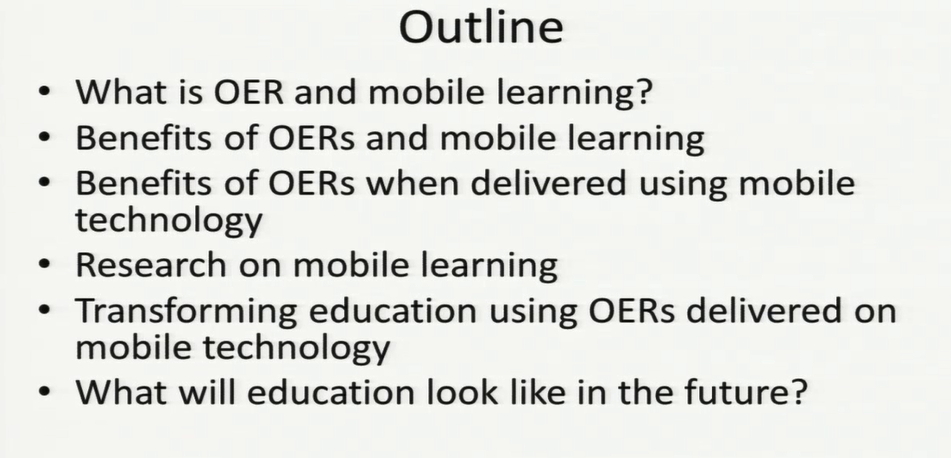
2014 이러닝 국제 콘퍼런스 : Open Education Resources with Mobile Learning to Transform Education
한국교육학술정보원 Mohamed Ally -
Early Sex Education: The Debate
Teachers TV Teachers TV
이 자료와 함께 이용한 RISS 자료
나만을 위한 추천자료


