 국립중앙도서관 "우편 복사 서비스"로 연결 됩니다.


The purpose of this study was to: (1) identify the factors that motivate or deter formal and informal workplace learning at a commercial law firm; (2) assess whether there are factor mean differences based on demographic and situational variables and...
다국어 입력
あ
ぁ
か
が
さ
ざ
た
だ
な
は
ば
ぱ
ま
や
ゃ
ら
わ
ゎ
ん
い
ぃ
き
ぎ
し
じ
ち
ぢ
に
ひ
び
ぴ
み
り
う
ぅ
く
ぐ
す
ず
つ
づ
っ
ぬ
ふ
ぶ
ぷ
む
ゆ
ゅ
る
え
ぇ
け
げ
せ
ぜ
て
で
ね
へ
べ
ぺ
め
れ
お
ぉ
こ
ご
そ
ぞ
と
ど
の
ほ
ぼ
ぽ
も
よ
ょ
ろ
を
ア
ァ
カ
サ
ザ
タ
ダ
ナ
ハ
バ
パ
マ
ヤ
ャ
ラ
ワ
ヮ
ン
イ
ィ
キ
ギ
シ
ジ
チ
ヂ
ニ
ヒ
ビ
ピ
ミ
リ
ウ
ゥ
ク
グ
ス
ズ
ツ
ヅ
ッ
ヌ
フ
ブ
プ
ム
ユ
ュ
ル
エ
ェ
ケ
ゲ
セ
ゼ
テ
デ
ヘ
ベ
ペ
メ
レ
オ
ォ
コ
ゴ
ソ
ゾ
ト
ド
ノ
ホ
ボ
ポ
モ
ヨ
ョ
ロ
ヲ
―
http://chineseinput.net/에서 pinyin(병음)방식으로 중국어를 변환할 수 있습니다.
변환된 중국어를 복사하여 사용하시면 됩니다.
예시)
- 中文 을 입력하시려면 zhongwen을 입력하시고 space를누르시면됩니다.
- 北京 을 입력하시려면 beijing을 입력하시고 space를 누르시면 됩니다.
А
Б
В
Г
Д
Е
Ё
Ж
З
И
Й
К
Л
М
Н
О
П
Р
С
Т
У
Ф
Х
Ц
Ч
Ш
Щ
Ъ
Ы
Ь
Э
Ю
Я
а
б
в
г
д
е
ё
ж
з
и
й
к
л
м
н
о
п
р
с
т
у
ф
х
ц
ч
ш
щ
ъ
ы
ь
э
ю
я
′
″
℃
Å
¢
£
¥
¤
℉
‰
$
%
F
₩
㎕
㎖
㎗
ℓ
㎘
㏄
㎣
㎤
㎥
㎦
㎙
㎚
㎛
㎜
㎝
㎞
㎟
㎠
㎡
㎢
㏊
㎍
㎎
㎏
㏏
㎈
㎉
㏈
㎧
㎨
㎰
㎱
㎲
㎳
㎴
㎵
㎶
㎷
㎸
㎹
㎀
㎁
㎂
㎃
㎄
㎺
㎻
㎽
㎾
㎿
㎐
㎑
㎒
㎓
㎔
Ω
㏀
㏁
㎊
㎋
㎌
㏖
㏅
㎭
㎮
㎯
㏛
㎩
㎪
㎫
㎬
㏝
㏐
㏓
㏃
㏉
㏜
㏆
Predictors of participation in formal and informal workplace learning: Demographic, situational, motivational and deterrent factors.
한글로보기https://www.riss.kr/link?id=T10745974
- 저자
-
발행사항
[S.l.]: George Mason University 2006
-
학위수여대학
George Mason University
-
수여연도
2006
-
작성언어
영어
- 주제어
-
학위
Ph.D.
-
페이지수
209 p.
-
지도교수/심사위원
Chair: Anastasia Kitsantas.
-
0
상세조회 -
0
다운로드
인용문이 복사되었습니다.
소속기관이 구독 중이 아닌 경우 오후 4시부터 익일 오전 9시까지 원문보기가 가능합니다.
부가정보
다국어 초록 (Multilingual Abstract)

The purpose of this study was to: (1) identify the factors that motivate or deter formal and informal workplace learning at a commercial law firm; (2) assess whether there are factor mean differences based on demographic and situational variables and; (3) assess to what extent the combination of demographic and situational variables, and the motivation and deterrent factors, explain differences in actual participation. Understanding who participates in work-related learning, and why, is of practical significance for organizations that spend billions of dollars annually on training, and who are facing an unprecedented need for employees to learn continuously.
This study used a web-based survey to collect data on demographic and situational characteristics, formal and informal work-related learning activities, and reasons that motivated or deterred learning participation. Motivator and deterrent scales were based on versions of Darkenwald and Valentine's Deterrents to Participation Scale-G (1985) and Boshier's Education Participation Scale (1971, 1991). These were modified to reflect the study setting and the fact that these scales had not previously been used to measure informal learning.
Formal and informal learning had distinct motivator and deterrent patterns indicating that these types of learning have similar but not identical motivational underpinnings, and that these scales are effective at distinguishing between them. The most important motivator factors were Skills and External Expectations. The most important deterrent factors were Time Constraints and Organizational Support. In general, females rated the motivator and deterrent factors more highly than males. Age and position also explained significant differences in factor importance. In terms of participation, there were two main clusters of employees: female staff with a Bachelor's degree or less, and male attorneys. Motivator and deterrent factors were not significant predictors of participation.
Future research should replicate the study in other settings to confirm the formal and informal factors influencing learning participation, explore how the demographic variables influence participation, and to identify the best set of variables to consistently predict participation.
The purpose of this study was to: (1) identify the factors that motivate or deter formal and informal workplace learning at a commercial law firm; (2) assess whether there are factor mean differences based on demographic and situational variables and; (3) assess to what extent the combination of demographic and situational variables, and the motivation and deterrent factors, explain differences in actual participation. Understanding who participates in work-related learning, and why, is of practical significance for organizations that spend billions of dollars annually on training, and who are facing an unprecedented need for employees to learn continuously.
This study used a web-based survey to collect data on demographic and situational characteristics, formal and informal work-related learning activities, and reasons that motivated or deterred learning participation. Motivator and deterrent scales were based on versions of Darkenwald and Valentine's Deterrents to Participation Scale-G (1985) and Boshier's Education Participation Scale (1971, 1991). These were modified to reflect the study setting and the fact that these scales had not previously been used to measure informal learning.
Formal and informal learning had distinct motivator and deterrent patterns indicating that these types of learning have similar but not identical motivational underpinnings, and that these scales are effective at distinguishing between them. The most important motivator factors were Skills and External Expectations. The most important deterrent factors were Time Constraints and Organizational Support. In general, females rated the motivator and deterrent factors more highly than males. Age and position also explained significant differences in factor importance. In terms of participation, there were two main clusters of employees: female staff with a Bachelor's degree or less, and male attorneys. Motivator and deterrent factors were not significant predictors of participation.
Future research should replicate the study in other settings to confirm the formal and informal factors influencing learning participation, explore how the demographic variables influence participation, and to identify the best set of variables to consistently predict participation.
분석정보
연관 공개강의(KOCW)
-

Education Policy at the Party Conferences
Teachers TV Teachers TV -

Psychology of Adolescence
이화여자대학교 유성경 -
Personal Finance Education: The Money Quiz
Teachers TV Teachers TV -

Cultural Psychology
K-MOOC 인하대학교 김의철 -
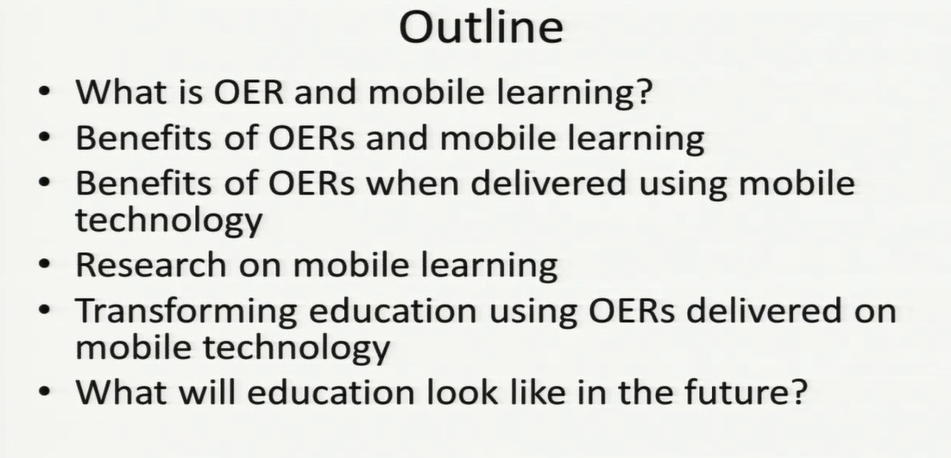
2014 이러닝 국제 콘퍼런스 : Open Education Resources with Mobile Learning to Transform Education
한국교육학술정보원 Mohamed Ally
이 자료와 함께 이용한 RISS 자료
나만을 위한 추천자료
로그인하고 관련된 다양한 학술자료를 확인해 보세요.
로그인

