 국립중앙도서관 "우편 복사 서비스"로 연결 됩니다.


Social perspective taking (SPT), or discerning the thoughts and feelings of others, is a fundamental skill for effective social behavior. SPT is also thought to impact outcomes such as conflict resolution and historical empathy. Using Richard Snow's ...
다국어 입력
あ
ぁ
か
が
さ
ざ
た
だ
な
は
ば
ぱ
ま
や
ゃ
ら
わ
ゎ
ん
い
ぃ
き
ぎ
し
じ
ち
ぢ
に
ひ
び
ぴ
み
り
う
ぅ
く
ぐ
す
ず
つ
づ
っ
ぬ
ふ
ぶ
ぷ
む
ゆ
ゅ
る
え
ぇ
け
げ
せ
ぜ
て
で
ね
へ
べ
ぺ
め
れ
お
ぉ
こ
ご
そ
ぞ
と
ど
の
ほ
ぼ
ぽ
も
よ
ょ
ろ
を
ア
ァ
カ
サ
ザ
タ
ダ
ナ
ハ
バ
パ
マ
ヤ
ャ
ラ
ワ
ヮ
ン
イ
ィ
キ
ギ
シ
ジ
チ
ヂ
ニ
ヒ
ビ
ピ
ミ
リ
ウ
ゥ
ク
グ
ス
ズ
ツ
ヅ
ッ
ヌ
フ
ブ
プ
ム
ユ
ュ
ル
エ
ェ
ケ
ゲ
セ
ゼ
テ
デ
ヘ
ベ
ペ
メ
レ
オ
ォ
コ
ゴ
ソ
ゾ
ト
ド
ノ
ホ
ボ
ポ
モ
ヨ
ョ
ロ
ヲ
―
http://chineseinput.net/에서 pinyin(병음)방식으로 중국어를 변환할 수 있습니다.
변환된 중국어를 복사하여 사용하시면 됩니다.
예시)
- 中文 을 입력하시려면 zhongwen을 입력하시고 space를누르시면됩니다.
- 北京 을 입력하시려면 beijing을 입력하시고 space를 누르시면 됩니다.
А
Б
В
Г
Д
Е
Ё
Ж
З
И
Й
К
Л
М
Н
О
П
Р
С
Т
У
Ф
Х
Ц
Ч
Ш
Щ
Ъ
Ы
Ь
Э
Ю
Я
а
б
в
г
д
е
ё
ж
з
и
й
к
л
м
н
о
п
р
с
т
у
ф
х
ц
ч
ш
щ
ъ
ы
ь
э
ю
я
′
″
℃
Å
¢
£
¥
¤
℉
‰
$
%
F
₩
㎕
㎖
㎗
ℓ
㎘
㏄
㎣
㎤
㎥
㎦
㎙
㎚
㎛
㎜
㎝
㎞
㎟
㎠
㎡
㎢
㏊
㎍
㎎
㎏
㏏
㎈
㎉
㏈
㎧
㎨
㎰
㎱
㎲
㎳
㎴
㎵
㎶
㎷
㎸
㎹
㎀
㎁
㎂
㎃
㎄
㎺
㎻
㎽
㎾
㎿
㎐
㎑
㎒
㎓
㎔
Ω
㏀
㏁
㎊
㎋
㎌
㏖
㏅
㎭
㎮
㎯
㏛
㎩
㎪
㎫
㎬
㏝
㏐
㏓
㏃
㏉
㏜
㏆
A new perspective on perspective taking: A study of social perspective taking and its association with conflict resolution, historical empathy, and social studies achievement.
한글로보기https://www.riss.kr/link?id=T10595405
- 저자
-
발행사항
[S.l.]: Stanford University 2004
-
학위수여대학
Stanford University
-
수여연도
2004
-
작성언어
영어
- 주제어
-
학위
Ph.D.
-
페이지수
140 p.
-
지도교수/심사위원
Adviser: Robert W. Roeser.
-
0
상세조회 -
0
다운로드
부가정보
다국어 초록 (Multilingual Abstract)

Social perspective taking (SPT), or discerning the thoughts and feelings of others, is a fundamental skill for effective social behavior. SPT is also thought to impact outcomes such as conflict resolution and historical empathy. Using Richard Snow's framework, this study defines SPT as a multidimensional aptitude comprised of "performance" and "commitment" pathways and addresses three research questions: (1) What cognitive, motivational, and situational elements predict SPT ability and the propensity to engage this ability among adolescents? (2) Which components of SPT aptitude predict important educational outcomes, specifically, conflict resolution, historical empathy (as an ability and as a propensity), and social studies achievement for teenage youth? (3) How do adolescents with different profiles of SPT abilities and propensities compare on these educational outcomes?.
Two hundred-forty 9th and 10th-grade students from high achieving high schools participated in this study. Measures included performance tasks of SPT ability, conflict resolution, and historical empathy. Surveys assessed the propensities to engage in SPT and historical empathy, personality traits, emotion-regulation, motivation to take perspective of others, task engagement, and perceptions of the classroom environment. Results indicated that the ability to accurately take the others' perspectives was best predicted by cognitive elements of SPT aptitude (i.e., the performance pathway). Personality and motivational elements of the commitment pathway best predicted SPT propensity. SPT aptitude related to all four educational outcomes. Both the performance and commitment pathways related to conflict reasoning, historical empathy propensity, and social studies achievement. Historical empathy ability related to only the performance pathway. Students who were high in SPT ability and propensity performed best on all four educational outcomes. Students high on only SPT ability or SPT propensity achieved at average levels for most outcomes. As a whole, these results suggest that SPT aptitude is related to valued educational outcomes and that a multidimensional assessment of SPT is necessary to gain complete picture of these relationships. Teachers wanting to develop SPT in their students are encouraged to cultivate both SPT ability and propensity.
Two hundred-forty 9th and 10th-grade students from high achieving high schools participated in this study. Measures included performance tasks of SPT ability, conflict resolution, and historical empathy. Surveys assessed the propensities to engage in SPT and historical empathy, personality traits, emotion-regulation, motivation to take perspective of others, task engagement, and perceptions of the classroom environment. Results indicated that the ability to accurately take the others' perspectives was best predicted by cognitive elements of SPT aptitude (i.e., the performance pathway). Personality and motivational elements of the commitment pathway best predicted SPT propensity. SPT aptitude related to all four educational outcomes. Both the performance and commitment pathways related to conflict reasoning, historical empathy propensity, and social studies achievement. Historical empathy ability related to only the performance pathway. Students who were high in SPT ability and propensity performed best on all four educational outcomes. Students high on only SPT ability or SPT propensity achieved at average levels for most outcomes. As a whole, these results suggest that SPT aptitude is related to valued educational outcomes and that a multidimensional assessment of SPT is necessary to gain complete picture of these relationships. Teachers wanting to develop SPT in their students are encouraged to cultivate both SPT ability and propensity.
Social perspective taking (SPT), or discerning the thoughts and feelings of others, is a fundamental skill for effective social behavior. SPT is also thought to impact outcomes such as conflict resolution and historical empathy. Using Richard Snow's framework, this study defines SPT as a multidimensional aptitude comprised of "performance" and "commitment" pathways and addresses three research questions: (1) What cognitive, motivational, and situational elements predict SPT ability and the propensity to engage this ability among adolescents? (2) Which components of SPT aptitude predict important educational outcomes, specifically, conflict resolution, historical empathy (as an ability and as a propensity), and social studies achievement for teenage youth? (3) How do adolescents with different profiles of SPT abilities and propensities compare on these educational outcomes?.
Two hundred-forty 9th and 10th-grade students from high achieving high schools participated in this study. Measures included performance tasks of SPT ability, conflict resolution, and historical empathy. Surveys assessed the propensities to engage in SPT and historical empathy, personality traits, emotion-regulation, motivation to take perspective of others, task engagement, and perceptions of the classroom environment. Results indicated that the ability to accurately take the others' perspectives was best predicted by cognitive elements of SPT aptitude (i.e., the performance pathway). Personality and motivational elements of the commitment pathway best predicted SPT propensity. SPT aptitude related to all four educational outcomes. Both the performance and commitment pathways related to conflict reasoning, historical empathy propensity, and social studies achievement. Historical empathy ability related to only the performance pathway. Students who were high in SPT ability and propensity performed best on all four educational outcomes. Students high on only SPT ability or SPT propensity achieved at average levels for most outcomes. As a whole, these results suggest that SPT aptitude is related to valued educational outcomes and that a multidimensional assessment of SPT is necessary to gain complete picture of these relationships. Teachers wanting to develop SPT in their students are encouraged to cultivate both SPT ability and propensity.
분석정보
연관 공개강의(KOCW)
-

Developments in 14-19: Institute of Education
Teachers TV Teachers TV -
Education Policy at the Party Conferences
Teachers TV Teachers TV -
Personal Finance Education: The Money Quiz
Teachers TV Teachers TV -
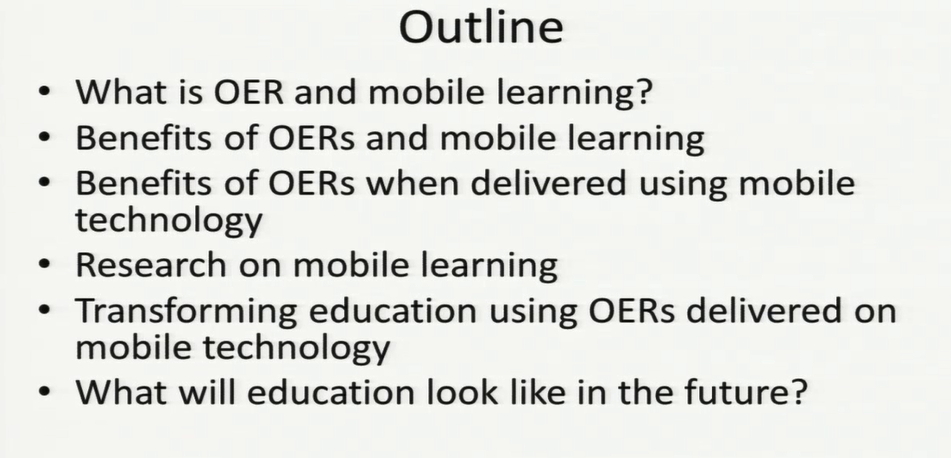
2014 이러닝 국제 콘퍼런스 : Open Education Resources with Mobile Learning to Transform Education
한국교육학술정보원 Mohamed Ally -
Early Sex Education: The Debate
Teachers TV Teachers TV
이 자료와 함께 이용한 RISS 자료
나만을 위한 추천자료


