 국립중앙도서관 "우편 복사 서비스"로 연결 됩니다.


The purpose of this study was to evaluate the effects of a prompting versus no prompting condition in combination with a peer-directed intervention package that targeted children with low language or behavior problems. The current study: (1) tested t...
다국어 입력
あ
ぁ
か
が
さ
ざ
た
だ
な
は
ば
ぱ
ま
や
ゃ
ら
わ
ゎ
ん
い
ぃ
き
ぎ
し
じ
ち
ぢ
に
ひ
び
ぴ
み
り
う
ぅ
く
ぐ
す
ず
つ
づ
っ
ぬ
ふ
ぶ
ぷ
む
ゆ
ゅ
る
え
ぇ
け
げ
せ
ぜ
て
で
ね
へ
べ
ぺ
め
れ
お
ぉ
こ
ご
そ
ぞ
と
ど
の
ほ
ぼ
ぽ
も
よ
ょ
ろ
を
ア
ァ
カ
サ
ザ
タ
ダ
ナ
ハ
バ
パ
マ
ヤ
ャ
ラ
ワ
ヮ
ン
イ
ィ
キ
ギ
シ
ジ
チ
ヂ
ニ
ヒ
ビ
ピ
ミ
リ
ウ
ゥ
ク
グ
ス
ズ
ツ
ヅ
ッ
ヌ
フ
ブ
プ
ム
ユ
ュ
ル
エ
ェ
ケ
ゲ
セ
ゼ
テ
デ
ヘ
ベ
ペ
メ
レ
オ
ォ
コ
ゴ
ソ
ゾ
ト
ド
ノ
ホ
ボ
ポ
モ
ヨ
ョ
ロ
ヲ
―
http://chineseinput.net/에서 pinyin(병음)방식으로 중국어를 변환할 수 있습니다.
변환된 중국어를 복사하여 사용하시면 됩니다.
예시)
- 中文 을 입력하시려면 zhongwen을 입력하시고 space를누르시면됩니다.
- 北京 을 입력하시려면 beijing을 입력하시고 space를 누르시면 됩니다.
А
Б
В
Г
Д
Е
Ё
Ж
З
И
Й
К
Л
М
Н
О
П
Р
С
Т
У
Ф
Х
Ц
Ч
Ш
Щ
Ъ
Ы
Ь
Э
Ю
Я
а
б
в
г
д
е
ё
ж
з
и
й
к
л
м
н
о
п
р
с
т
у
ф
х
ц
ч
ш
щ
ъ
ы
ь
э
ю
я
′
″
℃
Å
¢
£
¥
¤
℉
‰
$
%
F
₩
㎕
㎖
㎗
ℓ
㎘
㏄
㎣
㎤
㎥
㎦
㎙
㎚
㎛
㎜
㎝
㎞
㎟
㎠
㎡
㎢
㏊
㎍
㎎
㎏
㏏
㎈
㎉
㏈
㎧
㎨
㎰
㎱
㎲
㎳
㎴
㎵
㎶
㎷
㎸
㎹
㎀
㎁
㎂
㎃
㎄
㎺
㎻
㎽
㎾
㎿
㎐
㎑
㎒
㎓
㎔
Ω
㏀
㏁
㎊
㎋
㎌
㏖
㏅
㎭
㎮
㎯
㏛
㎩
㎪
㎫
㎬
㏝
㏐
㏓
㏃
㏉
㏜
㏆
https://www.riss.kr/link?id=T10595028
- 저자
-
발행사항
[S.l.]: Vanderbilt University 2004
-
학위수여대학
Vanderbilt University
-
수여연도
2004
-
작성언어
영어
- 주제어
-
학위
Ph.D.
-
페이지수
203 p.
-
지도교수/심사위원
Director: Ann P. Kaiser.
-
0
상세조회 -
0
다운로드
인용문이 복사되었습니다.
부가정보
다국어 초록 (Multilingual Abstract)

The purpose of this study was to evaluate the effects of a prompting versus no prompting condition in combination with a peer-directed intervention package that targeted children with low language or behavior problems. The current study: (1) tested two conditions of a multi-component intervention package to increase social communication, and social interaction between peers and (2) evaluated which condition of the intervention increased the use of social pragmatic strategies (initiate talk, listen/respond, use of name, turn-taking, and eye contact) and specific language. An alternating treatments design was used to compare the two variations of the intervention. In both conditions, the primary components of the intervention were identical with the exception of the play session where a prompt or no prompt condition was implemented. In the prompt condition, the interventionist prompted the children to use five social pragmatic strategies and specific language forms. In the no-prompt condition, the interventionist did not prompt for these behaviors. Results of the study indicated no differential effects between the prompt and no prompt conditions of the intervention package. Social pragmatic strategy use was variable across sessions in both the prompt and no prompt conditions. Three children showed a difference in the prompt condition. One child used the social pragmatic strategies more often in the no prompt condition and four children showed no difference between the two conditions. The effects of prompting on children's use of specific language also varied across children. Four children showed no difference in use of specific language in the two conditions and four children used specific language more often in the prompted condition. The design of the study did not allow for a strong test of the effects of prompting due to a low level of prompting. While the study does not add to the literature supporting the use of prompts in social interaction, it does show some promising effects. The results from this study suggest that the intervention may have promise for improving preschoolers' social communication skills. Future research is needed to determine the effectiveness of the procedures as a package.
The purpose of this study was to evaluate the effects of a prompting versus no prompting condition in combination with a peer-directed intervention package that targeted children with low language or behavior problems. The current study: (1) tested two conditions of a multi-component intervention package to increase social communication, and social interaction between peers and (2) evaluated which condition of the intervention increased the use of social pragmatic strategies (initiate talk, listen/respond, use of name, turn-taking, and eye contact) and specific language. An alternating treatments design was used to compare the two variations of the intervention. In both conditions, the primary components of the intervention were identical with the exception of the play session where a prompt or no prompt condition was implemented. In the prompt condition, the interventionist prompted the children to use five social pragmatic strategies and specific language forms. In the no-prompt condition, the interventionist did not prompt for these behaviors. Results of the study indicated no differential effects between the prompt and no prompt conditions of the intervention package. Social pragmatic strategy use was variable across sessions in both the prompt and no prompt conditions. Three children showed a difference in the prompt condition. One child used the social pragmatic strategies more often in the no prompt condition and four children showed no difference between the two conditions. The effects of prompting on children's use of specific language also varied across children. Four children showed no difference in use of specific language in the two conditions and four children used specific language more often in the prompted condition. The design of the study did not allow for a strong test of the effects of prompting due to a low level of prompting. While the study does not add to the literature supporting the use of prompts in social interaction, it does show some promising effects. The results from this study suggest that the intervention may have promise for improving preschoolers' social communication skills. Future research is needed to determine the effectiveness of the procedures as a package.
분석정보
연관 공개강의(KOCW)
-

Education Policy at the Party Conferences
Teachers TV Teachers TV -

Psychology of Adolescence
이화여자대학교 유성경 -
Personal Finance Education: The Money Quiz
Teachers TV Teachers TV -

Cultural Psychology
K-MOOC 인하대학교 김의철 -
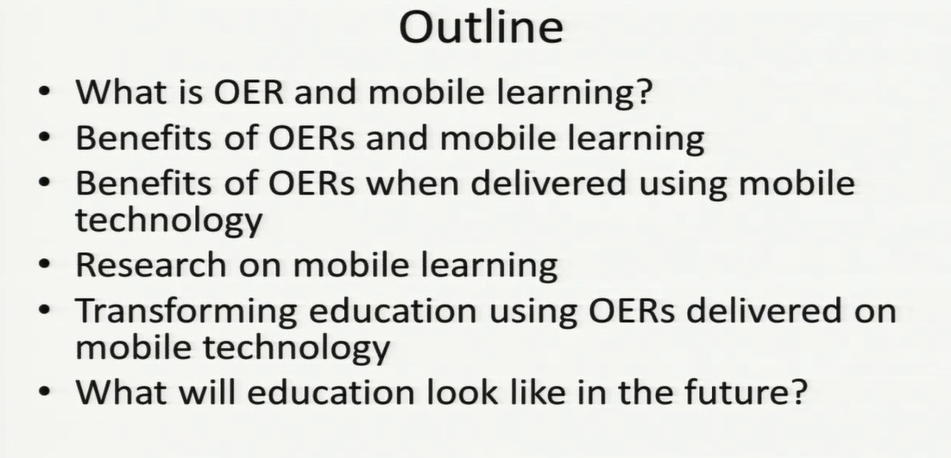
2014 이러닝 국제 콘퍼런스 : Open Education Resources with Mobile Learning to Transform Education
한국교육학술정보원 Mohamed Ally
이 자료와 함께 이용한 RISS 자료
나만을 위한 추천자료
로그인하고 관련된 다양한 학술자료를 확인해 보세요.
로그인

