 국립중앙도서관 "우편 복사 서비스"로 연결 됩니다.


Emotionally intelligent leaders are believed by many to be critically important for organizational success. There is however, little scholarly support behind this notion. Significant research on leadership exists (see Stogdill, 1974; Yukl, 1998; Yukl...
다국어 입력
あ
ぁ
か
が
さ
ざ
た
だ
な
は
ば
ぱ
ま
や
ゃ
ら
わ
ゎ
ん
い
ぃ
き
ぎ
し
じ
ち
ぢ
に
ひ
び
ぴ
み
り
う
ぅ
く
ぐ
す
ず
つ
づ
っ
ぬ
ふ
ぶ
ぷ
む
ゆ
ゅ
る
え
ぇ
け
げ
せ
ぜ
て
で
ね
へ
べ
ぺ
め
れ
お
ぉ
こ
ご
そ
ぞ
と
ど
の
ほ
ぼ
ぽ
も
よ
ょ
ろ
を
ア
ァ
カ
サ
ザ
タ
ダ
ナ
ハ
バ
パ
マ
ヤ
ャ
ラ
ワ
ヮ
ン
イ
ィ
キ
ギ
シ
ジ
チ
ヂ
ニ
ヒ
ビ
ピ
ミ
リ
ウ
ゥ
ク
グ
ス
ズ
ツ
ヅ
ッ
ヌ
フ
ブ
プ
ム
ユ
ュ
ル
エ
ェ
ケ
ゲ
セ
ゼ
テ
デ
ヘ
ベ
ペ
メ
レ
オ
ォ
コ
ゴ
ソ
ゾ
ト
ド
ノ
ホ
ボ
ポ
モ
ヨ
ョ
ロ
ヲ
―
http://chineseinput.net/에서 pinyin(병음)방식으로 중국어를 변환할 수 있습니다.
변환된 중국어를 복사하여 사용하시면 됩니다.
예시)
- 中文 을 입력하시려면 zhongwen을 입력하시고 space를누르시면됩니다.
- 北京 을 입력하시려면 beijing을 입력하시고 space를 누르시면 됩니다.
А
Б
В
Г
Д
Е
Ё
Ж
З
И
Й
К
Л
М
Н
О
П
Р
С
Т
У
Ф
Х
Ц
Ч
Ш
Щ
Ъ
Ы
Ь
Э
Ю
Я
а
б
в
г
д
е
ё
ж
з
и
й
к
л
м
н
о
п
р
с
т
у
ф
х
ц
ч
ш
щ
ъ
ы
ь
э
ю
я
′
″
℃
Å
¢
£
¥
¤
℉
‰
$
%
F
₩
㎕
㎖
㎗
ℓ
㎘
㏄
㎣
㎤
㎥
㎦
㎙
㎚
㎛
㎜
㎝
㎞
㎟
㎠
㎡
㎢
㏊
㎍
㎎
㎏
㏏
㎈
㎉
㏈
㎧
㎨
㎰
㎱
㎲
㎳
㎴
㎵
㎶
㎷
㎸
㎹
㎀
㎁
㎂
㎃
㎄
㎺
㎻
㎽
㎾
㎿
㎐
㎑
㎒
㎓
㎔
Ω
㏀
㏁
㎊
㎋
㎌
㏖
㏅
㎭
㎮
㎯
㏛
㎩
㎪
㎫
㎬
㏝
㏐
㏓
㏃
㏉
㏜
㏆
An examination of the relationship between emotional intelligence, leadership style and perceived leadership effectiveness.
한글로보기https://www.riss.kr/link?id=T10592580
- 저자
-
발행사항
[S.l.]: University of Minnesota 2003
-
학위수여대학
University of Minnesota
-
수여연도
2003
-
작성언어
영어
- 주제어
-
학위
Ph.D.
-
페이지수
209 p.
-
지도교수/심사위원
Adviser: Richard A. Swanson.
-
0
상세조회 -
0
다운로드
인용문이 복사되었습니다.
소속기관이 구독 중이 아닌 경우 오후 4시부터 익일 오전 9시까지 원문보기가 가능합니다.
부가정보
다국어 초록 (Multilingual Abstract)

Emotionally intelligent leaders are believed by many to be critically important for organizational success. There is however, little scholarly support behind this notion. Significant research on leadership exists (see Stogdill, 1974; Yukl, 1998; Yukl & Vanfleet, 1992), but the research on emotional intelligence is comparatively thin and the relationship between the two is smaller yet. This study investigated the relationship between emotional intelligence, leadership style and leadership effectiveness. A correlational research design was used.
A single international manufacturing organization headquartered in the Midwest was selected for this study, referred to as CSW. CSW employs approximately 2000 people in North America. The total population of 151 managers participated. These managers (consisted of 124 males and 27 females) included all levels of management across multiple functions at CSW.
Two commercially available survey instruments were administered. One instrument, the Mayer Salovey Caruso Emotional Intelligence Test (MSCEIT) (Mayer, Salovey, & Caruso, 2002) was administered to all the top managers (N = 151) of CSW. The MSCEIT measured the variable of emotional intelligence. 138 completed surveys were received with a response rate of 93.3%.
The second instrument, the Multifactor Leadership Questionnaire (MLQ5x) (Bass & Avolio, 2000) was administered to the subordinates of those 151 managers to gain their perceptions of their manager's leadership style and leadership effectiveness. A total of 1165 subordinates were asked to participate. 791 completed surveys were returned with a total response rate of 68.9%.
Through the testing of 24 research hypotheses, this study found no relationships between the perceptions of a leaders leadership style and that leaders emotional intelligence and a leaders perceived leadership effectiveness and their emotional intelligence. The lack of significant relationships between the various components of leadership style and emotional intelligence suggests that the practice of measuring managers 'emotional intelligence' relative to organizational and individual performance is not based on sound data. The results of this study are contrary to what has been suggested by advocates of emotional intelligence and provides additional information to the body of knowledge in the area of emotional intelligence, leadership, and the field of HRD.
분석정보
연관 공개강의(KOCW)
-

Psychology of Adolescence
이화여자대학교 유성경 -

Education Policy at the Party Conferences
Teachers TV Teachers TV -
2014 이러닝 국제 콘퍼런스 : What is the Lessons from Education Support Project~
한국교육정보진흥협회 Boseon, Kim -
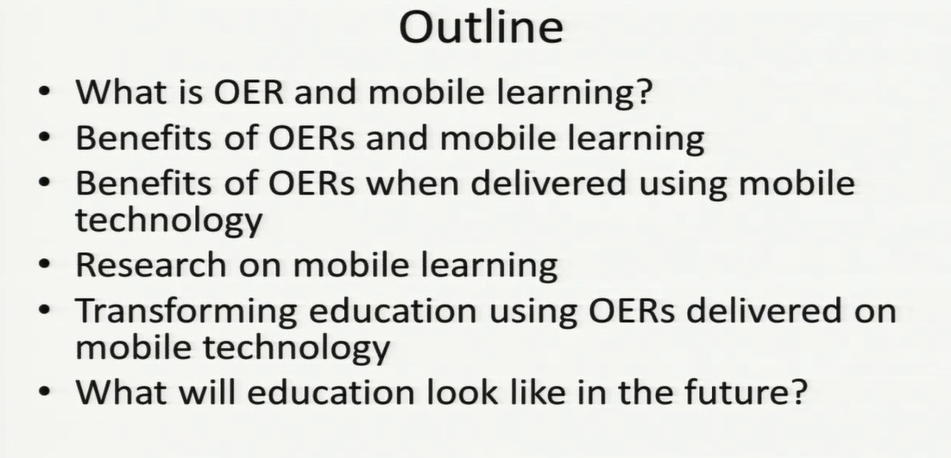
2014 이러닝 국제 콘퍼런스 : Open Education Resources with Mobile Learning to Transform Education
한국교육학술정보원 Mohamed Ally -
Early Sex Education: The Debate
Teachers TV Teachers TV
이 자료와 함께 이용한 RISS 자료
나만을 위한 추천자료
로그인하고 관련된 다양한 학술자료를 확인해 보세요.
로그인

