 국립중앙도서관 "우편 복사 서비스"로 연결 됩니다.


Family resource centers grew out of federal support in the late 1960's and early 1970's for demonstration projects for families at risk due to environmental variables such as poverty and young single parenthood. Funded through state initiatives in th...
다국어 입력
あ
ぁ
か
が
さ
ざ
た
だ
な
は
ば
ぱ
ま
や
ゃ
ら
わ
ゎ
ん
い
ぃ
き
ぎ
し
じ
ち
ぢ
に
ひ
び
ぴ
み
り
う
ぅ
く
ぐ
す
ず
つ
づ
っ
ぬ
ふ
ぶ
ぷ
む
ゆ
ゅ
る
え
ぇ
け
げ
せ
ぜ
て
で
ね
へ
べ
ぺ
め
れ
お
ぉ
こ
ご
そ
ぞ
と
ど
の
ほ
ぼ
ぽ
も
よ
ょ
ろ
を
ア
ァ
カ
サ
ザ
タ
ダ
ナ
ハ
バ
パ
マ
ヤ
ャ
ラ
ワ
ヮ
ン
イ
ィ
キ
ギ
シ
ジ
チ
ヂ
ニ
ヒ
ビ
ピ
ミ
リ
ウ
ゥ
ク
グ
ス
ズ
ツ
ヅ
ッ
ヌ
フ
ブ
プ
ム
ユ
ュ
ル
エ
ェ
ケ
ゲ
セ
ゼ
テ
デ
ヘ
ベ
ペ
メ
レ
オ
ォ
コ
ゴ
ソ
ゾ
ト
ド
ノ
ホ
ボ
ポ
モ
ヨ
ョ
ロ
ヲ
―
http://chineseinput.net/에서 pinyin(병음)방식으로 중국어를 변환할 수 있습니다.
변환된 중국어를 복사하여 사용하시면 됩니다.
예시)
- 中文 을 입력하시려면 zhongwen을 입력하시고 space를누르시면됩니다.
- 北京 을 입력하시려면 beijing을 입력하시고 space를 누르시면 됩니다.
А
Б
В
Г
Д
Е
Ё
Ж
З
И
Й
К
Л
М
Н
О
П
Р
С
Т
У
Ф
Х
Ц
Ч
Ш
Щ
Ъ
Ы
Ь
Э
Ю
Я
а
б
в
г
д
е
ё
ж
з
и
й
к
л
м
н
о
п
р
с
т
у
ф
х
ц
ч
ш
щ
ъ
ы
ь
э
ю
я
′
″
℃
Å
¢
£
¥
¤
℉
‰
$
%
F
₩
㎕
㎖
㎗
ℓ
㎘
㏄
㎣
㎤
㎥
㎦
㎙
㎚
㎛
㎜
㎝
㎞
㎟
㎠
㎡
㎢
㏊
㎍
㎎
㎏
㏏
㎈
㎉
㏈
㎧
㎨
㎰
㎱
㎲
㎳
㎴
㎵
㎶
㎷
㎸
㎹
㎀
㎁
㎂
㎃
㎄
㎺
㎻
㎽
㎾
㎿
㎐
㎑
㎒
㎓
㎔
Ω
㏀
㏁
㎊
㎋
㎌
㏖
㏅
㎭
㎮
㎯
㏛
㎩
㎪
㎫
㎬
㏝
㏐
㏓
㏃
㏉
㏜
㏆
https://www.riss.kr/link?id=T10592149
- 저자
-
발행사항
[S.l.]: University of Oregon 2003
-
학위수여대학
University of Oregon
-
수여연도
2003
-
작성언어
영어
- 주제어
-
학위
Ph.D.
-
페이지수
182 p.
-
지도교수/심사위원
Adviser: Jane Squires.
-
0
상세조회 -
0
다운로드
부가정보
다국어 초록 (Multilingual Abstract)

Family resource centers grew out of federal support in the late 1960's and early 1970's for demonstration projects for families at risk due to environmental variables such as poverty and young single parenthood. Funded through state initiatives in the 1980's and 1990's, family resource centers began expanding across the country. To date there has been little research on the benefits of parent education in family resource centers. This study examined the effects of a parent education class on 13 families receiving services from a family resource center. Twelve additional families served as the comparison group. Lessons from a research-based curriculum centered on parenting and self-nurturing comprised the parenting curriculum for the parent education class. Three quantitative measures were employed using a pre-posttest design. The Adult-Adolescent Parenting Inventory-2 (AAPI-2) and the Parental Locus of Control (PLOC) measured parenting behavior while the Parenting Stress Index/Short Form (PSI/SF) measured parent stress. Semi-structured interviews as well as weekly check-in questionnaires (intervention group only) were used to examine qualitative differences between the intervention and comparison groups.
In examining change in parenting behavior, an interaction effect was found on one of five AAPI-2 subscales, Oppressing Children's Power and Independence subscale, F (1, 23) = 3.584, p < .05. On the PLOC, an interaction effect was found on one of the five subscales, Parental Responsibility, F (1, 23) = 7.563, p < .05. No effects were found between the intervention and comparison groups in regards to parent stress, but means on the PSI/SF subscales and on the total score decreased from pretest to posttest for the intervention group, suggesting a reduction in parent stress; at the same time means scores for the comparison group increased over time, suggesting an increase in parent stress. Qualitative results suggested that parents in the intervention group were using strategies from the parenting class such as redirection, time out, and time in (i.e., spending quality time with children). Further research with larger numbers of parents is suggested.
In examining change in parenting behavior, an interaction effect was found on one of five AAPI-2 subscales, Oppressing Children's Power and Independence subscale, F (1, 23) = 3.584, p < .05. On the PLOC, an interaction effect was found on one of the five subscales, Parental Responsibility, F (1, 23) = 7.563, p < .05. No effects were found between the intervention and comparison groups in regards to parent stress, but means on the PSI/SF subscales and on the total score decreased from pretest to posttest for the intervention group, suggesting a reduction in parent stress; at the same time means scores for the comparison group increased over time, suggesting an increase in parent stress. Qualitative results suggested that parents in the intervention group were using strategies from the parenting class such as redirection, time out, and time in (i.e., spending quality time with children). Further research with larger numbers of parents is suggested.
Family resource centers grew out of federal support in the late 1960's and early 1970's for demonstration projects for families at risk due to environmental variables such as poverty and young single parenthood. Funded through state initiatives in the 1980's and 1990's, family resource centers began expanding across the country. To date there has been little research on the benefits of parent education in family resource centers. This study examined the effects of a parent education class on 13 families receiving services from a family resource center. Twelve additional families served as the comparison group. Lessons from a research-based curriculum centered on parenting and self-nurturing comprised the parenting curriculum for the parent education class. Three quantitative measures were employed using a pre-posttest design. The Adult-Adolescent Parenting Inventory-2 (AAPI-2) and the Parental Locus of Control (PLOC) measured parenting behavior while the Parenting Stress Index/Short Form (PSI/SF) measured parent stress. Semi-structured interviews as well as weekly check-in questionnaires (intervention group only) were used to examine qualitative differences between the intervention and comparison groups.
In examining change in parenting behavior, an interaction effect was found on one of five AAPI-2 subscales, Oppressing Children's Power and Independence subscale, F (1, 23) = 3.584, p < .05. On the PLOC, an interaction effect was found on one of the five subscales, Parental Responsibility, F (1, 23) = 7.563, p < .05. No effects were found between the intervention and comparison groups in regards to parent stress, but means on the PSI/SF subscales and on the total score decreased from pretest to posttest for the intervention group, suggesting a reduction in parent stress; at the same time means scores for the comparison group increased over time, suggesting an increase in parent stress. Qualitative results suggested that parents in the intervention group were using strategies from the parenting class such as redirection, time out, and time in (i.e., spending quality time with children). Further research with larger numbers of parents is suggested.
분석정보
연관 공개강의(KOCW)
-

Education Policy at the Party Conferences
Teachers TV Teachers TV -
Alcohol Education: Here's What We Want
Teachers TV Teachers TV -
Further Education: Work Experience
Teachers TV Teachers TV -
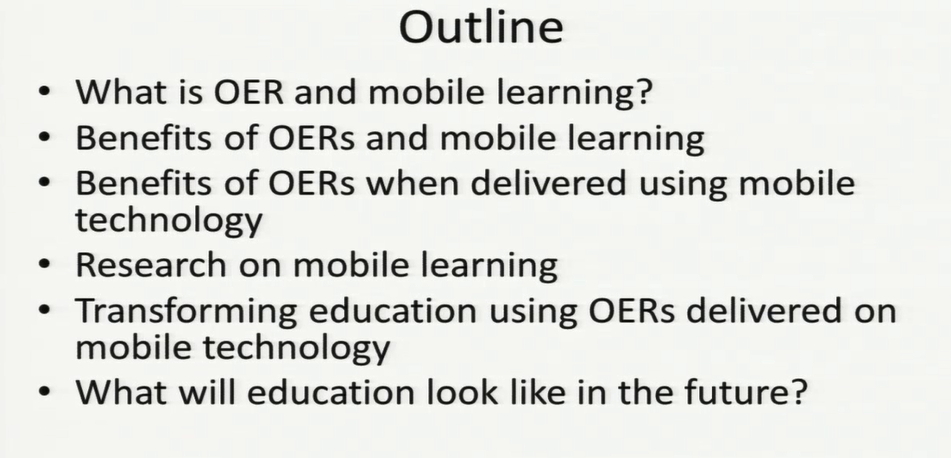
2014 이러닝 국제 콘퍼런스 : Open Education Resources with Mobile Learning to Transform Education
한국교육학술정보원 Mohamed Ally -
Early Sex Education: The Debate
Teachers TV Teachers TV
이 자료와 함께 이용한 RISS 자료
나만을 위한 추천자료


