 국립중앙도서관 "우편 복사 서비스"로 연결 됩니다.


As schools become more complex organizations, teachers are increasingly called into positions of school-wide leadership. Attempts to explore the phenomenon of teacher leadership generally focus on teachers' behavior and organizational cultures of sch...
다국어 입력
あ
ぁ
か
が
さ
ざ
た
だ
な
は
ば
ぱ
ま
や
ゃ
ら
わ
ゎ
ん
い
ぃ
き
ぎ
し
じ
ち
ぢ
に
ひ
び
ぴ
み
り
う
ぅ
く
ぐ
す
ず
つ
づ
っ
ぬ
ふ
ぶ
ぷ
む
ゆ
ゅ
る
え
ぇ
け
げ
せ
ぜ
て
で
ね
へ
べ
ぺ
め
れ
お
ぉ
こ
ご
そ
ぞ
と
ど
の
ほ
ぼ
ぽ
も
よ
ょ
ろ
を
ア
ァ
カ
サ
ザ
タ
ダ
ナ
ハ
バ
パ
マ
ヤ
ャ
ラ
ワ
ヮ
ン
イ
ィ
キ
ギ
シ
ジ
チ
ヂ
ニ
ヒ
ビ
ピ
ミ
リ
ウ
ゥ
ク
グ
ス
ズ
ツ
ヅ
ッ
ヌ
フ
ブ
プ
ム
ユ
ュ
ル
エ
ェ
ケ
ゲ
セ
ゼ
テ
デ
ヘ
ベ
ペ
メ
レ
オ
ォ
コ
ゴ
ソ
ゾ
ト
ド
ノ
ホ
ボ
ポ
モ
ヨ
ョ
ロ
ヲ
―
http://chineseinput.net/에서 pinyin(병음)방식으로 중국어를 변환할 수 있습니다.
변환된 중국어를 복사하여 사용하시면 됩니다.
예시)
- 中文 을 입력하시려면 zhongwen을 입력하시고 space를누르시면됩니다.
- 北京 을 입력하시려면 beijing을 입력하시고 space를 누르시면 됩니다.
А
Б
В
Г
Д
Е
Ё
Ж
З
И
Й
К
Л
М
Н
О
П
Р
С
Т
У
Ф
Х
Ц
Ч
Ш
Щ
Ъ
Ы
Ь
Э
Ю
Я
а
б
в
г
д
е
ё
ж
з
и
й
к
л
м
н
о
п
р
с
т
у
ф
х
ц
ч
ш
щ
ъ
ы
ь
э
ю
я
′
″
℃
Å
¢
£
¥
¤
℉
‰
$
%
F
₩
㎕
㎖
㎗
ℓ
㎘
㏄
㎣
㎤
㎥
㎦
㎙
㎚
㎛
㎜
㎝
㎞
㎟
㎠
㎡
㎢
㏊
㎍
㎎
㎏
㏏
㎈
㎉
㏈
㎧
㎨
㎰
㎱
㎲
㎳
㎴
㎵
㎶
㎷
㎸
㎹
㎀
㎁
㎂
㎃
㎄
㎺
㎻
㎽
㎾
㎿
㎐
㎑
㎒
㎓
㎔
Ω
㏀
㏁
㎊
㎋
㎌
㏖
㏅
㎭
㎮
㎯
㏛
㎩
㎪
㎫
㎬
㏝
㏐
㏓
㏃
㏉
㏜
㏆
The teacher leader role shift: A constructive-developmental study of teacher leaders' experiences of role transition and authority relationships.
한글로보기https://www.riss.kr/link?id=T10588851
- 저자
-
발행사항
[S.l.]: Harvard University 2003
-
학위수여대학
Harvard University
-
수여연도
2003
-
작성언어
영어
- 주제어
-
학위
Ed.D.
-
페이지수
262 p.
-
지도교수/심사위원
Adviser: Robert Kegan.
-
0
상세조회 -
0
다운로드
인용문이 복사되었습니다.
부가정보
다국어 초록 (Multilingual Abstract)

As schools become more complex organizations, teachers are increasingly called into positions of school-wide leadership. Attempts to explore the phenomenon of teacher leadership generally focus on teachers' behavior and organizational cultures of schools. However, the daunting mental demands on teacher leaders, and the experiences of teachers in this transition have been little explored. A review of the literature in light of Kegan's constructive-developmental theory of adult development suggests that new teacher leaders' experiences of this role shift might be related to their epistemological “order of consciousness,” i.e., their capacity to make meaning from increasingly complex perspectives.
This qualitative study examines the experiences of nine recent participants in a teacher leadership program (SEED) who have taken up school leadership roles. Subjects were administered both open-ended and Subject-Object interviews (for assessing epistemological complexity). Ten categories of experience emerged from the data and were analyzed in relation to two groups differentiated by epistemological complexity—those transitioning between what Kegan calls the “Socializing” and “Self-Authorizing” orders of consciousness (TSA), and those who predominantly make meaning from the Self-Authorizing position (SA).
While all of the SEED leaders were able to manage the new demands of teacher leadership, those in the TSA group were more likely to struggle in the role, looking to external sources for validation, direction, and markers of success. TSA leaders were occasionally self-authorizing, but could not sustain this perspective in stressful situations.
Those in the SA group also valued external opinion, but were more self-directed, relying on their own thinking in stressful situations. SA leaders generally enjoyed leadership, often finding satisfaction in their own or others' development.
While differences in experience were sometimes subtle, the ways that individuals in each group <italic>understood</italic> their experiences repeatedly reflected the same distinct signature or cast. Despite alternate explanations for the cause of these differences, epistemological position appears to be powerfully associated with the differing ways SEED leaders experience their work. The study provides a deeper understanding of new teacher leaders' experiences and illuminates the importance of creating a more varied set of developmentally appropriate support structures for teacher leaders to increase leadership capacities in schools.
분석정보
연관 공개강의(KOCW)
-

Education Policy at the Party Conferences
Teachers TV Teachers TV -

Psychology of Adolescence
이화여자대학교 유성경 -
Personal Finance Education: The Money Quiz
Teachers TV Teachers TV -

Cultural Psychology
K-MOOC 인하대학교 김의철 -
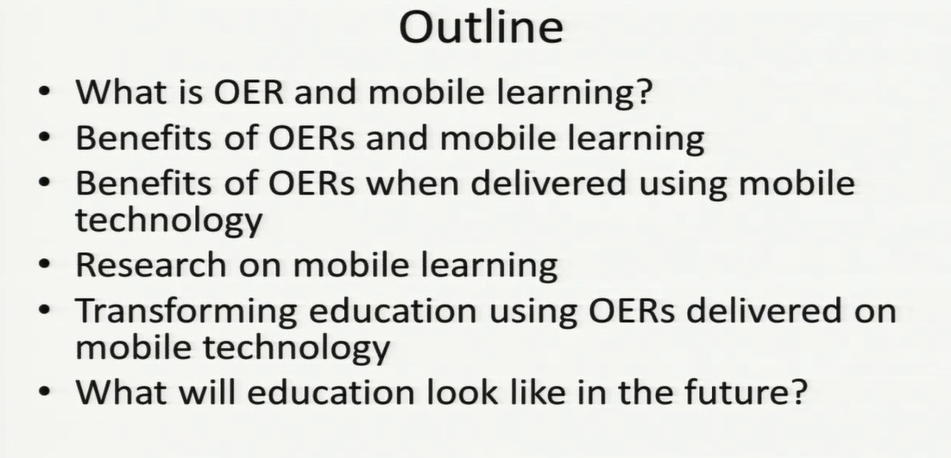
2014 이러닝 국제 콘퍼런스 : Open Education Resources with Mobile Learning to Transform Education
한국교육학술정보원 Mohamed Ally
이 자료와 함께 이용한 RISS 자료
나만을 위한 추천자료
로그인하고 관련된 다양한 학술자료를 확인해 보세요.
로그인

