 국립중앙도서관 "우편 복사 서비스"로 연결 됩니다.


The purpose of this study was to examine direct, mediated, and moderated effects of a transition service program on children's behavioral and cognitive outcomes in middle childhood. The sample for this study was taken from a local site of the Nationa...
다국어 입력
あ
ぁ
か
が
さ
ざ
た
だ
な
は
ば
ぱ
ま
や
ゃ
ら
わ
ゎ
ん
い
ぃ
き
ぎ
し
じ
ち
ぢ
に
ひ
び
ぴ
み
り
う
ぅ
く
ぐ
す
ず
つ
づ
っ
ぬ
ふ
ぶ
ぷ
む
ゆ
ゅ
る
え
ぇ
け
げ
せ
ぜ
て
で
ね
へ
べ
ぺ
め
れ
お
ぉ
こ
ご
そ
ぞ
と
ど
の
ほ
ぼ
ぽ
も
よ
ょ
ろ
を
ア
ァ
カ
サ
ザ
タ
ダ
ナ
ハ
バ
パ
マ
ヤ
ャ
ラ
ワ
ヮ
ン
イ
ィ
キ
ギ
シ
ジ
チ
ヂ
ニ
ヒ
ビ
ピ
ミ
リ
ウ
ゥ
ク
グ
ス
ズ
ツ
ヅ
ッ
ヌ
フ
ブ
プ
ム
ユ
ュ
ル
エ
ェ
ケ
ゲ
セ
ゼ
テ
デ
ヘ
ベ
ペ
メ
レ
オ
ォ
コ
ゴ
ソ
ゾ
ト
ド
ノ
ホ
ボ
ポ
モ
ヨ
ョ
ロ
ヲ
―
http://chineseinput.net/에서 pinyin(병음)방식으로 중국어를 변환할 수 있습니다.
변환된 중국어를 복사하여 사용하시면 됩니다.
예시)
- 中文 을 입력하시려면 zhongwen을 입력하시고 space를누르시면됩니다.
- 北京 을 입력하시려면 beijing을 입력하시고 space를 누르시면 됩니다.
А
Б
В
Г
Д
Е
Ё
Ж
З
И
Й
К
Л
М
Н
О
П
Р
С
Т
У
Ф
Х
Ц
Ч
Ш
Щ
Ъ
Ы
Ь
Э
Ю
Я
а
б
в
г
д
е
ё
ж
з
и
й
к
л
м
н
о
п
р
с
т
у
ф
х
ц
ч
ш
щ
ъ
ы
ь
э
ю
я
′
″
℃
Å
¢
£
¥
¤
℉
‰
$
%
F
₩
㎕
㎖
㎗
ℓ
㎘
㏄
㎣
㎤
㎥
㎦
㎙
㎚
㎛
㎜
㎝
㎞
㎟
㎠
㎡
㎢
㏊
㎍
㎎
㎏
㏏
㎈
㎉
㏈
㎧
㎨
㎰
㎱
㎲
㎳
㎴
㎵
㎶
㎷
㎸
㎹
㎀
㎁
㎂
㎃
㎄
㎺
㎻
㎽
㎾
㎿
㎐
㎑
㎒
㎓
㎔
Ω
㏀
㏁
㎊
㎋
㎌
㏖
㏅
㎭
㎮
㎯
㏛
㎩
㎪
㎫
㎬
㏝
㏐
㏓
㏃
㏉
㏜
㏆

RISS 인기검색어
Effects of a Head Start to elementary school transition service program on children's behavioral and cognitive outcomes: Direct, mediated, and moderated pathways.
한글로보기https://www.riss.kr/link?id=T10584698
- 저자
-
발행사항
[S.l.]: New York University 2003
-
학위수여대학
New York University
-
수여연도
2003
-
작성언어
영어
- 주제어
-
학위
Ph.D.
-
페이지수
138 p.
-
지도교수/심사위원
Adviser: Hirokazu Yoshikawa.
-
0
상세조회 -
0
다운로드
부가정보
다국어 초록 (Multilingual Abstract)

The purpose of this study was to examine direct, mediated, and moderated effects of a transition service program on children's behavioral and cognitive outcomes in middle childhood. The sample for this study was taken from a local site of the National Head Start/Public School Transition Demonstration Project (conducted between 1992 and 1997), in the northeast (N = 175). This was a longitudinal evaluation of Head Start transition services that extended from kindergarten through third grade. The program showed non-significant associations, all in expected directions, with child cooperation (β = .09), and hypothesized mediators in areas of no-nonsense parenting (β = .11), verbal ability (β = .09), family involvement in school (β = .10), and family-school communication (β = .08). In addition, exploratory analyses examining differences in effects of the intervention for those children receiving no months of transition services compared to those receiving all 40 months of services indicated non-significant associations between participation in the intervention and cooperation, positively (β = .19), and antisocial behavior, negatively (β = −.16). Results also suggested that some of the proposed mediators had significant associations of moderate size with behavioral outcomes. Specifically, verbal ability predicted cooperation, assertiveness, and antisocial behavior, and family-school communication was associated with cooperation and antisocial behavior, all in expected directions. Although moderated effects of the transition service program were not indicated in this study, all of the moderators except parenting style did significantly predict children's outcomes. Especially noteworthy was the finding that both number of family moves and irregular family routines significantly predicted both positive and negative behavioral outcomes, in the expected directions, and irregular routines also predicted children's verbal ability (negative association).
The purpose of this study was to examine direct, mediated, and moderated effects of a transition service program on children's behavioral and cognitive outcomes in middle childhood. The sample for this study was taken from a local site of the National Head Start/Public School Transition Demonstration Project (conducted between 1992 and 1997), in the northeast (N = 175). This was a longitudinal evaluation of Head Start transition services that extended from kindergarten through third grade. The program showed non-significant associations, all in expected directions, with child cooperation (β = .09), and hypothesized mediators in areas of no-nonsense parenting (β = .11), verbal ability (β = .09), family involvement in school (β = .10), and family-school communication (β = .08). In addition, exploratory analyses examining differences in effects of the intervention for those children receiving no months of transition services compared to those receiving all 40 months of services indicated non-significant associations between participation in the intervention and cooperation, positively (β = .19), and antisocial behavior, negatively (β = −.16). Results also suggested that some of the proposed mediators had significant associations of moderate size with behavioral outcomes. Specifically, verbal ability predicted cooperation, assertiveness, and antisocial behavior, and family-school communication was associated with cooperation and antisocial behavior, all in expected directions. Although moderated effects of the transition service program were not indicated in this study, all of the moderators except parenting style did significantly predict children's outcomes. Especially noteworthy was the finding that both number of family moves and irregular family routines significantly predicted both positive and negative behavioral outcomes, in the expected directions, and irregular routines also predicted children's verbal ability (negative association).
분석정보
연관 공개강의(KOCW)
-

Psychology of Adolescence
이화여자대학교 유성경 -

Education Policy at the Party Conferences
Teachers TV Teachers TV -
Early Sex Education: The Debate
Teachers TV Teachers TV -
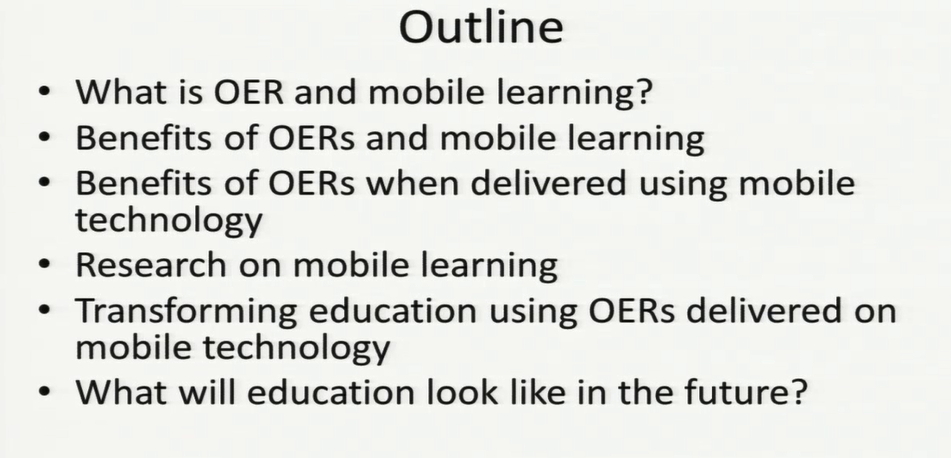
2014 이러닝 국제 콘퍼런스 : Open Education Resources with Mobile Learning to Transform Education
한국교육학술정보원 Mohamed Ally -

Cultural Psychology
K-MOOC 인하대학교 김의철
이 자료와 함께 이용한 RISS 자료
나만을 위한 추천자료


