 국립중앙도서관 "우편 복사 서비스"로 연결 됩니다.


Creativity has been of great interest to both researchers and practitioners alike. At the core of this interest are the causes of creativity—that is, what individual and environmental factors, if any, contribute to the individual's creative ach...
다국어 입력
あ
ぁ
か
が
さ
ざ
た
だ
な
は
ば
ぱ
ま
や
ゃ
ら
わ
ゎ
ん
い
ぃ
き
ぎ
し
じ
ち
ぢ
に
ひ
び
ぴ
み
り
う
ぅ
く
ぐ
す
ず
つ
づ
っ
ぬ
ふ
ぶ
ぷ
む
ゆ
ゅ
る
え
ぇ
け
げ
せ
ぜ
て
で
ね
へ
べ
ぺ
め
れ
お
ぉ
こ
ご
そ
ぞ
と
ど
の
ほ
ぼ
ぽ
も
よ
ょ
ろ
を
ア
ァ
カ
サ
ザ
タ
ダ
ナ
ハ
バ
パ
マ
ヤ
ャ
ラ
ワ
ヮ
ン
イ
ィ
キ
ギ
シ
ジ
チ
ヂ
ニ
ヒ
ビ
ピ
ミ
リ
ウ
ゥ
ク
グ
ス
ズ
ツ
ヅ
ッ
ヌ
フ
ブ
プ
ム
ユ
ュ
ル
エ
ェ
ケ
ゲ
セ
ゼ
テ
デ
ヘ
ベ
ペ
メ
レ
オ
ォ
コ
ゴ
ソ
ゾ
ト
ド
ノ
ホ
ボ
ポ
モ
ヨ
ョ
ロ
ヲ
―
http://chineseinput.net/에서 pinyin(병음)방식으로 중국어를 변환할 수 있습니다.
변환된 중국어를 복사하여 사용하시면 됩니다.
예시)
- 中文 을 입력하시려면 zhongwen을 입력하시고 space를누르시면됩니다.
- 北京 을 입력하시려면 beijing을 입력하시고 space를 누르시면 됩니다.
А
Б
В
Г
Д
Е
Ё
Ж
З
И
Й
К
Л
М
Н
О
П
Р
С
Т
У
Ф
Х
Ц
Ч
Ш
Щ
Ъ
Ы
Ь
Э
Ю
Я
а
б
в
г
д
е
ё
ж
з
и
й
к
л
м
н
о
п
р
с
т
у
ф
х
ц
ч
ш
щ
ъ
ы
ь
э
ю
я
′
″
℃
Å
¢
£
¥
¤
℉
‰
$
%
F
₩
㎕
㎖
㎗
ℓ
㎘
㏄
㎣
㎤
㎥
㎦
㎙
㎚
㎛
㎜
㎝
㎞
㎟
㎠
㎡
㎢
㏊
㎍
㎎
㎏
㏏
㎈
㎉
㏈
㎧
㎨
㎰
㎱
㎲
㎳
㎴
㎵
㎶
㎷
㎸
㎹
㎀
㎁
㎂
㎃
㎄
㎺
㎻
㎽
㎾
㎿
㎐
㎑
㎒
㎓
㎔
Ω
㏀
㏁
㎊
㎋
㎌
㏖
㏅
㎭
㎮
㎯
㏛
㎩
㎪
㎫
㎬
㏝
㏐
㏓
㏃
㏉
㏜
㏆
https://www.riss.kr/link?id=T10583635
- 저자
-
발행사항
[S.l.]: Yale University 2003
-
학위수여대학
Yale University
-
수여연도
2003
-
작성언어
영어
- 주제어
-
학위
Ph.D.
-
페이지수
89 p.
-
지도교수/심사위원
Director: Robert J. Sternberg.
-
0
상세조회 -
0
다운로드
인용문이 복사되었습니다.
부가정보
다국어 초록 (Multilingual Abstract)

Creativity has been of great interest to both researchers and practitioners alike. At the core of this interest are the causes of creativity—that is, what individual and environmental factors, if any, contribute to the individual's creative achievement. This dissertation project was dedicated to address this issue. It sought to address this question by examining the influences of both individual and environmental factors on student creative performance in the Chinese context. Two studies were conducted to examine the effects of individual characteristics (such as intelligence, personality, and motivation) and social-environmental factors (such as families and schools) on creativity. More specifically, the Study 1 primarily used self-report questionnaires and psychometric tests in a sample of 357 Chinese high school students to investigate how both individual and social-environmental factors could predict student creativity in the art and language domains and their general creativity thinking. The study was based on Sternberg and Lubart's (1995) investment theory of creativity, in which six distinctive resources, namely, intelligence, personality, motivation, thinking styles, knowledge, and environment, are believed to be critical to creativity. The second study comprised an experiment conducted on a sample of 180 Chinese high school students, which was designed to scrutinize the effects of prompting and coaching students to be creative on their creative performance in the domains of art and literature.
The results of the two studies confirmed this project's major hypothesis that both the individual and environment play decisive roles in Chinese student creativity. Specifically, Study 1 showed that both individual and social environment factors significantly predict creativity. The second study further demonstrated that one's creativity could benefit from receiving appropriate environmental support (e.g., coaching to be creative). Implications of these findings were discussed. The paper also called for a serious consideration of research on environmental influence on creativity and various mechanisms of this influence.
분석정보
연관 공개강의(KOCW)
-

Education Policy at the Party Conferences
Teachers TV Teachers TV -

Psychology of Adolescence
이화여자대학교 유성경 -
Personal Finance Education: The Money Quiz
Teachers TV Teachers TV -

Cultural Psychology
K-MOOC 인하대학교 김의철 -
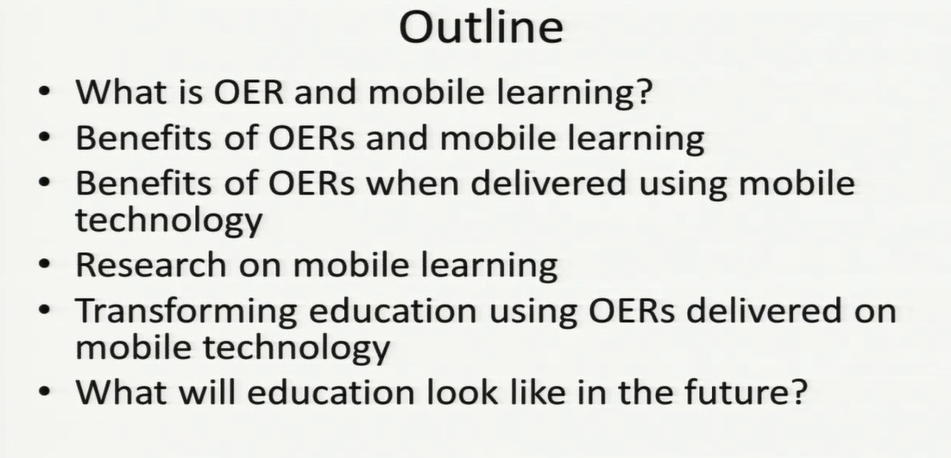
2014 이러닝 국제 콘퍼런스 : Open Education Resources with Mobile Learning to Transform Education
한국교육학술정보원 Mohamed Ally
이 자료와 함께 이용한 RISS 자료
나만을 위한 추천자료
로그인하고 관련된 다양한 학술자료를 확인해 보세요.
로그인

