 국립중앙도서관 "우편 복사 서비스"로 연결 됩니다.


Observations of caregiver speech to children in 23 child care homes serving low-income children were made when a target child in each setting was 18 months old. The target children were observed bimonthly until age 30 months. Measures of caregiver sp...
다국어 입력
あ
ぁ
か
が
さ
ざ
た
だ
な
は
ば
ぱ
ま
や
ゃ
ら
わ
ゎ
ん
い
ぃ
き
ぎ
し
じ
ち
ぢ
に
ひ
び
ぴ
み
り
う
ぅ
く
ぐ
す
ず
つ
づ
っ
ぬ
ふ
ぶ
ぷ
む
ゆ
ゅ
る
え
ぇ
け
げ
せ
ぜ
て
で
ね
へ
べ
ぺ
め
れ
お
ぉ
こ
ご
そ
ぞ
と
ど
の
ほ
ぼ
ぽ
も
よ
ょ
ろ
を
ア
ァ
カ
サ
ザ
タ
ダ
ナ
ハ
バ
パ
マ
ヤ
ャ
ラ
ワ
ヮ
ン
イ
ィ
キ
ギ
シ
ジ
チ
ヂ
ニ
ヒ
ビ
ピ
ミ
リ
ウ
ゥ
ク
グ
ス
ズ
ツ
ヅ
ッ
ヌ
フ
ブ
プ
ム
ユ
ュ
ル
エ
ェ
ケ
ゲ
セ
ゼ
テ
デ
ヘ
ベ
ペ
メ
レ
オ
ォ
コ
ゴ
ソ
ゾ
ト
ド
ノ
ホ
ボ
ポ
モ
ヨ
ョ
ロ
ヲ
―
http://chineseinput.net/에서 pinyin(병음)방식으로 중국어를 변환할 수 있습니다.
변환된 중국어를 복사하여 사용하시면 됩니다.
예시)
- 中文 을 입력하시려면 zhongwen을 입력하시고 space를누르시면됩니다.
- 北京 을 입력하시려면 beijing을 입력하시고 space를 누르시면 됩니다.
А
Б
В
Г
Д
Е
Ё
Ж
З
И
Й
К
Л
М
Н
О
П
Р
С
Т
У
Ф
Х
Ц
Ч
Ш
Щ
Ъ
Ы
Ь
Э
Ю
Я
а
б
в
г
д
е
ё
ж
з
и
й
к
л
м
н
о
п
р
с
т
у
ф
х
ц
ч
ш
щ
ъ
ы
ь
э
ю
я
′
″
℃
Å
¢
£
¥
¤
℉
‰
$
%
F
₩
㎕
㎖
㎗
ℓ
㎘
㏄
㎣
㎤
㎥
㎦
㎙
㎚
㎛
㎜
㎝
㎞
㎟
㎠
㎡
㎢
㏊
㎍
㎎
㎏
㏏
㎈
㎉
㏈
㎧
㎨
㎰
㎱
㎲
㎳
㎴
㎵
㎶
㎷
㎸
㎹
㎀
㎁
㎂
㎃
㎄
㎺
㎻
㎽
㎾
㎿
㎐
㎑
㎒
㎓
㎔
Ω
㏀
㏁
㎊
㎋
㎌
㏖
㏅
㎭
㎮
㎯
㏛
㎩
㎪
㎫
㎬
㏝
㏐
㏓
㏃
㏉
㏜
㏆
The language environments of child care homes and their relation to language development in the second and third years of life.
한글로보기https://www.riss.kr/link?id=T10572496
- 저자
-
발행사항
[S.l.]: The University of Chicago 2002
-
학위수여대학
The University of Chicago
-
수여연도
2002
-
작성언어
영어
- 주제어
-
학위
Ph.D.
-
페이지수
87 p.
-
지도교수/심사위원
Adviser: Janellen Huttenlocher.
-
0
상세조회 -
0
다운로드
인용문이 복사되었습니다.
부가정보
다국어 초록 (Multilingual Abstract)

Observations of caregiver speech to children in 23 child care homes serving low-income children were made when a target child in each setting was 18 months old. The target children were observed bimonthly until age 30 months. Measures of caregiver speech included quantity, syntactic complexity, amount of speech directed at the target child and number of utterances that related to the target child's current focus of attention (“current utterances”). Child language measures included a vocabulary growth rate calculated from bimonthly recordings of children's speech, mean length of utterance at 30 months and a receptive vocabulary test. Results indicated a wide range of language environments in child care homes serving low-income children, with quantity and type of speech skewed toward the lower end of the range. A key finding was that almost half of the observed sample never or almost never commented on topics in the target child's current focus of attention. The rarity of joint attention in naturalistic observations of multi-child settings contrasts with its frequent occurrence in controlled studies of mother-child dyads. Caregivers' quantity of speech, amount of speech directed at the target child and frequency of current utterances were all strongly associated with measures of language development. However, syntactic complexity, as measured by the caregiver's MLU, showed no significant association with child language development. When considered alongside quantity measures in a regression model, only the frequency of current utterances was a significant predictor of individual differences in language development. These results suggest that joint attention, while not available to all children in child care settings, is a source of particularly valuable language input and a key component of attentive, responsive caregiving.
Observations of caregiver speech to children in 23 child care homes serving low-income children were made when a target child in each setting was 18 months old. The target children were observed bimonthly until age 30 months. Measures of caregiver speech included quantity, syntactic complexity, amount of speech directed at the target child and number of utterances that related to the target child's current focus of attention (“current utterances”). Child language measures included a vocabulary growth rate calculated from bimonthly recordings of children's speech, mean length of utterance at 30 months and a receptive vocabulary test. Results indicated a wide range of language environments in child care homes serving low-income children, with quantity and type of speech skewed toward the lower end of the range. A key finding was that almost half of the observed sample never or almost never commented on topics in the target child's current focus of attention. The rarity of joint attention in naturalistic observations of multi-child settings contrasts with its frequent occurrence in controlled studies of mother-child dyads. Caregivers' quantity of speech, amount of speech directed at the target child and frequency of current utterances were all strongly associated with measures of language development. However, syntactic complexity, as measured by the caregiver's MLU, showed no significant association with child language development. When considered alongside quantity measures in a regression model, only the frequency of current utterances was a significant predictor of individual differences in language development. These results suggest that joint attention, while not available to all children in child care settings, is a source of particularly valuable language input and a key component of attentive, responsive caregiving.
분석정보
연관 공개강의(KOCW)
-

Education Policy at the Party Conferences
Teachers TV Teachers TV -

Psychology of Adolescence
이화여자대학교 유성경 -
Alcohol Education: Here's What We Want
Teachers TV Teachers TV -
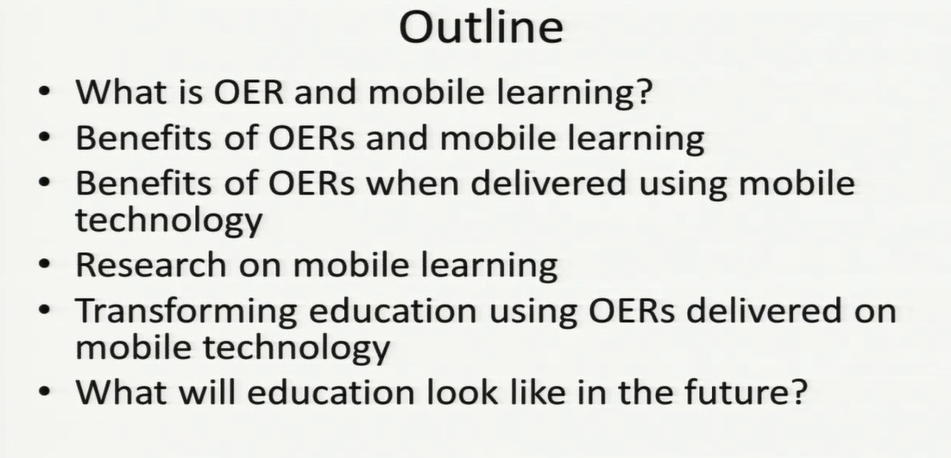
2014 이러닝 국제 콘퍼런스 : Open Education Resources with Mobile Learning to Transform Education
한국교육학술정보원 Mohamed Ally -
Further Education: Work Experience
Teachers TV Teachers TV
이 자료와 함께 이용한 RISS 자료
나만을 위한 추천자료
로그인하고 관련된 다양한 학술자료를 확인해 보세요.
로그인

