 국립중앙도서관 "우편 복사 서비스"로 연결 됩니다.


This study investigated four- and five-year-old children's spontaneous spatial and geometric behavior and underlying architectural principles (SPAGAR) in the everyday context. The following research questions were investigated: What types of spatial ...
다국어 입력
あ
ぁ
か
が
さ
ざ
た
だ
な
は
ば
ぱ
ま
や
ゃ
ら
わ
ゎ
ん
い
ぃ
き
ぎ
し
じ
ち
ぢ
に
ひ
び
ぴ
み
り
う
ぅ
く
ぐ
す
ず
つ
づ
っ
ぬ
ふ
ぶ
ぷ
む
ゆ
ゅ
る
え
ぇ
け
げ
せ
ぜ
て
で
ね
へ
べ
ぺ
め
れ
お
ぉ
こ
ご
そ
ぞ
と
ど
の
ほ
ぼ
ぽ
も
よ
ょ
ろ
を
ア
ァ
カ
サ
ザ
タ
ダ
ナ
ハ
バ
パ
マ
ヤ
ャ
ラ
ワ
ヮ
ン
イ
ィ
キ
ギ
シ
ジ
チ
ヂ
ニ
ヒ
ビ
ピ
ミ
リ
ウ
ゥ
ク
グ
ス
ズ
ツ
ヅ
ッ
ヌ
フ
ブ
プ
ム
ユ
ュ
ル
エ
ェ
ケ
ゲ
セ
ゼ
テ
デ
ヘ
ベ
ペ
メ
レ
オ
ォ
コ
ゴ
ソ
ゾ
ト
ド
ノ
ホ
ボ
ポ
モ
ヨ
ョ
ロ
ヲ
―
http://chineseinput.net/에서 pinyin(병음)방식으로 중국어를 변환할 수 있습니다.
변환된 중국어를 복사하여 사용하시면 됩니다.
예시)
- 中文 을 입력하시려면 zhongwen을 입력하시고 space를누르시면됩니다.
- 北京 을 입력하시려면 beijing을 입력하시고 space를 누르시면 됩니다.
А
Б
В
Г
Д
Е
Ё
Ж
З
И
Й
К
Л
М
Н
О
П
Р
С
Т
У
Ф
Х
Ц
Ч
Ш
Щ
Ъ
Ы
Ь
Э
Ю
Я
а
б
в
г
д
е
ё
ж
з
и
й
к
л
м
н
о
п
р
с
т
у
ф
х
ц
ч
ш
щ
ъ
ы
ь
э
ю
я
′
″
℃
Å
¢
£
¥
¤
℉
‰
$
%
F
₩
㎕
㎖
㎗
ℓ
㎘
㏄
㎣
㎤
㎥
㎦
㎙
㎚
㎛
㎜
㎝
㎞
㎟
㎠
㎡
㎢
㏊
㎍
㎎
㎏
㏏
㎈
㎉
㏈
㎧
㎨
㎰
㎱
㎲
㎳
㎴
㎵
㎶
㎷
㎸
㎹
㎀
㎁
㎂
㎃
㎄
㎺
㎻
㎽
㎾
㎿
㎐
㎑
㎒
㎓
㎔
Ω
㏀
㏁
㎊
㎋
㎌
㏖
㏅
㎭
㎮
㎯
㏛
㎩
㎪
㎫
㎬
㏝
㏐
㏓
㏃
㏉
㏜
㏆
The development of spatial thinking, emergent geometric concepts and architectural principles in the everyday context.
한글로보기https://www.riss.kr/link?id=T10565095
- 저자
-
발행사항
[S.l.]: Columbia University 2001
-
학위수여대학
Columbia University
-
수여연도
2001
-
작성언어
영어
- 주제어
-
학위
Ph.D.
-
페이지수
280 p.
-
지도교수/심사위원
Sponsor: Herbert P. Ginsburg.
-
0
상세조회 -
0
다운로드
인용문이 복사되었습니다.
소속기관이 구독 중이 아닌 경우 오후 4시부터 익일 오전 9시까지 원문보기가 가능합니다.
부가정보
다국어 초록 (Multilingual Abstract)

This study investigated four- and five-year-old children's spontaneous spatial and geometric behavior and underlying architectural principles (SPAGAR) in the everyday context. The following research questions were investigated: What types of spatial and geometric thinking do young children employ during free play? What architectural principles underlie young children's block constructions? Which aspects of spatial, geometric, and architectural thinking are most prominent in young children's play? Are there age, gender, or socioeconomic class differences in SPAGAR activity? What physical, social, environmental, or cultural conditions are related to SPAGAR activity?.
A total of 90 children from five preschools participated. The method of naturalistic observation (Ginsburg, Pappas, & Seo, in press) was employed. A target child was videotaped for 15 minutes during free play regardless of activity or location. Thirteen SPAGAR codes were identified: line symmetry, plane symmetry, rotational symmetry, patterning, figure identification, shape matching, direction/location, enclosure, foundation, trabeated construction, posting, engineering, and proportional reasoning. Codes were classified into five broad categories: symmetric relations, patterning, shapes, direction/location, and architectural principles.
Correlational analyses indicate a significant relationship between age and overall SPAGAR activity (r = .34, <italic>p</italic> < 0.01). No significant differences existed between gender and overall SPAGAR activity. Moreover, there were no significant socioeconomic class differences in SPAGAR activity. Case study results suggest that involvement in SPAGAR activity is closely associated with physical constraints, social interaction, and cultural tools within the preschool setting.
Both psychological and educational implications emerge from the present study. First, more than any other mathematical activity, SPAGAR comprises nearly one-third of the children's free play. Second, results indicate that low-income children possess a wealth of knowledge in spatial and geometric concepts. Third, naturalistic observation is a powerful tool for tapping into young children's spontaneous spatial and geometric behavior. Finally, results demonstrate the need for early childhood mathematics educators to place more emphasis on spatial and geometric concepts and the architectural principles that underlie them.
This study investigated four- and five-year-old children's spontaneous spatial and geometric behavior and underlying architectural principles (SPAGAR) in the everyday context. The following research questions were investigated: What types of spatial and geometric thinking do young children employ during free play? What architectural principles underlie young children's block constructions? Which aspects of spatial, geometric, and architectural thinking are most prominent in young children's play? Are there age, gender, or socioeconomic class differences in SPAGAR activity? What physical, social, environmental, or cultural conditions are related to SPAGAR activity?.
A total of 90 children from five preschools participated. The method of naturalistic observation (Ginsburg, Pappas, & Seo, in press) was employed. A target child was videotaped for 15 minutes during free play regardless of activity or location. Thirteen SPAGAR codes were identified: line symmetry, plane symmetry, rotational symmetry, patterning, figure identification, shape matching, direction/location, enclosure, foundation, trabeated construction, posting, engineering, and proportional reasoning. Codes were classified into five broad categories: symmetric relations, patterning, shapes, direction/location, and architectural principles.
Correlational analyses indicate a significant relationship between age and overall SPAGAR activity (r = .34, <italic>p</italic> < 0.01). No significant differences existed between gender and overall SPAGAR activity. Moreover, there were no significant socioeconomic class differences in SPAGAR activity. Case study results suggest that involvement in SPAGAR activity is closely associated with physical constraints, social interaction, and cultural tools within the preschool setting.
Both psychological and educational implications emerge from the present study. First, more than any other mathematical activity, SPAGAR comprises nearly one-third of the children's free play. Second, results indicate that low-income children possess a wealth of knowledge in spatial and geometric concepts. Third, naturalistic observation is a powerful tool for tapping into young children's spontaneous spatial and geometric behavior. Finally, results demonstrate the need for early childhood mathematics educators to place more emphasis on spatial and geometric concepts and the architectural principles that underlie them.
분석정보
연관 공개강의(KOCW)
-

Education Policy at the Party Conferences
Teachers TV Teachers TV -

Psychology of Adolescence
이화여자대학교 유성경 -
Personal Finance Education: The Money Quiz
Teachers TV Teachers TV -

Cultural Psychology
K-MOOC 인하대학교 김의철 -
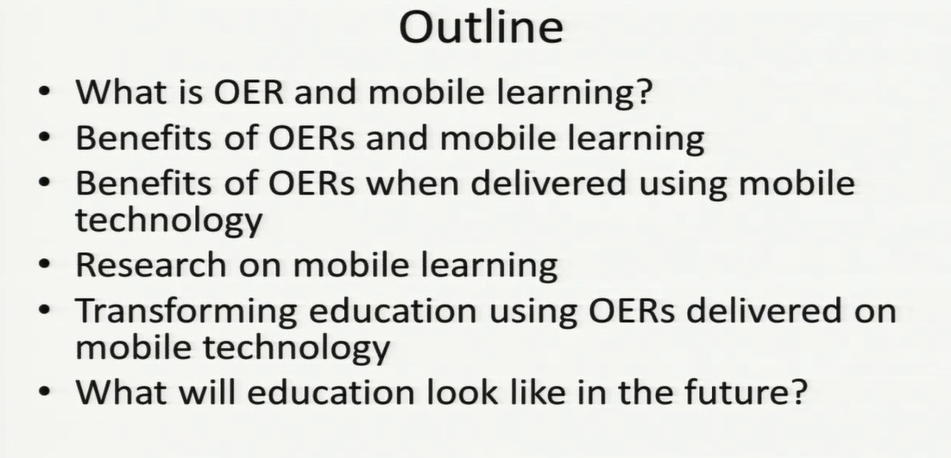
2014 이러닝 국제 콘퍼런스 : Open Education Resources with Mobile Learning to Transform Education
한국교육학술정보원 Mohamed Ally
이 자료와 함께 이용한 RISS 자료
나만을 위한 추천자료


