 국립중앙도서관 "우편 복사 서비스"로 연결 됩니다.


Educators agree that “teaching is a complex intellectual activity played out in an equally complex social setting” (Griffin, 1999, p. 7). To meet these complexities, teachers need pedagogical knowledge that is complex and integrated enoug...
다국어 입력
あ
ぁ
か
が
さ
ざ
た
だ
な
は
ば
ぱ
ま
や
ゃ
ら
わ
ゎ
ん
い
ぃ
き
ぎ
し
じ
ち
ぢ
に
ひ
び
ぴ
み
り
う
ぅ
く
ぐ
す
ず
つ
づ
っ
ぬ
ふ
ぶ
ぷ
む
ゆ
ゅ
る
え
ぇ
け
げ
せ
ぜ
て
で
ね
へ
べ
ぺ
め
れ
お
ぉ
こ
ご
そ
ぞ
と
ど
の
ほ
ぼ
ぽ
も
よ
ょ
ろ
を
ア
ァ
カ
サ
ザ
タ
ダ
ナ
ハ
バ
パ
マ
ヤ
ャ
ラ
ワ
ヮ
ン
イ
ィ
キ
ギ
シ
ジ
チ
ヂ
ニ
ヒ
ビ
ピ
ミ
リ
ウ
ゥ
ク
グ
ス
ズ
ツ
ヅ
ッ
ヌ
フ
ブ
プ
ム
ユ
ュ
ル
エ
ェ
ケ
ゲ
セ
ゼ
テ
デ
ヘ
ベ
ペ
メ
レ
オ
ォ
コ
ゴ
ソ
ゾ
ト
ド
ノ
ホ
ボ
ポ
モ
ヨ
ョ
ロ
ヲ
―
http://chineseinput.net/에서 pinyin(병음)방식으로 중국어를 변환할 수 있습니다.
변환된 중국어를 복사하여 사용하시면 됩니다.
예시)
- 中文 을 입력하시려면 zhongwen을 입력하시고 space를누르시면됩니다.
- 北京 을 입력하시려면 beijing을 입력하시고 space를 누르시면 됩니다.
А
Б
В
Г
Д
Е
Ё
Ж
З
И
Й
К
Л
М
Н
О
П
Р
С
Т
У
Ф
Х
Ц
Ч
Ш
Щ
Ъ
Ы
Ь
Э
Ю
Я
а
б
в
г
д
е
ё
ж
з
и
й
к
л
м
н
о
п
р
с
т
у
ф
х
ц
ч
ш
щ
ъ
ы
ь
э
ю
я
′
″
℃
Å
¢
£
¥
¤
℉
‰
$
%
F
₩
㎕
㎖
㎗
ℓ
㎘
㏄
㎣
㎤
㎥
㎦
㎙
㎚
㎛
㎜
㎝
㎞
㎟
㎠
㎡
㎢
㏊
㎍
㎎
㎏
㏏
㎈
㎉
㏈
㎧
㎨
㎰
㎱
㎲
㎳
㎴
㎵
㎶
㎷
㎸
㎹
㎀
㎁
㎂
㎃
㎄
㎺
㎻
㎽
㎾
㎿
㎐
㎑
㎒
㎓
㎔
Ω
㏀
㏁
㎊
㎋
㎌
㏖
㏅
㎭
㎮
㎯
㏛
㎩
㎪
㎫
㎬
㏝
㏐
㏓
㏃
㏉
㏜
㏆
Personality dispositions and teacher development: Reflection, emotion, motivation, and teachers' pedagogical conceptions.
한글로보기https://www.riss.kr/link?id=T10562280
- 저자
-
발행사항
[S.l.]: University of California, Berkeley 2001
-
학위수여대학
University of California, Berkeley
-
수여연도
2001
-
작성언어
영어
- 주제어
-
학위
Ph.D.
-
페이지수
84 p.
-
지도교수/심사위원
Co-Chairs: Paul Ammon; Marty Covington.
-
0
상세조회 -
0
다운로드
인용문이 복사되었습니다.
부가정보
다국어 초록 (Multilingual Abstract)

Educators agree that “teaching is a complex intellectual activity played out in an equally complex social setting” (Griffin, 1999, p. 7). To meet these complexities, teachers need pedagogical knowledge that is complex and integrated enough to help them deal effectively with numerous dynamics of the classroom. This project asks what factors might be associated with the development of advanced pedagogical knowledge.
A survey research design is employed here to examine how experience and personality dispositions—reflection, emotions, and motivation—are associated with Pedagogical Conceptions. The subjects are 171, K–12 public school teachers. Ammon's et al. (1984, 1989, 1998) Pedagogical Conceptions model provided the basics for a scale that was employed to evaluate teachers' thinking about teaching. Additional scales were developed to evaluate teachers' reflectiveness, emotional adaptability, and motivation orientations. These are the Reflective Practice, Emotional Adaptability, and Self-Worth Motivation scales.
Results reveal that (1) teaching experience, Emotional Adaptability, and Reflective Practice have a direct, positive relationship with Pedagogical Conception levels; and (2) Positive Emotion and Self-Worth motivation orientations are directly and positively related to Reflective Practice.
The implications of these findings for teacher education are three-fold. First, teacher educators need to provide opportunities for teachers to construct knowledge about emotion. Emotional knowledge can enhance teachers' capacities to successfully deal with the emotional complexities of the classroom that begins to improve pedagogical knowledge. Second, incorporating the components of the Reflective Practice model can advance teachers' capacities to unravel, decipher, and resolve everyday classroom problems that lead to better understandings about pedagogy. Finally, providing experiences to develop a Positive Emotional Repertoire and an Approach motivation orientation begin to an enhanced Reflective Practice disposition. Along with Emotional Adaptability, this disposition augments existing Pedagogical Conceptions towards more advance ones.
Educators agree that “teaching is a complex intellectual activity played out in an equally complex social setting” (Griffin, 1999, p. 7). To meet these complexities, teachers need pedagogical knowledge that is complex and integrated enough to help them deal effectively with numerous dynamics of the classroom. This project asks what factors might be associated with the development of advanced pedagogical knowledge.
A survey research design is employed here to examine how experience and personality dispositions—reflection, emotions, and motivation—are associated with Pedagogical Conceptions. The subjects are 171, K–12 public school teachers. Ammon's et al. (1984, 1989, 1998) Pedagogical Conceptions model provided the basics for a scale that was employed to evaluate teachers' thinking about teaching. Additional scales were developed to evaluate teachers' reflectiveness, emotional adaptability, and motivation orientations. These are the Reflective Practice, Emotional Adaptability, and Self-Worth Motivation scales.
Results reveal that (1) teaching experience, Emotional Adaptability, and Reflective Practice have a direct, positive relationship with Pedagogical Conception levels; and (2) Positive Emotion and Self-Worth motivation orientations are directly and positively related to Reflective Practice.
The implications of these findings for teacher education are three-fold. First, teacher educators need to provide opportunities for teachers to construct knowledge about emotion. Emotional knowledge can enhance teachers' capacities to successfully deal with the emotional complexities of the classroom that begins to improve pedagogical knowledge. Second, incorporating the components of the Reflective Practice model can advance teachers' capacities to unravel, decipher, and resolve everyday classroom problems that lead to better understandings about pedagogy. Finally, providing experiences to develop a Positive Emotional Repertoire and an Approach motivation orientation begin to an enhanced Reflective Practice disposition. Along with Emotional Adaptability, this disposition augments existing Pedagogical Conceptions towards more advance ones.
분석정보
연관 공개강의(KOCW)
-

Education Policy at the Party Conferences
Teachers TV Teachers TV -

Psychology of Adolescence
이화여자대학교 유성경 -
Personal Finance Education: The Money Quiz
Teachers TV Teachers TV -

Cultural Psychology
K-MOOC 인하대학교 김의철 -
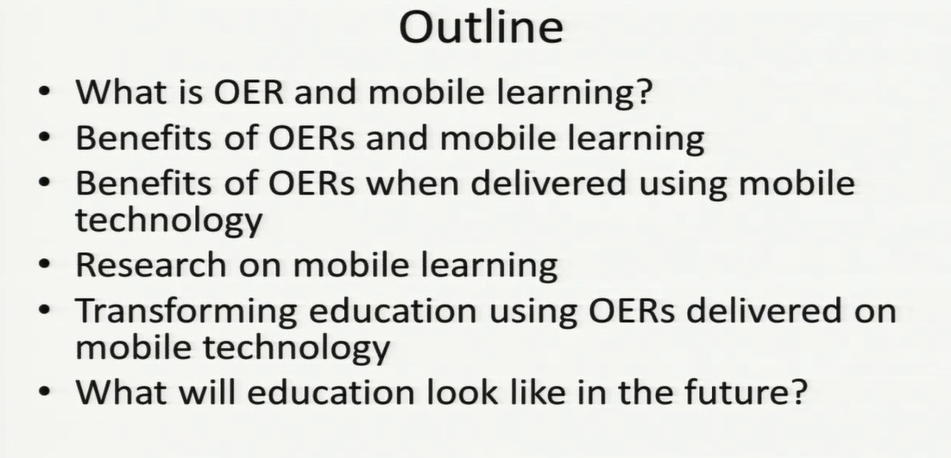
2014 이러닝 국제 콘퍼런스 : Open Education Resources with Mobile Learning to Transform Education
한국교육학술정보원 Mohamed Ally
이 자료와 함께 이용한 RISS 자료
나만을 위한 추천자료
로그인하고 관련된 다양한 학술자료를 확인해 보세요.
로그인

