 국립중앙도서관 "우편 복사 서비스"로 연결 됩니다.


In this study, social and cognitive competencies were defined as outcomes of self-regulation. Social competence enables children to comply with social demands, which is indicated by reports of children's adaptive emotional and behavioral expressions,...
다국어 입력
あ
ぁ
か
が
さ
ざ
た
だ
な
は
ば
ぱ
ま
や
ゃ
ら
わ
ゎ
ん
い
ぃ
き
ぎ
し
じ
ち
ぢ
に
ひ
び
ぴ
み
り
う
ぅ
く
ぐ
す
ず
つ
づ
っ
ぬ
ふ
ぶ
ぷ
む
ゆ
ゅ
る
え
ぇ
け
げ
せ
ぜ
て
で
ね
へ
べ
ぺ
め
れ
お
ぉ
こ
ご
そ
ぞ
と
ど
の
ほ
ぼ
ぽ
も
よ
ょ
ろ
を
ア
ァ
カ
サ
ザ
タ
ダ
ナ
ハ
バ
パ
マ
ヤ
ャ
ラ
ワ
ヮ
ン
イ
ィ
キ
ギ
シ
ジ
チ
ヂ
ニ
ヒ
ビ
ピ
ミ
リ
ウ
ゥ
ク
グ
ス
ズ
ツ
ヅ
ッ
ヌ
フ
ブ
プ
ム
ユ
ュ
ル
エ
ェ
ケ
ゲ
セ
ゼ
テ
デ
ヘ
ベ
ペ
メ
レ
オ
ォ
コ
ゴ
ソ
ゾ
ト
ド
ノ
ホ
ボ
ポ
モ
ヨ
ョ
ロ
ヲ
―
http://chineseinput.net/에서 pinyin(병음)방식으로 중국어를 변환할 수 있습니다.
변환된 중국어를 복사하여 사용하시면 됩니다.
예시)
- 中文 을 입력하시려면 zhongwen을 입력하시고 space를누르시면됩니다.
- 北京 을 입력하시려면 beijing을 입력하시고 space를 누르시면 됩니다.
А
Б
В
Г
Д
Е
Ё
Ж
З
И
Й
К
Л
М
Н
О
П
Р
С
Т
У
Ф
Х
Ц
Ч
Ш
Щ
Ъ
Ы
Ь
Э
Ю
Я
а
б
в
г
д
е
ё
ж
з
и
й
к
л
м
н
о
п
р
с
т
у
ф
х
ц
ч
ш
щ
ъ
ы
ь
э
ю
я
′
″
℃
Å
¢
£
¥
¤
℉
‰
$
%
F
₩
㎕
㎖
㎗
ℓ
㎘
㏄
㎣
㎤
㎥
㎦
㎙
㎚
㎛
㎜
㎝
㎞
㎟
㎠
㎡
㎢
㏊
㎍
㎎
㎏
㏏
㎈
㎉
㏈
㎧
㎨
㎰
㎱
㎲
㎳
㎴
㎵
㎶
㎷
㎸
㎹
㎀
㎁
㎂
㎃
㎄
㎺
㎻
㎽
㎾
㎿
㎐
㎑
㎒
㎓
㎔
Ω
㏀
㏁
㎊
㎋
㎌
㏖
㏅
㎭
㎮
㎯
㏛
㎩
㎪
㎫
㎬
㏝
㏐
㏓
㏃
㏉
㏜
㏆

RISS 인기검색어
https://www.riss.kr/link?id=T10561581
- 저자
-
발행사항
[S.l.]: University of Maryland College Park 2001
-
학위수여대학
University of Maryland College Park
-
수여연도
2001
-
작성언어
영어
- 주제어
-
학위
Ph.D.
-
페이지수
267 p.
-
지도교수/심사위원
Chair: Patricia A. Alexander.
-
0
상세조회 -
0
다운로드
부가정보
다국어 초록 (Multilingual Abstract)

In this study, social and cognitive competencies were defined as outcomes of self-regulation. Social competence enables children to comply with social demands, which is indicated by reports of children's adaptive emotional and behavioral expressions, appropriate self-control and interpersonal skills, and proper academic learning habits. Cognitive competence refers to children's skills at solving school-valued tasks and is interchangeable with academic achievement.
The overarching goal of this study was to explore factors related to the optimal learning and development of young children. To achieve this end, this project was based on data from the <italic>Early Childhood Longitudinal Study-Kindergarten Class 1998</italic>/<italic>1999</italic>. Three related questions were examined: (a) what are the characteristics of children rated similarly or differently by teachers and parents for social competence? (b) what is the relationship between kindergartners' teacher-rated social competence and their assessed cognitive competence? and (c) what are the effects of teacher-reported didactic or child-centered instructional practices on boys' and girls' accessed cognitive competence and teacher-reported social competence?.
The results of this investigation revealed that teachers rated the social competence of academically competent children higher than did parents. Teachers also held more positive perceptions of girls' and Asian American children's social competence and more negative perceptions of boys' and African American children's social competence than did parents. Data also revealed that children's cognitive competence predicted their subsequent competence in various social areas, such as approaches to learning. By comparison, children's approaches to learning predicted their subsequent academic performances, especially their approaches to learning and internalizing problem behavior. However, self-control, social interaction, externalizing problem behavior, and internalizing problem behavior failed to predict children's academic competence. Finally, data showed that didactic approaches were strongly associated with children's learning to read than were child-centered approaches. Instead, child-centered approaches were found to be more strongly linked with children's acquisitions of general knowledge than were didactic approaches. Overall, results suggested that children's academic and social competencies are interrelated; thereby influencing each other. In addition, instructional orientations may well influence children's learning in different academic areas.
The overarching goal of this study was to explore factors related to the optimal learning and development of young children. To achieve this end, this project was based on data from the <italic>Early Childhood Longitudinal Study-Kindergarten Class 1998</italic>/<italic>1999</italic>. Three related questions were examined: (a) what are the characteristics of children rated similarly or differently by teachers and parents for social competence? (b) what is the relationship between kindergartners' teacher-rated social competence and their assessed cognitive competence? and (c) what are the effects of teacher-reported didactic or child-centered instructional practices on boys' and girls' accessed cognitive competence and teacher-reported social competence?.
The results of this investigation revealed that teachers rated the social competence of academically competent children higher than did parents. Teachers also held more positive perceptions of girls' and Asian American children's social competence and more negative perceptions of boys' and African American children's social competence than did parents. Data also revealed that children's cognitive competence predicted their subsequent competence in various social areas, such as approaches to learning. By comparison, children's approaches to learning predicted their subsequent academic performances, especially their approaches to learning and internalizing problem behavior. However, self-control, social interaction, externalizing problem behavior, and internalizing problem behavior failed to predict children's academic competence. Finally, data showed that didactic approaches were strongly associated with children's learning to read than were child-centered approaches. Instead, child-centered approaches were found to be more strongly linked with children's acquisitions of general knowledge than were didactic approaches. Overall, results suggested that children's academic and social competencies are interrelated; thereby influencing each other. In addition, instructional orientations may well influence children's learning in different academic areas.
In this study, social and cognitive competencies were defined as outcomes of self-regulation. Social competence enables children to comply with social demands, which is indicated by reports of children's adaptive emotional and behavioral expressions, appropriate self-control and interpersonal skills, and proper academic learning habits. Cognitive competence refers to children's skills at solving school-valued tasks and is interchangeable with academic achievement.
The overarching goal of this study was to explore factors related to the optimal learning and development of young children. To achieve this end, this project was based on data from the <italic>Early Childhood Longitudinal Study-Kindergarten Class 1998</italic>/<italic>1999</italic>. Three related questions were examined: (a) what are the characteristics of children rated similarly or differently by teachers and parents for social competence? (b) what is the relationship between kindergartners' teacher-rated social competence and their assessed cognitive competence? and (c) what are the effects of teacher-reported didactic or child-centered instructional practices on boys' and girls' accessed cognitive competence and teacher-reported social competence?.
The results of this investigation revealed that teachers rated the social competence of academically competent children higher than did parents. Teachers also held more positive perceptions of girls' and Asian American children's social competence and more negative perceptions of boys' and African American children's social competence than did parents. Data also revealed that children's cognitive competence predicted their subsequent competence in various social areas, such as approaches to learning. By comparison, children's approaches to learning predicted their subsequent academic performances, especially their approaches to learning and internalizing problem behavior. However, self-control, social interaction, externalizing problem behavior, and internalizing problem behavior failed to predict children's academic competence. Finally, data showed that didactic approaches were strongly associated with children's learning to read than were child-centered approaches. Instead, child-centered approaches were found to be more strongly linked with children's acquisitions of general knowledge than were didactic approaches. Overall, results suggested that children's academic and social competencies are interrelated; thereby influencing each other. In addition, instructional orientations may well influence children's learning in different academic areas.
분석정보
연관 공개강의(KOCW)
-

Developments in 14-19: Institute of Education
Teachers TV Teachers TV -
Education Policy at the Party Conferences
Teachers TV Teachers TV -
Personal Finance Education: The Money Quiz
Teachers TV Teachers TV -
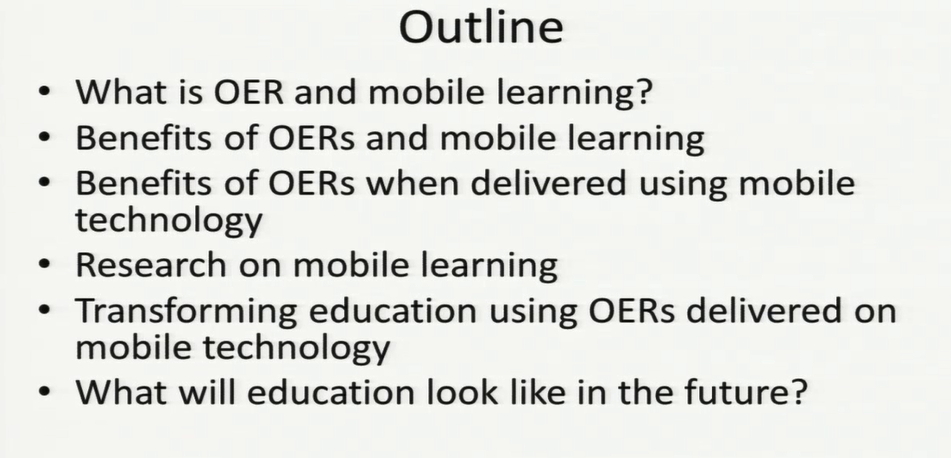
2014 이러닝 국제 콘퍼런스 : Open Education Resources with Mobile Learning to Transform Education
한국교육학술정보원 Mohamed Ally -
Early Sex Education: The Debate
Teachers TV Teachers TV
이 자료와 함께 이용한 RISS 자료
나만을 위한 추천자료


