 국립중앙도서관 "우편 복사 서비스"로 연결 됩니다.


This case study is based on 51 critical incidents of managerial decision making in one pharmaceutical company. The purpose of the study was to acquire greater insight into how managers acquire informal learning while they are involved in making decis...
다국어 입력
あ
ぁ
か
が
さ
ざ
た
だ
な
は
ば
ぱ
ま
や
ゃ
ら
わ
ゎ
ん
い
ぃ
き
ぎ
し
じ
ち
ぢ
に
ひ
び
ぴ
み
り
う
ぅ
く
ぐ
す
ず
つ
づ
っ
ぬ
ふ
ぶ
ぷ
む
ゆ
ゅ
る
え
ぇ
け
げ
せ
ぜ
て
で
ね
へ
べ
ぺ
め
れ
お
ぉ
こ
ご
そ
ぞ
と
ど
の
ほ
ぼ
ぽ
も
よ
ょ
ろ
を
ア
ァ
カ
サ
ザ
タ
ダ
ナ
ハ
バ
パ
マ
ヤ
ャ
ラ
ワ
ヮ
ン
イ
ィ
キ
ギ
シ
ジ
チ
ヂ
ニ
ヒ
ビ
ピ
ミ
リ
ウ
ゥ
ク
グ
ス
ズ
ツ
ヅ
ッ
ヌ
フ
ブ
プ
ム
ユ
ュ
ル
エ
ェ
ケ
ゲ
セ
ゼ
テ
デ
ヘ
ベ
ペ
メ
レ
オ
ォ
コ
ゴ
ソ
ゾ
ト
ド
ノ
ホ
ボ
ポ
モ
ヨ
ョ
ロ
ヲ
―
http://chineseinput.net/에서 pinyin(병음)방식으로 중국어를 변환할 수 있습니다.
변환된 중국어를 복사하여 사용하시면 됩니다.
예시)
- 中文 을 입력하시려면 zhongwen을 입력하시고 space를누르시면됩니다.
- 北京 을 입력하시려면 beijing을 입력하시고 space를 누르시면 됩니다.
А
Б
В
Г
Д
Е
Ё
Ж
З
И
Й
К
Л
М
Н
О
П
Р
С
Т
У
Ф
Х
Ц
Ч
Ш
Щ
Ъ
Ы
Ь
Э
Ю
Я
а
б
в
г
д
е
ё
ж
з
и
й
к
л
м
н
о
п
р
с
т
у
ф
х
ц
ч
ш
щ
ъ
ы
ь
э
ю
я
′
″
℃
Å
¢
£
¥
¤
℉
‰
$
%
F
₩
㎕
㎖
㎗
ℓ
㎘
㏄
㎣
㎤
㎥
㎦
㎙
㎚
㎛
㎜
㎝
㎞
㎟
㎠
㎡
㎢
㏊
㎍
㎎
㎏
㏏
㎈
㎉
㏈
㎧
㎨
㎰
㎱
㎲
㎳
㎴
㎵
㎶
㎷
㎸
㎹
㎀
㎁
㎂
㎃
㎄
㎺
㎻
㎽
㎾
㎿
㎐
㎑
㎒
㎓
㎔
Ω
㏀
㏁
㎊
㎋
㎌
㏖
㏅
㎭
㎮
㎯
㏛
㎩
㎪
㎫
㎬
㏝
㏐
㏓
㏃
㏉
㏜
㏆
https://www.riss.kr/link?id=T10558902
- 저자
-
발행사항
[S.l.]: Columbia University Teachers College 2001
-
학위수여대학
Columbia University Teachers College
-
수여연도
2001
-
작성언어
영어
- 주제어
-
학위
Ed.D.
-
페이지수
290 p.
-
지도교수/심사위원
Sponsor: Victoria Marsick.
-
0
상세조회 -
0
다운로드
소속기관이 구독 중이 아닌 경우 오후 4시부터 익일 오전 9시까지 원문보기가 가능합니다.
부가정보
다국어 초록 (Multilingual Abstract)

This case study is based on 51 critical incidents of managerial decision making in one pharmaceutical company. The purpose of the study was to acquire greater insight into how managers acquire informal learning while they are involved in making decisions. Through better understanding of the inter-related processes of thinking and action by which learning and decision-making occur, opportunities were found for the organization to better support and facilitate such learning in the future.
The first research question (What were the informal learning strategies that managers deployed during the decision-making process?) highlighted an array of innovative but subconscious learning strategies and activities. In response to the second research question (What processes were taking place during informal learning?) there was also a difference in emphasis between the stages of learning in a personal decision and a policy decision. The third research question (What organizational factors facilitated or impeded the content and process of individual learning?) revealed the importance of context to learning. Organizational experiences were formational for new and experienced managers, alike. Female participants found they had more to learn about how to gain confidence and ensure that senior management listened to them.
The findings were examined using a model of reflective learning from experience, both intentional and incidental. The model incorporates three stages of learning: preparation, experience and reflective processes. Managers' decisions ranged the spectrum from serious micro, individual decisions to broader wider impacting macro decisions primarily on the deployment of corporate resources. Decisions were made in the context of a changing market sector as hospitals became units within large centralized purchasing structures. Managers were clearly involved informally in self-directed learning activities that helped them to make a choice and substantiate their case.
Raising awareness of the subconscious learning process and its input to the more apparent decision-making process provides benefits for practitioners in the field of HRD, particularly those involved in executive coaching, action learning and team building. Further learning—leading to better quality decisions—could be achieved by understanding the learning process itself to make the organization more of a natural learning environment. Learning can be facilitated through an active attempt to enable the manager to reflect on his or her thinking about the decision to create potential learning. By encouraging individuals to review the rational and non-rational constituents of important decisions, the HRD practitioner can enable the individual to surface and make meaning of past learning, and review how it may be applied to the new situation.
The first research question (What were the informal learning strategies that managers deployed during the decision-making process?) highlighted an array of innovative but subconscious learning strategies and activities. In response to the second research question (What processes were taking place during informal learning?) there was also a difference in emphasis between the stages of learning in a personal decision and a policy decision. The third research question (What organizational factors facilitated or impeded the content and process of individual learning?) revealed the importance of context to learning. Organizational experiences were formational for new and experienced managers, alike. Female participants found they had more to learn about how to gain confidence and ensure that senior management listened to them.
The findings were examined using a model of reflective learning from experience, both intentional and incidental. The model incorporates three stages of learning: preparation, experience and reflective processes. Managers' decisions ranged the spectrum from serious micro, individual decisions to broader wider impacting macro decisions primarily on the deployment of corporate resources. Decisions were made in the context of a changing market sector as hospitals became units within large centralized purchasing structures. Managers were clearly involved informally in self-directed learning activities that helped them to make a choice and substantiate their case.
Raising awareness of the subconscious learning process and its input to the more apparent decision-making process provides benefits for practitioners in the field of HRD, particularly those involved in executive coaching, action learning and team building. Further learning—leading to better quality decisions—could be achieved by understanding the learning process itself to make the organization more of a natural learning environment. Learning can be facilitated through an active attempt to enable the manager to reflect on his or her thinking about the decision to create potential learning. By encouraging individuals to review the rational and non-rational constituents of important decisions, the HRD practitioner can enable the individual to surface and make meaning of past learning, and review how it may be applied to the new situation.
This case study is based on 51 critical incidents of managerial decision making in one pharmaceutical company. The purpose of the study was to acquire greater insight into how managers acquire informal learning while they are involved in making decisions. Through better understanding of the inter-related processes of thinking and action by which learning and decision-making occur, opportunities were found for the organization to better support and facilitate such learning in the future.
The first research question (What were the informal learning strategies that managers deployed during the decision-making process?) highlighted an array of innovative but subconscious learning strategies and activities. In response to the second research question (What processes were taking place during informal learning?) there was also a difference in emphasis between the stages of learning in a personal decision and a policy decision. The third research question (What organizational factors facilitated or impeded the content and process of individual learning?) revealed the importance of context to learning. Organizational experiences were formational for new and experienced managers, alike. Female participants found they had more to learn about how to gain confidence and ensure that senior management listened to them.
The findings were examined using a model of reflective learning from experience, both intentional and incidental. The model incorporates three stages of learning: preparation, experience and reflective processes. Managers' decisions ranged the spectrum from serious micro, individual decisions to broader wider impacting macro decisions primarily on the deployment of corporate resources. Decisions were made in the context of a changing market sector as hospitals became units within large centralized purchasing structures. Managers were clearly involved informally in self-directed learning activities that helped them to make a choice and substantiate their case.
Raising awareness of the subconscious learning process and its input to the more apparent decision-making process provides benefits for practitioners in the field of HRD, particularly those involved in executive coaching, action learning and team building. Further learning—leading to better quality decisions—could be achieved by understanding the learning process itself to make the organization more of a natural learning environment. Learning can be facilitated through an active attempt to enable the manager to reflect on his or her thinking about the decision to create potential learning. By encouraging individuals to review the rational and non-rational constituents of important decisions, the HRD practitioner can enable the individual to surface and make meaning of past learning, and review how it may be applied to the new situation.
분석정보
연관 공개강의(KOCW)
-

Education Policy at the Party Conferences
Teachers TV Teachers TV -
2014 이러닝 국제 콘퍼런스 : What is the Lessons from Education Support Project~
한국교육정보진흥협회 Boseon, Kim -
Alcohol Education: Here's What We Want
Teachers TV Teachers TV -
Further Education: Work Experience
Teachers TV Teachers TV -
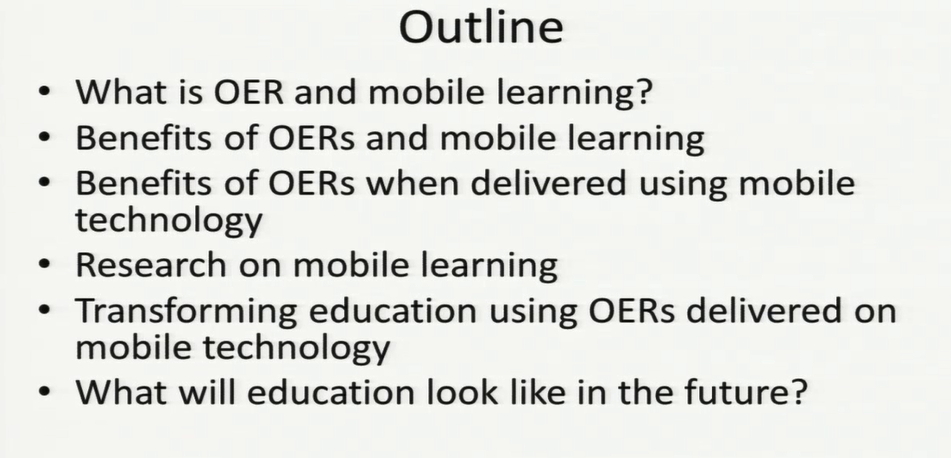
2014 이러닝 국제 콘퍼런스 : Open Education Resources with Mobile Learning to Transform Education
한국교육학술정보원 Mohamed Ally
이 자료와 함께 이용한 RISS 자료
나만을 위한 추천자료


