 국립중앙도서관 "우편 복사 서비스"로 연결 됩니다.


Problem-based learning (PBL) is an educational approach where a purposefully ill-structured problem initiates learning and the teacher serves as a coach instead of an information repository (Gallagher & Stepien, 1996). This approach is becoming a...
다국어 입력
あ
ぁ
か
が
さ
ざ
た
だ
な
は
ば
ぱ
ま
や
ゃ
ら
わ
ゎ
ん
い
ぃ
き
ぎ
し
じ
ち
ぢ
に
ひ
び
ぴ
み
り
う
ぅ
く
ぐ
す
ず
つ
づ
っ
ぬ
ふ
ぶ
ぷ
む
ゆ
ゅ
る
え
ぇ
け
げ
せ
ぜ
て
で
ね
へ
べ
ぺ
め
れ
お
ぉ
こ
ご
そ
ぞ
と
ど
の
ほ
ぼ
ぽ
も
よ
ょ
ろ
を
ア
ァ
カ
サ
ザ
タ
ダ
ナ
ハ
バ
パ
マ
ヤ
ャ
ラ
ワ
ヮ
ン
イ
ィ
キ
ギ
シ
ジ
チ
ヂ
ニ
ヒ
ビ
ピ
ミ
リ
ウ
ゥ
ク
グ
ス
ズ
ツ
ヅ
ッ
ヌ
フ
ブ
プ
ム
ユ
ュ
ル
エ
ェ
ケ
ゲ
セ
ゼ
テ
デ
ヘ
ベ
ペ
メ
レ
オ
ォ
コ
ゴ
ソ
ゾ
ト
ド
ノ
ホ
ボ
ポ
モ
ヨ
ョ
ロ
ヲ
―
http://chineseinput.net/에서 pinyin(병음)방식으로 중국어를 변환할 수 있습니다.
변환된 중국어를 복사하여 사용하시면 됩니다.
예시)
- 中文 을 입력하시려면 zhongwen을 입력하시고 space를누르시면됩니다.
- 北京 을 입력하시려면 beijing을 입력하시고 space를 누르시면 됩니다.
А
Б
В
Г
Д
Е
Ё
Ж
З
И
Й
К
Л
М
Н
О
П
Р
С
Т
У
Ф
Х
Ц
Ч
Ш
Щ
Ъ
Ы
Ь
Э
Ю
Я
а
б
в
г
д
е
ё
ж
з
и
й
к
л
м
н
о
п
р
с
т
у
ф
х
ц
ч
ш
щ
ъ
ы
ь
э
ю
я
′
″
℃
Å
¢
£
¥
¤
℉
‰
$
%
F
₩
㎕
㎖
㎗
ℓ
㎘
㏄
㎣
㎤
㎥
㎦
㎙
㎚
㎛
㎜
㎝
㎞
㎟
㎠
㎡
㎢
㏊
㎍
㎎
㎏
㏏
㎈
㎉
㏈
㎧
㎨
㎰
㎱
㎲
㎳
㎴
㎵
㎶
㎷
㎸
㎹
㎀
㎁
㎂
㎃
㎄
㎺
㎻
㎽
㎾
㎿
㎐
㎑
㎒
㎓
㎔
Ω
㏀
㏁
㎊
㎋
㎌
㏖
㏅
㎭
㎮
㎯
㏛
㎩
㎪
㎫
㎬
㏝
㏐
㏓
㏃
㏉
㏜
㏆
https://www.riss.kr/link?id=T10558284
- 저자
-
발행사항
[S.l.]: Indiana University 2001
-
학위수여대학
Indiana University
-
수여연도
2001
-
작성언어
영어
- 주제어
-
학위
Ph.D.
-
페이지수
197 p.
-
지도교수/심사위원
Chair: Hans O. Andersen.
-
0
상세조회 -
0
다운로드
부가정보
다국어 초록 (Multilingual Abstract)

Problem-based learning (PBL) is an educational approach where a purposefully ill-structured problem initiates learning and the teacher serves as a coach instead of an information repository (Gallagher & Stepien, 1996). This approach is becoming a very popular curricular innovation, especially at the middle and secondary levels. PBL is necessarily interdisciplinary: By modeling real-world problems, which are seldom unidisciplinary, students are required to cross the traditional disciplinary boundaries in their quest to solve the problem. PBL is also based upon the theories of situated cognition, which posit that transfer occurs infrequently and that learning requires situation-specific competence (Brown, Collins, & Duguid, 1989; Plucker & Nowak, 2000; Resnick, 1987). Rather than present students with information that they may or may not be able to use to solve problems, situated cognition stresses that knowledge should be presented in context, preferably in a problem-solving scenario (Plucker & Nowak, 2000). In addition, PBL is consistent with the principles of constructivism (Savery & Duffy, 1995).
Several questions have been raised about the appropriateness of using PBL in the K–12 classroom setting. The purpose of this study is to specifically address whether or not students learn as much via PBL techniques as they do in traditional classroom settings. This was accomplished by comparing two eighth grade gifted and talented science classes in a Midwest public middle school. Focused observations, interviews, test score analyses, and document analyses were incorporated into this study.
Test score analyses of pretest and posttests indicate that students in a teacher-directed classroom learn factual content at a higher rate than students learning via a PBL instructional approach. Students engaged in PBL, however, have better retention than those who learn under a teacher-directed instructional approach. Interview analyses indicate that students favor learning via PBL, but many students suggest that embedding teacher-directed lessons within a PBL unit would benefit the students more than an exclusively PBL-based curriculum.
Several questions have been raised about the appropriateness of using PBL in the K–12 classroom setting. The purpose of this study is to specifically address whether or not students learn as much via PBL techniques as they do in traditional classroom settings. This was accomplished by comparing two eighth grade gifted and talented science classes in a Midwest public middle school. Focused observations, interviews, test score analyses, and document analyses were incorporated into this study.
Test score analyses of pretest and posttests indicate that students in a teacher-directed classroom learn factual content at a higher rate than students learning via a PBL instructional approach. Students engaged in PBL, however, have better retention than those who learn under a teacher-directed instructional approach. Interview analyses indicate that students favor learning via PBL, but many students suggest that embedding teacher-directed lessons within a PBL unit would benefit the students more than an exclusively PBL-based curriculum.
Problem-based learning (PBL) is an educational approach where a purposefully ill-structured problem initiates learning and the teacher serves as a coach instead of an information repository (Gallagher & Stepien, 1996). This approach is becoming a very popular curricular innovation, especially at the middle and secondary levels. PBL is necessarily interdisciplinary: By modeling real-world problems, which are seldom unidisciplinary, students are required to cross the traditional disciplinary boundaries in their quest to solve the problem. PBL is also based upon the theories of situated cognition, which posit that transfer occurs infrequently and that learning requires situation-specific competence (Brown, Collins, & Duguid, 1989; Plucker & Nowak, 2000; Resnick, 1987). Rather than present students with information that they may or may not be able to use to solve problems, situated cognition stresses that knowledge should be presented in context, preferably in a problem-solving scenario (Plucker & Nowak, 2000). In addition, PBL is consistent with the principles of constructivism (Savery & Duffy, 1995).
Several questions have been raised about the appropriateness of using PBL in the K–12 classroom setting. The purpose of this study is to specifically address whether or not students learn as much via PBL techniques as they do in traditional classroom settings. This was accomplished by comparing two eighth grade gifted and talented science classes in a Midwest public middle school. Focused observations, interviews, test score analyses, and document analyses were incorporated into this study.
Test score analyses of pretest and posttests indicate that students in a teacher-directed classroom learn factual content at a higher rate than students learning via a PBL instructional approach. Students engaged in PBL, however, have better retention than those who learn under a teacher-directed instructional approach. Interview analyses indicate that students favor learning via PBL, but many students suggest that embedding teacher-directed lessons within a PBL unit would benefit the students more than an exclusively PBL-based curriculum.
분석정보
연관 공개강의(KOCW)
-

Education Policy at the Party Conferences
Teachers TV Teachers TV -
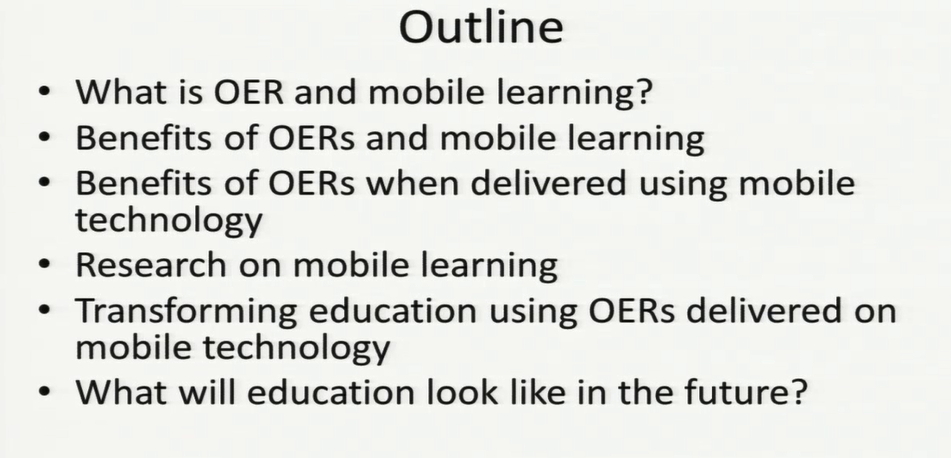
2014 이러닝 국제 콘퍼런스 : Open Education Resources with Mobile Learning to Transform Education
한국교육학술정보원 Mohamed Ally -
Personal Finance Education: The Money Quiz
Teachers TV Teachers TV -
Early Sex Education: The Debate
Teachers TV Teachers TV -
2014 이러닝 국제 콘퍼런스 : What is the Lessons from Education Support Project~
한국교육정보진흥협회 Boseon, Kim
이 자료와 함께 이용한 RISS 자료
나만을 위한 추천자료


