 국립중앙도서관 "우편 복사 서비스"로 연결 됩니다.


The inclusion of children with high-functioning autism in regular classes is often advocated, with the intention of improving the children's repertoire of social skills, and their acceptance by typical peers. However, unsatisfactory integration into ...
다국어 입력
あ
ぁ
か
が
さ
ざ
た
だ
な
は
ば
ぱ
ま
や
ゃ
ら
わ
ゎ
ん
い
ぃ
き
ぎ
し
じ
ち
ぢ
に
ひ
び
ぴ
み
り
う
ぅ
く
ぐ
す
ず
つ
づ
っ
ぬ
ふ
ぶ
ぷ
む
ゆ
ゅ
る
え
ぇ
け
げ
せ
ぜ
て
で
ね
へ
べ
ぺ
め
れ
お
ぉ
こ
ご
そ
ぞ
と
ど
の
ほ
ぼ
ぽ
も
よ
ょ
ろ
を
ア
ァ
カ
サ
ザ
タ
ダ
ナ
ハ
バ
パ
マ
ヤ
ャ
ラ
ワ
ヮ
ン
イ
ィ
キ
ギ
シ
ジ
チ
ヂ
ニ
ヒ
ビ
ピ
ミ
リ
ウ
ゥ
ク
グ
ス
ズ
ツ
ヅ
ッ
ヌ
フ
ブ
プ
ム
ユ
ュ
ル
エ
ェ
ケ
ゲ
セ
ゼ
テ
デ
ヘ
ベ
ペ
メ
レ
オ
ォ
コ
ゴ
ソ
ゾ
ト
ド
ノ
ホ
ボ
ポ
モ
ヨ
ョ
ロ
ヲ
―
http://chineseinput.net/에서 pinyin(병음)방식으로 중국어를 변환할 수 있습니다.
변환된 중국어를 복사하여 사용하시면 됩니다.
예시)
- 中文 을 입력하시려면 zhongwen을 입력하시고 space를누르시면됩니다.
- 北京 을 입력하시려면 beijing을 입력하시고 space를 누르시면 됩니다.
А
Б
В
Г
Д
Е
Ё
Ж
З
И
Й
К
Л
М
Н
О
П
Р
С
Т
У
Ф
Х
Ц
Ч
Ш
Щ
Ъ
Ы
Ь
Э
Ю
Я
а
б
в
г
д
е
ё
ж
з
и
й
к
л
м
н
о
п
р
с
т
у
ф
х
ц
ч
ш
щ
ъ
ы
ь
э
ю
я
′
″
℃
Å
¢
£
¥
¤
℉
‰
$
%
F
₩
㎕
㎖
㎗
ℓ
㎘
㏄
㎣
㎤
㎥
㎦
㎙
㎚
㎛
㎜
㎝
㎞
㎟
㎠
㎡
㎢
㏊
㎍
㎎
㎏
㏏
㎈
㎉
㏈
㎧
㎨
㎰
㎱
㎲
㎳
㎴
㎵
㎶
㎷
㎸
㎹
㎀
㎁
㎂
㎃
㎄
㎺
㎻
㎽
㎾
㎿
㎐
㎑
㎒
㎓
㎔
Ω
㏀
㏁
㎊
㎋
㎌
㏖
㏅
㎭
㎮
㎯
㏛
㎩
㎪
㎫
㎬
㏝
㏐
㏓
㏃
㏉
㏜
㏆

RISS 인기검색어
Isolation or involvement? The social networks of children with autism included in regular classes.
한글로보기https://www.riss.kr/link?id=T10557109
- 저자
-
발행사항
[S.l.]: University of California, Los Angeles 2001
-
학위수여대학
University of California, Los Angeles
-
수여연도
2001
-
작성언어
영어
- 주제어
-
학위
Ph.D.
-
페이지수
111 p.
-
지도교수/심사위원
Chair: Connie Kasari.
-
0
상세조회 -
0
다운로드
부가정보
다국어 초록 (Multilingual Abstract)

The inclusion of children with high-functioning autism in regular classes is often advocated, with the intention of improving the children's repertoire of social skills, and their acceptance by typical peers. However, unsatisfactory integration into the classroom social networks could jeopardize the proposed benefits of inclusion, possibly increasing the risks of isolation, peer rejection, loneliness, and poor quality friendships. In this study, social network clustering methods were used to characterize children's involvement, or “centrality”, in classroom social structures. Social network data were gathered on 14 children with high-functioning autism (11 boys), and 250 non-autistic classmates (120 boys), in regular 2<super>nd</super> to 4<super>th</super> grade classes. The participants with autism and 186 classmates (81 boys) also completed self-report data on friendship qualities and loneliness, and made friendship nominations. 14 same-gender peers (11 boys), one randomly selected from each class, formed a comparison group. Peer clusters and centrality measures indicated that, although children with autism were not isolated, they were generally less prominent than peers in the social networks. In addition, the autistic group showed lower levels of peer acceptance, companionship, and reciprocal friendships than their peers; yet they reported no greater experiences of loneliness. There was wide variation in social network centrality, from nuclear to peripheral; one child with autism received the highest centrality score in her class. Generally, however, the children with autism tended to demonstrate a lack of social awareness, an obliviousness to social cues, that could even serve as a protective factor. Children with autism saw themselves as more socially involved than their peers did; they nominated more friends than nominated them; and their loneliness scores were unrelated to their social network centrality levels. Classmates' efforts to involve a child with autism may backfire if the child comes to be seen as a burden; however, peer groups providing a broad base of social network support may be more resilient in helping fulfill the developmental functions of friendship. Future research is needed to focus on fostering the development of network supports over time, to help bring peripherally involved children into rich patterns of social interaction.
The inclusion of children with high-functioning autism in regular classes is often advocated, with the intention of improving the children's repertoire of social skills, and their acceptance by typical peers. However, unsatisfactory integration into the classroom social networks could jeopardize the proposed benefits of inclusion, possibly increasing the risks of isolation, peer rejection, loneliness, and poor quality friendships. In this study, social network clustering methods were used to characterize children's involvement, or “centrality”, in classroom social structures. Social network data were gathered on 14 children with high-functioning autism (11 boys), and 250 non-autistic classmates (120 boys), in regular 2<super>nd</super> to 4<super>th</super> grade classes. The participants with autism and 186 classmates (81 boys) also completed self-report data on friendship qualities and loneliness, and made friendship nominations. 14 same-gender peers (11 boys), one randomly selected from each class, formed a comparison group. Peer clusters and centrality measures indicated that, although children with autism were not isolated, they were generally less prominent than peers in the social networks. In addition, the autistic group showed lower levels of peer acceptance, companionship, and reciprocal friendships than their peers; yet they reported no greater experiences of loneliness. There was wide variation in social network centrality, from nuclear to peripheral; one child with autism received the highest centrality score in her class. Generally, however, the children with autism tended to demonstrate a lack of social awareness, an obliviousness to social cues, that could even serve as a protective factor. Children with autism saw themselves as more socially involved than their peers did; they nominated more friends than nominated them; and their loneliness scores were unrelated to their social network centrality levels. Classmates' efforts to involve a child with autism may backfire if the child comes to be seen as a burden; however, peer groups providing a broad base of social network support may be more resilient in helping fulfill the developmental functions of friendship. Future research is needed to focus on fostering the development of network supports over time, to help bring peripherally involved children into rich patterns of social interaction.
분석정보
연관 공개강의(KOCW)
-

Psychology of Adolescence
이화여자대학교 유성경 -

Education Policy at the Party Conferences
Teachers TV Teachers TV -
Early Sex Education: The Debate
Teachers TV Teachers TV -
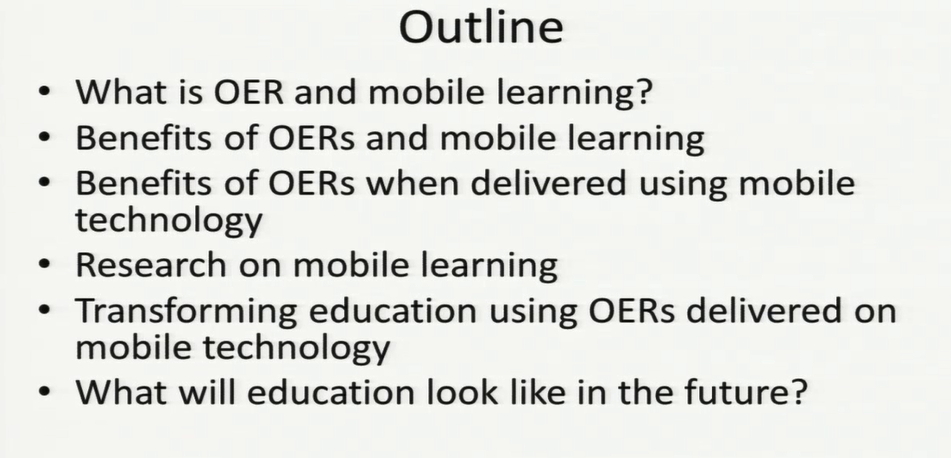
2014 이러닝 국제 콘퍼런스 : Open Education Resources with Mobile Learning to Transform Education
한국교육학술정보원 Mohamed Ally -

Cultural Psychology
K-MOOC 인하대학교 김의철
이 자료와 함께 이용한 RISS 자료
나만을 위한 추천자료


