 국립중앙도서관 "우편 복사 서비스"로 연결 됩니다.


Whole-school reform models are school-level interventions that address multiple aspects of school operations and are intended to improve student performance. This dissertation examines three specific whole-school reform models: the School Development...
다국어 입력
あ
ぁ
か
が
さ
ざ
た
だ
な
は
ば
ぱ
ま
や
ゃ
ら
わ
ゎ
ん
い
ぃ
き
ぎ
し
じ
ち
ぢ
に
ひ
び
ぴ
み
り
う
ぅ
く
ぐ
す
ず
つ
づ
っ
ぬ
ふ
ぶ
ぷ
む
ゆ
ゅ
る
え
ぇ
け
げ
せ
ぜ
て
で
ね
へ
べ
ぺ
め
れ
お
ぉ
こ
ご
そ
ぞ
と
ど
の
ほ
ぼ
ぽ
も
よ
ょ
ろ
を
ア
ァ
カ
サ
ザ
タ
ダ
ナ
ハ
バ
パ
マ
ヤ
ャ
ラ
ワ
ヮ
ン
イ
ィ
キ
ギ
シ
ジ
チ
ヂ
ニ
ヒ
ビ
ピ
ミ
リ
ウ
ゥ
ク
グ
ス
ズ
ツ
ヅ
ッ
ヌ
フ
ブ
プ
ム
ユ
ュ
ル
エ
ェ
ケ
ゲ
セ
ゼ
テ
デ
ヘ
ベ
ペ
メ
レ
オ
ォ
コ
ゴ
ソ
ゾ
ト
ド
ノ
ホ
ボ
ポ
モ
ヨ
ョ
ロ
ヲ
―
http://chineseinput.net/에서 pinyin(병음)방식으로 중국어를 변환할 수 있습니다.
변환된 중국어를 복사하여 사용하시면 됩니다.
예시)
- 中文 을 입력하시려면 zhongwen을 입력하시고 space를누르시면됩니다.
- 北京 을 입력하시려면 beijing을 입력하시고 space를 누르시면 됩니다.
А
Б
В
Г
Д
Е
Ё
Ж
З
И
Й
К
Л
М
Н
О
П
Р
С
Т
У
Ф
Х
Ц
Ч
Ш
Щ
Ъ
Ы
Ь
Э
Ю
Я
а
б
в
г
д
е
ё
ж
з
и
й
к
л
м
н
о
п
р
с
т
у
ф
х
ц
ч
ш
щ
ъ
ы
ь
э
ю
я
′
″
℃
Å
¢
£
¥
¤
℉
‰
$
%
F
₩
㎕
㎖
㎗
ℓ
㎘
㏄
㎣
㎤
㎥
㎦
㎙
㎚
㎛
㎜
㎝
㎞
㎟
㎠
㎡
㎢
㏊
㎍
㎎
㎏
㏏
㎈
㎉
㏈
㎧
㎨
㎰
㎱
㎲
㎳
㎴
㎵
㎶
㎷
㎸
㎹
㎀
㎁
㎂
㎃
㎄
㎺
㎻
㎽
㎾
㎿
㎐
㎑
㎒
㎓
㎔
Ω
㏀
㏁
㎊
㎋
㎌
㏖
㏅
㎭
㎮
㎯
㏛
㎩
㎪
㎫
㎬
㏝
㏐
㏓
㏃
㏉
㏜
㏆
https://www.riss.kr/link?id=T10556946
- 저자
-
발행사항
[S.l.]: Syracuse University 2001
-
학위수여대학
Syracuse University
-
수여연도
2001
-
작성언어
영어
- 주제어
-
학위
Ph.D.
-
페이지수
328 p.
-
지도교수/심사위원
Adviser: John Yinger.
-
0
상세조회 -
0
다운로드
인용문이 복사되었습니다.
부가정보
다국어 초록 (Multilingual Abstract)

Whole-school reform models are school-level interventions that address multiple aspects of school operations and are intended to improve student performance. This dissertation examines three specific whole-school reform models: the School Development Program, More Effective Schools and Success for All. The primary purpose of the study is to determine the impacts that a school's decision to adopt one of these whole-school reform models has on student academic performance.
In addition to reviewing evidence provided by existing evaluations, the dissertation presents a quasi-experimental evaluation of whole-school reform efforts undertaken in New York City during the mid-1990s. The study sample consists of 47 New York City elementary schools that adopted one of the three whole-school reform models, as well as 42 randomly selected comparison schools. Individual-level panel data on students from each school in the study sample are used to estimate model impacts on reading and math performance. The estimation procedures used, including difference-in-differences-in-differences and instrumental variables, pay careful attention to potential biases created by the self-selected nature of the treatment group.
The study finds that the School Development Program and More Effective Schools had small, positive impacts on student performance in both math and reading. Students who were exposed to the School Development Program beginning in first grade, by fifth grade show average reading scores that were 0.24 standard deviations higher and math scores that were 0.21 standard deviations higher than we might have expected in the absence of model adoption. Students exposed to More Effective Schools beginning in first or second grade, by fifth grade show reading scores that are 0.31 standard deviations higher and math scores that are 0.35 standard deviations higher than we would have expected in absence of the model. However, estimated impacts of More Effective Schools several years after adoption are smaller and statistically insignificant suggesting that improvements are not maintained. Statistically significant, positive impacts were not found for Success for All. Implications of the analysis for policy and future research are detailed in the concluding chapter.
In addition to reviewing evidence provided by existing evaluations, the dissertation presents a quasi-experimental evaluation of whole-school reform efforts undertaken in New York City during the mid-1990s. The study sample consists of 47 New York City elementary schools that adopted one of the three whole-school reform models, as well as 42 randomly selected comparison schools. Individual-level panel data on students from each school in the study sample are used to estimate model impacts on reading and math performance. The estimation procedures used, including difference-in-differences-in-differences and instrumental variables, pay careful attention to potential biases created by the self-selected nature of the treatment group.
The study finds that the School Development Program and More Effective Schools had small, positive impacts on student performance in both math and reading. Students who were exposed to the School Development Program beginning in first grade, by fifth grade show average reading scores that were 0.24 standard deviations higher and math scores that were 0.21 standard deviations higher than we might have expected in the absence of model adoption. Students exposed to More Effective Schools beginning in first or second grade, by fifth grade show reading scores that are 0.31 standard deviations higher and math scores that are 0.35 standard deviations higher than we would have expected in absence of the model. However, estimated impacts of More Effective Schools several years after adoption are smaller and statistically insignificant suggesting that improvements are not maintained. Statistically significant, positive impacts were not found for Success for All. Implications of the analysis for policy and future research are detailed in the concluding chapter.
Whole-school reform models are school-level interventions that address multiple aspects of school operations and are intended to improve student performance. This dissertation examines three specific whole-school reform models: the School Development Program, More Effective Schools and Success for All. The primary purpose of the study is to determine the impacts that a school's decision to adopt one of these whole-school reform models has on student academic performance.
In addition to reviewing evidence provided by existing evaluations, the dissertation presents a quasi-experimental evaluation of whole-school reform efforts undertaken in New York City during the mid-1990s. The study sample consists of 47 New York City elementary schools that adopted one of the three whole-school reform models, as well as 42 randomly selected comparison schools. Individual-level panel data on students from each school in the study sample are used to estimate model impacts on reading and math performance. The estimation procedures used, including difference-in-differences-in-differences and instrumental variables, pay careful attention to potential biases created by the self-selected nature of the treatment group.
The study finds that the School Development Program and More Effective Schools had small, positive impacts on student performance in both math and reading. Students who were exposed to the School Development Program beginning in first grade, by fifth grade show average reading scores that were 0.24 standard deviations higher and math scores that were 0.21 standard deviations higher than we might have expected in the absence of model adoption. Students exposed to More Effective Schools beginning in first or second grade, by fifth grade show reading scores that are 0.31 standard deviations higher and math scores that are 0.35 standard deviations higher than we would have expected in absence of the model. However, estimated impacts of More Effective Schools several years after adoption are smaller and statistically insignificant suggesting that improvements are not maintained. Statistically significant, positive impacts were not found for Success for All. Implications of the analysis for policy and future research are detailed in the concluding chapter.
분석정보
연관 공개강의(KOCW)
-

Education Policy at the Party Conferences
Teachers TV Teachers TV -
Alcohol Education: Here's What We Want
Teachers TV Teachers TV -
2014 이러닝 국제 콘퍼런스 : What is the Lessons from Education Support Project~
한국교육정보진흥협회 Boseon, Kim -
Early Sex Education: The Debate
Teachers TV Teachers TV -
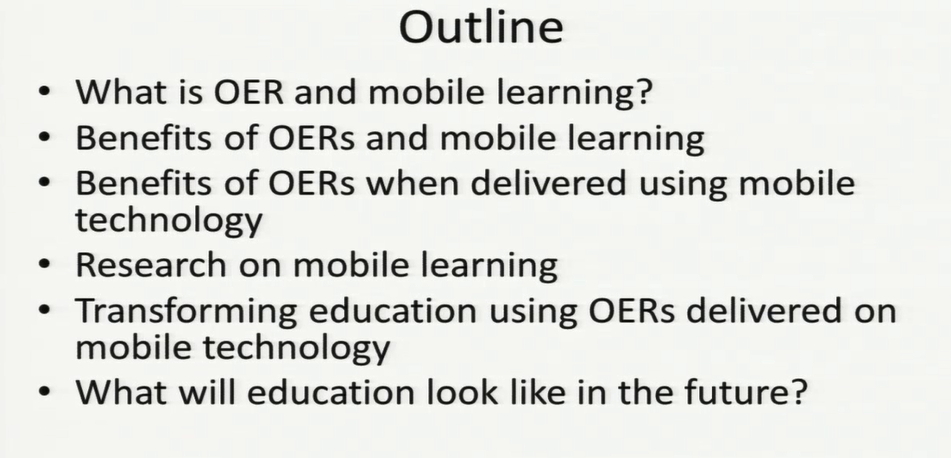
2014 이러닝 국제 콘퍼런스 : Open Education Resources with Mobile Learning to Transform Education
한국교육학술정보원 Mohamed Ally
이 자료와 함께 이용한 RISS 자료
나만을 위한 추천자료


