 국립중앙도서관 "우편 복사 서비스"로 연결 됩니다.


This study identified inter- and intrapersonal issues that differentiated intellectually gifted elementary students (IQ ≥ 130, N = 90, <italic>M </italic> = 10.3) achieving at different levels academically (high, below expectations, an...
다국어 입력
あ
ぁ
か
が
さ
ざ
た
だ
な
は
ば
ぱ
ま
や
ゃ
ら
わ
ゎ
ん
い
ぃ
き
ぎ
し
じ
ち
ぢ
に
ひ
び
ぴ
み
り
う
ぅ
く
ぐ
す
ず
つ
づ
っ
ぬ
ふ
ぶ
ぷ
む
ゆ
ゅ
る
え
ぇ
け
げ
せ
ぜ
て
で
ね
へ
べ
ぺ
め
れ
お
ぉ
こ
ご
そ
ぞ
と
ど
の
ほ
ぼ
ぽ
も
よ
ょ
ろ
を
ア
ァ
カ
サ
ザ
タ
ダ
ナ
ハ
バ
パ
マ
ヤ
ャ
ラ
ワ
ヮ
ン
イ
ィ
キ
ギ
シ
ジ
チ
ヂ
ニ
ヒ
ビ
ピ
ミ
リ
ウ
ゥ
ク
グ
ス
ズ
ツ
ヅ
ッ
ヌ
フ
ブ
プ
ム
ユ
ュ
ル
エ
ェ
ケ
ゲ
セ
ゼ
テ
デ
ヘ
ベ
ペ
メ
レ
オ
ォ
コ
ゴ
ソ
ゾ
ト
ド
ノ
ホ
ボ
ポ
モ
ヨ
ョ
ロ
ヲ
―
http://chineseinput.net/에서 pinyin(병음)방식으로 중국어를 변환할 수 있습니다.
변환된 중국어를 복사하여 사용하시면 됩니다.
예시)
- 中文 을 입력하시려면 zhongwen을 입력하시고 space를누르시면됩니다.
- 北京 을 입력하시려면 beijing을 입력하시고 space를 누르시면 됩니다.
А
Б
В
Г
Д
Е
Ё
Ж
З
И
Й
К
Л
М
Н
О
П
Р
С
Т
У
Ф
Х
Ц
Ч
Ш
Щ
Ъ
Ы
Ь
Э
Ю
Я
а
б
в
г
д
е
ё
ж
з
и
й
к
л
м
н
о
п
р
с
т
у
ф
х
ц
ч
ш
щ
ъ
ы
ь
э
ю
я
′
″
℃
Å
¢
£
¥
¤
℉
‰
$
%
F
₩
㎕
㎖
㎗
ℓ
㎘
㏄
㎣
㎤
㎥
㎦
㎙
㎚
㎛
㎜
㎝
㎞
㎟
㎠
㎡
㎢
㏊
㎍
㎎
㎏
㏏
㎈
㎉
㏈
㎧
㎨
㎰
㎱
㎲
㎳
㎴
㎵
㎶
㎷
㎸
㎹
㎀
㎁
㎂
㎃
㎄
㎺
㎻
㎽
㎾
㎿
㎐
㎑
㎒
㎓
㎔
Ω
㏀
㏁
㎊
㎋
㎌
㏖
㏅
㎭
㎮
㎯
㏛
㎩
㎪
㎫
㎬
㏝
㏐
㏓
㏃
㏉
㏜
㏆
Personal and school factors influencing academic success or underachievement of intellectually gifted students in middle childhood.
한글로보기https://www.riss.kr/link?id=T10550757
- 저자
-
발행사항
[S.l.]: Yale University 2000
-
학위수여대학
Yale University
-
수여연도
2000
-
작성언어
영어
- 주제어
-
학위
Ph.D.
-
페이지수
84 p.
-
지도교수/심사위원
Director: Edward F. Zigler.
-
0
상세조회 -
0
다운로드
인용문이 복사되었습니다.
소속기관이 구독 중이 아닌 경우 오후 4시부터 익일 오전 9시까지 원문보기가 가능합니다.
부가정보
다국어 초록 (Multilingual Abstract)

This study identified inter- and intrapersonal issues that differentiated intellectually gifted elementary students (IQ ≥ 130, N = 90, <italic>M </italic> = 10.3) achieving at different levels academically (high, below expectations, and below average). Teachers assessed students' interpersonal and motivational functioning (EZ-Yale Personality-Motivational Questionnaire) and emotional and behavioral adjustment (Conners' Teacher Rating Scales-39). Students characterized their self-concepts and values (Harter Self-Perception Profile and Competence/Importance Discrepancy Scale) and goals (Personal Projects Analysis Scale). PCA indicated that teachers evaluated gifted students on three criteria, academic challenge seeking, and social and emotional adjustment. Teachers characterized high achieving students as high functioning on all criteria, students performing below expectations as socially anxious and lacking in academic initiative, and students performing below average as socially anxious, academically disengaged, and emotionally maladjusted. Among high achieving children, boys reported more learning goals and girls reported more positive performance goals. Among children performing below expectations for the gifted, boys reported more positive non-academic interests and experiences, and felt more scholastically competent than did girls, who reported more defensive performance goals. Children performing below average academically reported self-concepts and goals consistent with internalized distress and depression.
This study identified inter- and intrapersonal issues that differentiated intellectually gifted elementary students (IQ ≥ 130, N = 90, <italic>M </italic> = 10.3) achieving at different levels academically (high, below expectations, and below average). Teachers assessed students' interpersonal and motivational functioning (EZ-Yale Personality-Motivational Questionnaire) and emotional and behavioral adjustment (Conners' Teacher Rating Scales-39). Students characterized their self-concepts and values (Harter Self-Perception Profile and Competence/Importance Discrepancy Scale) and goals (Personal Projects Analysis Scale). PCA indicated that teachers evaluated gifted students on three criteria, academic challenge seeking, and social and emotional adjustment. Teachers characterized high achieving students as high functioning on all criteria, students performing below expectations as socially anxious and lacking in academic initiative, and students performing below average as socially anxious, academically disengaged, and emotionally maladjusted. Among high achieving children, boys reported more learning goals and girls reported more positive performance goals. Among children performing below expectations for the gifted, boys reported more positive non-academic interests and experiences, and felt more scholastically competent than did girls, who reported more defensive performance goals. Children performing below average academically reported self-concepts and goals consistent with internalized distress and depression.
분석정보
연관 공개강의(KOCW)
-

Education Policy at the Party Conferences
Teachers TV Teachers TV -

Psychology of Adolescence
이화여자대학교 유성경 -
Personal Finance Education: The Money Quiz
Teachers TV Teachers TV -

Cultural Psychology
K-MOOC 인하대학교 김의철 -
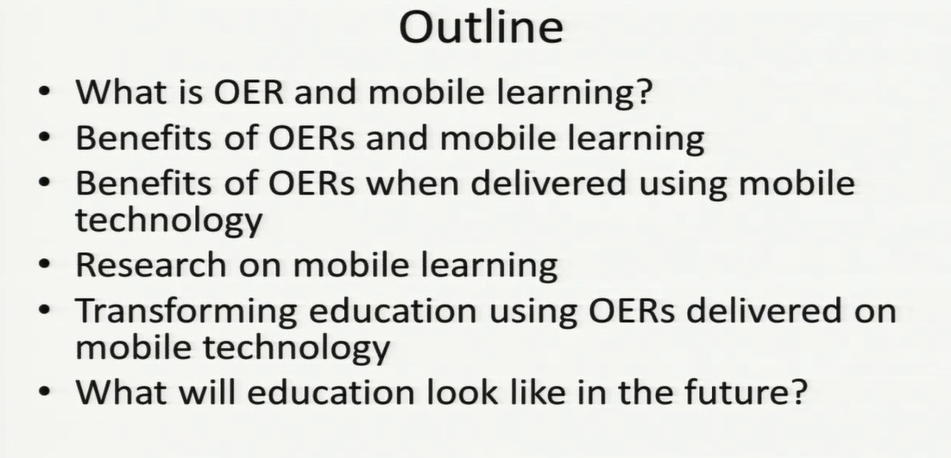
2014 이러닝 국제 콘퍼런스 : Open Education Resources with Mobile Learning to Transform Education
한국교육학술정보원 Mohamed Ally
이 자료와 함께 이용한 RISS 자료
나만을 위한 추천자료


